
Reviewed · ELEPHANT SANCTUARY VISITS
Samui:Elephant Jungle experience & The First Elephant Museum
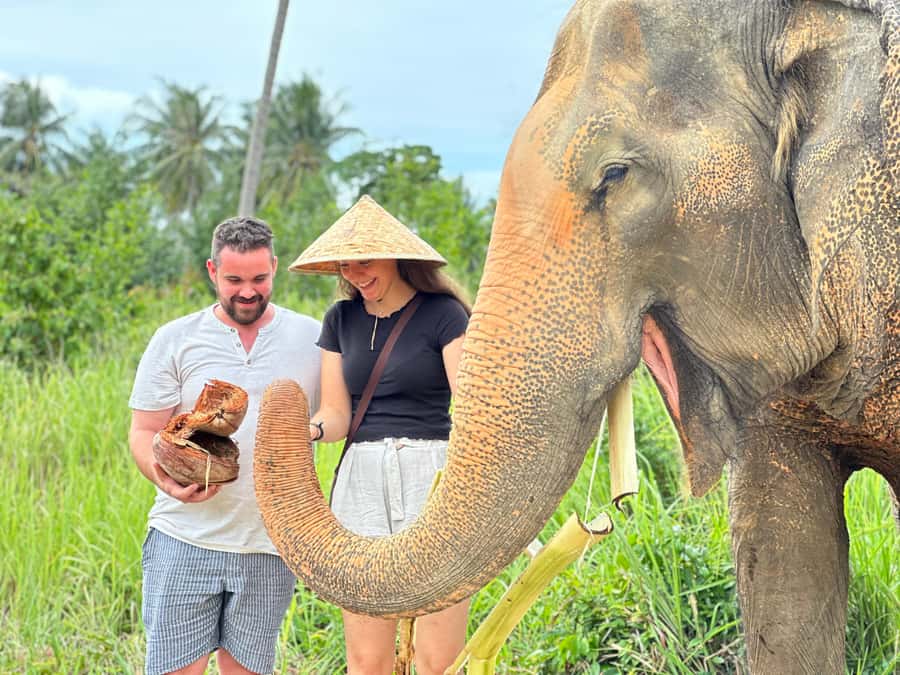
Samui’s first Elephant Museum gives this experience a useful start: before you meet the animals, you learn why elephants matter in Thailand and how their lives have changed. Then you head into the jungle to watch rescued elephants forage and move freely, with no rides or mud baths built into the visit. I especially like the mostly hands-off approach and the seed-bomb activity, which gives you a small but practical way to support the forest.
I also like the care taken with the details. Guides such as Angie, Katy, and Noot explain nutrition, rescued elephants’ past lives, and natural cooling in the tropical heat. The main consideration is time: this is a three-hour visit, and some of that is spent in the museum and teaching area, so you may have less time watching elephants than you expect.
Key points at a glance
- Start with Thai elephant heritage: The museum explains the cultural, spiritual, and working roles elephants have held in Thailand.
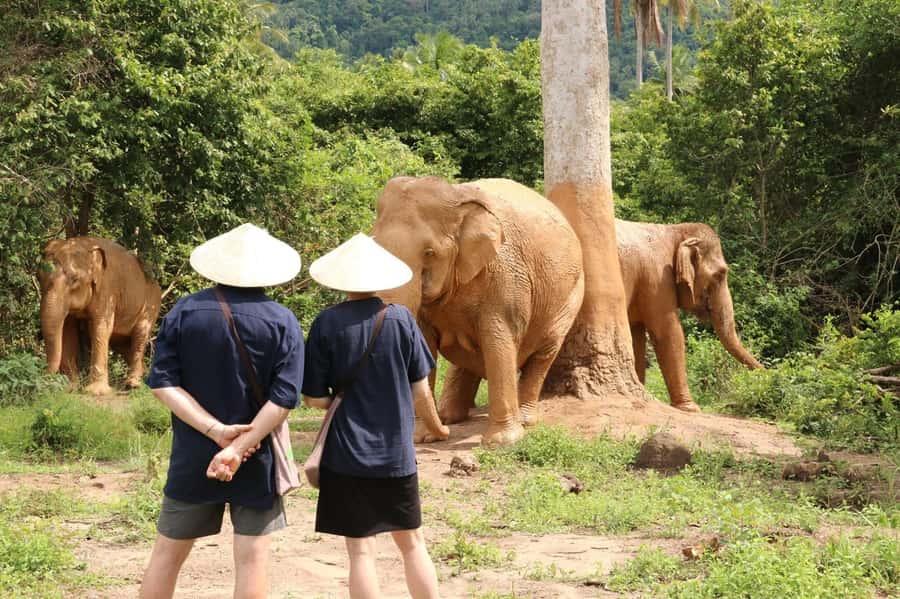
- Watch nine rescued elephants in open jungle: The group includes eight adult females and one young male, according to the information shared during the experience.
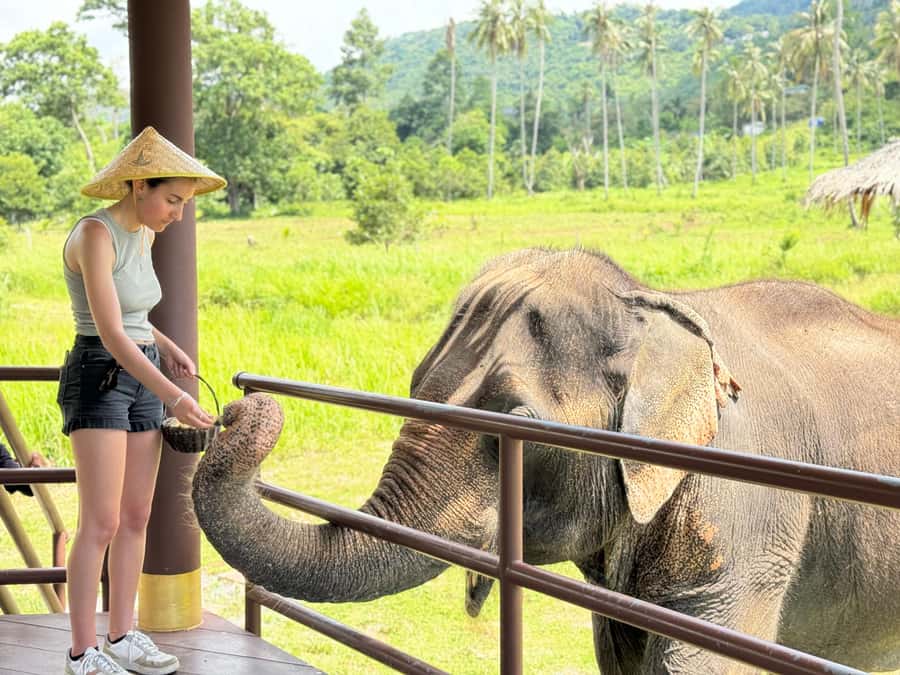
- Respectful contact matters: You may feed elephants, but touching is limited and their space comes first.
- See how food supports health: Mahouts demonstrate the preparation of organic food and explain changing needs at different life stages.
- Plant future food sources: You make seed bombs from clay and native seeds, then launch them into forest areas with a traditional slingshot.
- Plan for heat and walking: Comfortable shoes, sunscreen, a hat, and insect repellent will make the visit easier.
Why the museum comes before the elephants
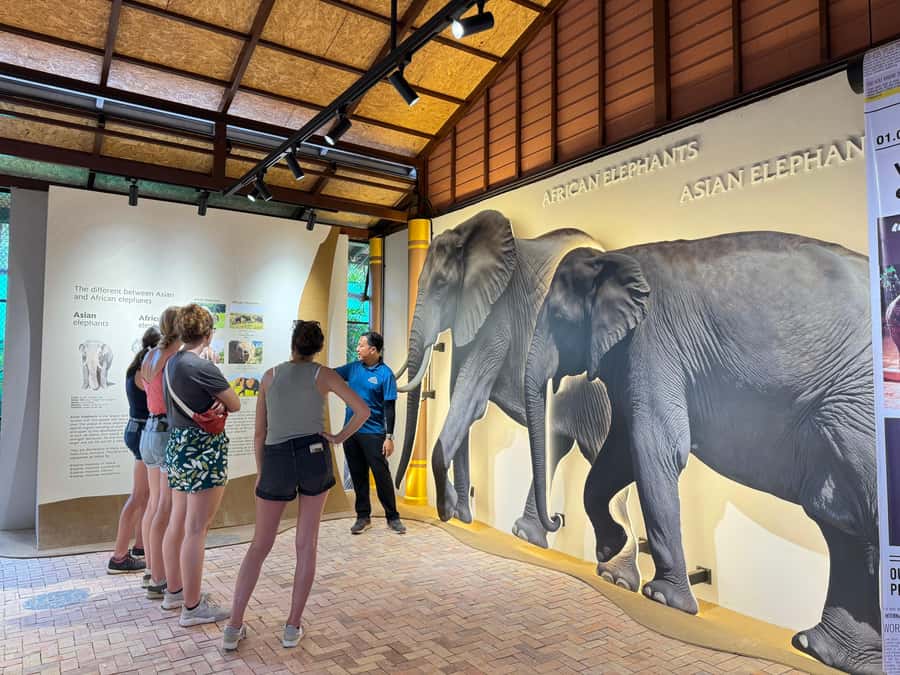
The first hour takes place at Samui Elephant Home, where the visit begins with a welcome drink, a safety briefing, and a guided tour of the museum. This order makes sense. You get context before standing near a large animal that can weigh several tons and react quickly to its surroundings.
The museum presents the long relationship between elephants and Thai people. Displays and storytelling cover elephants in Thai heritage, spirituality, and daily life. You also learn about the difficult pasts of rescued animals and the work involved in giving them a safer home.
I like this part because it keeps the visit from becoming a quick photo stop. The museum asks you to think about the difference between an elephant appearing calm and an elephant being allowed to make choices. That idea carries into the jungle section, where the goal is to observe rather than demand a performance.
Guides make a big difference here. Angie is praised for explaining the rescue program clearly and with feeling, while Katy and Noot are also noted for clear instruction and strong care for the animals. Guide quality can vary on any scheduled tour, but this program puts real weight on explanation, not just moving a group from one point to another.
The museum and class area are clean, green, and designed to feel welcoming. Still, I would set your expectations properly: if your main goal is long wildlife observation, the first hour may feel classroom-heavy. One visitor specifically preferred less museum time and more time in the field. That is a fair point, especially for children or anyone with limited patience for displays.
More Elephant Sanctuaries in Koh Samui
- Koh Samui: Elephant Sanctuary Entry and Feeding Experience
★ 4.7 · 1,446 reviews - Samui: Elephant Nutrition and Care Education Experience
★ 4.9 · 1,223 reviews - Koh Samui: Elephant Sanctuary and Jungle Tour with Lunch
★ 4.7 · 1,328 reviews
Meeting the elephants in the jungle
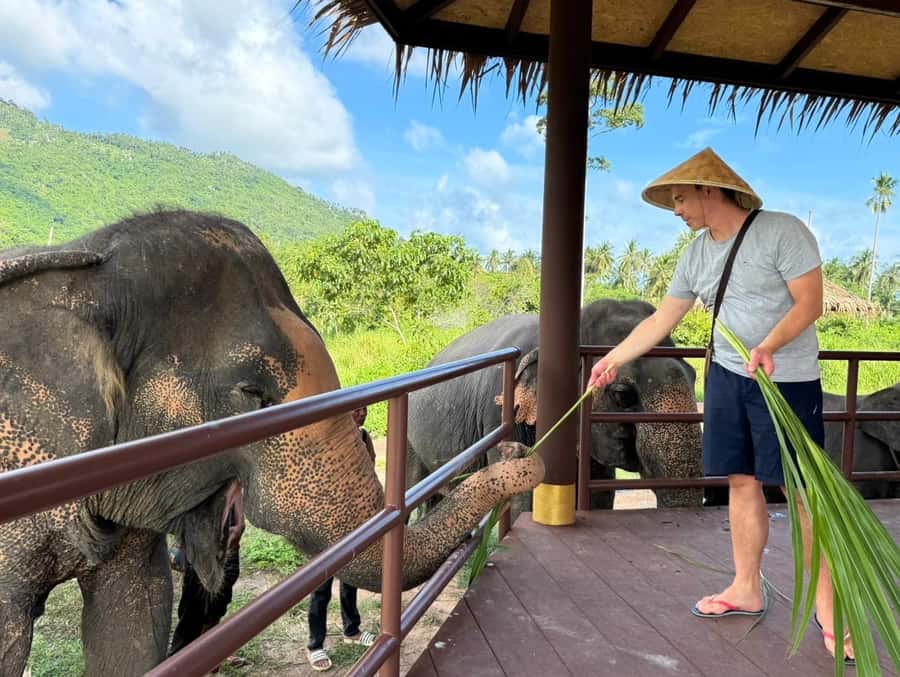
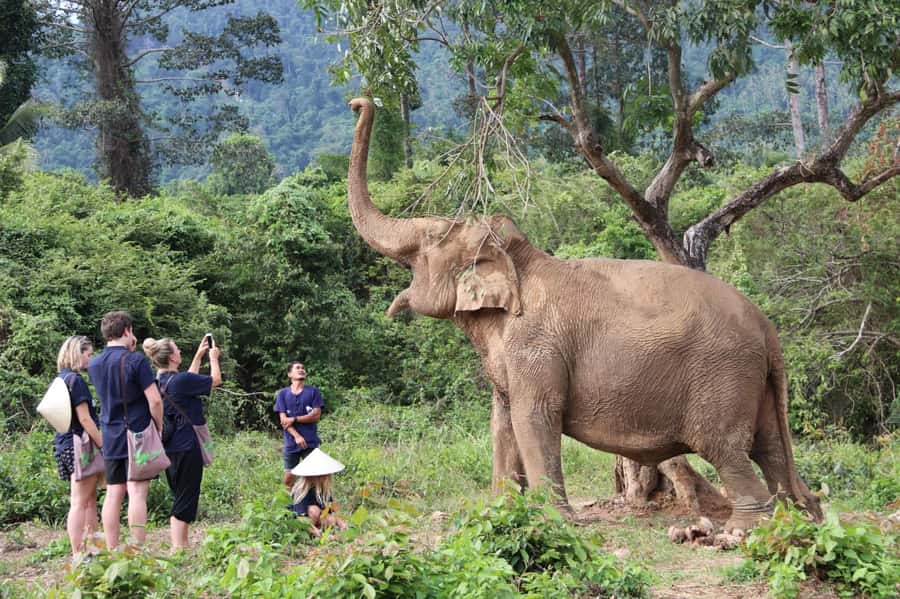
After the museum, you walk toward the open area where the elephants can roam. The visit includes roughly an hour and a half of walking, wildlife viewing, a photo stop, and time near the animals. You do not follow them as if they were actors on a schedule. Instead, you watch them forage, explore, cool down, and interact at their own pace.
The group is described as nine rescued elephants: eight adult females and one young male. The young elephant often attracts attention because of his playful behavior, but the adults are just as important to watch. Their personalities, social ties, and different levels of confidence become easier to notice when the group is not being made to perform.
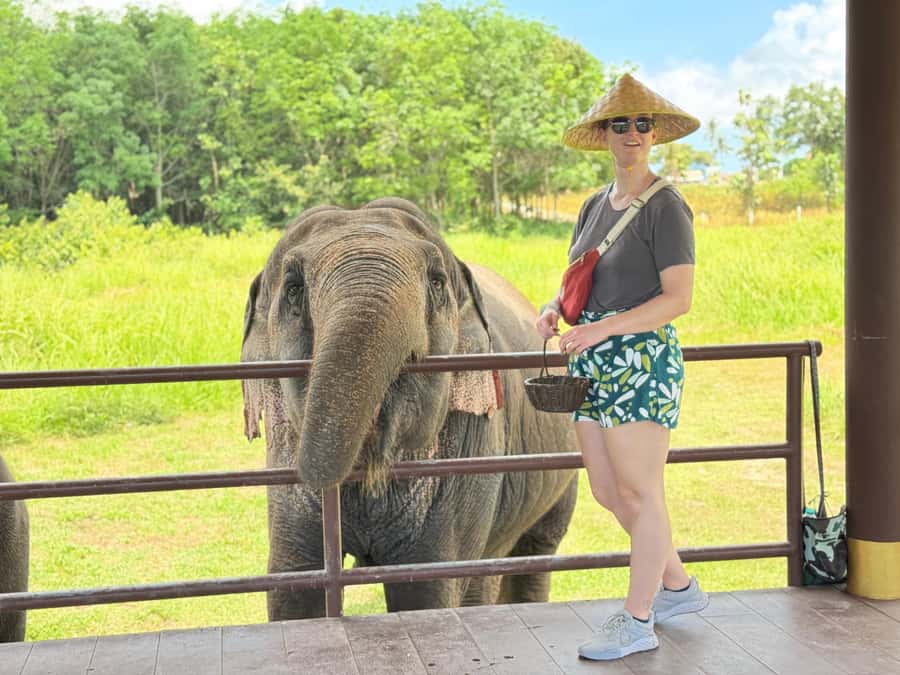
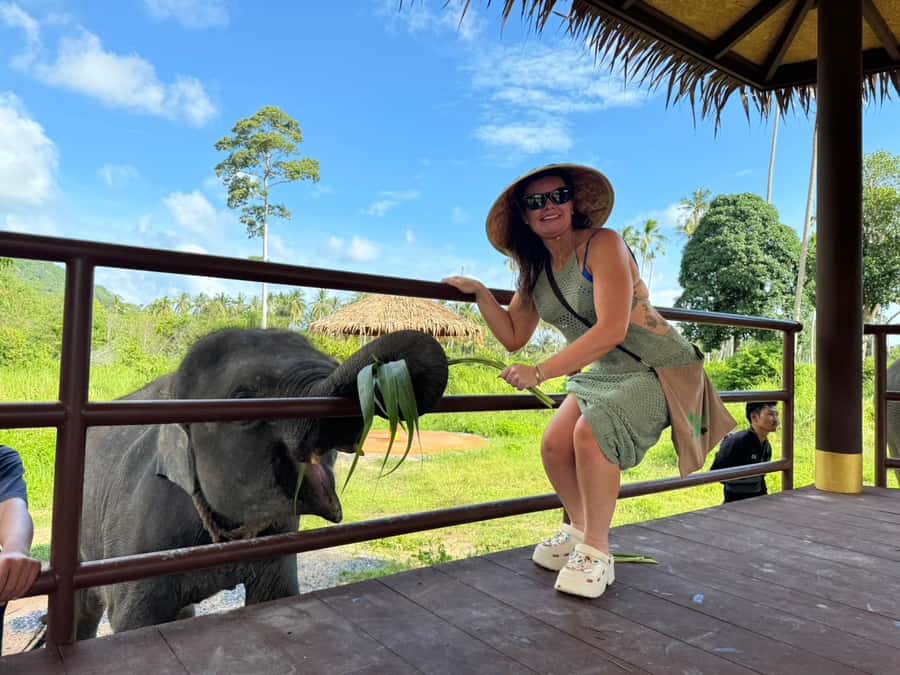
The central rule is simple: their welfare comes before your photograph. You may be able to offer food, including bananas or sugarcane, but contact is limited. Some programs build the whole visit around touching, bathing, or posing with elephants. This one does not include rides or mud bathing, and the lack of a mud bath is a positive point for visitors who want fewer forced interactions.
You may still get quite close. The experience allows feeding and observation, and some sessions have included brief touching. But the exact amount of contact depends on the elephants and the staff’s judgment. That is a strength, not a flaw. An ethical animal visit should not promise access at every moment.
Bring a camera if you like, but keep it secondary. You will get better photographs if you stay calm, give the elephants room, and listen to the guide. A phone held too close or a sudden movement can spoil the moment for everyone, including the animal.
How elephants handle Samui’s heat
Samui’s tropical climate makes cooling a real part of elephant care. After the jungle walk, you observe how mahouts help the animals remain comfortable through shade, water, and calm routines.
The important lesson is that cooling down is not a show. Staff support the elephants while respecting their choices and natural behavior. You learn why shade and water matter, how an elephant may recover after moving through the forest, and why a quiet routine can be better than a high-energy activity.
This is another place where the program feels more educational than theatrical. You are not promised a dramatic bathing scene. Instead, you see the practical side of care, including attention to heat and recovery.
The same principle applies to food. Mahouts demonstrate how organic food is prepared and explain dietary needs, health concerns, and nutrition at different stages of life. The purpose is not simply to hand you something to feed an elephant. You learn that feeding must fit the animal’s health plan and daily needs.
That distinction matters. A pile of treats can make an encounter feel fun, but responsible care involves much more than feeding. The staff use the activity to explain what the elephants eat and why. You should expect education alongside the brief hands-on moments.
Making seed bombs for the forest
The conservation activity is one of the most unusual parts of the three-hour program. You make seed bombs from clay and native plant seeds, then use a traditional slingshot to send them into forest areas.
The idea is straightforward. New plants can help restore parts of the forest and provide future food sources for elephants. You are not simply watching an animal and leaving with a photograph. You take part in a small restoration effort connected to the sanctuary’s long-term needs.
The activity is also a good break from listening. Children and teens may enjoy the slingshot element, while adults get a clearer sense of how habitat support links to elephant care. The exact seed varieties are not specified, so you should view this as a general forest-support activity rather than a technical planting workshop.
Some sessions describe planting pumpkin seeds, while the program information refers more broadly to native seeds. The point remains the same: you help place future food sources in the forest. It is a modest contribution, but it makes the visit feel connected to something beyond the three-hour schedule.
Other sanctuaries you can visit from Ko Samui:
- Chiang Mai: Elephant Sanctuary, Waterfall & Bamboo Rafting
★ 4.9 · 9,160 reviews - Chiang Mai: Elephant Sanctuary & Waterfall Group Tour
★ 4.9 · 5,780 reviews - Chiang Mai: Elephant Sanctuary Feeding Program Half-Day Tour
★ 4.8 · 4,527 reviews - Phuket: Elephant Jungle Sanctuary Ethical Feeding Experience
★ 4.8 · 4,359 reviews
What the three-hour schedule feels like
Hotel pickup and return transport around Koh Samui are included, with guests asked to wait in the hotel lobby about 15 minutes around the stated pickup time. Pickup makes this easier than arranging your own route to the home, especially if you are staying somewhere unfamiliar on the island.
The scheduled visit itself is divided into about one hour at the museum and teaching area, followed by about one and a half hours around the elephants. The remaining time covers the transfer and movement between sections.
Because the program is compact, the pace can feel efficient. You receive a lot of information, then move into the jungle before the heat becomes too much. On the other hand, you should not book it expecting a full-day nature outing or hours of quiet elephant tracking.
Group size may be small on some departures. One session had only four people, which made the experience feel more personal. Group size is not guaranteed, but a small party gives you more room to hear the guide and ask questions.
The activity is wheelchair accessible, though the jungle walking portion may still require you to confirm how the route suits your particular needs. The stated tour language is English, and live guides lead the visit.
Is $64 a fair price?
At $64 per person, this is not the cheapest way to spend a morning on Koh Samui. The price includes roundtrip hotel transport, full insurance, a welcome drink, the museum tour, the guided elephant walk, and the seed-bomb activity.
I think the value is strongest if you want an organized ethical visit with transport and a clear educational purpose. You are paying for more than time near the elephants. The fee supports staff, food preparation, habitat work, guiding, safety procedures, and the care of rescued animals.
The value is weaker if you want long, close contact or a highly active animal encounter. Feeding and touching may be limited, and the museum takes a meaningful part of the schedule. You also will not get a mud bath or elephant ride as part of this program.
That tradeoff is worth understanding before you book. The experience is aimed at responsible observation, not maximum contact. If you prefer to see elephants behave naturally and accept that the animals decide how close you get, the price is easier to justify.
You can also reserve now and pay later, which helps if your Koh Samui plans are still shifting. Cancellation is free up to 24 hours in advance for a full refund. Those terms add useful flexibility, especially when weather, illness, or changing island plans may affect your morning.
Practical advice before you go
Wear walking shoes with a decent grip. You will move through the forest, and comfortable footwear matters more than stylish sandals.
The heat deserves respect. Pack a hat, sunscreen, water if permitted by the operator, and insect repellent. Guides have helped people who struggled with the heat by providing extra water and fans, but it is better to arrive prepared.
A camera is allowed for personal use. Keep it ready, but do not let photography push you into the elephants’ space. Follow the guide’s directions about feeding and touching.
Alcohol and drugs are not allowed. This is sensible for a wildlife setting, where clear judgment and calm behavior matter.
If you are visiting with children, explain the ground rules before pickup. Elephants are not petting-zoo animals, and the most rewarding moments may involve standing quietly and watching rather than reaching out.
The program is also suitable for adults who want cultural context, conservation information, and a controlled introduction to elephant care. It works well for families with older children and teenagers, couples, and visitors who would rather support a sanctuary than seek a staged performance.
Who should book this experience?
I would choose this tour if you want three things in one morning: Thai elephant culture, a chance to observe rescued elephants in a natural setting, and a small conservation activity you can take part in.
It is a good fit for anyone who values a mostly hands-off approach. The staff explain why they avoid certain activities, and the absence of a mud bath or ride is part of the appeal. You can still feed the elephants and possibly touch them briefly, but you should not treat that as the main goal.
I would think twice if your priority is uninterrupted wildlife watching. The museum and classroom section may take more time than you want, and the field visit is structured rather than open-ended. The elephants roam freely, but you are still part of a three-hour guided program.
Should you book Samui Elephant Home?
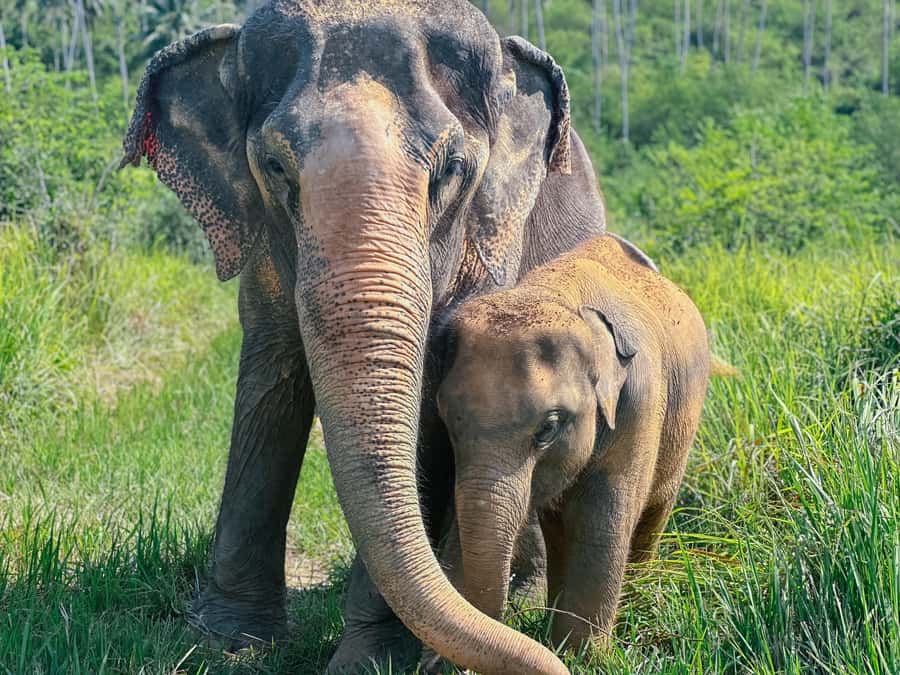
Book it if you want an informative, careful encounter that gives equal weight to Thai culture, elephant welfare, and forest support. The strongest features are the museum, the clear guidance from staff such as Angie, Katy, and Noot, the limited-contact policy, and the seed-bomb project.
Skip it if you mainly want bathing, touching, or a long session of close feeding. This program asks you to accept a quieter kind of experience, one where the elephants are not required to entertain you.
For $64, the package offers solid value when hotel pickup and the educational focus matter to you. Bring sensible shoes, protect yourself from the sun, and let the elephants set the pace. That is the best way to get something worthwhile from the visit.
FAQ
How long does the Samui Elephant Home experience last?
The activity lasts three hours, including the guided museum visit, jungle walk, elephant viewing, and conservation activity.
Is hotel pickup included?
Yes. Roundtrip transfer from hotels around Koh Samui is included. You are asked to wait in your hotel lobby for about 15 minutes around the pickup time.
What language is the tour conducted in?
The experience includes a live English-speaking guide.
What can I see at the Elephant Museum?
The museum covers Thai elephant heritage, including the animals’ role in Thai culture, spirituality, and daily life. It also includes historical displays, storytelling, and educational exhibits.
Can I feed or touch the elephants?
You may feed the elephants, with treats such as bananas or sugarcane mentioned during the experience. Touching is limited and depends on staff guidance and the elephants’ behavior.
Are elephant rides or mud baths included?
No. The experience focuses on observation, ethical care, nutrition, and natural behavior rather than rides or mud baths.
What should I bring?
Bring comfortable walking shoes, a hat, sunscreen, insect repellent, and a camera for personal use.
Is the activity wheelchair accessible?
Yes, the activity is listed as wheelchair accessible. The jungle walking section may still require you to check whether the route meets your specific needs.
Can I cancel or pay later?
You can cancel up to 24 hours in advance for a full refund. You can also reserve now and pay later.
More Museums in Ko Samui
- Samut Prakan: The Erawan Museum Admission Ticket (NON THAI)
★ 4.8 · 89 reviews - Chiang Mai: Art in Paradise Illusion Museum Entry Ticket
★ 4.4 · 82 reviews - Pattaya: Art in Paradise 3D Museum Discounted Ticket
★ 4.6 · 75 reviews
Just added in Ko Samui
- Koh Samui: Zipline Experience of Lamai Viewpoint★ 4.1 · 31 reviews
- Koh Samui: Half-Day Highlights Tour with Hotel Transfers★ 4.3 · 245 reviews
- Koh Samui: Half Day City Tour with Hotel Pickup★ 4.6 · 288 reviews
- Koh Samui: Half Day Around Island Tour with Transfers★ 4.6 · 320 reviews
- Koh Samui: International Stadium Muay Thai Match Ticket★ 4.5 · 333 reviews
- Koh Samui: Travstore Original Koh Samui Discovery Tour★ 4.1 · 408 reviews
- Koh Samui: 4×4 Off Road Island Safari Tour Including Lunch★ 4.5 · 903 reviews
- Koh Samui: ATV Quad Bike Safari Tour★ 4.7 · 1,394 reviews
Elephant Sanctuary Visits, compared.
Chiang Mai: Elephant Sanctuary, Waterfall & Bamboo Rafting
Read our review →
Chiang Mai: Elephant Sanctuary & Waterfall Group Tour
Read our review →
Chiang Mai: Elephant Sanctuary Feeding Program Half-Day Tour
Read our review →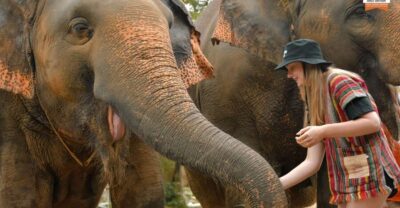
Phuket: Elephant Jungle Sanctuary Ethical Feeding Experience
Read our review →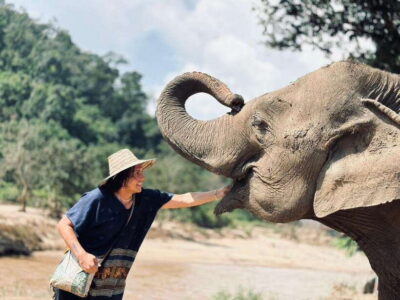
Chiang Mai: Elephant Sanctuary, Long Neck & Sticky Waterfall
Read our review →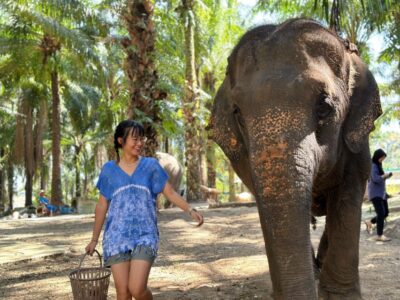
Krabi: Elephant Bathing Session at Krabi Elephant Shelter
Read our review →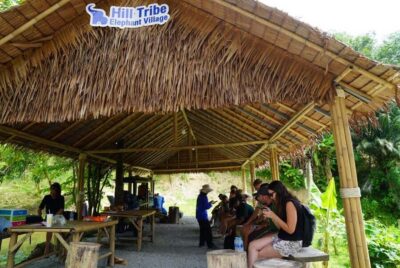
Phuket: Elephant Sanctuary Guided Tour with Hotel Transfers
Read our review →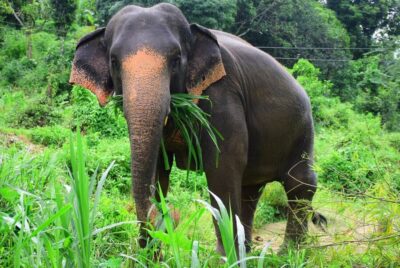
From Chiang Mai: Elephant Care Program and Nursery Tour
Read our review →Browse the lists this tour appears in