
Reviewed · ELEPHANT SANCTUARY VISITS
From Chiang Mai: Elephant Care Program and Nursery Tour
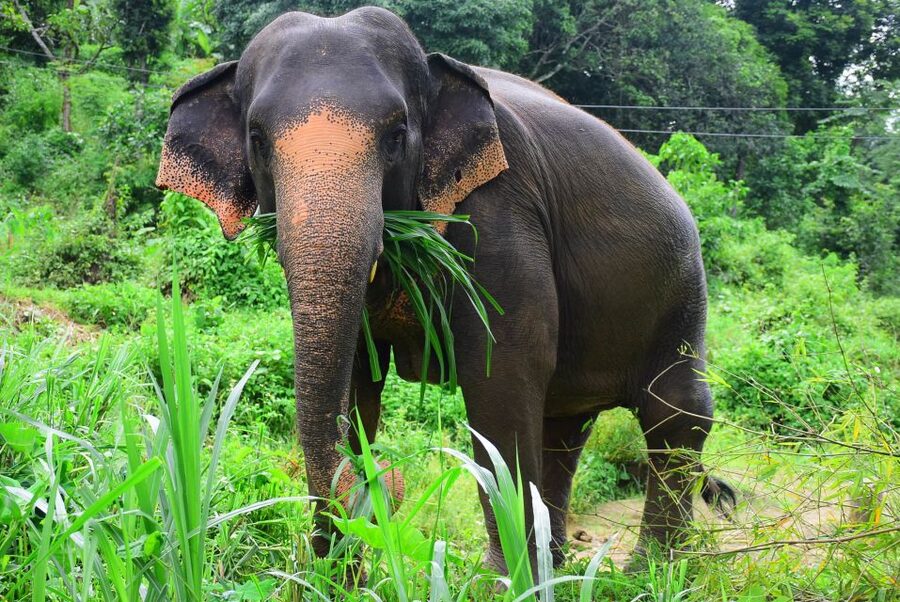
The best part of this Chiang Mai elephant experience is that the elephants set the pace. You prepare food, feed them, walk behind them to the mud pool, and watch their behavior up close. If an elephant loses interest, the staff lets it move away rather than pushing it into another activity.
I like the hands-on care and the small-group feel reported by many participants. You are not just posing beside an elephant for a quick photo. You make medicine balls, offer bananas and other food, and help with mud treatments and washing. The guides, including Francesco, Tin, Disney, and Tim on different outings, add useful explanations about Asian elephants.
The main drawback is the wet, muddy nature of the program. Bring swimwear, flip-flops, insect repellent, and a full change of clothes. Some people have also found the van ride less comfortable than expected, particularly regarding seatbelts, so this is not the right pick if you want a polished luxury excursion.
Key points to know before booking
- The elephants choose the activity: Staff do not force them to feed, bathe, play, or pose.
- You get genuinely close: Prepare food, feed the elephants, follow them to the mud spa, and help rinse them.
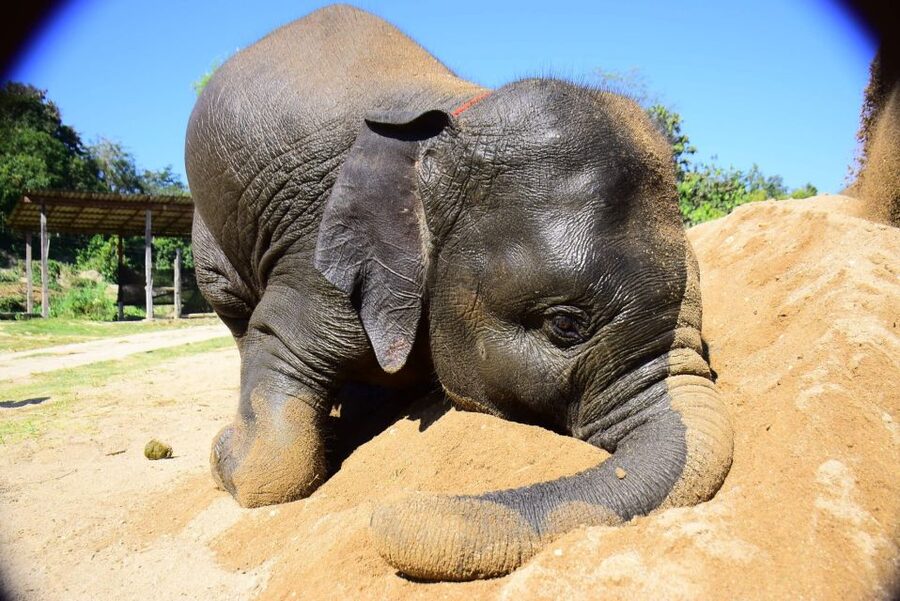
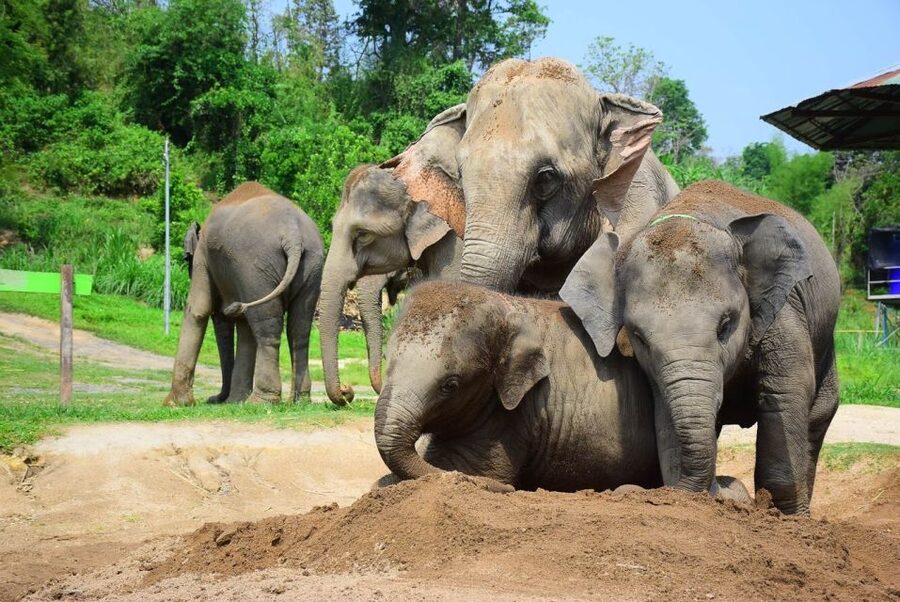
- The baby elephant is a highlight: The program may include a young elephant among a group of around six.
- A Thai lunch is included: Expect a simple vegetarian buffet, with pad Thai and fried rice among the dishes served.
- Plan for wet clothes: Showers, simple towels, and changing facilities are available, but you need your own dry clothes.
- Photos cost extra: An on-site photographer may offer a large set of images for roughly 500 to 800 baht.
From Chiang Mai to the Mae Tang countryside
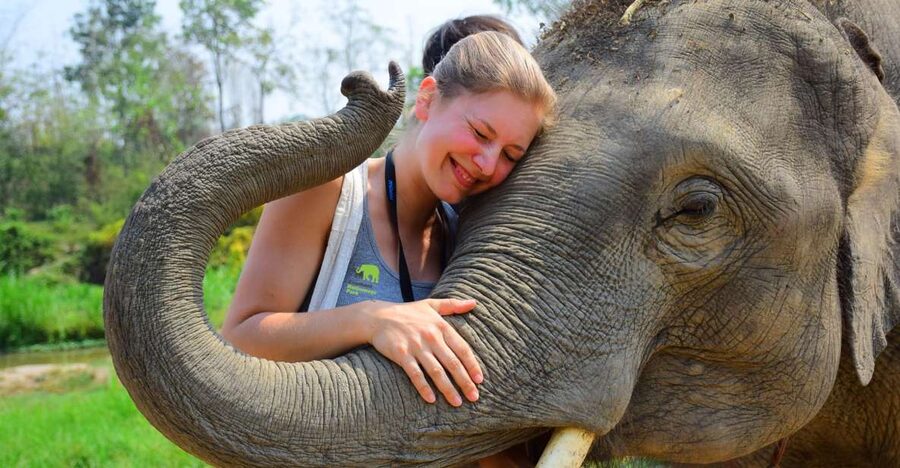
Your day begins with pickup from a Chiang Mai hotel, generally within 5 kilometers of the Old Town. The drive to the Mae Tang district takes about an hour, so the transfer is a real part of the outing rather than a quick hop across town.
I see the drive as a fair trade for more room and a quieter setting outside the city. You get countryside scenery and a proper sanctuary setting instead of trying to fit elephant activities into an urban attraction. The return ride also gives you a chance to dry off and rest after the muddy portion of the day.
Pickup time is confirmed again after booking. If your accommodation lies outside the regular pickup area, contact the operator to arrange a meeting point or check whether a transfer can be added. The total outing lasts about five to six hours, including the road time, so leave the middle of your day open.
Transport is practical rather than fancy. Several people found the van comfortable and punctual, while one particularly useful caution concerned seatbelts. I would ask about the vehicle if this matters to you, and I would not expect a premium private transfer at this price.
More Elephant Sanctuaries in Chiang Mai
- Chiang Mai: Elephant Sanctuary, Waterfall & Bamboo Rafting
★ 4.9 · 9,160 reviews - Chiang Mai: Elephant Sanctuary & Waterfall Group Tour
★ 4.9 · 5,780 reviews - Chiang Mai: Elephant Sanctuary Feeding Program Half-Day Tour
★ 4.8 · 4,527 reviews
Changing clothes and meeting the elephants
At the park, you change into local-style clothing before beginning the activities. The outfit is useful because elephant care is messy work, and it keeps your own clothes a little safer from mud, water, and food.
The program focuses on rescued elephants and their daily care. Guides explain basic Asian elephant behavior and how staff provide food, medicine, and general care. That context matters. An elephant is not a prop that performs on command, and this program makes that point clear by allowing the animals to walk away when they do not want attention.
The park has been described as caring for around six elephants of different ages, including a baby elephant on some visits. Names such as Lana and Bibi have appeared in descriptions of the animals. Lana, who was born at the sanctuary, is known for being especially gentle and affectionate, while Bibi has been a very young calf.
You should still keep your expectations sensible. A baby elephant might be playful and curious, but animals have moods and routines. The best encounters come when you watch body language and follow the carers’ instructions instead of reaching for constant contact.
Feeding time and homemade medicine balls
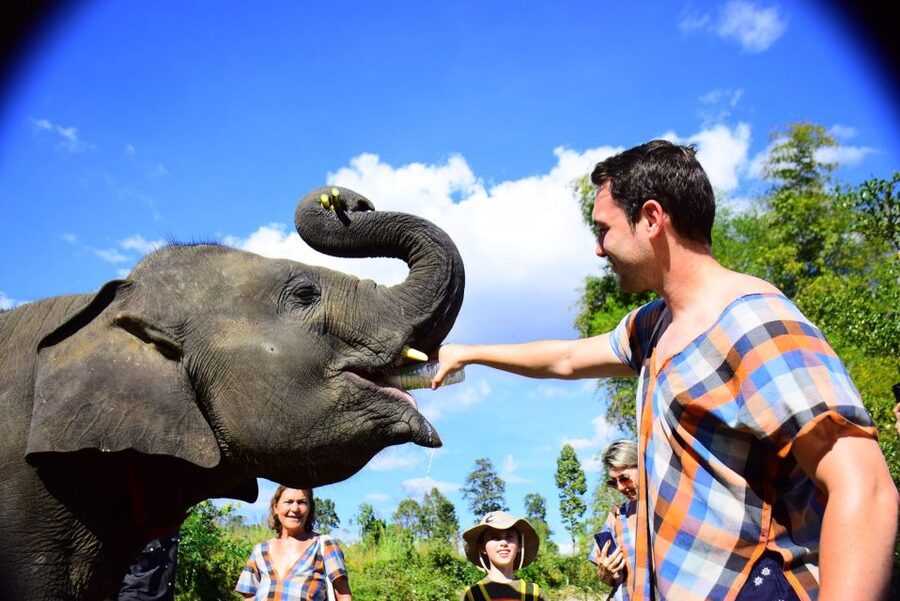
The first major activity is preparing food for the elephants. You help make healthy treats and medicine balls, then offer them to the animals. Bananas are part of the feeding, and this is one of the easiest moments for children and first-time elephant visitors to enjoy.
Feeding gives you a clear reason to stand near the elephants, but it also teaches you to pay attention. You see how they use their trunks, how they wait for food, and how quickly an apparently calm animal can become focused when treats arrive. The staff manage the interaction, which helps keep the scene orderly.
This is also a good point to ask questions. Guides such as Francesco have been praised for explaining elephant behavior and individual personalities in an engaging way. Tin, Disney, Tim, and other local carers may lead different groups, so the exact style of the commentary can vary.
I like this part because it feels more useful than a simple photo stop. You are doing a small piece of the daily care work, and the food is supplied as part of the program. You do not need to bring treats from Chiang Mai.
Following the elephants to the mud and sand spa
After feeding, you walk with the elephants to the mud and sand spa. The important detail is the direction of the relationship: you follow the elephants rather than leading them through a forced routine.
The mud area is the most playful part of the program. You may help spread mud over the elephants, watch them roll and splash, and get splattered yourself. The mud helps make the session memorable, but it also means you should wear clothing you do not mind getting dirty.
The phrase spa can sound a little theatrical, but the activity has a practical side. Elephants use mud and dust as protection for their skin, and the session lets you observe behavior that is closer to natural play and self-care than a staged show. You are not watching a trained performance. You are sharing space with animals that may decide to wander, rest, or continue playing.
This is where the program’s ethical promise becomes most visible. Staff say the elephants are not forced to participate, and the activities are adjusted around their behavior. That means the timing can feel less rigid. If you want a tightly choreographed attraction with guaranteed contact at every stage, this program may feel too relaxed.
Other sanctuaries you can visit from Chiang Mai:
- Chiang Mai: Elephant Sanctuary, Long Neck & Sticky Waterfall
★ 4.9 · 2,262 reviews - 3-in-1: Doi Inthanon Tour, Elephant Sanctuary, and Trekking Trail
★ 5.0 · 1,087 reviews - Chiang Mai Elephant Sanctuary, Bamboo Rafting and Waterfall Tour
★ 5.0 · 870 reviews - From Chiang Mai: Kerchor Eco Elephant Park Tour
★ 4.7 · 704 reviews
Washing the elephants and getting thoroughly soaked
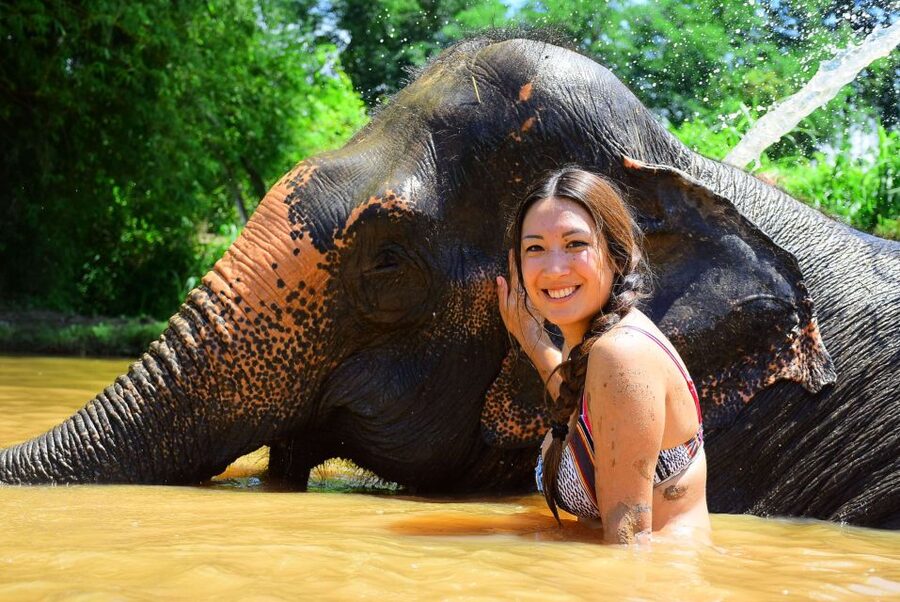
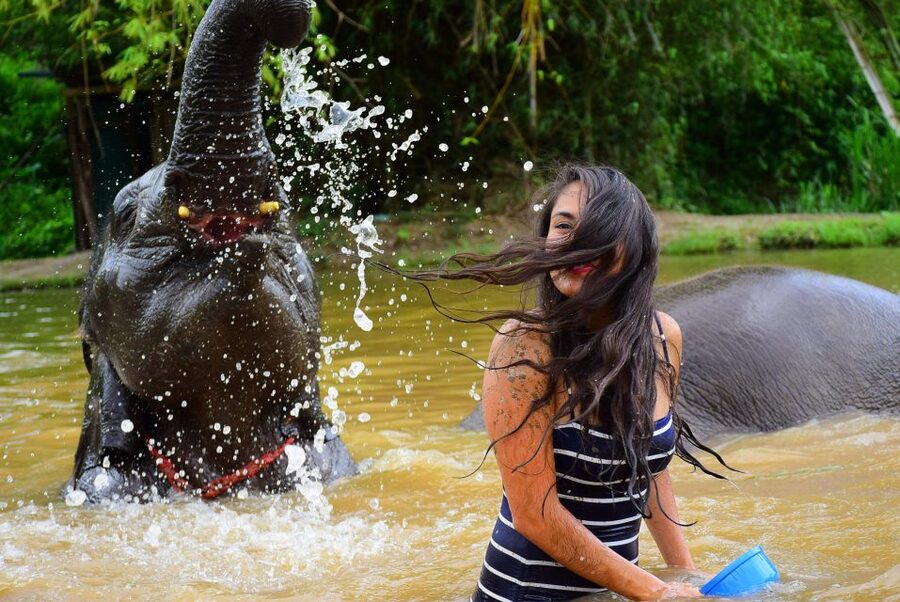
The mud treatment is followed by washing. You help rinse the elephants and may end up just as wet as they are. Splashing is part of the fun, and several people have singled out the bath as the moment they remembered most clearly.
Do not confuse this with a calm, dry animal encounter. You need swimwear, flip-flops, and a change of clothes. Bring a bag for wet items, too. One practical complaint from an otherwise enthusiastic participant was that people who skipped the spare clothes often could not take part fully in the mud or bath activities.
The park provides a shower area, simple towels, and soap. Facilities have been described as clean, including the bathrooms, but you should pack for a working animal-care environment rather than a resort. A small waterproof pouch for medication and valuables would also be sensible, especially if you plan to keep your phone nearby for photos.
You can take pictures during the activities, and staff may help with cameras and phones. A photographer may also take high-definition images throughout the day. These photographs are not included in the tour price, but you can usually view them before deciding to buy.
Lunch after the mud, with time to dry off
Once the elephant activities finish, you change and shower before lunch. The meal is a traditional Thai vegetarian buffet, with pad Thai and vegetable fried rice among the dishes served on some days. Coffee, tea, and drinking water are included.
The food is simple rather than elaborate, but that suits the half-day format. It gives you a proper meal after several hours outside, and it works well for vegetarians. If you have strict allergies or dietary needs, ask the operator before booking because the supplied information confirms vegetarian options but does not promise a full range of special diets.
Lunch also creates a natural pause before the return trip. You are unlikely to want another major stop after getting muddy, feeding elephants, showering, and eating. The one-hour ride back to central Chiang Mai completes the day.
How ethical is this elephant program?
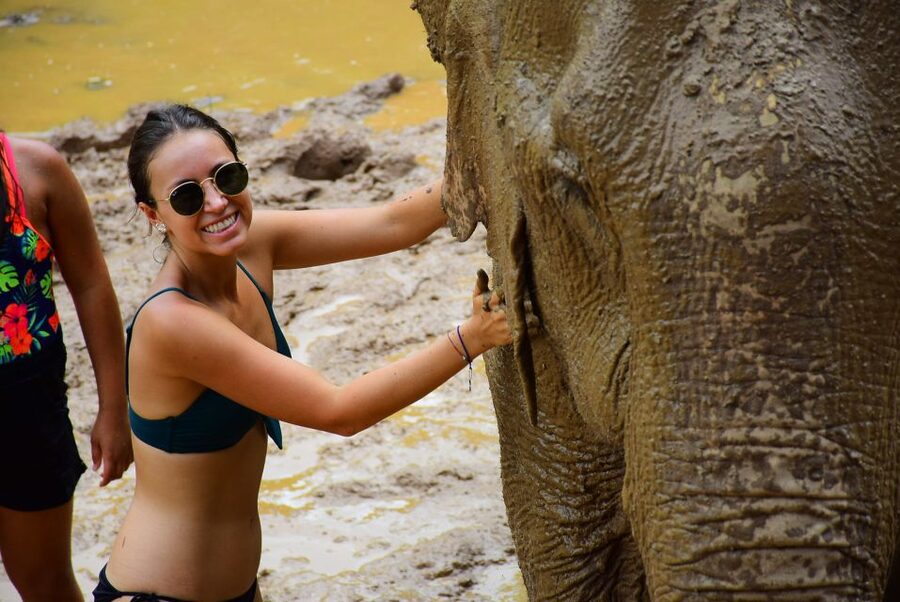
No elephant attraction can be judged by a sign saying ethical alone. I look at the actual structure of the encounter. Here, the program emphasizes rescued elephants, food preparation, observation, mud treatment, and washing rather than rides or forced tricks.
The strongest sign is the stated rule that elephants are not made to do activities they do not want to do. During the walk, you follow them rather than sit on them or direct them through a show. The staff and carers also appear to place animal welfare ahead of getting every person a perfect photograph.
The park describes its work as supporting future rescues and ongoing care. Tour income helps pay for food, medical treatment, and the upkeep of the facility. Optional photo and clothing purchases may also support the elephants, according to the way the program is presented.
You should still observe carefully and ask questions. Look at how the animals behave, how staff handle excited people, and whether the elephants have room to move away. The reports of free-roaming animals, gentle handling, and staff allowing them to leave contact are encouraging, but responsible tourism requires you to stay respectful throughout the visit.
Group size, guides, and the feel of the day
Group size can affect the quality of an elephant encounter. Some outings have felt intimate, with only a few people sharing the space. Another account described roughly 20 to 25 people at the park, so the number can vary by date and demand.
A smaller group gives you more time near the elephants and makes it easier to hear the guide. It also reduces the feeling of a queue for feeding or photos. If the date is flexible, a non-peak departure may be worth considering.
The guide can make a major difference. Francesco has been praised for detailed explanations and obvious care for the elephants. Tin, Disney, Tim, and Aom have also been named in positive accounts of guiding and transport. Exact staffing changes, but English-language guiding is included.
One less polished experience has also been reported, with a guide who gave less information and a less structured flow. That is a fair reminder that the day depends partly on the team working that morning. The activities themselves are clear, but the storytelling may vary.
Is the $53 price good value?
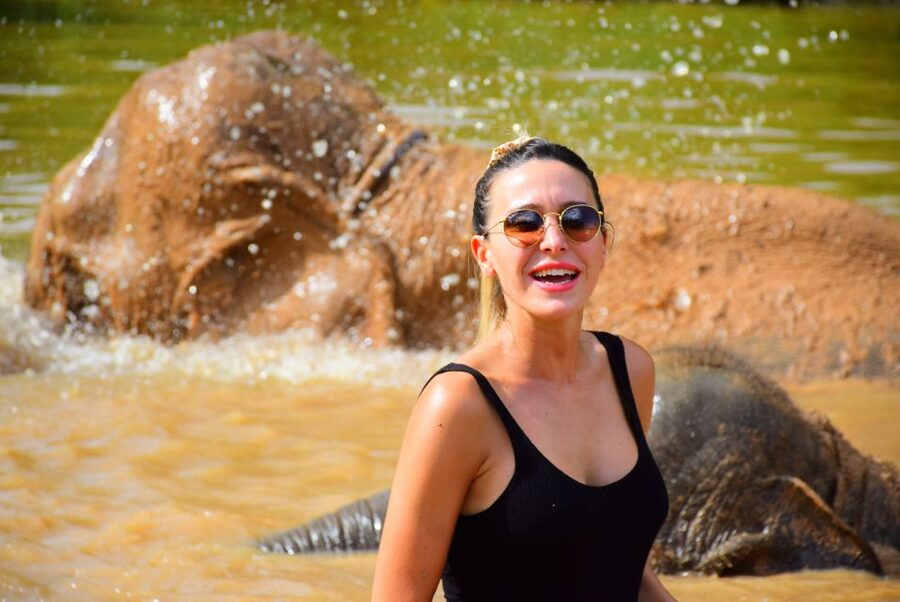
At $53 per person, this is strong value for a five to six-hour outing that includes round-trip hotel transport, an English-speaking guide, food for the elephants, water, coffee, tea, and a vegetarian Thai lunch.
The price becomes more attractive when you count the time involved. You are not paying only for a short elephant photo opportunity. The day includes the drive to Mae Tang, changing clothes, feeding, medicine preparation, the mud and sand session, washing, showering, lunch, and the return transfer.
There are extra costs to remember. Professional photographs are sold separately, with prices reported around 500 to 800 baht depending on the package. You can decline them, and staff may also take pictures with your own phone or camera. Elephant pants and shorts may be available for purchase, with proceeds supporting elephant care.
I would call the package good value for anyone who wants active participation and animal-care education. It is less compelling if you want a quiet wildlife observation outing with no touching, no mud, and no commercial photo offer.
Who should book this half-day experience?
I would recommend it most strongly to you if you want to be physically involved. Families, couples, and first-time visitors to Chiang Mai can all find something here, especially if feeding and washing an elephant is a personal goal.
Children may love the baby elephant and the water play, but adults need to supervise closely and follow instructions. The animals are large, even when gentle, and the setting is active rather than formal.
This also suits anyone comparing elephant attractions on ethical grounds. The absence of rides, the focus on rescued animals, and the policy of letting elephants refuse activities are meaningful features.
You may want another option if you dislike mud, have limited tolerance for wet clothing, or need a highly predictable schedule. The program is built around animal behavior, so the day may not run like a stage show. Also consider the one-hour road journey each way and the practical limits of a shared van.
What to pack and how to prepare
Pack light, but bring the right items:
- Swimwear or clothes that can get wet and muddy
- A complete change of clothes
- Flip-flops or other easy-to-clean shoes
- Insect repellent
- Personal medication
- A bag for wet clothes
- A phone or camera you can protect from water
Wear clothes that are easy to change out of. Keep valuables to a minimum, and use a waterproof case for anything you carry near the bath.
The tour includes drinking water, but staying hydrated is still sensible in Chiang Mai’s warm climate. The operator confirms pickup again after booking, and free cancellation is available up to 24 hours before departure. You can also reserve now and pay later, which helps if your Chiang Mai plans are still shifting.
FAQ
How long does the elephant care tour take?
The full experience lasts about five to six hours. This includes hotel pickup, roughly one hour of travel to Mae Tang, the elephant activities, lunch, and the return drive to Chiang Mai.
Is hotel pickup included?
Yes. Round-trip pickup and drop-off are included for hotels within about 5 kilometers of Chiang Mai’s Old Town. If your accommodation is outside the service area, contact the operator after booking.
What language is the tour guide?
The live guide speaks English. Guides explain elephant behavior, food preparation, and proper care during the activities.
Do I need to bring a change of clothes?
Yes. You should bring swimwear, flip-flops, and a complete change of clothes because the mud spa and elephant bath can leave you wet and dirty. Showers, soap, and simple towels are available.
Is lunch included, and is there a vegetarian option?
Yes. A traditional Thai buffet lunch is included, and vegetarian food is available. Drinking water, coffee, and tea are also included.
Are photographs included in the tour price?
No. An on-site photographer may take high-definition pictures, but these are sold separately. Reported packages have cost around 500 to 800 baht, and you can normally view the images before buying.
Should you book it?
Book this elephant care program if you want close contact built around feeding, mud, water, and learning rather than riding or watching a performance. The strongest features are the hands-on care, the rescued-elephant focus, the chance to meet a baby elephant, and the clear rule that the animals are not forced to participate.
I would skip it only if you want a dry, quiet, luxury-style outing or if a long shared-van ride and changing into muddy clothes sound unpleasant. For most visitors who want an active and fairly priced elephant encounter from Chiang Mai, the $53 package offers a useful balance of access, education, food, transport, and support for ongoing elephant care.
Just added in Chiang Mai
- Meditation Retreat and Self-Care in Nature★ 5.0 · 46 reviews
- Chiang Mai: Evening Chanting & Meditation★ 4.5 · 69 reviews
- 1 Hour Deep Tissue Thai Massage with Balm – Free Transportation★ 5.0 · 64 reviews
- Whitewater Rafting Adventure★ 5.0 · 205 reviews
- 8 hour Sticky waterfall, ATV and White water rafting Adventures★ 5.0 · 308 reviews
- Chiang Mai: Art in Paradise Illusion Museum Entry Ticket★ 4.4 · 82 reviews
- Top Pick – Full or Half Day @Elephant in Wild Sanctuary ChiangMai★ 4.5 · 229 reviews
- The 10 Tastings of Chiang Mai With Locals: Private Street Food Tour★ 5.0 · 216 reviews
Elephant Sanctuary Visits, compared.
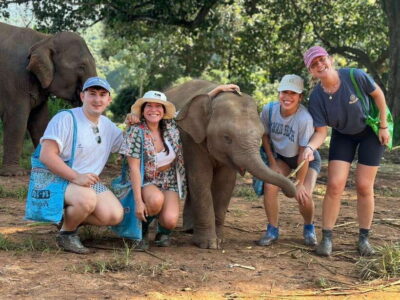
Chiang Mai: Elephant Sanctuary, Waterfall & Bamboo Rafting
Read our review →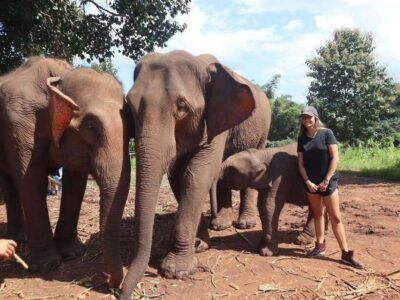
Chiang Mai: Elephant Sanctuary & Waterfall Group Tour
Read our review →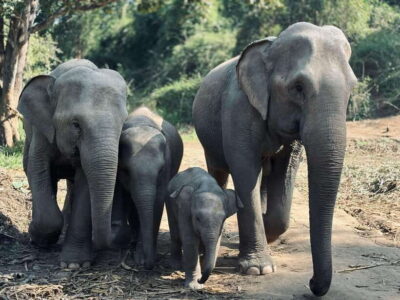
Chiang Mai: Elephant Sanctuary Feeding Program Half-Day Tour
Read our review →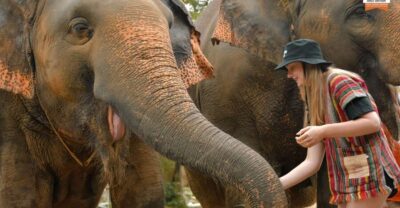
Phuket: Elephant Jungle Sanctuary Ethical Feeding Experience
Read our review →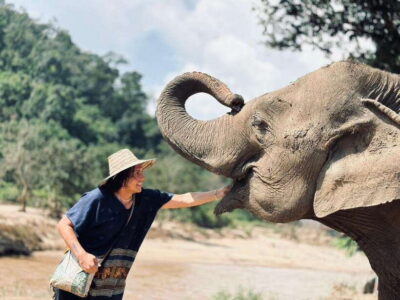
Chiang Mai: Elephant Sanctuary, Long Neck & Sticky Waterfall
Read our review →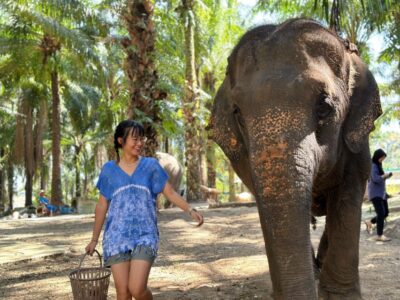
Krabi: Elephant Bathing Session at Krabi Elephant Shelter
Read our review →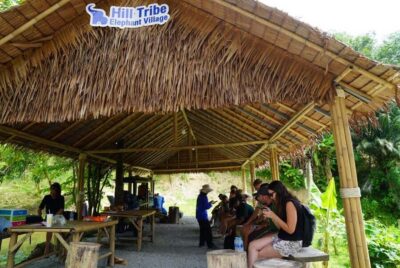
Phuket: Elephant Sanctuary Guided Tour with Hotel Transfers
Read our review →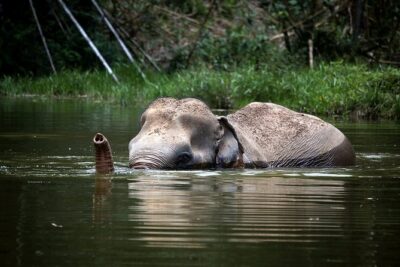
A Morning with the Elephants at Phuket Elephant Sanctuary
Read our review →Browse the lists this tour appears in