
Reviewed · ELEPHANT SANCTUARY VISITS
Samui: Elephant Nutrition and Care Education Experience
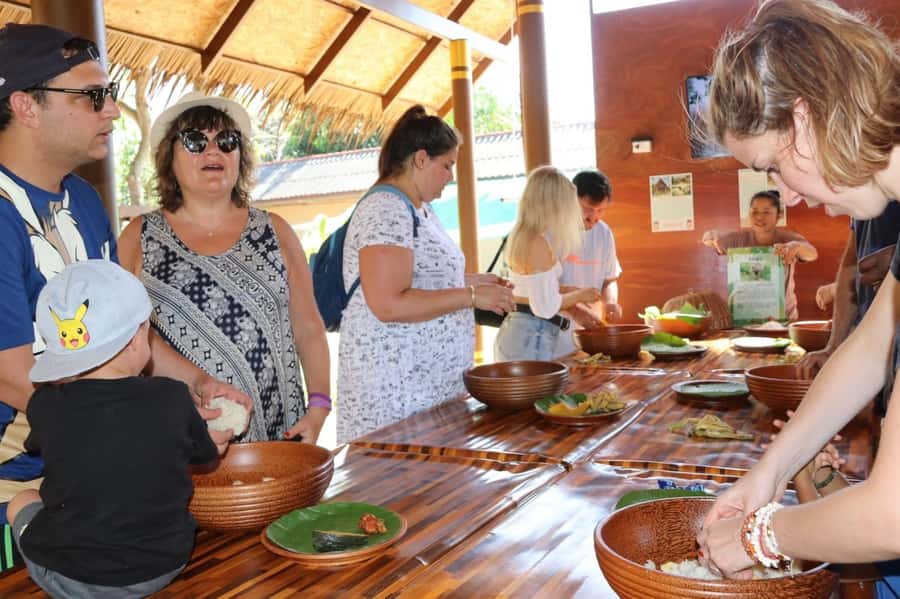
Samui Elephant Home puts elephant welfare before performance. Instead of riding, bathing, or watching animals do tricks, you learn how rescued elephants are fed, why their diets change with age, and how staff care for them day by day. The food preparation is simple but meaningful: you help make natural supplements, then see the elephants enjoy them.
I like two things here. First, guide Noi explains the individual stories behind the elephants with real feeling, making the visit about animals rather than photo opportunities. Second, the $32 price includes hotel pickup, drop-off, a guide, insurance, and a hands-on feeding session. The main thing to keep in mind is timing: the booking is sold as a two-hour experience, but the nursery program itself may last closer to one hour, with the rest taken up by transport.
Key points to know before you go
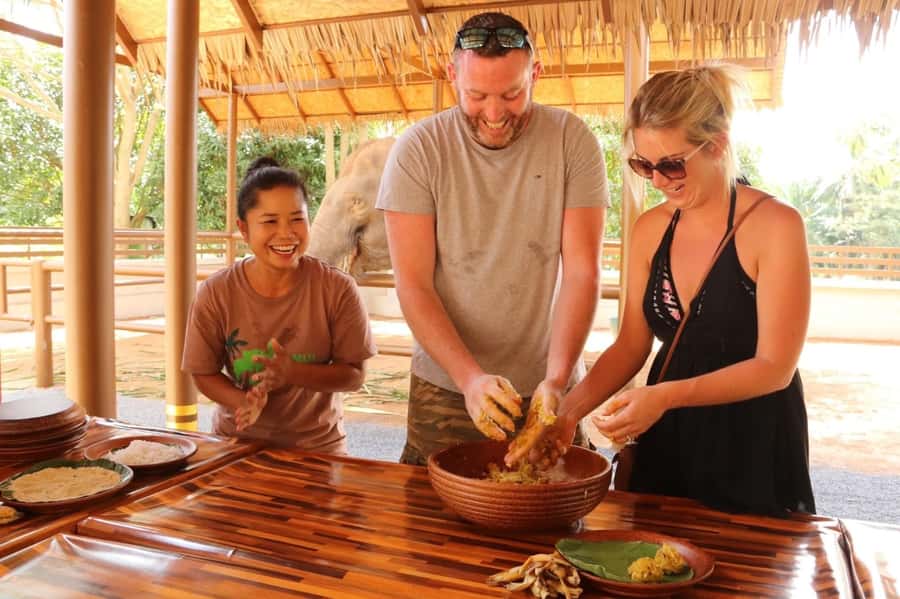
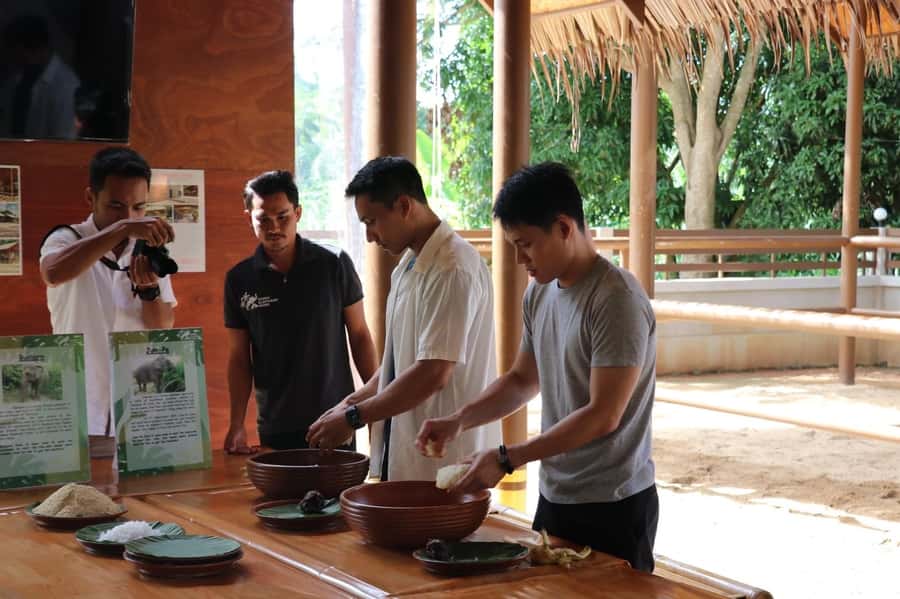
- Natural elephant food: Help prepare snacks using bananas, pumpkin, sticky rice, herbs, and other ingredients.
- No riding or bathing: This program focuses on feeding, education, and observation rather than entertainment.
- Personal elephant stories: Noi and the staff explain where the rescued elephants came from and how their lives have changed.
- Hotel transport included: Pickup and return are provided around Koh Samui, with the exact time sent after booking.
- Good family activity: The mix of short explanations, food preparation, and feeding works well for children and adults.
- A short but worthwhile visit: The main nursery session may be about an hour, despite the two-hour total duration shown for the booking.
Why the nursery feels different from a standard elephant stop
Many elephant activities in Thailand are built around a dramatic encounter. You climb onto an elephant, scrub one in a pool, or pose beside an animal at close range. This Samui program takes a quieter route. Its main subject is daily care, especially food, health, and the long work of helping rescued elephants live safely.
That change in focus matters. Elephants eat large amounts every day, and their needs are not identical. A young elephant, an older animal, and one recovering from a difficult past may need different food and attention. The guide explains how supplementary food fits into that wider care plan.
The nursery is described as the first elephant nursery on Koh Samui. It is connected with rescued elephants, including animals previously used for riding, circus work, or logging. The stories can be upsetting, but they give the visit a clear purpose. You are not simply feeding a large animal for a holiday photograph. You are learning why these elephants need ongoing care and why food, space, staff, and veterinary support cost money.
I appreciate that the program does not pretend a short visit solves every problem. Your payment helps support the nursery, but you are also asked to respect boundaries. The staff decide how close you can get and how each elephant is approached.
More Elephant Sanctuaries in Koh Samui
- Koh Samui: Elephant Sanctuary Entry and Feeding Experience
★ 4.7 · 1,446 reviews - Samui:Elephant Jungle experience & The First Elephant Museum
★ 4.9 · 226 reviews - Koh Samui: Elephant Sanctuary and Jungle Tour with Lunch
★ 4.7 · 1,328 reviews
Hotel pickup makes this an easy half-day choice
Your booking includes pickup and drop-off from your hotel in Koh Samui. After booking, the provider sends your pickup time. You are asked to wait in the hotel lobby about 15 minutes before that time, which is sensible on an island where road traffic and hotel entrances can slow things down.
Several participants describe being collected in an open-air pickup truck. That can make the journey part of the holiday, with views along the road, although it offers less protection from sun and rain than a closed vehicle. The exact transport setup may vary, so dress for Koh Samui weather rather than assuming a fully enclosed ride.
The total activity is listed as two hours. That includes transport, arrival, the nursery visit, and the return journey. The educational portion has been described as roughly one hour by one participant, while others felt the visit lasted the right amount of time and did not feel rushed. I would plan it as a compact morning or afternoon outing, not as a full-day sanctuary visit.
This shorter format is useful if you are traveling with young children or have a busy beach schedule. It is less suitable if you want several hours watching elephants roam across a large property. One person wished for more time seeing the elephants on the farm rather than mainly in their pens, and that is a fair point to consider.
Arriving at Samui Elephant Home
At the nursery, an English-speaking guide welcomes you and gives a safety briefing. The first part is not about feeding. You hear about the project, the individual elephants, and the work involved in caring for animals that have experienced poor treatment.
Noi is frequently named as the guide, and her role seems to be a major part of the experience. She explains elephant behavior, diet, and personal history with clear affection. Her emotional connection comes through, but the useful part is that she turns that feeling into practical information about how the animals are handled.
You also meet staff members and mahouts, the people who care for the elephants directly. Their presence helps you understand that care is not performed only when visitors arrive. The guide and staff explain routines, food, and the steps taken to keep the elephants calm.
The stories can be hard to hear, especially when you learn that some animals came from riding, circus, or logging work. Families may want to prepare children for that. The tone is caring rather than sensational, but the past of a rescued elephant is not always an easy subject.
Preparing bananas, pumpkin, sticky rice, and herbs
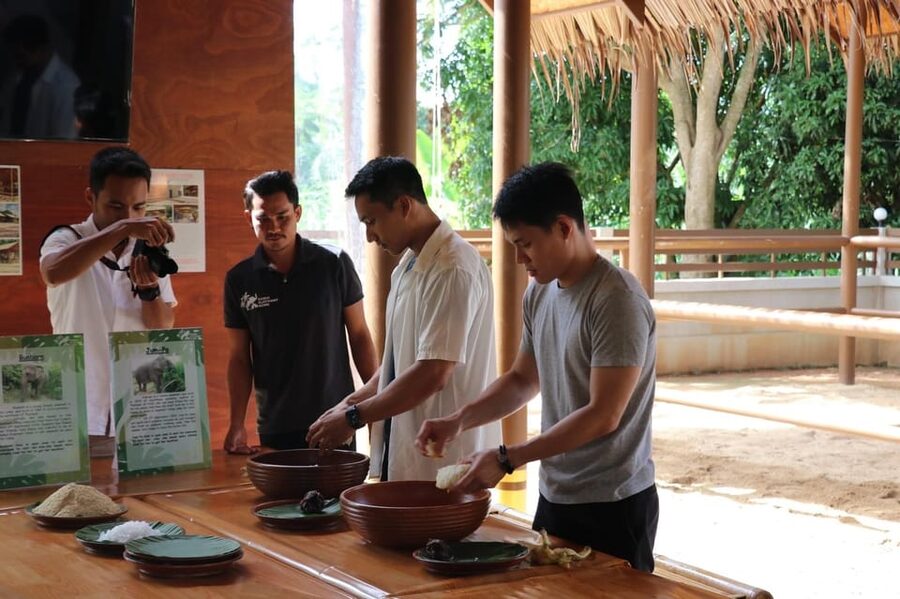
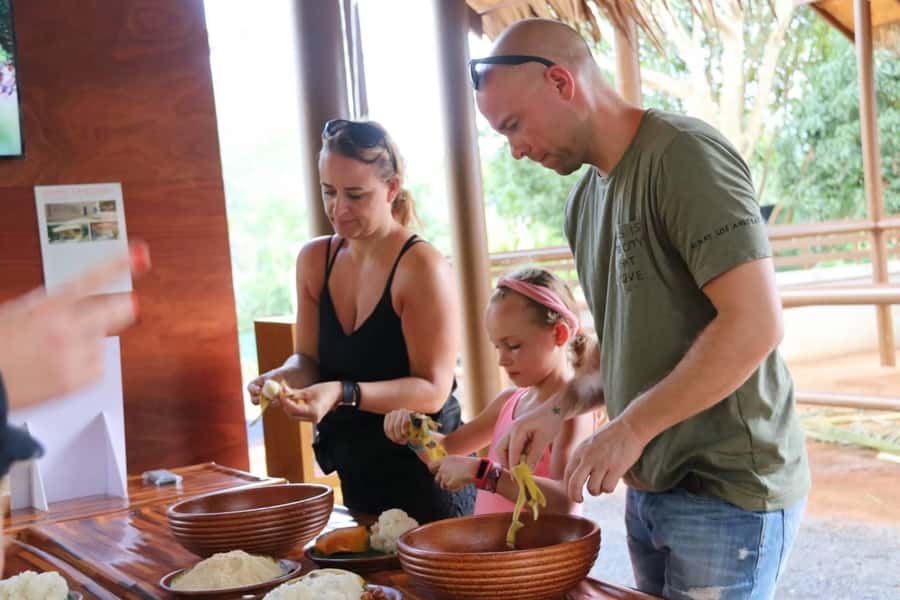
The most hands-on part of the visit is preparing supplementary food. Staff demonstrate how natural ingredients are combined, including bananas, pumpkins, sticky rice, and herbs. Some sessions include making protein balls or similar portions for the elephants.
This activity gives you something more useful than a quick bucket of fruit. You see that feeding is planned. Food has to be suitable for the animal, easy to handle, and matched to individual needs. The guide discusses how diets can vary for calves, adult elephants, and older animals.
Children can take part in the preparation, but adults should still listen carefully to staff instructions. Elephants are powerful, even when gentle, and the goal is to keep the feeding calm. The staff control the amount of food available and may provide more bananas or bamboo once the first supply is finished.
I like this part because it makes the cost of elephant care easier to understand. A sanctuary needs regular food, staff, land, transport, and medical support. One explanation given during a visit put the cost of a single elephant at about €34,000, with tourism helping finance the work. That figure is not a promise about every animal or every expense, but it shows why responsible visits matter to a rescue project.
Other sanctuaries you can visit from Ko Samui:
- Chiang Mai: Elephant Sanctuary, Waterfall & Bamboo Rafting
★ 4.9 · 9,160 reviews - Chiang Mai: Elephant Sanctuary & Waterfall Group Tour
★ 4.9 · 5,780 reviews - Chiang Mai: Elephant Sanctuary Feeding Program Half-Day Tour
★ 4.8 · 4,527 reviews - Phuket: Elephant Jungle Sanctuary Ethical Feeding Experience
★ 4.8 · 4,359 reviews
Feeding the elephants without turning them into props
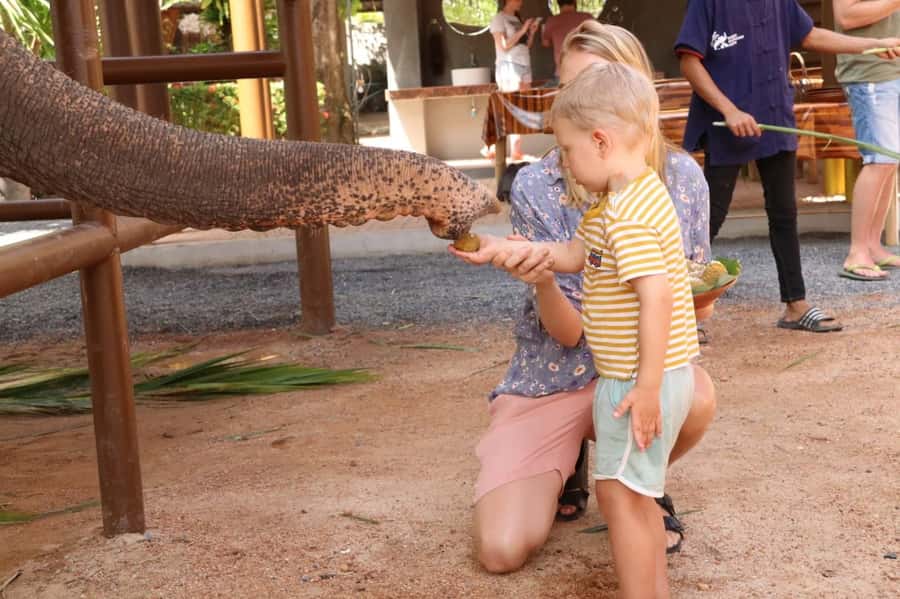
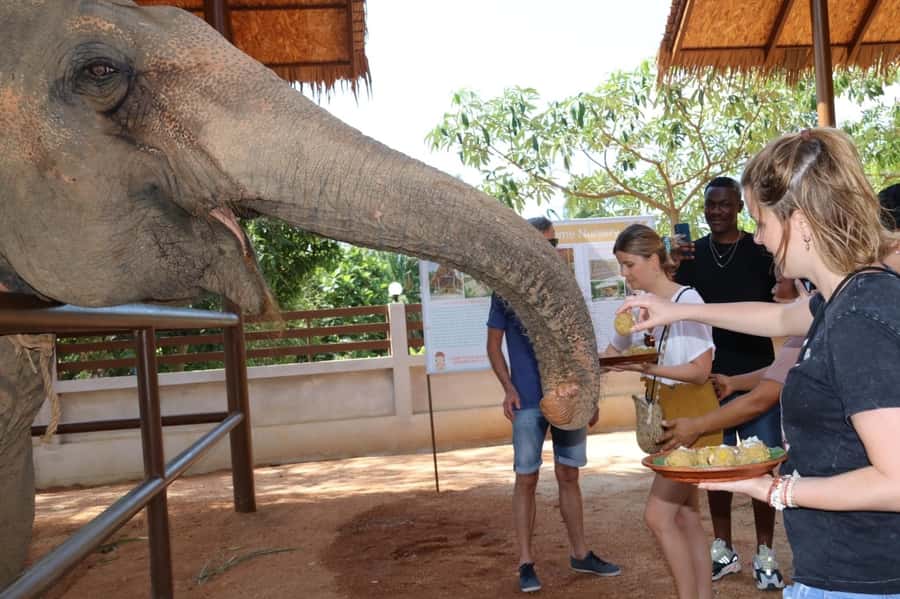
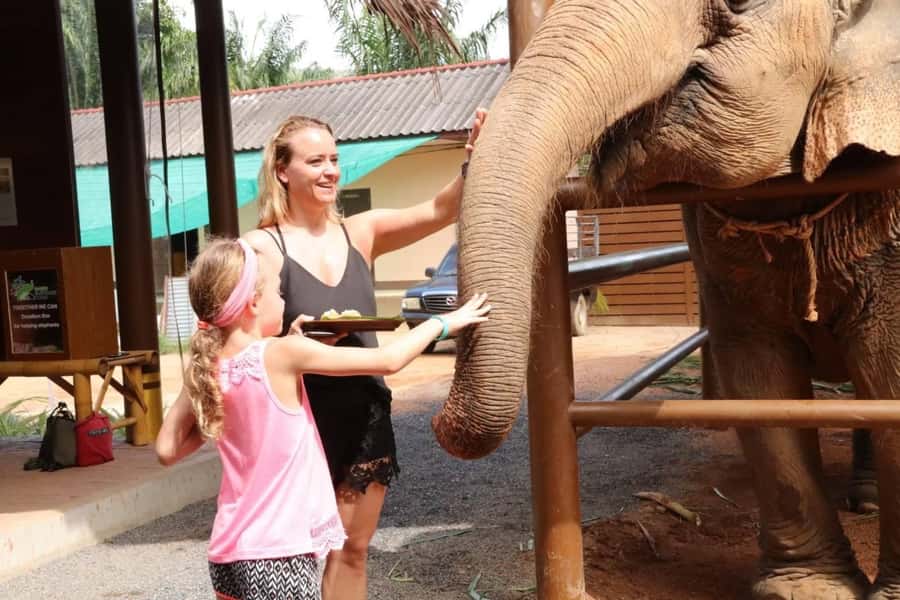
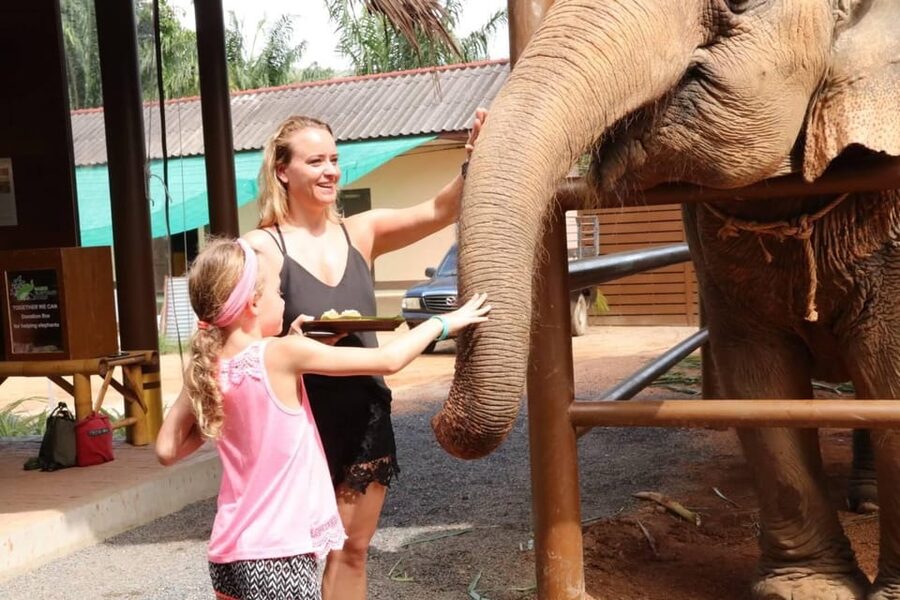
Once the food is ready, you feed the elephants under staff direction. They may reach for food with their trunks, and the moment is naturally exciting. You can take photographs and videos, but the staff encourage you to keep the animals relaxed rather than crowding them for a better shot.
This is where the activity balances access with restraint. The description emphasizes observation from a respectful distance, while several participants were also able to touch the elephants or pose close by during feeding. Conditions can vary with the individual animal, its background, and the staff’s judgment. Treat touching as a possible extra, not a guaranteed part of the booking.
A new or nervous elephant may not be touched at all while it gets used to people. That rule is a positive sign. A responsible program should not force every animal to perform the same interaction for every group.
Staff also help take photographs and videos with your phone. That is a small but practical benefit. You can pay attention to the elephant instead of trying to manage your phone, food, and camera at the same time. Still, take only the photos allowed by the guide. A good picture is never more important than the animal’s comfort.
What the ethical approach means here
The nursery presents this as an ethical elephant experience, and several details support that claim. There are no elephant rides in this program, and bathing is not part of it. Bathing is offered as a separate, higher-priced package, so you should not book this activity expecting a water encounter.
The program also avoids tricks and staged behavior. The elephants are fed, observed, and discussed. You learn about their individual pasts rather than watching them carry out a routine for applause.
That said, no short tourist visit can tell you everything about an animal facility. The program’s welfare approach is clear from the activities described, but you should still follow staff directions closely and avoid treating the encounter as a petting session. The best contribution you can make is calm behavior, limited pressure, and respect for a no-touch instruction.
Some participants describe the elephants as spending part of the day behind a fence to socialize and feed, then returning to a larger farm or jungle area. The precise routine may differ by animal and day. You should ask the guide if you want a fuller picture of how the elephants spend their time outside the visitor session.
Is $32 good value for Koh Samui?
At $32 per person, this is a fair price for a short, organized animal-care visit. Hotel transportation alone adds convenience, especially if you do not have a scooter or do not want to arrange a taxi. You also receive an English-speaking guide, insurance, food preparation, feeding, and return transport.
The strongest value is educational. If you only want a quick photograph with an elephant, you can find cheaper and less responsible-looking options. If you want to understand what elephants eat, hear rescue stories, and contribute to a welfare-focused project, this experience gives you more substance for the money.
The price does not include food or drinks, though the supplied information does not suggest that you need a meal during the two-hour outing. Bring water from your hotel if permitted and useful for your plans, especially in hot weather.
The main value limitation is duration. The full booking is two hours, but the core activity may last around an hour. That is not necessarily a problem. A shorter visit can prevent children from tiring and keeps the encounter focused. Still, if you are comparing it with a longer sanctuary program, check the schedule and what is included before paying more for transport or extra activities.
Who will enjoy this Samui elephant experience?
I would choose this for animal lovers who want a welfare-first encounter without riding or bathing. It is also a good fit for families, since children can help prepare food and watch the elephants feed while adults receive useful background information.
It suits first-time visitors to an elephant sanctuary who feel unsure about the ethics of tourism. The staff explain boundaries, and a new elephant may be kept off-limits for touching while it adjusts to people. That gives you a clearer example of animal needs than a program where every interaction is guaranteed.
The visit may also suit older adults or anyone who prefers a short outing rather than a demanding nature excursion. One family with children from ages three to nine found the length manageable, and another participant in her fifties described the chance to feed the elephants as a highlight.
I would look elsewhere if your priority is hiking across a large property, watching elephants forage for hours, or seeing them in a fully wild setting. The available details point to a nursery visit with feeding stations, pens, staff explanations, and some access to the wider farm. It is educational and personal, but it is not a wilderness safari.
Practical details that make the visit smoother
Bring your passport or ID card, as requested by the operator. Wear clothing and shoes that can handle food preparation and outdoor conditions. The supplied information does not set a dress code, so light, comfortable clothing is the sensible choice.
Keep your camera or phone ready, but do not let it control the visit. Staff may take photos and videos for you, which makes it easier to watch the elephants properly.
The activity is wheelchair accessible. English is the tour language, and the guide provides the explanations in English. Pickup is included around Koh Samui, but you should confirm that your hotel is covered when booking and wait in the lobby before the scheduled collection time.
Free cancellation is available up to 24 hours in advance for a full refund. You can also reserve now and pay later, which helps if your island plans may change.
Should you book it?
I would book Samui Elephant Home if you want a short, thoughtful elephant encounter built around food, rescue stories, and care rather than rides or bathing. The guide, especially Noi, appears to shape the experience, and the combination of personal stories with food preparation gives the visit more meaning than a quick feeding stop.
Book it with realistic expectations. The nursery portion may be about an hour, contact with the elephants depends on staff judgment, and you may spend much of the visit in a managed feeding area rather than walking through open countryside. For $32, with transport included, that is a reasonable trade for a family-friendly introduction to responsible elephant care.
FAQ
How long does the Samui Elephant Nutrition and Care Education Experience last?
The booking duration is two hours, including pickup and return transport. The nursery program itself may last about one hour, depending on the day and schedule.
What is included in the price?
The price includes hotel pickup and drop-off, an English-speaking guide, insurance, the educational visit, food preparation, and elephant feeding under staff supervision.
Is hotel pickup available?
Yes. Pickup and drop-off are included around Koh Samui. The operator sends the pickup time after booking and asks you to wait in your hotel lobby about 15 minutes before collection.
What food will I help prepare?
The food demonstration can include bananas, pumpkin, sticky rice, herbs, and other natural ingredients. Some sessions include making protein balls or similar supplementary food.
Can I ride or bathe the elephants?
No riding is part of this program, and bathing is not included. The experience focuses on nutrition, feeding, observation, and education.
Can I touch the elephants?
Touching is not guaranteed. Staff decide what is suitable for each elephant. A new or nervous elephant may not be touched while it becomes comfortable around people.
Is the activity suitable for children?
Yes. Children can take part in preparing food and watching or helping with feeding, while adults receive information about elephant care and rescue. The program is also wheelchair accessible.
What should I bring?
Bring your passport or ID card. Comfortable clothing, suitable footwear, and a phone or camera are useful for the outdoor visit. Food and drinks are not included.
Just added in Ko Samui
- Koh Samui: Zipline Experience of Lamai Viewpoint★ 4.1 · 31 reviews
- Samui:Elephant Jungle experience & The First Elephant Museum★ 4.9 · 226 reviews
- Koh Samui: Half-Day Highlights Tour with Hotel Transfers★ 4.3 · 245 reviews
- Koh Samui: Half Day City Tour with Hotel Pickup★ 4.6 · 288 reviews
- Koh Samui: International Stadium Muay Thai Match Ticket★ 4.5 · 333 reviews
- Koh Samui: Half Day Around Island Tour with Transfers★ 4.6 · 320 reviews
- Koh Samui: Travstore Original Koh Samui Discovery Tour★ 4.1 · 408 reviews
- Koh Samui: 4×4 Off Road Island Safari Tour Including Lunch★ 4.5 · 903 reviews
Elephant Sanctuary Visits, compared.

Chiang Mai: Elephant Sanctuary, Waterfall & Bamboo Rafting
Read our review →
Chiang Mai: Elephant Sanctuary & Waterfall Group Tour
Read our review →
Chiang Mai: Elephant Sanctuary Feeding Program Half-Day Tour
Read our review →
Phuket: Elephant Jungle Sanctuary Ethical Feeding Experience
Read our review →
Chiang Mai: Elephant Sanctuary, Long Neck & Sticky Waterfall
Read our review →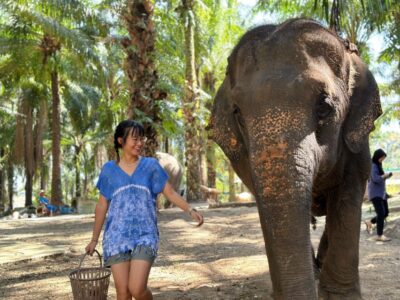
Krabi: Elephant Bathing Session at Krabi Elephant Shelter
Read our review →
Phuket: Elephant Sanctuary Guided Tour with Hotel Transfers
Read our review →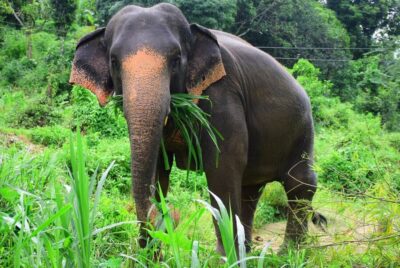
From Chiang Mai: Elephant Care Program and Nursery Tour
Read our review →Browse the lists this tour appears in