
Reviewed · ELEPHANT SANCTUARY VISITS
Chiang Mai: Elephant Sanctuary Feeding Program Half-Day Tour
The best part of this Chiang Mai elephant sanctuary tour is the close contact without elephant riding. You feed the animals sugarcane, bananas, and Napier grass, then watch their behavior in a forest setting where they can choose how they spend their time.
I like the practical animal-care angle, especially preparing herbal treats for older elephants. I also like the river visit, but you should know that bathing is not guaranteed. The elephants decide, and weather or animal behavior can change the plan.
Key points to know before booking
- Four hands-on stops: Feed elephants, prepare special food, walk with them, and finish near the river.
- No riding: The program focuses on feeding, watching, and optional bathing.
- About 1.5 hours from Chiang Mai: The drive passes hills, farms, and forest south of Mae Wang.
- Small-group feel: Some visitors joined groups of about seven people, though group size can vary.
- Good value at $27: The price includes the sanctuary program, guide, fruit, water, insurance, and hotel transport if selected.
- Bring dry clothes: The river stop can mean a full soaking, and towels are not included.
Why the elephant contact feels different
Pon Elephant Thailand puts you close to the elephants, but the contact is built around food, observation, and routine care. You do not simply pose beside a chained animal for a quick photograph. You learn how the elephants behave, what they eat, and how the mahouts and local families care for them.
The briefing covers the elephants’ habitat, habits, history, and safe behavior around large animals. That matters. An elephant may look calm, but it is still a powerful animal with its own boundaries. The guides explain how to approach, feed, and stand near them without turning the visit into a noisy free-for-all.
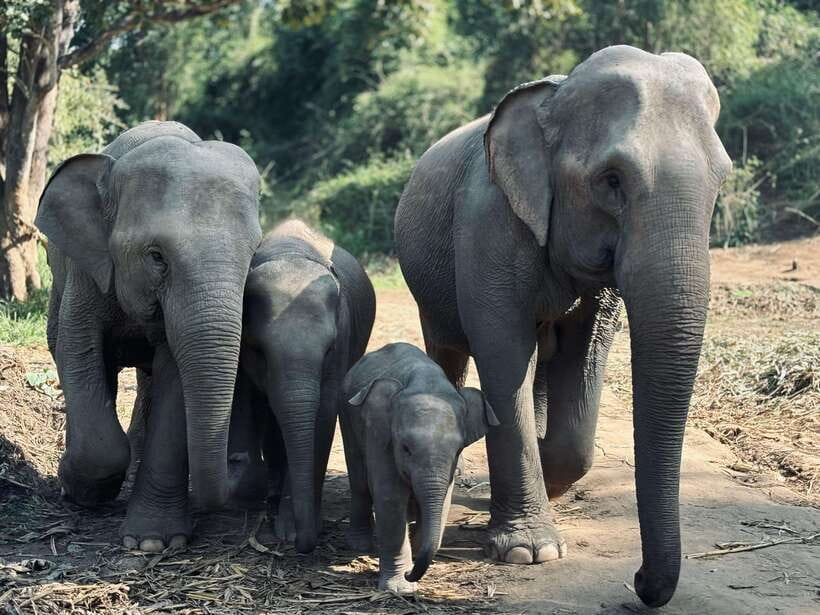
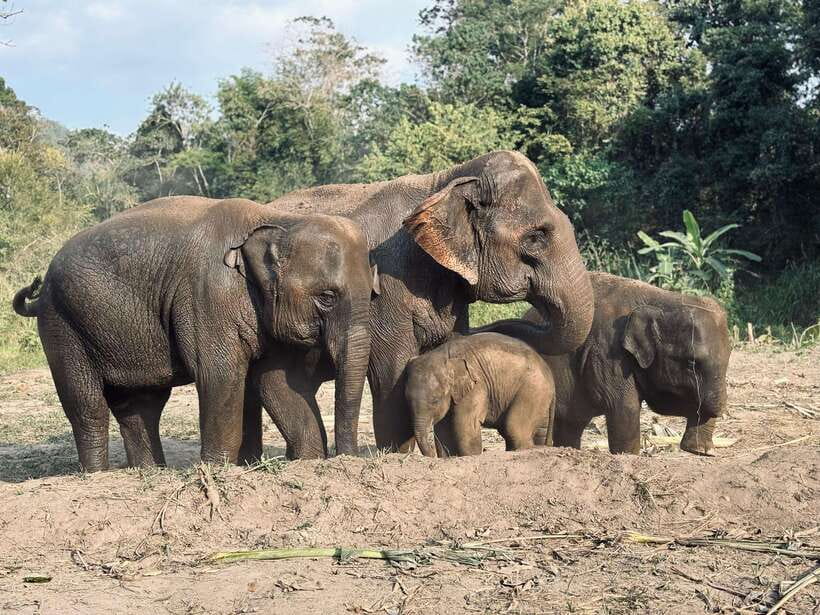
The setting also helps. The sanctuary lies south of Mae Wang, beyond the city, with forest, hills, and local farms along the route. The elephants have a large area to roam, described as more than 60 acres, and you may see different personalities and ages together. One group included a mother with three daughters, while another mentioned elephants ranging from one year old to 74.
That variety gives the visit more meaning than a standard animal photo stop. You see a family group, older elephants needing special food, and rescued animals with different backgrounds. The sanctuary also has a rescued bull, which adds another piece to the story of elephant care in Thailand.
More Elephant Sanctuaries in Chiang Mai
- Chiang Mai: Elephant Sanctuary, Waterfall & Bamboo Rafting
★ 4.9 · 9,160 reviews - Chiang Mai: Elephant Sanctuary & Waterfall Group Tour
★ 4.9 · 5,780 reviews - Chiang Mai: Elephant Sanctuary, Long Neck & Sticky Waterfall
★ 4.9 · 2,262 reviews
The drive south from Chiang Mai
The total visit lasts about five hours, or 330 minutes. The transfer takes a significant part of that time. The trip south toward Mae Wang is about 1.5 hours in each direction for some pickup routes, though the exact timing depends on where you stay and the day’s schedule.
I would not treat the drive as wasted time. The route moves away from Chiang Mai’s urban center and through hills, farms, and forest. Guides may share basic information about Thailand along the way, giving you some context before you arrive.
Pickup is optional. If you select it, wait in your hotel lobby five to ten minutes before the scheduled time. Drivers wait no longer than five minutes after pickup time, so this is not a good morning for a slow breakfast or a last-minute packing session.
Transport received a strong 87 percent perfect rating, and the vans were described as clean, spacious, and comfortable. Still, one useful criticism remains: the approximate travel time was not always clear. Ask about the route and return timing if you have a flight, train, or fixed afternoon plan.
One visitor with a 3 p.m. flight used the half-day format and was taken directly to the airport afterward. That kind of help may be possible, but you should arrange it in advance rather than count on it.
Meeting the sanctuary team
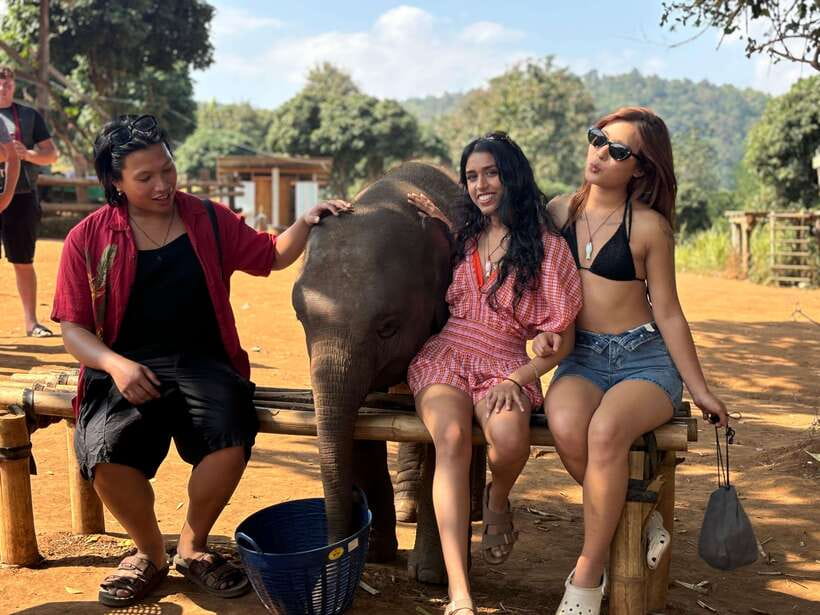
On arrival, you meet the team and receive a safety briefing. The people leading the stops may not always be one single guide for the whole day. One visitor described four stations, each with its own presenter, while others praised individual guides including Pat, Toto, Jackie, Pan, Tuto, King Kong, Saki, Oom, and Mr. Hod.
The exact guide depends on the date and group. What matters is that the program is built around several short teaching points rather than one long lecture. The style appears relaxed and often humorous, but the core information is practical: how elephants live, how they sleep, what they eat, and how people should behave around them.
English and Thai are available. Several guides were praised for making explanations easy to follow, even for people who were not fully fluent in English. If you care about animal welfare, listen closely at this stage. The briefing is where you learn what the sanctuary allows and why certain interactions are limited.
Feeding sugarcane, bananas, and Napier grass
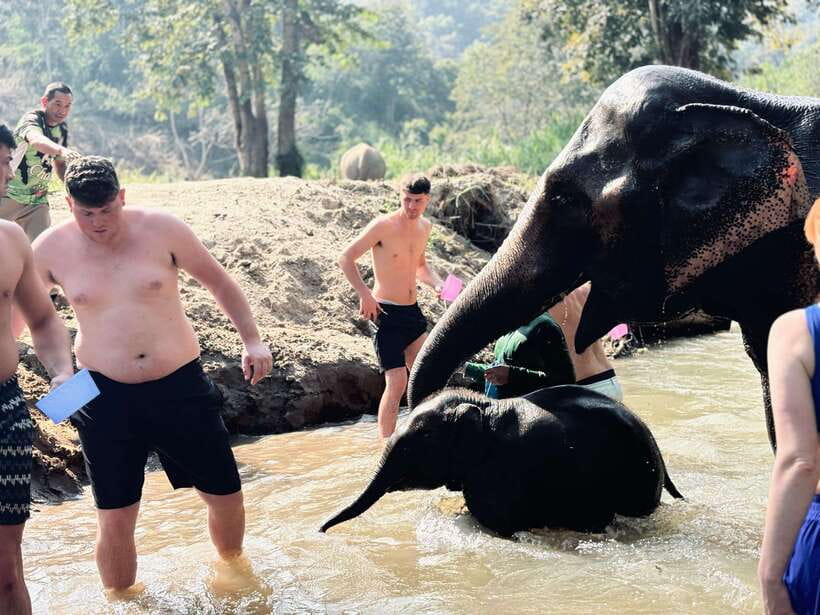
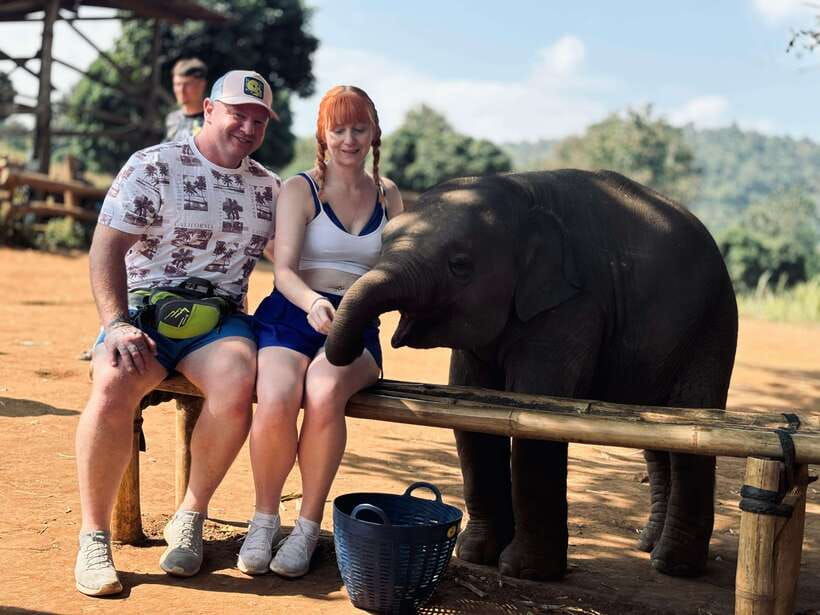
Feeding is the most reliable close-up activity. You receive fruit for the elephants and get to offer bananas, sugarcane, and Napier grass at several points during the visit.
This is not just a chance to put food into a trunk and take a photo. You can watch how different elephants take food, how they use their trunks, and how the handlers identify individual personalities. The direct contact is exciting, but the best moments often come when you pause and watch instead of constantly reaching out.
The animals may walk toward you, wait for food, or move away. That choice is important. The program says that the elephants are not forced to take part in activities, and the visit is adjusted around their behavior.
You may also help prepare herbal or vitamin treats, including food for an elderly elephant. This gives you a better sense of daily care. An elephant’s diet is not only a pile of bananas. Older animals may need different food, and the preparation work shows the less glamorous side of keeping them healthy.
For families, feeding is usually the easiest part for children to understand. The staff have been praised for helping children and for making time for them. Even so, children need close adult supervision around animals this large.
Other sanctuaries you can visit from Chiang Mai:
- From Chiang Mai: Elephant Care Program and Nursery Tour
★ 4.8 · 1,899 reviews - 3-in-1: Doi Inthanon Tour, Elephant Sanctuary, and Trekking Trail
★ 5.0 · 1,087 reviews - Chiang Mai Elephant Sanctuary, Bamboo Rafting and Waterfall Tour
★ 5.0 · 870 reviews - From Chiang Mai: Kerchor Eco Elephant Park Tour
★ 4.7 · 704 reviews
Walking between the four stations
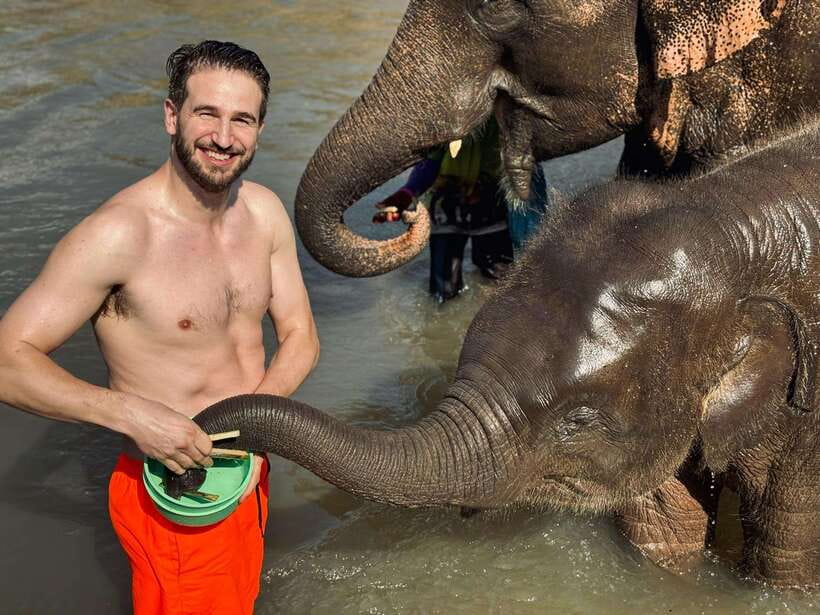
The sanctuary experience includes a nature walk with rangers and movement between several activity areas. You may cross a wobbly bridge, which one visitor found a little nerve-racking but safe, and walk through uneven outdoor ground.
The walking is not extreme, but it is worth taking seriously. One person found the half-day tour longer than expected because of the amount of walking. The program is not suitable for people with mobility impairments, wheelchair users, recent surgery, serious back problems, epilepsy, or a low level of fitness.
Wear comfortable clothing and shoes that can get dirty. Insect repellent is useful, and biodegradable products are requested for sunscreen and repellent. Bring cash, a charged phone, and a camera, but keep your belongings secure around water and animals.
The forest setting is part of the appeal, but it also means heat, insects, mud, and uneven paths. You are not visiting a polished indoor attraction. That is a fair trade for a more natural setting, but it may not suit anyone expecting a fully accessible or climate-controlled outing.
The river, bathing, and the chance of getting soaked
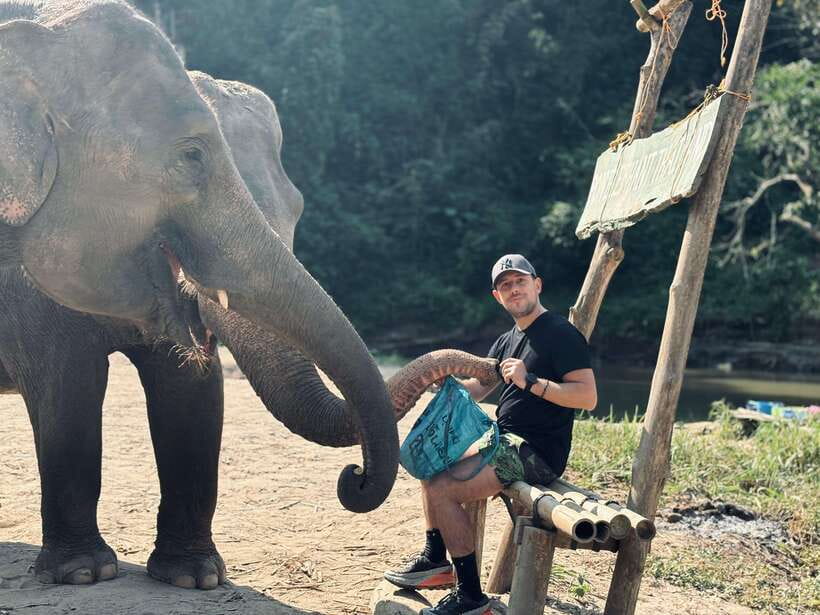
The river portion is often the most playful part of the day. You may follow the elephants to the water, help wash them, and splash around with them. A water fight can break out, and you should expect to get wet if the elephants enter the river and the group joins in.
Bring beachwear or clothes that dry easily, plus a full change of clothes. Towels are not included. Pack your dry clothes where they will not be soaked before you need them.
There is an important condition here: the elephants choose whether to bathe. The staff do not force them into the river or make them perform on command. If an elephant prefers to stay out of the water, the bathing portion may change or be shortened.
That uncertainty is a good sign from an animal-care point of view, but it is also a practical drawback. If your main reason for booking is to bathe an elephant, you need to accept that it may not happen. You are paying for time with the animals and the care program, not a guaranteed water show.
Is this an ethical elephant experience?
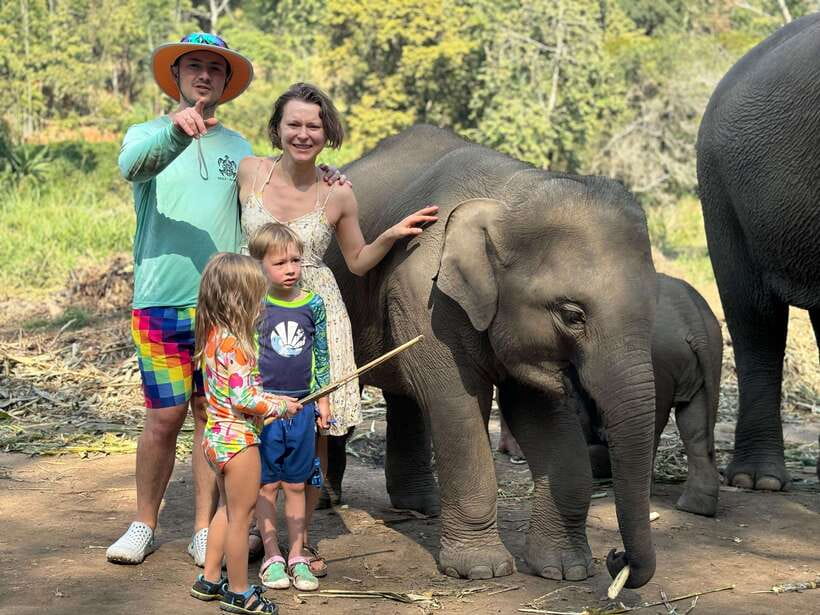
No short visit can answer every question about a sanctuary’s full operation, but the practices described here are important. There is no riding, the elephants are not forced to bathe, and the activities are meant to follow the animals’ choices. The elephants are presented as individuals, with attention given to age, diet, family groups, and past rescue.
The sanctuary works with local hill communities and supports village involvement. The stated aim is to help protect the community forest for the long term, linking elephant care with local livelihoods.
I would still pay attention during your visit. Watch how handlers position people, whether elephants can move away, and whether the atmosphere remains calm. The strongest part of this program is not simply standing close to an elephant. It is seeing whether the animal has room to say no.
The no-riding policy is clear and useful. If you see an online elephant activity offering riding, tricks, or forced bathing elsewhere, this program provides a gentler alternative. It does not remove every ethical question connected with keeping elephants near people, but its stated rules point in the right direction.
What the $27 price includes
At $27 per person, this is a strong-value outing if you want an active elephant experience without paying for a full-day program. The price includes the sanctuary activities, an English-speaking guide, insurance, fruit for the elephants, and drinking water.
Hotel pickup and drop-off are included only if you choose that option. A lower-cost option without transfer may be available. One person paid 800 baht without transport, so check the exact booking choice and meeting point before comparing prices.
The value comes from the amount of direct contact packed into five hours. You are not limited to a single photo stop. You feed elephants at several points, prepare food, walk through the forest, hear about their care, and may visit the river.
The price does not include towels, dry clothing, or personal snacks beyond the provided water. You also need to allow for the long transfer. If you have only a morning free, the half-day format works well. If you dislike road time, the distance south of Chiang Mai may feel like the main cost.
Who should book this half-day tour?
I would recommend it to first-time visitors who want to meet elephants without riding them. It suits couples, families with children, and people who prefer a small, personal program over a large attraction.
It is also useful if your Chiang Mai schedule is tight. Several hours is enough to feed the elephants, learn about them, and enjoy the river without giving up a full day. The half-day format may work well before an afternoon flight, but confirm timing with the operator.
You should think twice if you have back problems, limited mobility, epilepsy, animal allergies, insect allergies, visual impairment, or a recent operation. The program is outdoors, involves walking, and takes place around very large animals.
It is also not a good fit for anyone wanting a guaranteed bathing session. The elephants remain in charge of that part of the day. Bad weather or other force majeure events can change the itinerary as well.
Smart packing for a muddy, wet morning
Bring clothes that can get dirty and wet. Beachwear works for the river, while a loose, comfortable outfit is better for walking and feeding.
Pack:
- A complete change of clothes
- A camera or charged smartphone
- Biodegradable sunscreen
- Biodegradable insect repellent
- Cash
- Comfortable shoes
- A passport or accepted copy if required for the booking
- A towel, since one is not provided
Do not bring alcohol, drugs, weapons, sharp objects, fireworks, explosives, or anything used to make a fire. Fishing, littering, animal feeding outside the program, skateboards, skates, and riding the elephants are also prohibited.
Should you book Pon Elephant Thailand?
Book this tour if you want close contact built around feeding and care, not riding or staged tricks. The guides, especially names such as Pat, Toto, Jackie, and Pan, are a major part of the experience, and the four-station format gives you plenty to do during a relatively short visit.
The main trade-offs are the long drive, outdoor walking, uncertain river bathing, and lack of included towels. At $27, though, the combination of transport options, food preparation, several feeding stops, and possible river time offers good value.
I would choose it for a half-day Chiang Mai plan, especially if you can accept that the elephants set the pace. If you need guaranteed activities, easy access, or a dry afternoon, choose another outing. If you want a respectful introduction to elephant care with a real chance to get wet, this is a sensible choice.
FAQ
How long does the elephant sanctuary tour last?
The tour lasts five hours, listed as 330 minutes. Travel time to and from the sanctuary is part of the overall schedule.
How far is the sanctuary from Chiang Mai?
Pon Elephant Thailand is south of Mae Wang, Chiang Mai Province. The drive can take about 1.5 hours through hills, farms, and forest, depending on your pickup location and route.
Is hotel pickup included?
Hotel pickup and drop-off are included only when you select the transport option. If you book without transport, the meeting point may vary.
What languages are available?
The live tour is available in English and Thai.
Can I ride the elephants?
No. Riding the elephants is not allowed.
Is bathing the elephants guaranteed?
No. The elephants choose whether to enter the river and bathe. The activity may change if they do not want to participate or if weather affects the plan.
What food can I give the elephants?
You can feed them fruit, including bananas, as well as sugarcane and Napier grass. The program also includes preparing herbal or vitamin treats.
Do I need to bring a towel?
Yes. Towels are not included. Bring one along with a complete change of clothes because the river activity can leave you soaked.
Is the tour suitable for people with limited mobility?
No. The activity is not suitable for wheelchair users or people with mobility impairments. It also involves walking on outdoor paths and is not recommended for people with back problems, recent surgeries, or a low level of fitness.
Can I cancel the booking?
You can cancel up to 24 hours in advance for a full refund. A reserve-now-and-pay-later option is also available.
Just added in Chiang Mai
- Meditation Retreat and Self-Care in Nature★ 5.0 · 46 reviews
- Chiang Mai: Evening Chanting & Meditation★ 4.5 · 69 reviews
- 1 Hour Deep Tissue Thai Massage with Balm – Free Transportation★ 5.0 · 64 reviews
- Whitewater Rafting Adventure★ 5.0 · 205 reviews
- 8 hour Sticky waterfall, ATV and White water rafting Adventures★ 5.0 · 308 reviews
- Chiang Mai: Art in Paradise Illusion Museum Entry Ticket★ 4.4 · 82 reviews
- Doi inthanon National Park + 2Hour Fantastic Trekking with Lunch★ 4.5 · 233 reviews
- Top Pick – Full or Half Day @Elephant in Wild Sanctuary ChiangMai★ 4.5 · 229 reviews
Elephant Sanctuary Visits, compared.
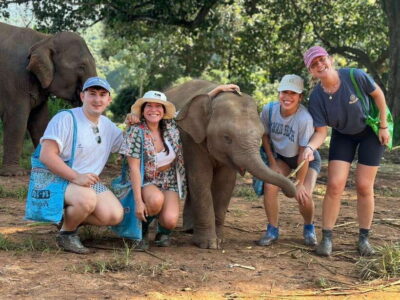
Chiang Mai: Elephant Sanctuary, Waterfall & Bamboo Rafting
Read our review →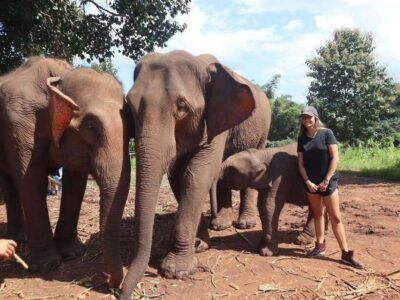
Chiang Mai: Elephant Sanctuary & Waterfall Group Tour
Read our review →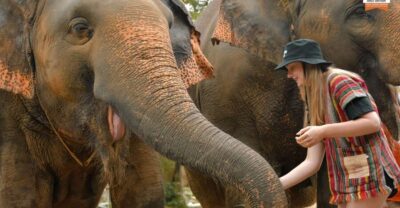
Phuket: Elephant Jungle Sanctuary Ethical Feeding Experience
Read our review →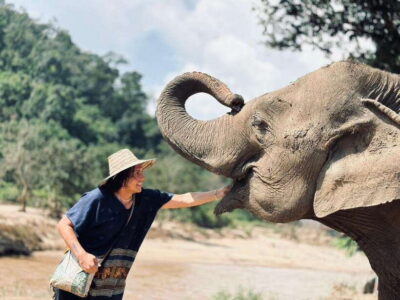
Chiang Mai: Elephant Sanctuary, Long Neck & Sticky Waterfall
Read our review →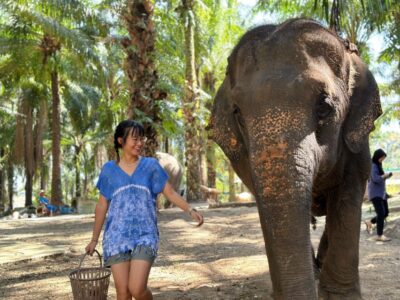
Krabi: Elephant Bathing Session at Krabi Elephant Shelter
Read our review →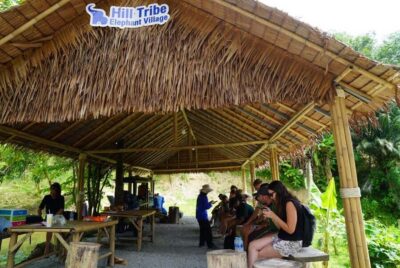
Phuket: Elephant Sanctuary Guided Tour with Hotel Transfers
Read our review →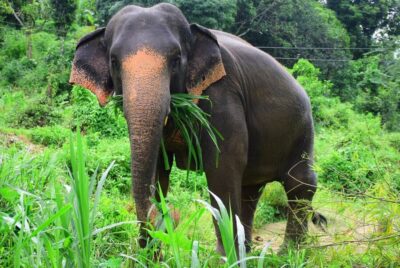
From Chiang Mai: Elephant Care Program and Nursery Tour
Read our review →
A Morning with the Elephants at Phuket Elephant Sanctuary
Read our review →Browse the lists this tour appears in