
Reviewed · THAI COOKING CLASSES
Tomyumthai Cooking Class in Chiang Mai
The best part of this Chiang Mai cooking class starts before you reach the stove. Chef-instructor Oun takes you through a local market, explains Thai vegetables and spices, and helps gather the ingredients you will later cook in a home-style kitchen. I like the market-to-meal format and the chance to choose your own dishes rather than follow one fixed menu.
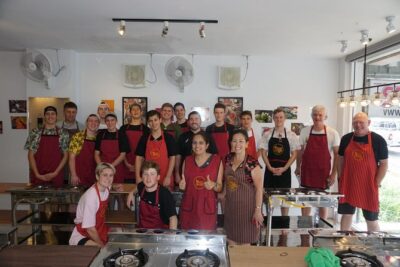
I also like the small groups, capped at 10 people, and the friendly teaching style described by guests who cooked with Oun and Gae. You get hands-on help, eat each dish as you finish it, and take home recipes. One thing to consider: you will eat a lot, so arrive hungry, and plan for roughly five hours from pickup to return.
Key points at a glance
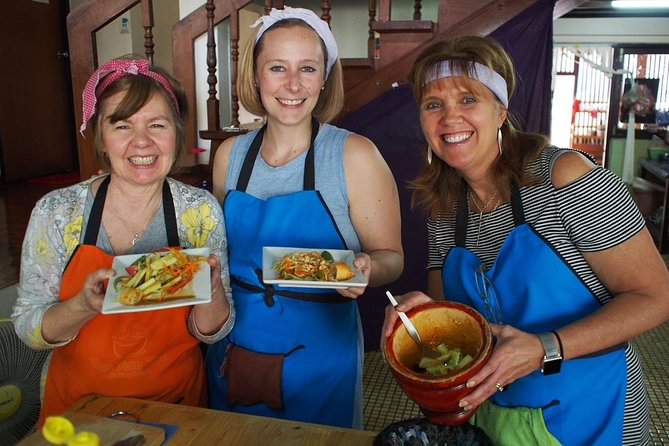
- A local market comes first: Learn about Thai produce, herbs, spices, and snacks before cooking.
- Choose six dishes: You can select what you want to prepare, with options to adjust ingredients to your taste.
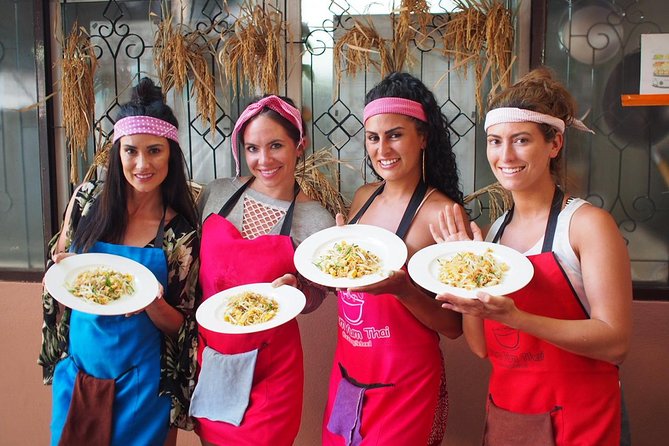
- Cook and eat course by course: Each dish is prepared, served, and eaten before you move on.
- Oun and Gae lead the class: Expect clear instruction, humor, and patient help with each step.
- Small groups keep it personal: The maximum of 10 participants allows more help at the stove.
- Useful extras are included: Hotel pickup within Chiang Mai Old City, equipment, drinks, a recipe book, and access to online photos.
From Chiang Mai hotel pickup to the local market
The class includes pickup and return to hotels within Chiang Mai Old City, which makes the morning or afternoon choice easy. If your hotel is more than 3 kilometers, or about 2 miles, from downtown Chiang Mai, pickup and drop-off are not included. In that case, you need to reach the meeting point at Tom Yum Thai Cooking School at 1, Soi 12, Tambon Chang Khlan.
The air-conditioned vehicle is a welcome touch in Chiang Mai. You do not need to arrange your own ride within the covered pickup area, and the activity ends back at the meeting point. The class is also near public transportation, so reaching the school is possible if you are staying outside the pickup zone.
The market visit gives the cooking lesson a useful beginning. Instead of meeting a prepared tray of ingredients, you see what Thai cooks actually buy and use. Oun explains local fruits, vegetables, herbs, and spices, then helps collect what the group needs for the dishes.
You should have time to look around the market on your own, too. That matters because the market is not only a shopping stop. It lets you notice prepared foods, fresh produce, unfamiliar ingredients, and the everyday setting behind the recipes you will cook later.
Some people find the market more interesting than expected, especially if this is their first close look at Thai produce. You may also be tempted by food being cooked there, so remember that the class includes a large meal later. A small snack is fine, but a full breakfast or lunch is not a wise plan.
More Cooking Classes in Chiang Mai
- Half-Day Thai Cooking Class at Organic Farm in Chiang Mai
★ 5.0 · 19,087 reviews - Chiang Mai: Cooking Class, Market & Thai Herbs Garden Tour
★ 4.9 · 4,824 reviews - Chiang Mai: Authentic Cooking Class with Market & Farm Visit
★ 4.9 · 4,546 reviews
Choosing six dishes instead of watching a fixed demonstration
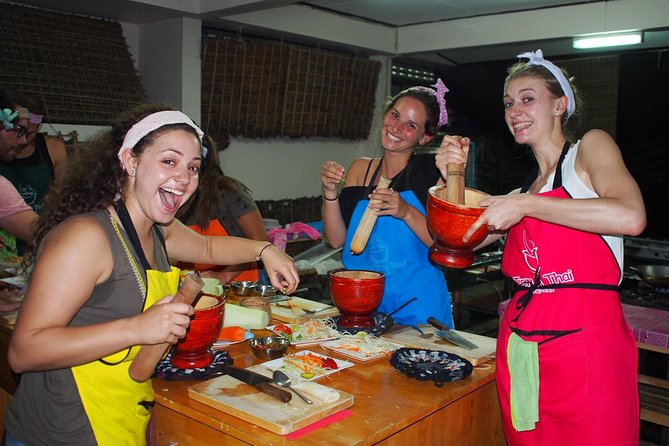
After the market, you return to the cooking school kitchen, described in several accounts as a home-style setting. You receive cooking equipment, drinking water, and coffee or tea. The instruction is hands-on, with the chef showing each stage and helping you work through it.
The central choice is the menu. You can choose six dishes from the available options, which gives couples and families more freedom than a class where everyone cooks exactly the same meal. You might select different dishes from a companion and share everything afterward.
The exact menu options are not provided in the tour details, so you should check the available choices when booking or at the start of class. The supplied information does confirm that the class covers six dishes and that you can adjust some ingredients to suit your preferences.
That flexibility is useful for mixed groups. If you prefer chicken to pork, or want to replace an ingredient such as capsicum, the instructors have been willing to make those changes when possible. Still, you should explain dietary needs before cooking begins. Do not assume every substitution can be made.
The instruction is designed for beginners. Oun is described as patient, funny, and clear, while Gae also helps with teaching and hosting. You do not need strong cooking skills to take part. The point is to learn by chopping, stirring, seasoning, and tasting under guidance.
Cooking one dish, then eating it right away
The rhythm of the class is one of its best features. You do not cook six dishes at once and then face a crowded table of food. Instead, you prepare one course, eat it, and then move to the next.
This makes the lesson easier to follow. You can taste the finished dish while the cooking steps are still fresh in your mind. If a soup needs more seasoning or a curry tastes different from what you expected, you can ask about it right away.
It also means you should arrive very hungry. Portions are generous, and six dishes can add up quickly. Some classes also include dessert, such as mango with sticky rice, though the exact dessert is not listed as a fixed part of the program. Think of the meal as a long series of small cooking sessions rather than one single lunch or dinner.
The pace is active but not meant to feel like a professional kitchen. You will have time to cook and chat, with support from the instructors. Families with children aged 10 and 11 have taken part successfully, and the patient approach makes this a reasonable choice for older children who can follow kitchen instructions.
You will also remove your shoes before entering the home and kitchen setting. Wear comfortable socks if you would rather not go barefoot. This is a small practical detail, but it is easy to forget when leaving your hotel.
Why the market visit adds value
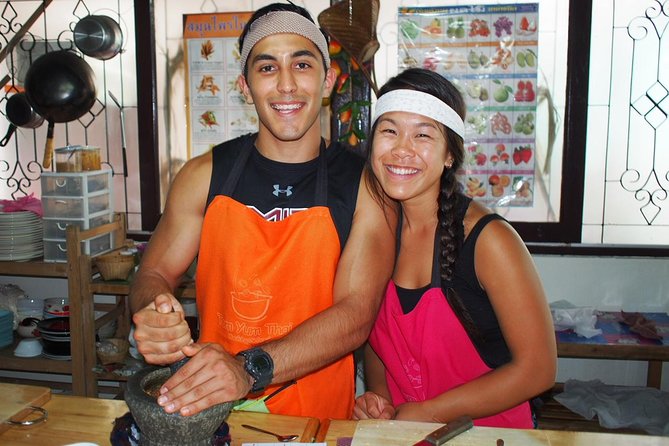
A Thai cooking class can be useful even without a market visit, but seeing the ingredients first gives the recipes more meaning. You learn what the raw products look like, how they are arranged for sale, and which items are common in Thai food.
That context helps later when you shop at home. A recipe book is included, but a written recipe alone may not tell you what a particular herb looks like or which local substitute is practical. The market walk gives you a visual reference.
The instructors also explain how Thai cooking can change to suit personal taste. You can ask about ingredient swaps, seasoning, and ways to make a dish work with what you find outside Thailand. The class is not simply a demonstration of restaurant food. It is a chance to learn a home-style approach that you can try again.
There is a trade-off. The market portion is guided, but it is not a full market tour with extensive cultural commentary at every stall. Its main job is to gather ingredients and introduce you to Thai produce. If you want a long food history lesson, this may feel brief. If you want to understand what goes into your lunch, it works well.
Other kitchens to cook in around Chiang Mai:
- Thai and Akha Cooking Class in Chiang Mai
★ 5.0 · 4,358 reviews - Chiang Mai: Cooking Class with Market and Pickup
★ 4.9 · 1,365 reviews - Chiang Mai: Cooking Class with Organic Farm at Mama Noi
★ 4.9 · 1,151 reviews - Full Day Thai Cooking at Farm (Chiang Mai)
★ 5.0 · 1,127 reviews
A friendly class with room for questions
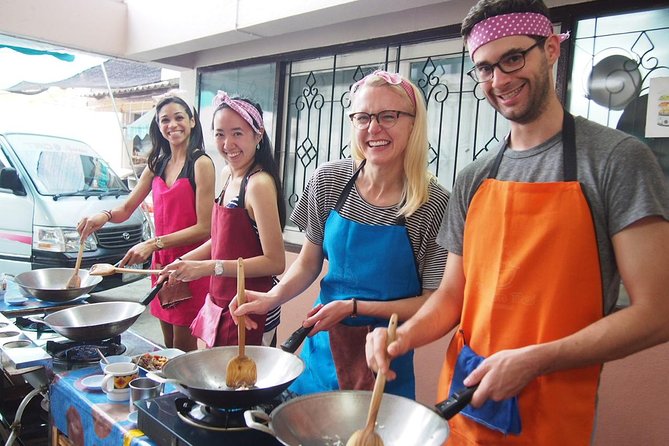
The maximum group size is 10. That is large enough to create a social class but small enough for the instructor to move around and help. You are not left watching from the back of a crowd.
The strongest feature is the teaching manner. Oun is repeatedly described as cheerful, humorous, and patient, with good English for explaining ingredients and cooking steps. Gae is also named as an instructor and host. Their style makes the session feel relaxed rather than formal.
That atmosphere matters if you are nervous about cooking. You can ask basic questions without feeling out of place, and the instructors can help if your chopping or seasoning needs correction. The humor also keeps the class moving during practical tasks such as preparing several dishes.
The setting may feel more like cooking in a family home than attending a polished culinary school. That is part of the appeal for you if you want a personal Thai food experience. It may be less appealing if you prefer a highly structured professional kitchen with individual workstations and a formal chef uniform.
What is included for the $32.61 price
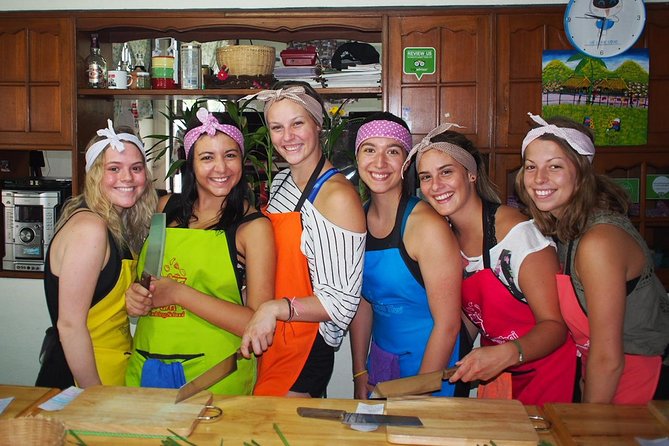
At $32.61 per person, the value is strong for a roughly five-hour activity. The price covers transport within the stated Chiang Mai Old City area, the market visit, instruction, cooking equipment, the meal you prepare, drinking water, coffee or tea, an English guide, the recipe book, and access to an online photo gallery.
The meal alone is not the only value. You are paying for ingredients, transport, instruction, and the chance to prepare several dishes rather than simply eat them. The recipe book and online photos extend the experience beyond the afternoon or morning itself.
The price is especially reasonable for couples and families who want an activity that fills a good part of the day. It is also practical for people who want a skill they can use after returning home. You can compare it with a standard restaurant meal, but that misses the point. This is both a meal and a lesson.
The price does not include alcoholic drinks. It also does not cover transport for hotels more than 3 kilometers from central Chiang Mai. Check your hotel location before booking so the pickup promise matches your plans.
Morning or afternoon: choosing the right session
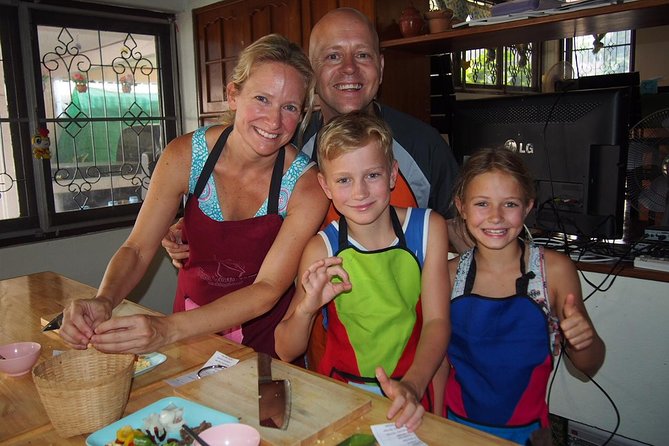
You can choose a morning or afternoon class. The best option depends on your appetite and daily schedule.
A morning session lets you visit the market earlier and cook lunch. It may suit you if you want the rest of the day free for temples, museums, or a walk around Chiang Mai. Eat lightly beforehand because the class meal comes after the market visit and continues dish by dish.
An afternoon session works well if you prefer a later start and want to cook dinner. It gives you time for other plans in the morning, but the food will arrive over the course of the afternoon or into the evening. Again, do not eat a large meal before you go.
The tour is advertised at about five hours. Some accounts describe the cooking portion as around three hours, with the full experience taking longer once pickup, transport, and the market visit are included. Keep a generous block of time open rather than scheduling a tight appointment afterward.
What to bring and what to expect
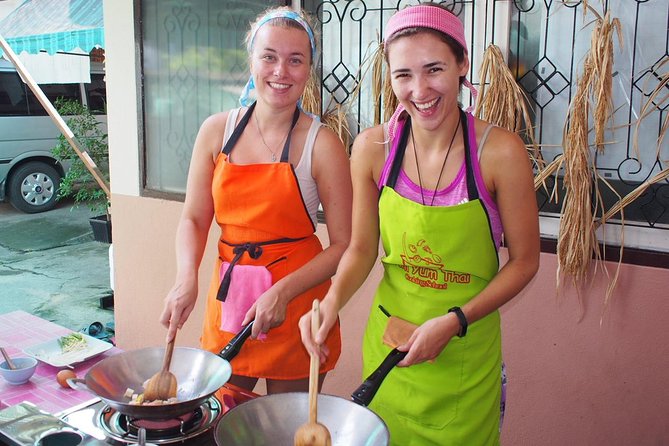
You do not need to bring cooking equipment. It is supplied, along with drinks and the meal. Bring a phone or camera if you want your own photos, although access to an online photo gallery is included.
Wear clothes you can cook comfortably in. Thai food preparation can involve chopping, stirring, and working near heat, so practical clothing is better than anything delicate. Because shoes come off before entering the home and kitchen, socks may be useful.
Arrive ready to participate. This is not a class where you sit and watch the chef do all the work. You will choose dishes, prepare ingredients, cook each course, and eat what you make.
If you have food allergies, dietary restrictions, or strong dislikes, tell the school before the class or at the start. The instructors have accommodated changes such as switching meats and vegetables, but the available alternatives depend on the ingredients and menu that day.
Cancellation and booking details
Confirmation is provided at booking. The group maximum is 10 people, and the class requires a minimum number to operate.
You can cancel up to 24 hours before the start time for a full refund. Cancellations or changes made within 24 hours are not refunded or accepted. The activity also requires suitable weather. If poor weather or an unmet minimum causes cancellation, you are offered another date or experience, or a full refund.
Who will enjoy this Chiang Mai cooking class
I would choose this class if you want more than a quick tourist activity. It suits first-time cooks, couples, families with older children, and anyone who enjoys learning through food.
It is a good pick if you value:
- A visit to a real local market before cooking
- A small group with direct help
- Freedom to choose several dishes
- A relaxed, humorous teaching style
- A substantial meal included in the price
- Recipes and photos to help you repeat the experience at home
You may want a different class if you need strict dietary control, dislike eating large amounts, or prefer a short lesson with no transport or market visit. The five-hour schedule is a real time commitment, and the home-style setting may not suit someone looking for a formal culinary school.
Should you book Tomyumthai Cooking Class?
Yes, if you want a friendly, practical introduction to Thai food in Chiang Mai. The combination of market shopping, six individually chosen dishes, patient instruction from Oun and Gae, and a meal eaten course by course gives the class a clear sense of purpose.
Book it hungry, leave room in your schedule, and confirm pickup if your hotel is outside the Old City. For $32.61, the class offers a lot: transport, ingredients, equipment, instruction, food, recipes, and a market visit. It is one of the better choices for turning a holiday meal into a skill you can carry home.
FAQ
How long does the Tomyumthai Cooking Class last?
The experience lasts approximately five hours, including pickup, the market visit, cooking, eating, and return transport. The kitchen portion may take around three hours.
Is hotel pickup included?
Pickup and return are included for hotels within Chiang Mai Old City, generally within 3 kilometers, or 2 miles, of downtown Chiang Mai.
Where does the class begin?
The meeting point is Tom Yum Thai Cooking School at 1, Soi 12, Tambon Chang Khlan, Amphoe Mueang Chiang Mai, Chang Wat Chiang Mai 50100, Thailand.
Can I choose a morning or afternoon class?
Yes. You can select either a morning or afternoon session.
How many people can join the class?
The group has a maximum of 10 participants.
How many dishes will I cook?
You will choose and prepare six Thai dishes, then eat the food you make.
Are cooking equipment and ingredients included?
Yes. The class includes cooking equipment, the ingredients used for the meal, drinking water, and coffee or tea.
Do I receive recipes after the class?
Yes. You receive a recipe book to take home and access to an online photo gallery.
What is the cancellation policy?
You can cancel at least 24 hours before the start time for a full refund. Cancellations and changes made less than 24 hours before the activity are not refunded or accepted.
Just added in Chiang Mai
- Meditation Retreat and Self-Care in Nature★ 5.0 · 46 reviews
- Whitewater Rafting Adventure★ 5.0 · 205 reviews
- Chiang Mai: Evening Chanting & Meditation★ 4.5 · 69 reviews
- 1 Hour Deep Tissue Thai Massage with Balm – Free Transportation★ 5.0 · 64 reviews
- 8 hour Sticky waterfall, ATV and White water rafting Adventures★ 5.0 · 308 reviews
- Chiang Mai: Art in Paradise Illusion Museum Entry Ticket★ 4.4 · 82 reviews
- The 10 Tastings of Chiang Mai With Locals: Private Street Food Tour★ 5.0 · 216 reviews
- Chiang Mai: Full-Day Kerchor Elephant Eco Park Tour & Trek★ 4.6 · 224 reviews
Thai Cooking Classes, compared.
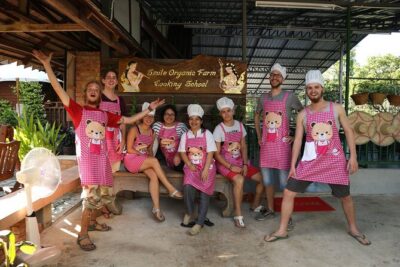
Half-Day Thai Cooking Class at Organic Farm in Chiang Mai
Read our review →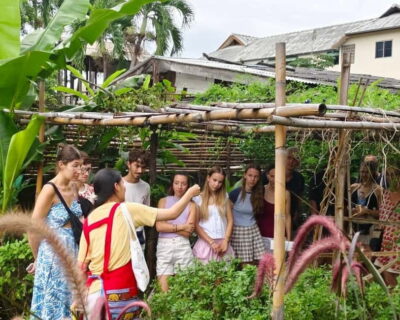
Chiang Mai: Cooking Class, Market & Thai Herbs Garden Tour
Read our review →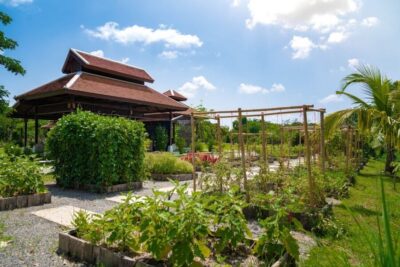
Chiang Mai: Authentic Cooking Class with Market & Farm Visit
Read our review →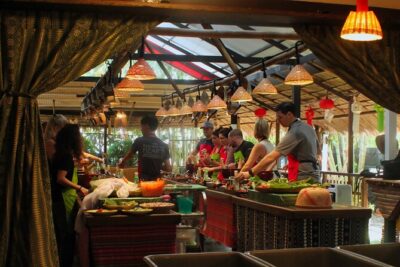
Phuket Thai Cooking Class with Market Tour Option
Read our review →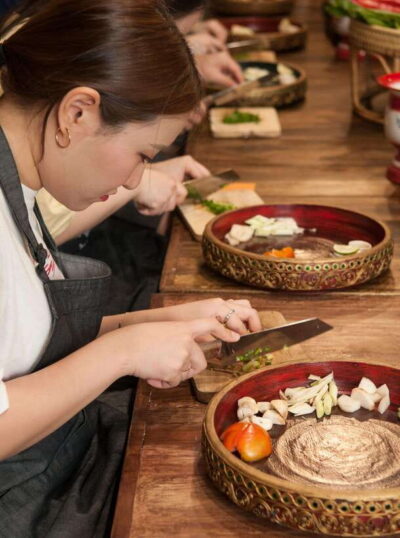
Bangkok: Hands-on Thai Cooking Class and Market Tour
Read our review →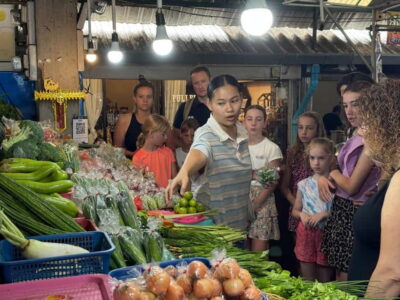
Chiang Mai: Cooking Class with Market and Pickup
Read our review →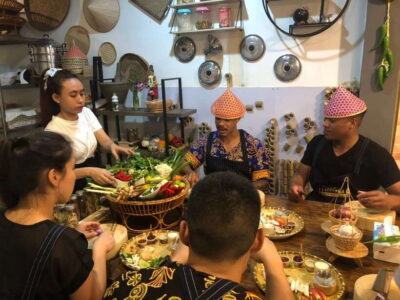
Bangkok: Tingly Thai Cooking School Half-Day Cooking Class
Read our review →Browse the lists this tour appears in