
Reviewed · ELEPHANT SANCTUARY VISITS
Rantong elephant sanctuary Chiangmai
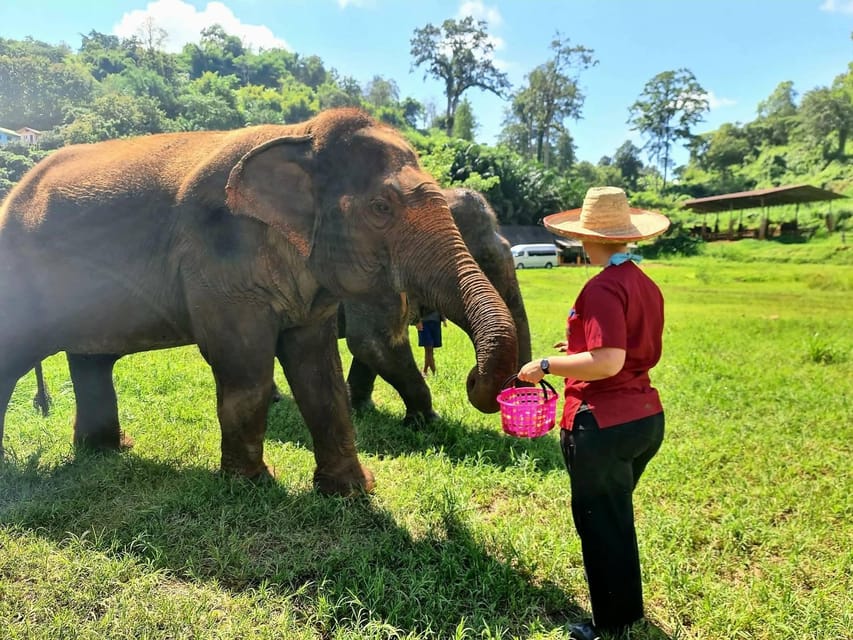
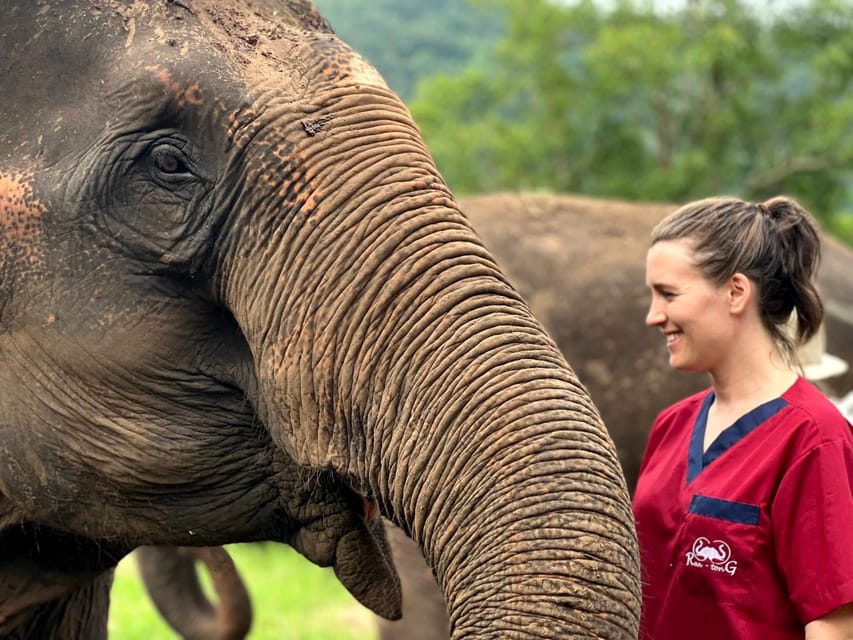
Rantong Elephant Sanctuary puts you close to rescued elephants without adding horseback riding or elephant riding to the program. You feed them, walk among them, and help wash them, which makes for a hands-on morning or afternoon rather than a quick photo stop.
I like the chance to see elephants moving freely and to meet some of the younger animals. I also like the practical setup: transport from Chiang Mai’s Old City, a meal, water, towels, shower supplies, and clothes for changing are included. The main consideration is ethical: bathing and close interaction may not suit you if you prefer a sanctuary with little or no direct contact.
Key points to know before you book
- Four hours from Chiang Mai’s Old City: Pickup is included within a 3-kilometer radius, keeping the outing simple for visitors based in central Chiang Mai.
- Feeding and bathing are the main activities: You get time near the elephants rather than only watching them from a distance.
- No riding: The program does not offer horseback riding or elephant riding.
- Rescued elephants are the focus: Rantong says it cares for elephants that have been abused, injured, or mistreated.
- Meals depend on your departure time: The morning program includes lunch, while the afternoon program includes dinner.
- A real ethical question remains: The close-contact format feels personal, but some people may prefer observation-only elephant care.
Meeting rescued elephants near Chiang Mai
Rantong Elephant Sanctuary is designed around direct contact. You are not simply driven to a viewing platform, handed a camera, and sent home. The visit centers on feeding the elephants, walking near them, learning about them from the guides, and helping bathe them.
That format gives you a better sense of an elephant’s size and character. An elephant can look calm and gentle while still being powerful enough to demand respect. The program makes clear that you need no special training. You need patience, an open mind, and the good sense to follow the guide’s instructions.
Rantong describes its animals as rescued elephants, including elephants that have been abused, injured, or mistreated. That mission matters. Supporting a sanctuary can help fund food, staff, transport, and long-term care. The entry fee is not just payment for a morning out. It helps keep the camp operating.
Still, I would not treat the word sanctuary as a guarantee that every practice will suit every visitor. The hands-on approach includes bathing and close interaction. One visitor found the idea of an ethical sanctuary difficult because some activities appeared shaped around the tourist experience. That is a fair concern, and you should think about it before booking.
More Elephant Sanctuaries in Chiang Mai
- Chiang Mai: Elephant Sanctuary, Waterfall & Bamboo Rafting
★ 4.9 · 9,160 reviews - Chiang Mai: Elephant Sanctuary & Waterfall Group Tour
★ 4.9 · 5,780 reviews - Chiang Mai: Elephant Sanctuary Feeding Program Half-Day Tour
★ 4.8 · 4,527 reviews
Feeding elephants and learning their gentle side
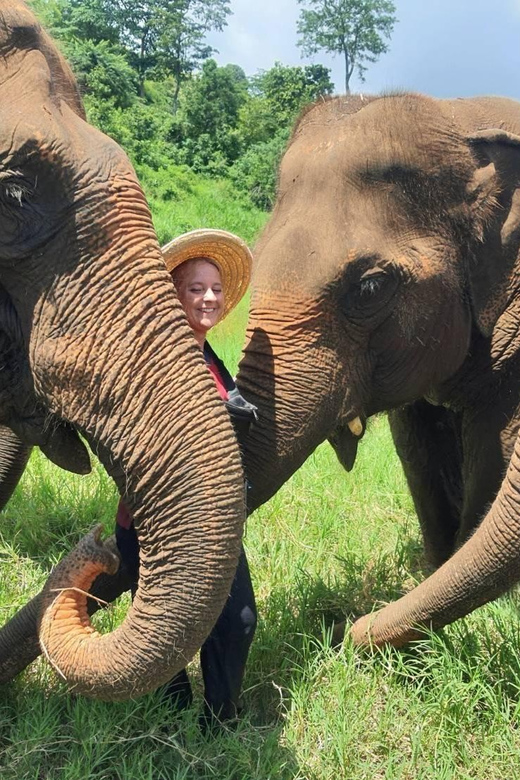
Feeding is usually the easiest way to begin a close encounter. Food gives you a clear activity and a reason to approach, while the guides help you understand how to behave around the animals.
You can expect food for the elephants to be supplied as part of the price. That saves you the trouble of buying anything separately and keeps the feeding activity organized. The elephants may show their strength when they reach for food, but the experience also aims to show their intelligence and gentle nature.
I like this part because it asks you to pay attention. You are not only collecting a photograph. You are watching how an elephant responds, how it uses its trunk, and how it moves around people. The guides are there to make you more comfortable as you get closer.
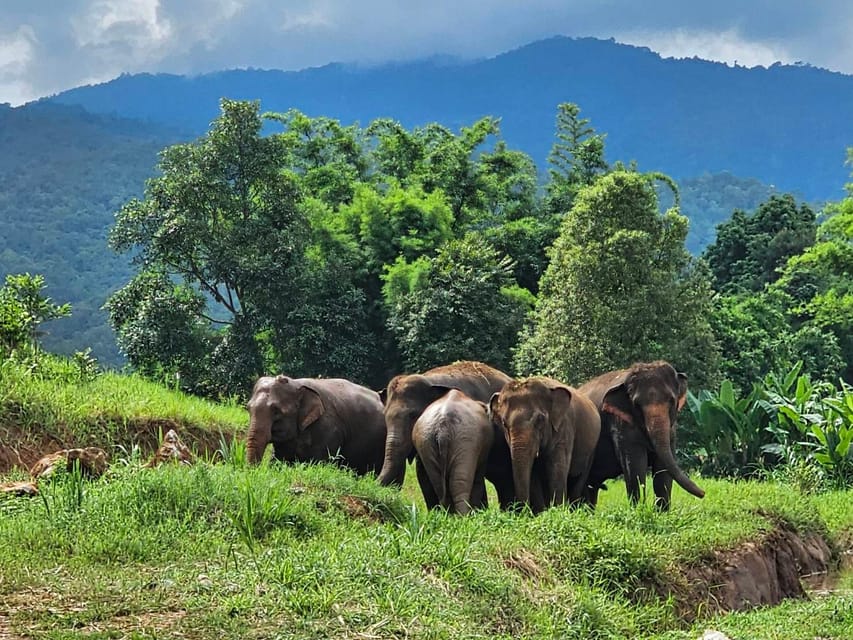
The setting also matters. The sanctuary describes the elephants as moving freely around the site, and the visit can include walking among them rather than seeing them chained in a fixed display. The presence of baby elephants has added a special charm for some visitors, although the program does not promise that young elephants will be present on every date.
Bring a calm attitude. Do not assume that a friendly elephant wants constant touching, and do not crowd an animal to get a better picture. The most rewarding moments often come when you slow down and let the guide set the pace.
Walking among elephants instead of riding them
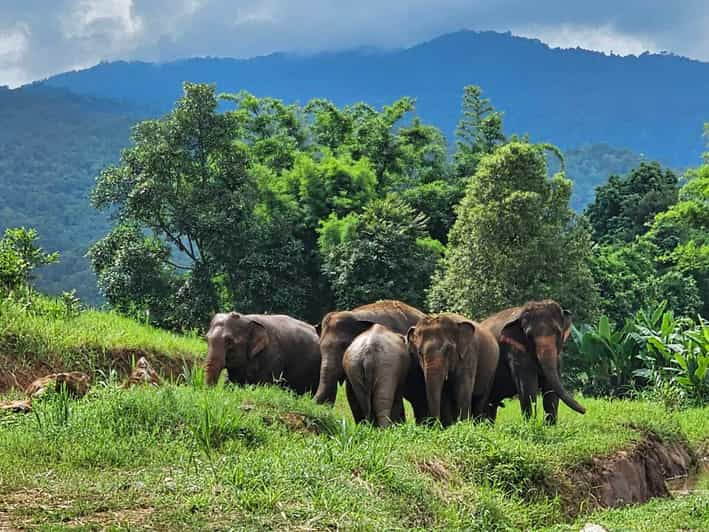
Rantong does not include elephant riding. That is an important point for anyone comparing elephant camps around Chiang Mai. You spend your time on foot, beside the animals, rather than sitting on their backs.
I see that as a clear advantage. Riding has long been part of the tourist trade in Thailand, but many visitors now want an experience that does not involve carrying people. Walking lets you watch the elephants behave more naturally, at least within the limits of a managed visitor program.
The walking portion also gives the outing a more active feel. You may move between feeding, watching, and bathing areas while the guide explains what is happening. It is not a strenuous trek based on the information provided, but you should expect to be on your feet and close to large animals for much of the visit.
The program is suitable for people without special training, and wheelchair access is listed. Even so, close contact with elephants can involve uneven ground or changing positions around the animals. If you use a wheelchair, contact the provider before booking to confirm that the route and bathing area meet your needs.
Bathing the elephants and deciding your comfort level
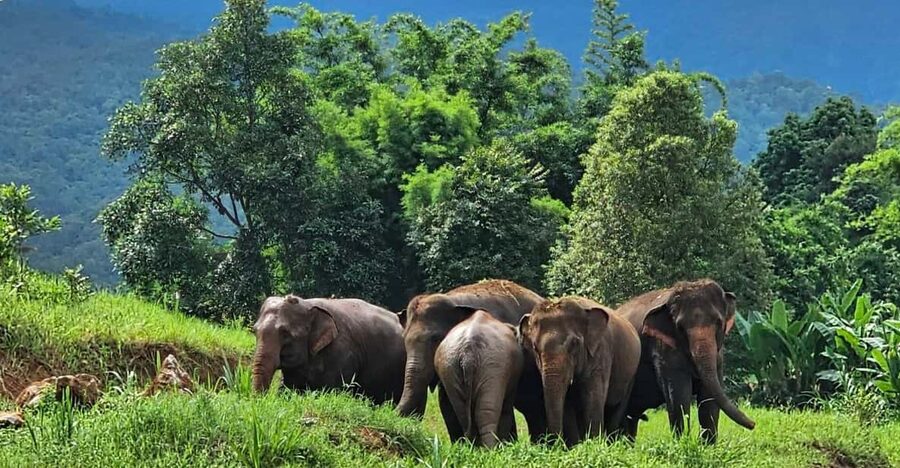
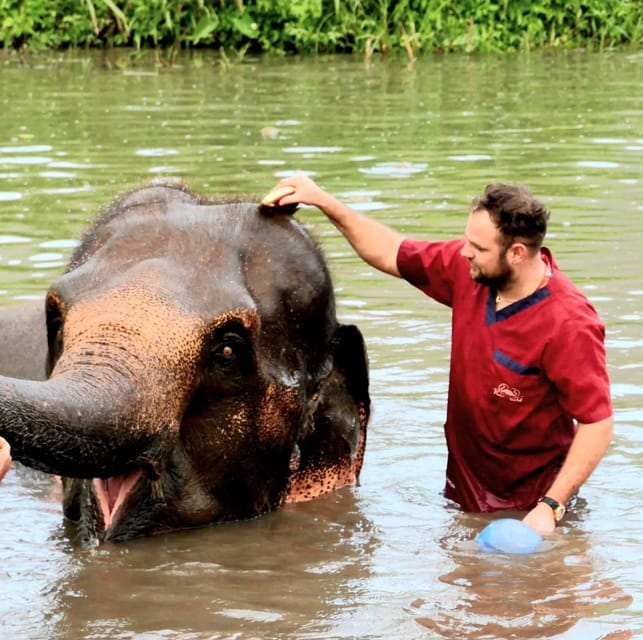
Bathing is the most hands-on part of the visit. You can help wash the elephants, then change clothes afterward. Towels, shower gel, and clothes to change into are provided, which is useful because this activity can leave you wet and muddy.
A bath can be a memorable way to see the elephants at close range. You get to notice how much water an animal needs, how it reacts to people, and how quickly a playful moment can become a very wet one. Bring a swimsuit or clothes you do not mind getting damp, even though changing clothes are supplied.
The bathing activity is also where the ethical question becomes clearest. Some elephant-care programs avoid bathing, feeding, or touching and allow visitors to observe from a distance. Rantong offers the opposite approach. If you want an active encounter, that is part of the appeal. If you want the smallest possible human impact, you may prefer another type of elephant visit.
I would follow three simple rules: let the guide control the distance, avoid sudden movements, and accept that the elephant’s comfort comes first. If an animal moves away, give it room. A good encounter is not measured by how many times you touch an elephant.
Other sanctuaries you can visit from Chiang Mai:
- Chiang Mai: Elephant Sanctuary, Long Neck & Sticky Waterfall
★ 4.9 · 2,262 reviews - From Chiang Mai: Elephant Care Program and Nursery Tour
★ 4.8 · 1,899 reviews - 3-in-1: Doi Inthanon Tour, Elephant Sanctuary, and Trekking Trail
★ 5.0 · 1,087 reviews - Chiang Mai Elephant Sanctuary, Bamboo Rafting and Waterfall Tour
★ 5.0 · 870 reviews
A four-hour outing with transport from the Old City
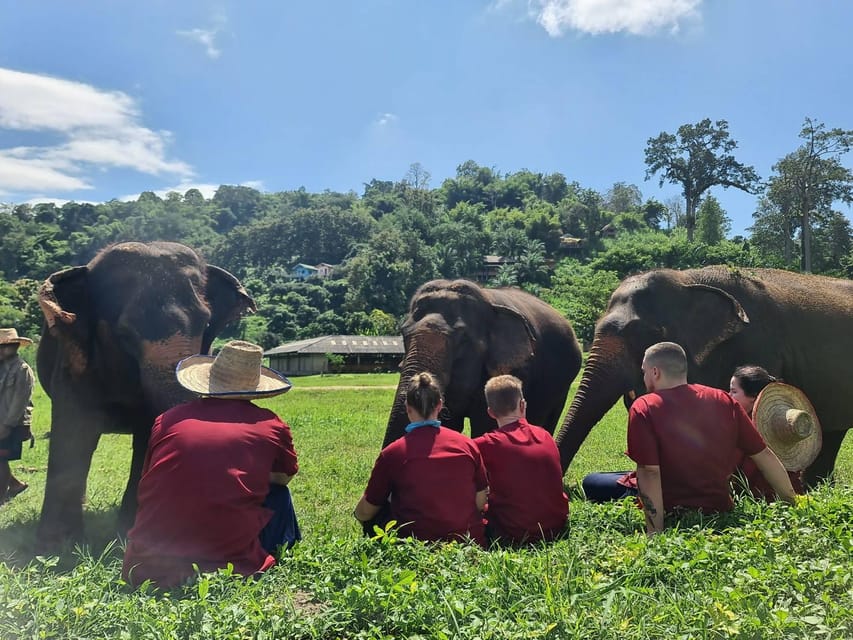
The activity lasts four hours and includes pickup from your hotel or accommodation within 3 kilometers of Chiang Mai’s Old City. That makes it convenient if you are staying in the central area and do not want to arrange a taxi or private transfer.
The drive is described as offering a cultural view of Chiang Mai. The supplied details do not give an exact driving time, route, or group size, so you should not plan another tightly timed attraction immediately afterward. Allow room for pickup delays and the return journey.
The simple schedule is:
- Pickup in or near Chiang Mai’s Old City
- Transfer to the Rantong camp
- Coffee and tea
- Guided time with the elephants
- Feeding and walking among the animals
- Bathing and changing clothes
- A meal
- Return to the Old City
The activity description lists coffee, tea, lunch, and a guided visit. The included-meal details distinguish between programs: the half-day morning departure includes lunch, while the half-day afternoon departure includes dinner. Check the available starting time when you book so you know which meal applies.
This is a good format for a short Chiang Mai stay. You can spend half a day with the elephants and keep the rest of the day open. It also works well for families and first-time visitors who want a structured introduction rather than a full-day rural excursion.
What the price of $57 really covers
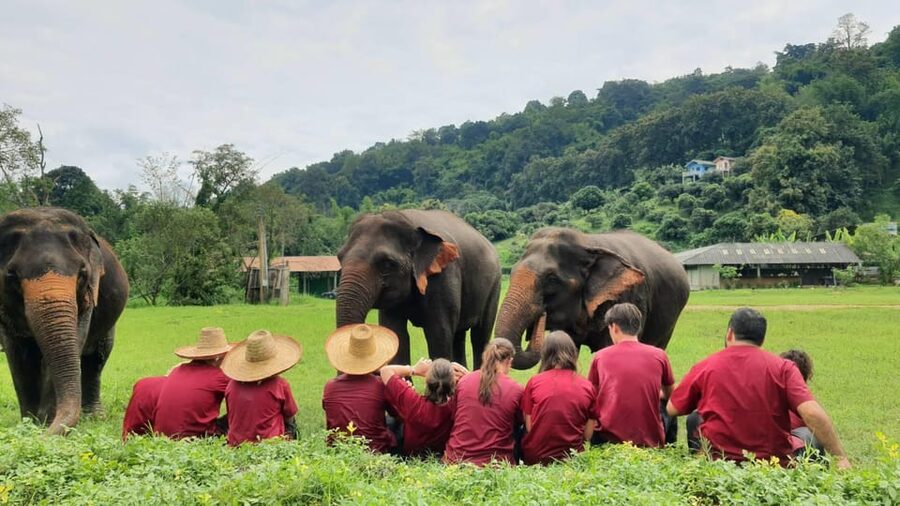
At $57 per person, the price is not only paying for access to the camp. It includes transportation, insurance, elephant food, drinking water, a meal, and clothes to change during the activity. Those extras have real value, especially when you consider the cost and hassle of arranging a separate transfer and buying food or drinks.
The price also supports the care of rescued elephants, according to the camp’s stated purpose. That makes the fee easier to understand than a simple admission charge. You are helping cover the operating costs of a place that says it provides long-term care for animals in need.
Still, value depends on what kind of elephant experience you want. If you want to feed and bathe elephants, the included activities make the price reasonable. If you want to watch from a quiet distance and avoid direct contact, you may not feel you are getting the right experience, even with the meal and transport included.
The rating of 4.4 from 21 reviews suggests a generally positive response, but it is not a perfect score and the ethical concern deserves attention. I would book this because of the clear no-riding policy and the rescued-animal focus, but I would not book it without accepting that close interaction is central to the day.
Guides, languages, and the pace of the visit
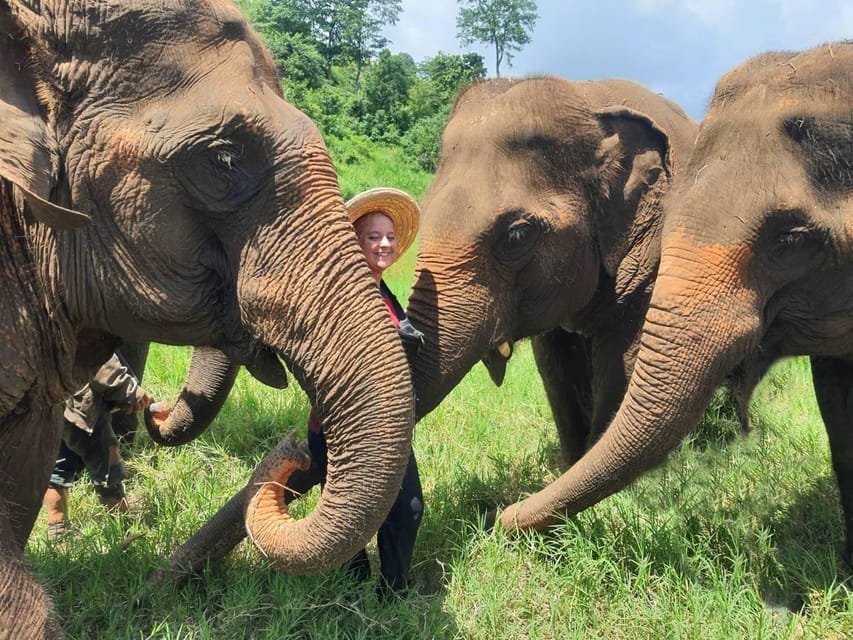
The live guides speak English and Chinese. Their job is especially important here because a close encounter with an elephant needs clear instructions. The program says the guides are highly experienced and will help you feel comfortable approaching the animals.
No individual guide names are provided, so you should not expect to request a particular person. The guide’s role is more important than a name in this setting. You need someone who explains safe distances, feeding behavior, bathing procedures, and when to step back.
The visit is built for ordinary visitors. No special training is required, and the atmosphere is intended to be welcoming for people who may feel nervous at first. That said, comfort should not be confused with unlimited access. A guide can help you approach an elephant, but the animal still sets the final boundary.
Coffee and tea are included in the visit schedule, adding a small pause before or around the camp activities. The meal gives the four-hour program a useful break. The exact menu is not specified, so do not book this expecting a particular dish or a special dietary menu unless you confirm it in advance.
Who will enjoy Rantong most
I would recommend this experience to you if you want:
- A half-day outing from central Chiang Mai
- A close, active encounter with elephants
- Feeding and bathing rather than riding
- A guided visit with English or Chinese support
- Transport and a meal included in one price
- A chance to support a camp caring for rescued elephants
It may be less suitable if you want a strictly observation-only experience. It may also be a poor match if you dislike getting wet, feel uneasy around very large animals, or want a quiet wildlife visit with no feeding or bathing.
Families may appreciate the simple structure, but adults should supervise children closely. An elephant may be gentle and still unpredictable. The program does not require training, but it does require attention.
The activity is also useful for visitors with limited time. Four hours is enough to make the outing feel substantial without taking over a full day. Pickup within the Old City radius keeps the practical side easy.
Practical details worth knowing
Free cancellation is available up to 24 hours before the activity for a full refund. You can also reserve now and pay later, which helps if your Chiang Mai schedule is still changing.
Pickup is free within 3 kilometers of Chiang Mai’s Old City. If your accommodation sits outside that area, confirm the transport arrangement before paying because the included pickup applies to the stated radius.
Insurance, drinking water, elephant food, a meal, and changing clothes are included. Towels and shower gel are also available according to the experience details. Wear clothes that can get wet, and bring a sense of humor for the bathing portion.
The activity is listed as wheelchair accessible, but the supplied details do not explain the exact route, vehicle, or bathing facilities. If accessibility is essential for you, contact the provider before booking and ask for precise information.
Should you book Rantong Elephant Sanctuary?
Book Rantong if you want a practical, four-hour Chiang Mai outing built around feeding, walking near, and bathing rescued elephants, with no riding. The included transport, meal, water, insurance, and changing clothes make the $57 price easy to assess, and the presence of freely moving elephants and young animals can make the visit especially memorable.
Think twice if your idea of ethical elephant care means no feeding, touching, or bathing. Rantong offers close contact, and that is both its main attraction and its main point of debate. Go in with realistic expectations, follow the guides, and treat the elephants as animals in care rather than performers. For the right visitor, it can be a meaningful day. For others, a more hands-off sanctuary will be a better choice.
FAQ
How long does the Rantong Elephant Sanctuary experience last?
The activity lasts four hours, including transportation, the guided camp visit, elephant activities, and the return to Chiang Mai’s Old City.
What activities are included with the elephants?
You can feed the elephants, walk among them, interact with them, and help bathe them. The program does not include horseback riding or elephant riding.
Is transportation included from Chiang Mai?
Yes. Pickup is included from hotels or accommodations within 3 kilometers of Chiang Mai’s Old City.
Is a meal included?
Yes. The half-day morning program includes lunch, while the half-day afternoon program includes dinner. Coffee, tea, and drinking water are also included.
Can I cancel for a full refund?
Yes. You can cancel up to 24 hours in advance for a full refund.
Are guides available in English or Chinese?
Yes. Live tour guides are available in English and Chinese.
Just added in Chiang Mai
- No.1 Chiang Mai: Historical City Bike Tour★ 5.0 · 10 reviews
- Inthanon Day Trip from Chiang Mai with Lunch – Group or Private★ 5.0 · 182 reviews
- Jewellery Making Class with Silversmithing in Chiang Mai★ 4.5 · 11 reviews
- 10KM Inflatable Kayaking Adventure★ 5.0 · 23 reviews
- Chiang Mai: Historic Old City Bike Tour – Morning or Night★ 5.0 · 202 reviews
- Half-day E-bike Nam Phrae (hilly, fully paved roads, GUIDED)★ 5.0 · 122 reviews
- Inthanon Heaven Trail(Living Green Elephant Sanctuary)★ 5.0 · 52 reviews
- Half Day Car Hire with an English Speaking Driver in Chiang Mai★ 5.0 · 16 reviews
Elephant Sanctuary Visits, compared.
Chiang Mai: Elephant Sanctuary, Waterfall & Bamboo Rafting
Read our review →
Chiang Mai: Elephant Sanctuary & Waterfall Group Tour
Read our review →
Chiang Mai: Elephant Sanctuary Feeding Program Half-Day Tour
Read our review →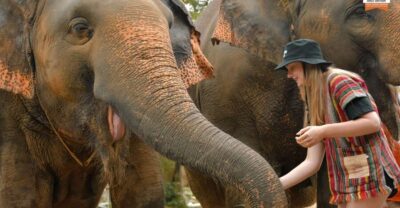
Phuket: Elephant Jungle Sanctuary Ethical Feeding Experience
Read our review →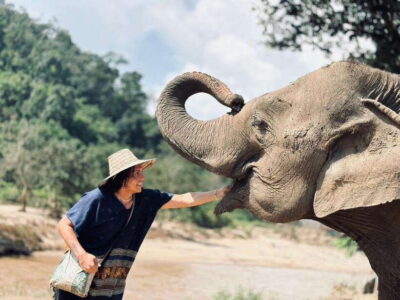
Chiang Mai: Elephant Sanctuary, Long Neck & Sticky Waterfall
Read our review →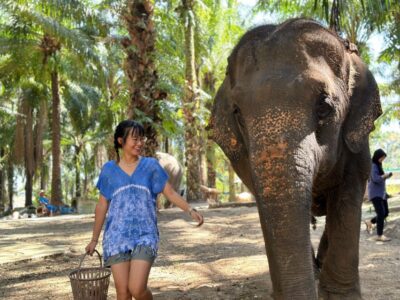
Krabi: Elephant Bathing Session at Krabi Elephant Shelter
Read our review →
Phuket: Elephant Sanctuary Guided Tour with Hotel Transfers
Read our review →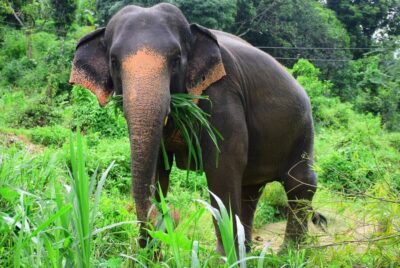
From Chiang Mai: Elephant Care Program and Nursery Tour
Read our review →Browse the lists this tour appears in