
Reviewed · ELEPHANT SANCTUARY VISITS
Half-Day Elephant Experience at Rantong
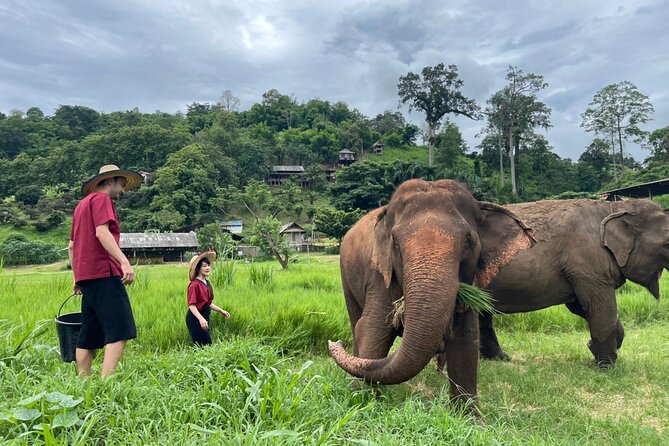
The main draw here is close contact with rescued elephants without elephant riding. At Ran-Tong, you learn how the animals are cared for, make vitamins for pregnant, injured, and older elephants, then feed, walk with, and bathe them near Mae Taeng.
I like the small-group limit of 15, which gives you more time to listen and ask questions. I also like the practical setup: hotel pickup, clothes for the activity, showers afterward, and a filling Thai meal with fruit and water.
The weak spot is the drive. Chiang Mai pickup and drop-off can take about an hour each way, and the van has drawn complaints about tight seating, rough driving, delays, and seatbelts. The elephant program earns the praise, but the transport can test your patience.
Key points to know before you book
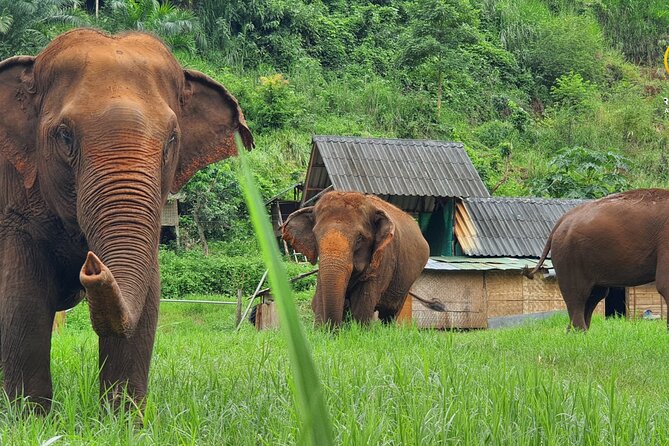
- Hands-on care, not riding: You feed elephants, make vitamins, walk with them, and help bathe them.
- Up to 15 people: The group size allows more personal attention than a large coach outing.
- Guides vary by departure: Seven, Rambo, Nikon, Oh-Oh, and Dang have led sessions praised for clear explanations and friendly care.
- Bring clothes for water and mud: Spare clothing, comfortable shoes, sandals you do not mind getting wet, soap, shampoo, and insect repellent are useful.
- Thai food is included: Expect a meal with Thai dishes, seasonal fruit, and drinking water after the elephant activities.
- Allow five hours plus road time: The advertised experience lasts about five hours, with roughly one hour of driving each way from Chiang Mai.
Meeting rescued elephants near Mae Taeng
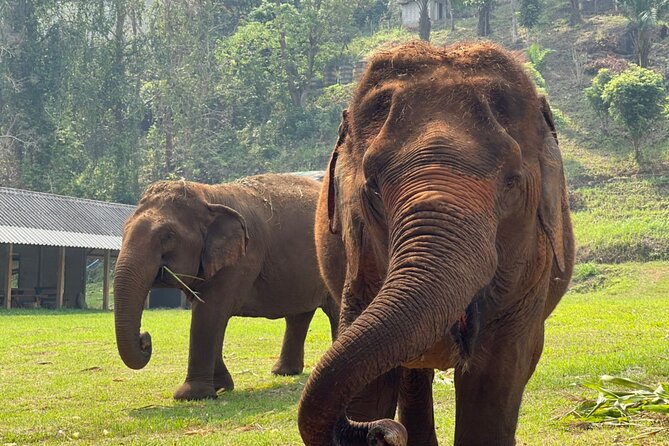
Ran-Tong Save & Rescue Elephant Centre sits in Mae Taeng District, outside Chiang Mai. The day begins with pickup from your hotel or accommodation in the city, followed by a drive of about an hour to the center.
That road time matters. This is not a quick city activity you can squeeze between a morning market and an afternoon temple visit. Plan on giving the outing most of a half-day, and keep some breathing room around the pickup and return.
Once you arrive, you change into Mahout-style Karen clothing. This is more than a photo opportunity. The clothing is practical for a day involving food preparation, muddy ground, water, and close contact with elephants. The center also provides boots or suitable footwear for some departures, and a shower and changing area are available afterward.
The facility is described as fairly large, with roughly 20 elephants at one point and a setting where the animals can move around. Numbers may vary, but the important point for you is that this is a working care center rather than a short animal encounter staged in the city.
More Elephant Sanctuaries in Chiang Mai
- Chiang Mai: Elephant Sanctuary, Waterfall & Bamboo Rafting
★ 4.9 · 9,160 reviews - Chiang Mai: Elephant Sanctuary & Waterfall Group Tour
★ 4.9 · 5,780 reviews - Chiang Mai: Elephant Sanctuary Feeding Program Half-Day Tour
★ 4.8 · 4,527 reviews
Elephant school comes before the close contact
Your first lesson covers the center and the elephants themselves. This introduction helps you understand how to approach a very large animal without treating it like a tame household pet.
The guides explain elephant behavior and give instructions for safe interaction. Names vary by date, but Seven, Rambo, Nikon, Oh-Oh, and Dang have led sessions. Seven is often praised for clear explanations and a calm manner, while Rambo is described as both informative and fun. You may get a different guide, so do not book based on one particular name.
This teaching time is useful because it changes the rhythm of the visit. You are not simply marched from one photo stop to another. You learn to watch the elephant’s mood and movement, and the staff direct you on how to stand, feed, and approach.
The program is presented as one where the elephants are not forced to perform. One particularly important detail is that there is no riding. If an elephant walks away, the experience is structured around allowing it to do so rather than pulling it back for a photograph. That does not settle every question about elephant tourism, but it is a meaningful feature for anyone trying to choose a more responsible activity.
Making vitamins for older and vulnerable elephants
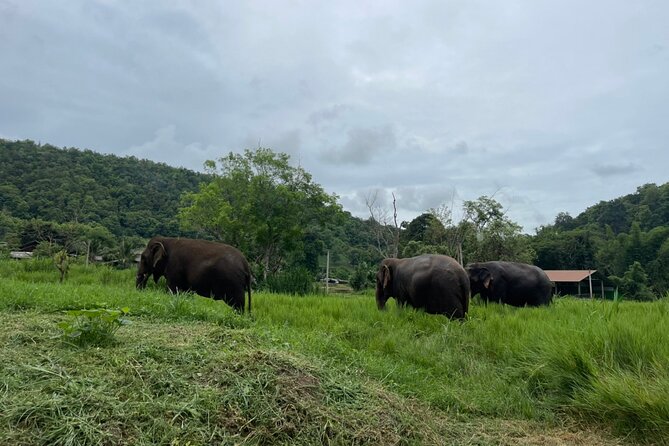
One of the more useful parts of the visit is preparing vitamins for the elephants. The center includes pregnant, injured, and older animals, so this task gives you a glimpse of daily care beyond the exciting parts of feeding and bathing.
You are not just watching a staged display. You take part in a small piece of the care routine, then bring food to the elephants. The activity can make the visit feel more grounded, especially if you want to understand what sanctuary work involves.
You should still keep your expectations sensible. This is a visitor program, so the schedule is designed to let you interact with the animals during a limited visit. It cannot show every part of the center’s operation or provide a full account of each elephant’s past.
Feeding time puts you close to the animals
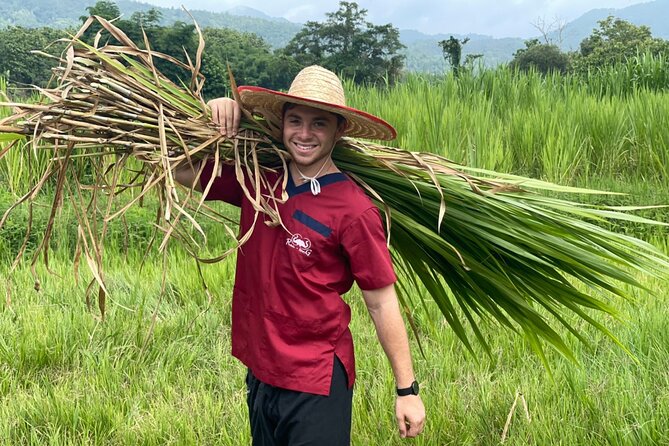
Feeding is one of the most memorable parts of the experience. You get close enough for elephants to take food from your hand, and the guides explain how to do this safely.
Sugar cane is part of the routine. You may help process it before offering it to the elephants. This gives you something to do rather than simply standing beside a feeding platform with a camera.
The animals are large, strong, and often surprisingly gentle, but you still need to pay attention. Follow the guide’s instructions, keep your movements steady, and let the staff control the pace. The best moments are not always the biggest ones. Sometimes it is simply watching an elephant decide where to walk or how to reach for food.
Children can take part, and the activity has been described as safe for families. Still, adults should stay close to young children around the elephants. The animals may be calm, but their size alone calls for care.
Other sanctuaries you can visit from Chiang Mai:
- Chiang Mai: Elephant Sanctuary, Long Neck & Sticky Waterfall
★ 4.9 · 2,262 reviews - From Chiang Mai: Elephant Care Program and Nursery Tour
★ 4.8 · 1,899 reviews - 3-in-1: Doi Inthanon Tour, Elephant Sanctuary, and Trekking Trail
★ 5.0 · 1,087 reviews - Chiang Mai Elephant Sanctuary, Bamboo Rafting and Waterfall Tour
★ 5.0 · 870 reviews
Walking and bathing are the wettest parts
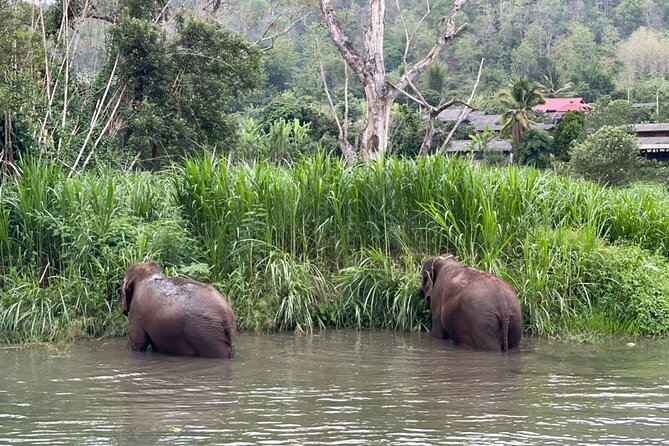
After feeding, you walk with the elephants and observe them in an environment intended to be close to their natural habitat. This is where the visit feels less like a formal show. You move with the animals instead of waiting for them to repeat a trick.
Bathing is the part many people remember most. You may enter the water, get wet, and help wash the elephants. Bring sandals or shoes you do not mind soaking and dirtying. Spare clothing is essential if you want to be comfortable on the ride back.
Some departures provide boots, towels, shower gel, and access to a clean changing area. The exact supplies can vary, so I would still pack your own basics. Bring shampoo and soap, even if you expect the center to have some available.
The bath is also where the program’s limits matter most. You are there to assist and observe, not to control the animal. Follow the staff and accept that the elephant sets the pace. If you prefer an experience with no physical contact at all, this is not the right choice. If you want a hands-on session, this is the central reason to book.
Thai food closes the morning or afternoon
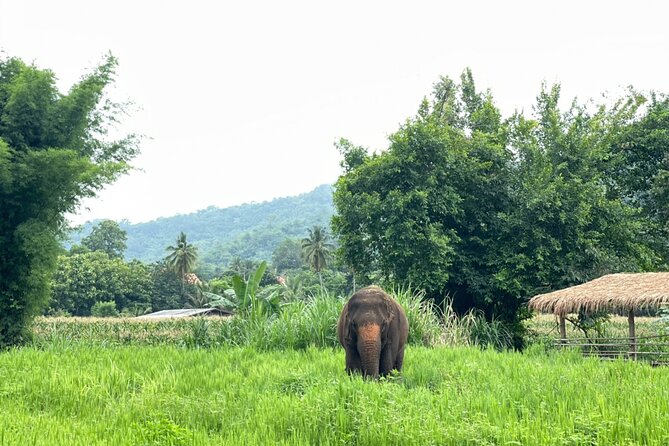
After the elephant activities, you change out of the wet clothing and sit down for Thai food. The meal includes Thai dishes, seasonal fruit, and drinking water. Several people have singled out the food as plentiful and tasty, including pad Thai and tropical fruit.
This is a practical ending to a muddy, active morning. You can shower, put on dry clothes, eat, and then return to Chiang Mai without sitting in damp clothing for the whole drive.
The activity is available with a morning or afternoon start. A morning visit followed by lunch is the clearest fit for the schedule described, while an afternoon departure may include dinner instead. Check the selected start time and meal timing when booking, since the exact order depends on your departure.
What the $58.70 price includes
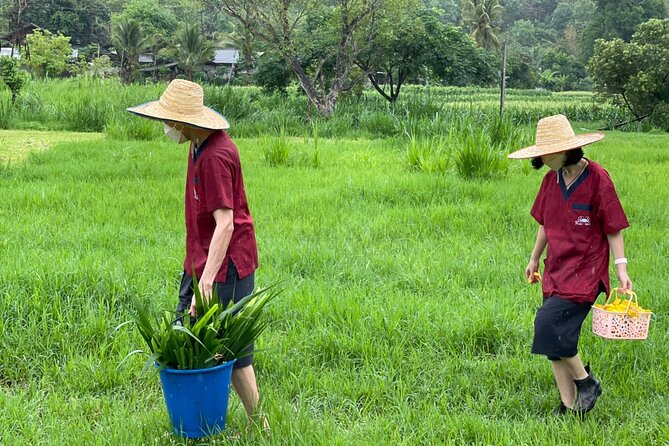
At $58.70 per person, the value is strongest if you use the full package. You are paying for hotel pickup and drop-off, the road transfer, instruction, elephant activities, clothing for the session, food, and the staff’s time.
A private visit would cost more, while a cheaper elephant outing might leave out transportation, meals, changing facilities, or a small group. Here, the group cap of 15 is important. It does not mean you will have an individual session, but it should make it easier to hear the guide and get a turn with the elephants.
The value drops if you dislike long van rides or want a quiet wildlife observation experience. You are paying for interaction, and that interaction involves getting wet, muddy, and physically close to the animals.
Transport quality is the clearest area to weigh carefully. Some departures have had friendly, punctual drivers and an easy ride. Others have involved crowded vans, uncomfortable seating for tall people, unsafe fast driving, delayed pickup, or a long wait for the return trip. These problems do not appear on every departure, but they are serious enough to mention before you book.
Who will enjoy this Ran-Tong visit
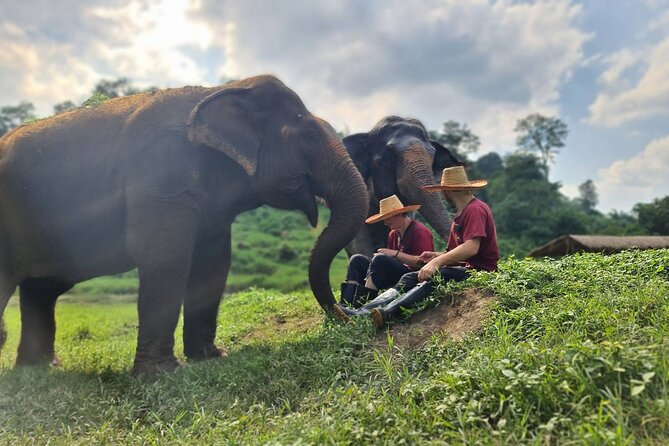
I would choose this for you if you want an active, family-friendly elephant experience and do not mind changing clothes. It suits people who want to feed, walk with, and bathe elephants rather than simply photograph them from a viewing area.
It also works well for solo visitors. Guides may help take photos and videos, which is useful when you are traveling alone. Families can appreciate the clear structure, provided adults supervise children and everyone follows the instructions.
This is less suitable if you have mobility limits, dislike muddy or wet activities, or want complete certainty about transport comfort. The supplied information says most people can participate, but it does not give detailed accessibility information. Contact the provider directly if you need specific assistance.
You should also think about the ethics of animal contact. The center presents itself as a rescue facility, and the program does not include riding. The interaction is described as guided and voluntary, with elephants allowed to move away. Even so, bathing and hand-feeding remain close-contact activities. If your personal standard is observation only, choose a no-contact center instead.
What to pack for a comfortable day
Pack lightly, but do not arrive without the basics. I would bring:
- Spare clothes for the ride home
- Comfortable shoes
- Sandals or shoes you do not mind getting wet and dirty
- Shampoo and soap
- Mosquito spray or insect repellent
- A camera or phone in a waterproof case
- A small towel if you prefer your own
The center may provide changing facilities, showers, towels, shower gel, boots, and activity clothing, but the listed advice specifically asks you to bring spare items. Wet clothing in a van for an hour is no fun, so dry clothes are not optional in practice.
Wear something that allows easy movement. You will be standing, walking, feeding, and possibly entering the water. Keep valuable electronics protected.
Booking, cancellation, and timing
Pickup is offered from Chiang Mai city accommodations, so you do not need to find a separate meeting point. Confirmation is received at booking, and the maximum group size is 15 people.
Free cancellation applies when you cancel at least 24 hours before the experience begins. Changes or cancellations inside that 24-hour window are not accepted for a refund. The provider may also cancel if the minimum number of participants is not met, in which case you are offered another date or experience, or a full refund.
Pickup timing deserves patience. Build flexibility into your morning because city traffic and multiple hotel stops can affect the schedule. One departure was late because of traffic, while another included a long wait for the return ride. The elephant portion may be highly organized, but the road portion is less predictable.
Should you book the Half-Day Elephant Experience at Ran-Tong?
Book it if your priority is hands-on time with rescued elephants, a small group, and a full package that includes food, changing facilities, and transport. The strongest parts are the guide-led lessons, vitamin preparation, feeding, walking, and bathing. The staff members named in the feedback, including Seven, Rambo, Nikon, Oh-Oh, and Dang, have been praised for friendly explanations and careful handling.
Think twice if you are sensitive to crowded vans, unsafe driving, long transfers, or wet outdoor activities. The transport is the main risk to an otherwise well-liked outing.
For many people, this will be a memorable Chiang Mai day because it combines care, instruction, and close contact rather than a quick photo stop. I would book it with realistic expectations: choose comfortable clothing, protect your camera, allow extra time for the road, and treat the elephants as animals with their own pace, not as performers on demand.
FAQ
How long does the experience last?
The elephant visit lasts approximately five hours, not including the possibility of delays during hotel pickup, city traffic, or the return drive.
Where is Ran-Tong Save & Rescue Elephant Centre?
The center is in Mae Taeng District, about an hour by road from Chiang Mai city.
Is hotel pickup included?
Yes. Pickup and drop-off are offered from hotels or accommodations in Chiang Mai city.
How many people can join the tour?
The maximum group size is 15 participants.
Can I choose a morning or afternoon start?
Yes. You can select a morning or afternoon start time.
What activities are included with the elephants?
The program includes learning about the center, making vitamins, feeding elephants, walking with them, bathing them, and observing them in their habitat.
Is lunch or dinner included?
Yes. The meal includes Thai food, seasonal fruit, and drinking water. The exact meal depends on whether you choose a morning or afternoon departure.
What should I bring?
Bring spare clothes, comfortable shoes, sandals you do not mind getting wet and dirty, shampoo, soap, a camera, and mosquito spray or insect repellent.
Just added in Chiang Mai
- Whitewater Rafting Adventure★ 5.0 · 205 reviews
- Chiang Mai: Evening Chanting & Meditation★ 4.5 · 69 reviews
- 1 Hour Deep Tissue Thai Massage with Balm – Free Transportation★ 5.0 · 64 reviews
- 8 hour Sticky waterfall, ATV and White water rafting Adventures★ 5.0 · 308 reviews
- Meditation Retreat and Self-Care in Nature★ 5.0 · 46 reviews
- Chiang Mai: Art in Paradise Illusion Museum Entry Ticket★ 4.4 · 82 reviews
- Chiang Mai: Full-Day Kerchor Elephant Eco Park Tour & Trek★ 4.6 · 224 reviews
- Doi Inthanon National Park with Nature Trail Trekking 1-Day Tour★ 4.5 · 230 reviews
Elephant Sanctuary Visits, compared.
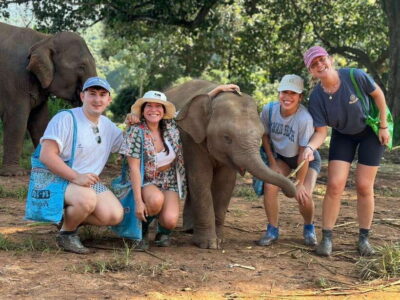
Chiang Mai: Elephant Sanctuary, Waterfall & Bamboo Rafting
Read our review →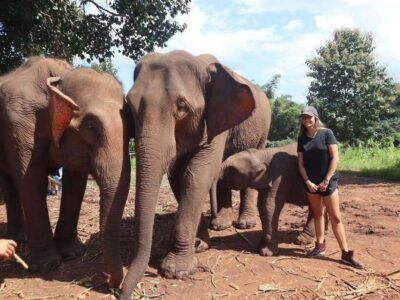
Chiang Mai: Elephant Sanctuary & Waterfall Group Tour
Read our review →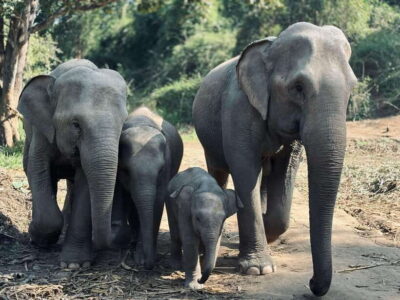
Chiang Mai: Elephant Sanctuary Feeding Program Half-Day Tour
Read our review →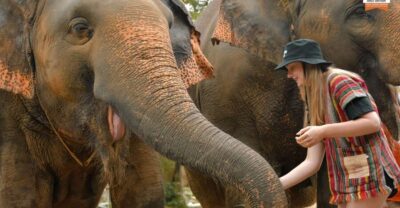
Phuket: Elephant Jungle Sanctuary Ethical Feeding Experience
Read our review →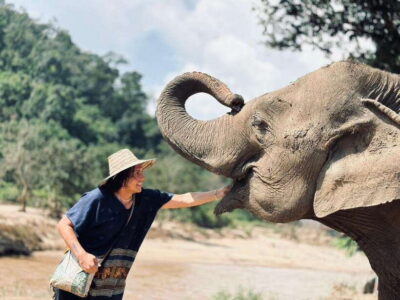
Chiang Mai: Elephant Sanctuary, Long Neck & Sticky Waterfall
Read our review →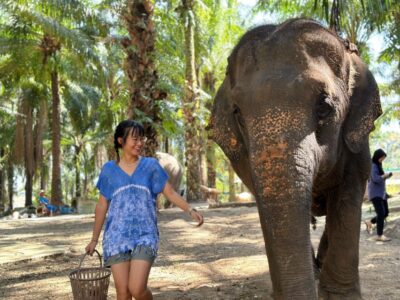
Krabi: Elephant Bathing Session at Krabi Elephant Shelter
Read our review →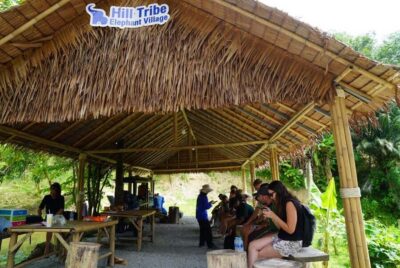
Phuket: Elephant Sanctuary Guided Tour with Hotel Transfers
Read our review →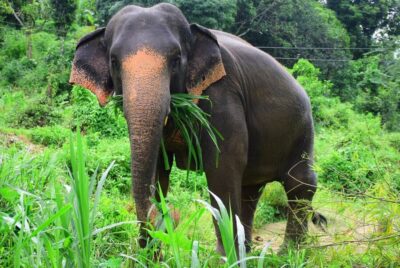
From Chiang Mai: Elephant Care Program and Nursery Tour
Read our review →Browse the lists this tour appears in