Reviewed · ELEPHANT SANCTUARY VISITS
Chiang Mai Untouched Elephant: Nature Walk & Waterfall Trek
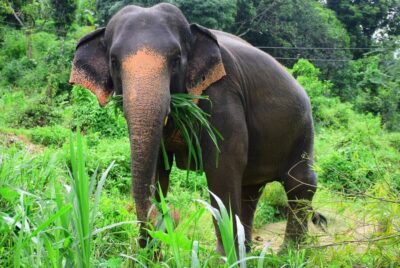
This Chiang Mai outing puts you beside rescued elephants without riding, chains, or forced tricks. You help prepare their food, feed them by hand, walk with them through the forest, and follow them to the river. The setting is a small hill-tribe village, not a polished animal show.
I like two things right away: the elephants set the pace, and lunch comes from the local community. You also get time at Mae Wang Waterfall, which adds a refreshing finish. The catch is the transport. The ride can take about two hours each way, and the open-air truck may feel rough, especially if you expected a quick five-hour outing.
Key points at a glance
- Elephant care comes first: Prepare food, feed the animals, walk beside them, and join a river bath only if the elephants want to.
- A real village setting: You spend time in a traditional hill-tribe community where elephant caretakers live and work.
- No riding or performances: The rescued elephants are not made to perform, and the camp uses no chains or hooks.
- Lunch is part of the experience: A complimentary home-cooked Thai meal uses fresh local ingredients.
- Mae Wang Waterfall adds variety: You get about an hour to walk and relax at the waterfall after the elephant visit.
- Plan for a long road day: Pickup is from Chiang Mai, with travel in a van or open-air truck before a roofed 4×4 reaches the sanctuary.
Why this elephant outing feels different
Many elephant activities in northern Thailand are built around a fixed program. This one tries to follow the animals instead. You may prepare food, feed the elephants, walk with them, and watch them at the river, but the order and length of each activity can change.
That flexibility matters. An elephant is not a stage performer, and a natural encounter should not be run like a clockwork show. If an animal wants to eat, wander, rest, or skip the water, the caretakers let it do so. You need to accept that you may not get every photo or activity described in the same sequence.
The elephants are rescued, and the care model presented here is based on daily contact with mahouts, or elephant keepers. There is no riding, no chains or hooks, and no pressure to perform. Those are important safeguards if you want your money to support a gentler form of elephant tourism.
I also like the village setting. You are not simply dropped into an enclosure, given a feeding basket, and sent home. The day connects elephant care with the people who live alongside these animals. That gives the visit more meaning, although it also means conditions may be simple rather than polished.
More Elephant Sanctuaries in Chiang Mai
- Chiang Mai: Elephant Sanctuary, Waterfall & Bamboo Rafting
★ 4.9 · 9,160 reviews - Chiang Mai: Elephant Sanctuary & Waterfall Group Tour
★ 4.9 · 5,780 reviews - Chiang Mai: Elephant Sanctuary Feeding Program Half-Day Tour
★ 4.8 · 4,527 reviews
The mountain road from Chiang Mai
Pickup is available from hotels in and around Chiang Mai Old Town. You wait in the lobby about 10 minutes before the scheduled pickup, then travel toward the hills. The vehicle may be a 12-seat air-conditioned van or an open-air pickup truck. Near the sanctuary, you switch to a roofed 4×4 truck for the final approach.
This transfer is one of the biggest practical issues. The road trip can take around two hours, and one account found the older minibus uncomfortable. Another noted that the open-air truck ride was longer than expected. If you are older, have back problems, or simply dislike rough transport, ask for clear timing before you book.
The ride is not just wasted time. You leave Chiang Mai’s urban streets and pass into mountain country, with a more rural rhythm as the road continues. Still, the total day may run closer to seven hours than the advertised five. Do not schedule a tight evening activity afterward.
Pickup within five kilometers of Chiang Mai’s Old City is free. A surcharge applies outside that area. The exact starting time depends on availability, so confirm your pickup details and allow extra time on both ends.
Meeting the mahouts and elephants
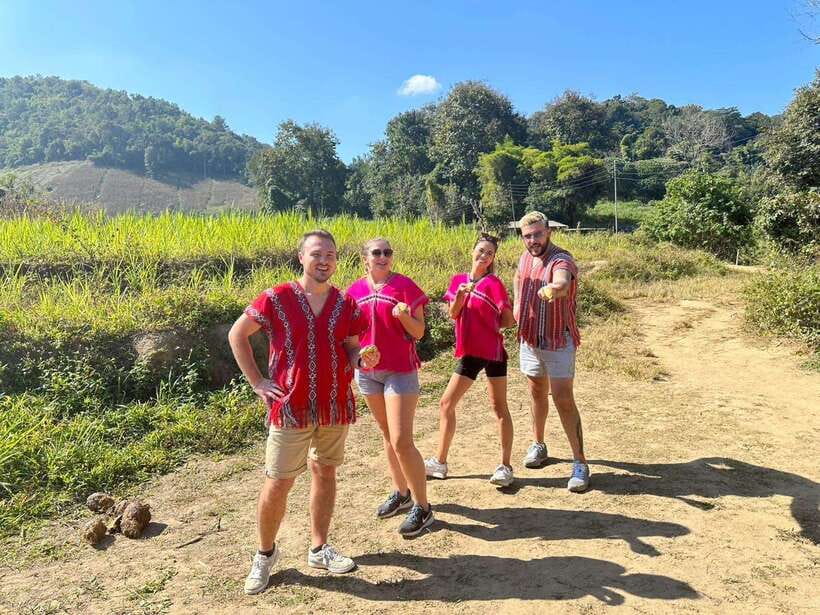
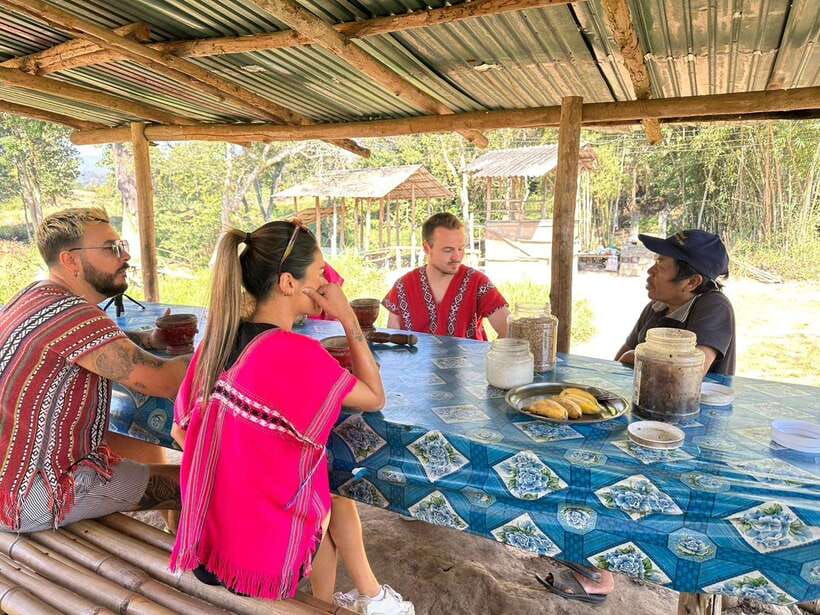
At the village, you meet the caretakers and the elephants. The mahouts explain how the animals have lived with local families for generations and show you the daily work involved in looking after them.
The first hands-on task is food preparation. You help make the elephants’ food using traditional methods, then offer it by hand. This is a good chance to slow down and observe each animal. One may be eager and direct, while another may be calmer or more interested in wandering off.
That unhurried contact is more valuable than a quick photo stop. You can notice how the caretakers read the elephants’ moods and movements. Your role is to follow their lead, keep a respectful distance when asked, and avoid treating the animals like props.
The group is not given a rigid performance schedule. Activities depend on what the elephants want to do that day. You might spend more time feeding than expected, or less time in the water. This is the right tradeoff for a program that says the animals come first.
Bring patience. If you need a tightly choreographed program with constant instructions, this may feel loose. If you enjoy watching real routines unfold, the slower pace is part of the value.
Walking through the forest without saddles
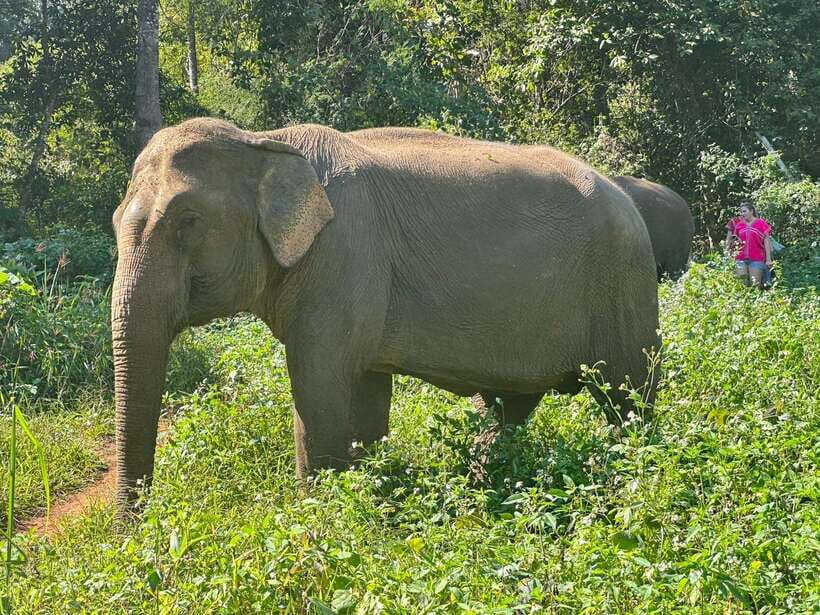
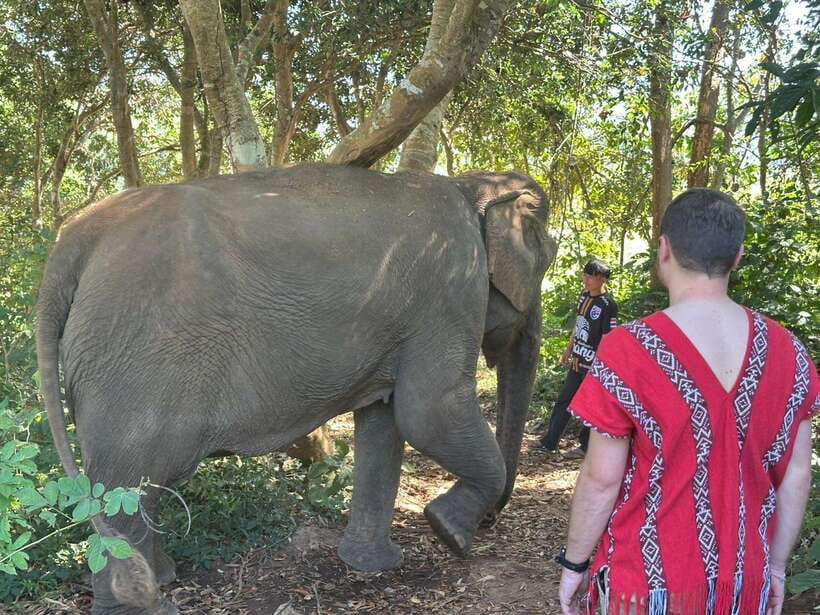
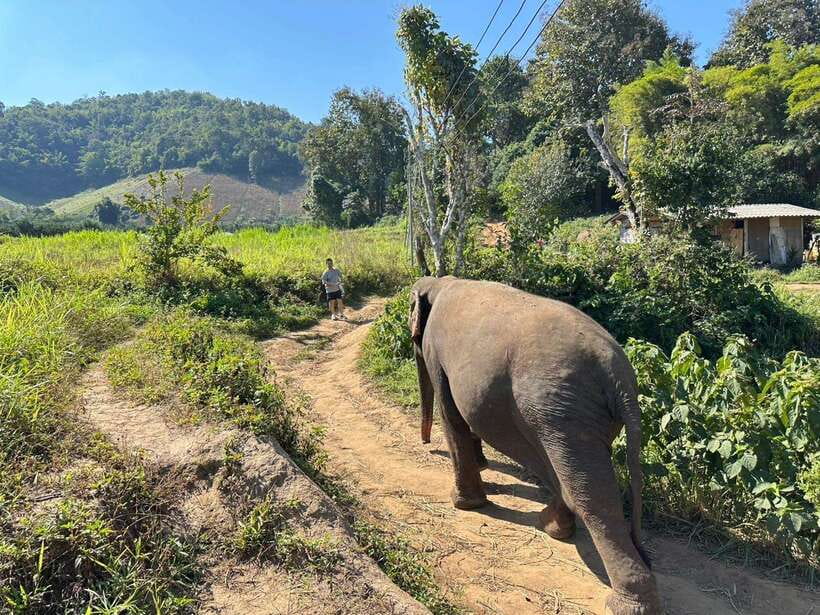
After feeding, you walk with the elephants through the surrounding jungle. There are no saddles, and the animals are not led through a performance routine. You simply accompany them while they move, forage, and respond to their surroundings.
The walk requires a moderate level of fitness. The ground can be uneven, and outdoor conditions include sun, insects, mud, and heat. Wear practical clothes and shoes that can get wet or dirty. Sunglasses, a sun hat, sunscreen, and insect repellent are specifically useful.
This is not a long-distance mountain trek in the information provided, but it is more active than a flat sanctuary visit. You should be comfortable walking outdoors and keeping pace with the group. Families with young children should consider the transport time, heat, and flexible schedule before booking.
The absence of riding is a major strength. You are not placed on an elephant for a short circuit, and the animals are not forced into a set route for entertainment. The experience asks you to watch rather than control.
More Waterfall Trips in Chiang Mai
- Chiang Mai: Elephant Sanctuary, Long Neck & Sticky Waterfall
★ 4.9 · 2,262 reviews - Doi Inthanon Waterfall and Royal Project Chiang Mai
★ 5.0 · 1,735 reviews - Chiang Mai: Sticky Waterfall & Angel Waterfall Park Day Tour
★ 4.8 · 1,371 reviews - Chiang Mai: Bua Thong Sticky Waterfall & Huge Cave & Buffet
★ 4.8 · 1,049 reviews
The river, mud bath, and elephant-friendly contact
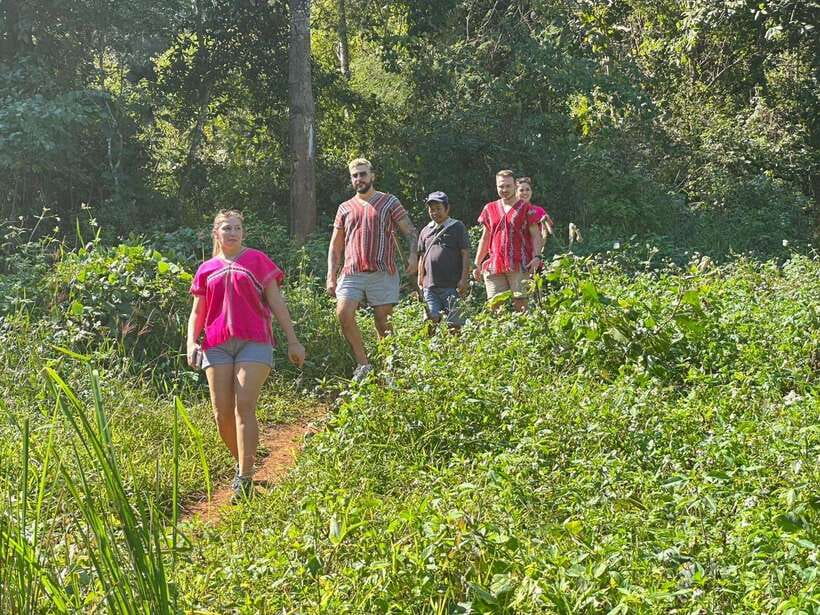
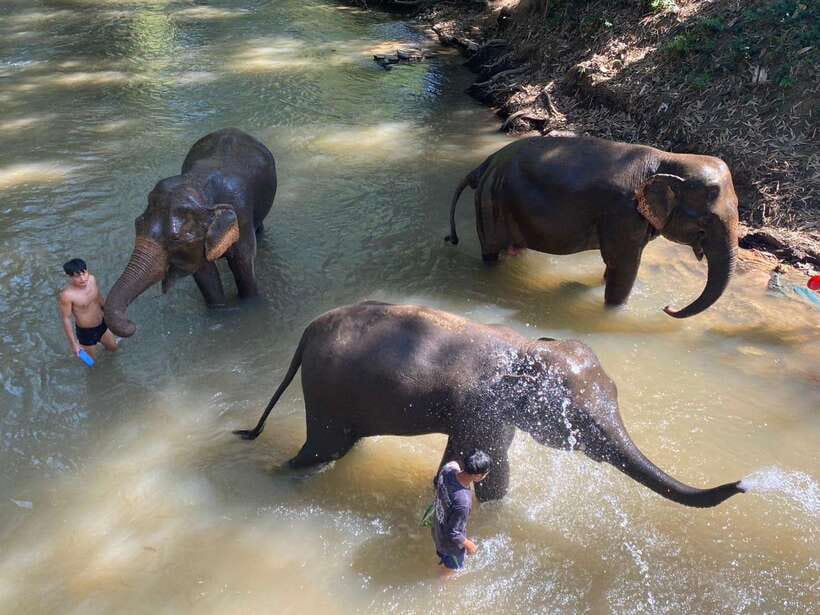
The walk leads toward a river, where you may join the elephants for a mud spa and bath. You can splash, scrub, and help clean them, but only if the animals choose to take part.
This is the most playful part of the day, and it is also the part that needs the most preparation. Bring a swimsuit, towel, and a full change of clothes, even though those items are not included in the basic bring list. Water shoes could also be useful, though they are not specifically required.
Do not assume the bath will happen exactly as pictured. The camp does not force the elephants to perform activities, so the river stop depends on their mood and routine. That uncertainty may disappoint anyone seeking a guaranteed bathing session, but it is a fair condition for respectful animal care.
You should also expect mud, wet clothing, and limited privacy compared with a hotel pool. Keep your phone protected and follow the caretakers’ instructions closely.
A home-cooked lunch in the village
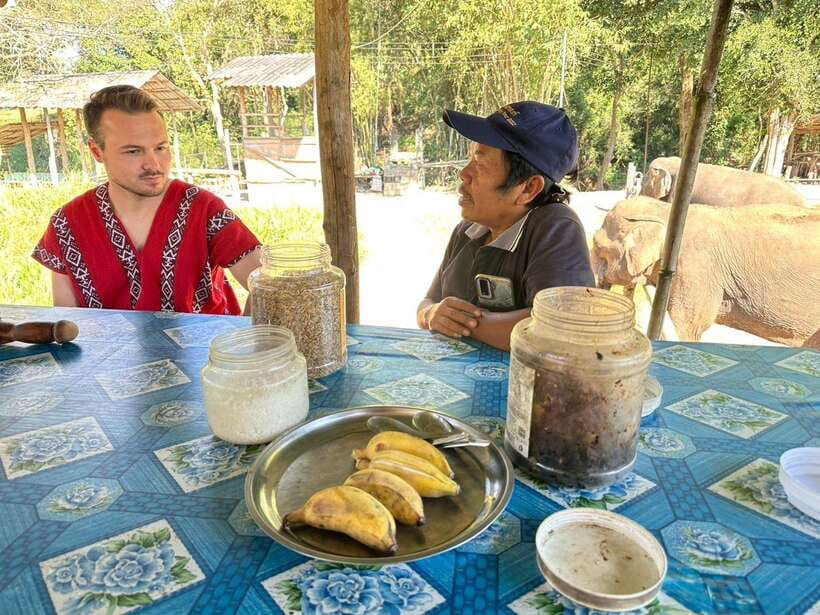
After the morning with the elephants, you return to the village for a complimentary local meal. The food is prepared by local families using fresh ingredients, and it is one of the strongest parts of the day for anyone who wants more than a standard restaurant stop.
The meal gives you time to slow down and see a little of village life. You may relax, help with small daily tasks, or simply sit and enjoy the quiet. This portion is not built around constant sightseeing, and that is intentional.
Food quality has been a consistent strength of the experience. One specific note is that the lunch was described as delicious, while another person found the chips cold. That sounds like a small point, but it captures the overall style: the meal is local and generous, not a carefully staged resort buffet.
Tell the operator about dietary restrictions in advance. The included food is a useful part of the $51 price, especially when combined with transportation, a guide, drinking water, elephant activities, and the waterfall stop.
Mae Wang Waterfall after the elephants

The final major stop is Mae Wang Waterfall, with about an hour for a visit, a walk, and free time. After the heat and activity of the elephant park, the water offers a welcome change of pace.
The waterfall is not guaranteed to feel secluded. It can be busy, especially at popular times, so adjust your expectations. You may find a pleasant natural break rather than a private wilderness stop.
Wear shoes with a good grip and keep your belongings secure around wet ground. The exact amount of time available may shift because the elephant program and road conditions are flexible. If the day runs long, the waterfall visit could feel shorter than planned.
Still, I like having this stop included. It prevents the day from being only a single animal encounter and gives you a chance to stretch, cool down, and enjoy northern Thailand’s mountain setting.
What $51 gets you
At $51 per person, this is a strong value if you want an active, locally connected day rather than a luxury outing. The price includes hotel pickup and drop-off in Chiang Mai, an English-speaking guide, drinking water, lunch, the elephant visit, and the waterfall stop.
The value depends heavily on your priorities. You are paying for access to a rural community, local food, transport into the hills, and time with rescued elephants under a no-riding policy. Those elements can cost more when booked separately, and arranging the transport on your own would not be simple.
You are not paying for a polished facility, a private guide, or a guaranteed minute-by-minute schedule. The ride may be uncomfortable, the day may run longer than five hours, and the waterfall may have other people there. In plain terms, you get authenticity and animal-focused contact in exchange for comfort and control.
Free cancellation up to 24 hours before the activity and a reserve-now, pay-later option make the booking less risky. Still, check the pickup zone and transport details before confirming.
Who should book this experience
I would choose this outing if you want:
- A no-riding elephant experience
- Time with mahouts and local families
- A flexible day shaped by the animals
- A home-cooked meal instead of a standard restaurant lunch
- A forest walk and waterfall stop
- A reasonably priced trip from Chiang Mai
You should think twice if you need a short, precise schedule. The transfer may be long, and the full outing can stretch to about seven hours. This is also not ideal if you want air-conditioned transport all day, though the vehicle may be an air-conditioned van for part of the route.
The experience suits active adults, couples, families with older children, and anyone who cares more about animal welfare than staged interaction. It may be less suitable for people with limited mobility or anyone who finds uneven walking and open-air transport uncomfortable.
The guide can make a real difference. Jimmy has led this outing, and the guide team speaks English. Good communication matters here because the schedule changes with the elephants, and you will want clear advice on walking, feeding, and bathing.
Practical preparation before you go
Wear light clothing that can handle mud and water. Pack a swimsuit, towel, spare clothes, sunscreen, sunglasses, a hat, insect repellent, and secure footwear.
Keep valuables to a minimum. The day includes an open-air vehicle, forest paths, a river, and a waterfall, so dry bags or waterproof phone protection make sense.
Tell the operator about dietary needs ahead of time. Also confirm the pickup point if your hotel is outside the five-kilometer Old City zone, since extra transport charges may apply.
Most important, leave room in your schedule. Do not place a dinner reservation, flight, or evening show too close to the expected return time. The advertised duration is five hours, but road travel and the flexible elephant routine can extend the day.
Should you book it?
Book this experience if you want to care for elephants in a natural setting, eat with a local community, and accept a little uncertainty. The rescued animals, no-riding policy, village meal, and personal contact with mahouts give the day a clear purpose.
Skip it if you want comfort, privacy, and a tightly managed timetable. The journey is long, the trucks may be rough, and the waterfall can be crowded.
For most people who value ethical animal contact and authentic rural experiences, $51 is a fair price. Just bring a towel, allow seven hours, and treat the schedule as a guide rather than a promise.
FAQ
How long does the Chiang Mai elephant experience last?
The stated duration is five hours, but the road journey and flexible schedule can make the outing last closer to seven hours. Allow extra time before booking another activity.
Is hotel pickup included?
Yes. Pickup and drop-off are included for hotels in and around Chiang Mai Old Town. Free transfer applies within five kilometers of the Old City, while locations farther away may cost extra.
Will I ride an elephant?
No. Elephant riding is not included. The elephants are not forced to perform, and the park does not use chains or hooks during the experience.
Are the elephants rescued?
Yes. The elephants at the park are described as rescued animals cared for by local mahouts.
What activities will I do with the elephants?
You may help prepare food, feed the elephants, walk with them, and join them for a mud spa or river bath. The exact activities depend on what the elephants want to do that day.
Is lunch included?
Yes. A complimentary local meal prepared by local families is included, along with drinking water. Tell the operator about dietary restrictions in advance.
What should I bring?
Bring sunglasses, a sun hat, sunscreen, and insect repellent. You should also bring a swimsuit, towel, and change of clothes because the river and mud bath may leave you wet.
What transport is used?
You may travel in a 12-seat air-conditioned van or an open-air pickup truck, then switch to a roofed 4×4 truck to reach the sanctuary.
More treks out of Chiang Mai
- Chiang Mai: Doi Inthanon Trip with Pha Dok Siew Guided Trek
★ 4.6 · 910 reviews - Chiang Mai: Doi Inthanon Park and Pha Dok Siew Trail Trek
★ 4.6 · 752 reviews - 4-Hour Doi Suthep & Hmong Hill Tribe Village from Chiang Mai
★ 4.7 · 696 reviews - Doi Inthanon Private Tour with Trek & Lunch from Chiang Mai
★ 5.0 · 622 reviews
More sanctuary visits near Chiang Mai
- From Chiang Mai: Elephant Care Program and Nursery Tour
★ 4.8 · 1,899 reviews - 3-in-1: Doi Inthanon Tour, Elephant Sanctuary, and Trekking Trail
★ 5.0 · 1,087 reviews - Chiang Mai Elephant Sanctuary, Bamboo Rafting and Waterfall Tour
★ 5.0 · 870 reviews - From Chiang Mai: Kerchor Eco Elephant Park Tour
★ 4.7 · 704 reviews
Just added in Chiang Mai
- No.1 Chiang Mai: Historical City Bike Tour★ 5.0 · 10 reviews
- Inthanon Day Trip from Chiang Mai with Lunch – Group or Private★ 5.0 · 182 reviews
- Jewellery Making Class with Silversmithing in Chiang Mai★ 4.5 · 11 reviews
- 10KM Inflatable Kayaking Adventure★ 5.0 · 23 reviews
- Chiang Mai: Historic Old City Bike Tour – Morning or Night★ 5.0 · 202 reviews
- Half-day E-bike Nam Phrae (hilly, fully paved roads, GUIDED)★ 5.0 · 122 reviews
- Inthanon Heaven Trail(Living Green Elephant Sanctuary)★ 5.0 · 52 reviews
- Half Day Car Hire with an English Speaking Driver in Chiang Mai★ 5.0 · 16 reviews
Elephant Sanctuary Visits, compared.
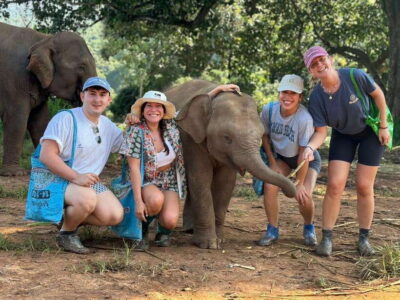
Chiang Mai: Elephant Sanctuary, Waterfall & Bamboo Rafting
Read our review →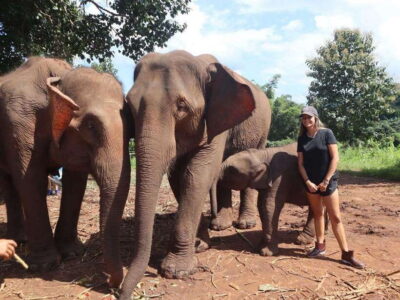
Chiang Mai: Elephant Sanctuary & Waterfall Group Tour
Read our review →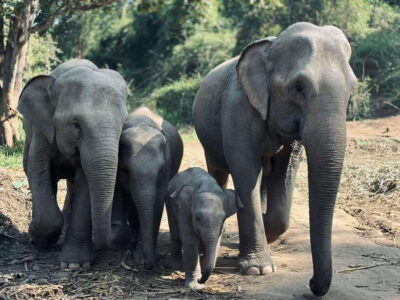
Chiang Mai: Elephant Sanctuary Feeding Program Half-Day Tour
Read our review →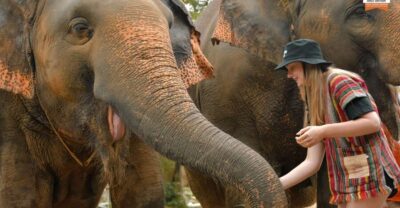
Phuket: Elephant Jungle Sanctuary Ethical Feeding Experience
Read our review →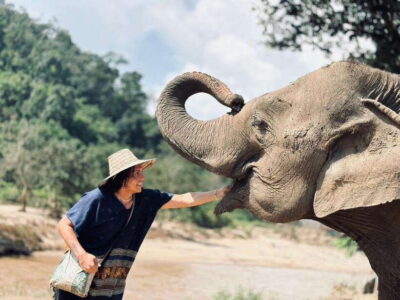
Chiang Mai: Elephant Sanctuary, Long Neck & Sticky Waterfall
Read our review →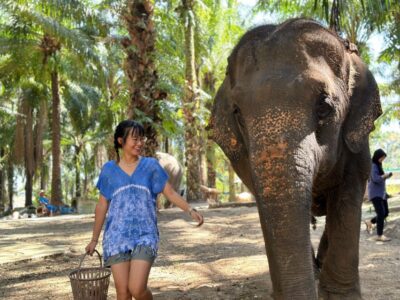
Krabi: Elephant Bathing Session at Krabi Elephant Shelter
Read our review →
Phuket: Elephant Sanctuary Guided Tour with Hotel Transfers
Read our review →