
Reviewed · ELEPHANT SANCTUARY VISITS
Chiang Mai: Ethical Half Day Elephant Sanctuary & Waterfall
The best thing about this Chiang Mai elephant experience is its clear boundary: you feed and watch the elephants, but you do not ride, bathe, or touch them. I like that the animals set the pace as they walk through the jungle, and I like that the day includes a simple Thai herbal craft instead of squeezing in more forced animal contact. The main drawback is the long transfer, about three hours round trip, often over rough roads.
I also like the calm setting in Mae Wang, where the waterfall gives you time to cool off and watch the elephants from a respectful distance. The $54 price covers transport, an English-speaking guide, lunch, water, elephant food, insurance, and a towel, so it is solid value for a full seven-hour outing. Bring a snack, though: one report found that the included meal came later than expected.
Key points before you book
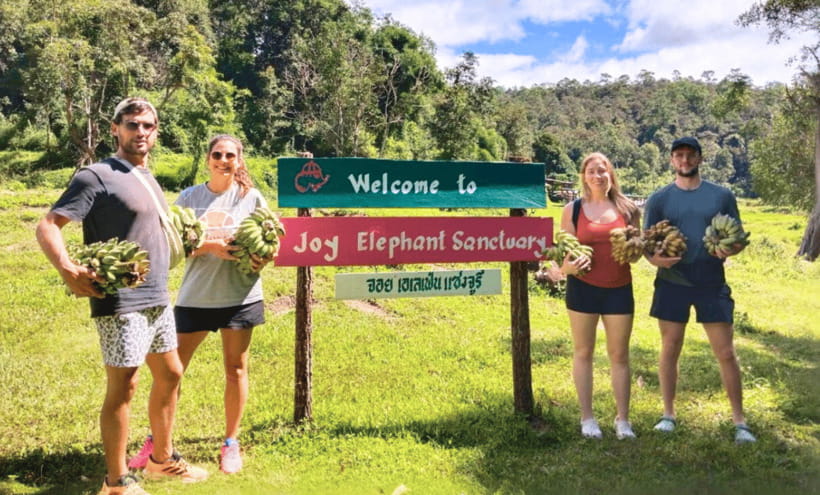
- No riding, bathing, or touching: The program keeps contact limited to feeding and observation.
- Elephants choose the pace: You walk alongside them as they forage and move through the jungle.
- Three hours of road travel: Pickup from central Chiang Mai is convenient, but Mae Wang is a long way out.
- Waterfall time is part of the day: You can cool off or swim, but the elephant program does not involve bathing with the animals.
- Lunch and a handmade souvenir: Expect Pad Thai, fruit, tea, and a Thai herbal inhaler craft.
- Best for animal-conscious visitors: You need to accept distance, rules, walking, and a natural setting rather than a staged elephant show.
Why Joy Elephant Sanctuary feels different
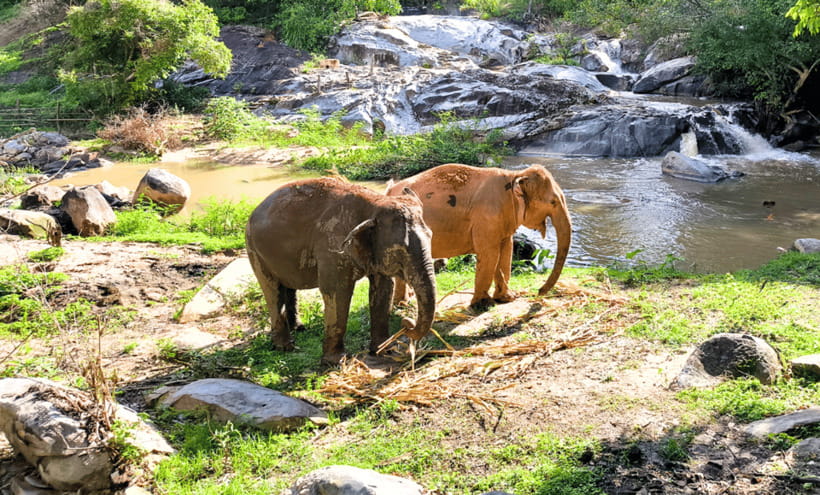
Elephant tourism in northern Thailand can be confusing. Many places use words such as sanctuary and rescue while still offering rides, shows, or bathing sessions. This program takes a stricter approach. The elephants are not asked to perform, and you are told to keep your hands to yourself.
That may sound like less, but it gives the visit a better purpose. You are there to watch natural behavior, not to turn a large wild animal into a petting attraction. Feeding is allowed, and you can get fairly close under staff direction, but the rules protect both you and the elephants.
I especially like the emphasis on observation. You may see an elephant choose where to walk, pause to eat, pull at roots, or move through the trees at its own speed. Those ordinary actions are the real show. You will not get a guaranteed photo of an elephant posing beside you, but you get a better sense of how the animals spend their time.
The English-speaking guide explains elephant care and the harm caused by older forms of tourism. The tone is educational rather than theatrical. Staff also watch the group closely, which matters when you are near an animal that may weigh several thousand pounds.
More Elephant Sanctuaries in Chiang Mai
- Chiang Mai: Elephant Sanctuary, Waterfall & Bamboo Rafting
★ 4.9 · 9,160 reviews - Chiang Mai: Elephant Sanctuary & Waterfall Group Tour
★ 4.9 · 5,780 reviews - Chiang Mai: Elephant Sanctuary Feeding Program Half-Day Tour
★ 4.8 · 4,527 reviews
The road from Chiang Mai to Mae Wang
Pickup is available from accommodation within 5 kilometers of Chiang Mai’s Old City. A minivan collects you in Mueang Chiang Mai District, then heads south toward Mae Wang. The drive takes about 1.5 hours each way, making transport a major part of the day.
The route takes you away from the city and into a more rural part of Chiang Mai Province. You might find the changing views worthwhile, but the road can be bumpy, especially on the final stretch. One account described shaking on the van and four-wheel-drive sections. That is not a reason to cancel, but it is a reason to avoid expecting a polished resort transfer.
A stop at a 7-Eleven for coffee and croissants has sometimes been included during the outward trip, but do not rely on that as your breakfast. Bring something small to eat. The official schedule lists lunch, yet one person found the main meal came after the excursion, close to dinner time. A snack is sensible, especially if you take the morning departure.
The long ride has one advantage: it makes the sanctuary feel separate from the city. This is not a quick animal encounter added between temple visits. Set aside the full seven hours, including transfers, and treat the road time as part of a countryside outing.
Feeding the elephants under clear rules
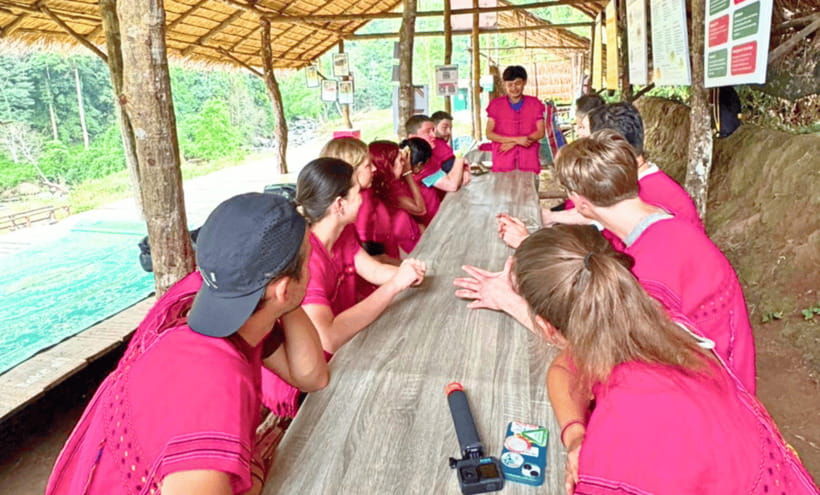
After arrival, the staff explain how to behave around the animals. Pay attention here. The rules are not empty ceremony. They determine how close you stand, where you walk, and how you respond if an elephant changes direction.
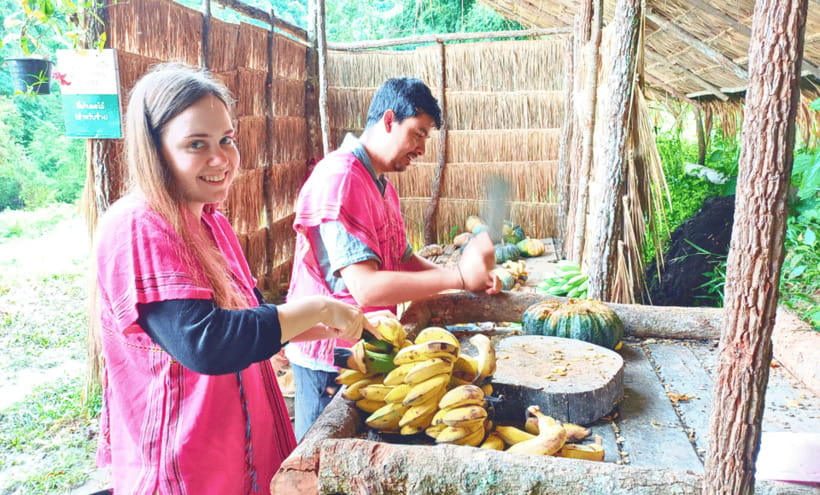
You help prepare or receive food, then feed the elephants by hand. Bananas and other fruit are mentioned in the experience, though the exact food can vary. Feeding gives you a direct way to participate without asking the elephants to do anything unnatural.
The key distinction is that feeding does not lead to touching. You should not reach for a trunk, stroke an ear, or pose with an elephant. The staff maintain this distance, and many people find that restraint makes the encounter feel more respectful.
You may still be close enough to notice the animals’ size, sounds, movements, and individual habits. The guide shares information about their care and past mistreatment, helping you understand why the sanctuary avoids physical contact and performances.
If you are bringing children, explain these rules before arrival. This is not a place where children can run up for a hug. The program suits families who can follow instructions and stay calm around animals.
Walking with the herd through the jungle
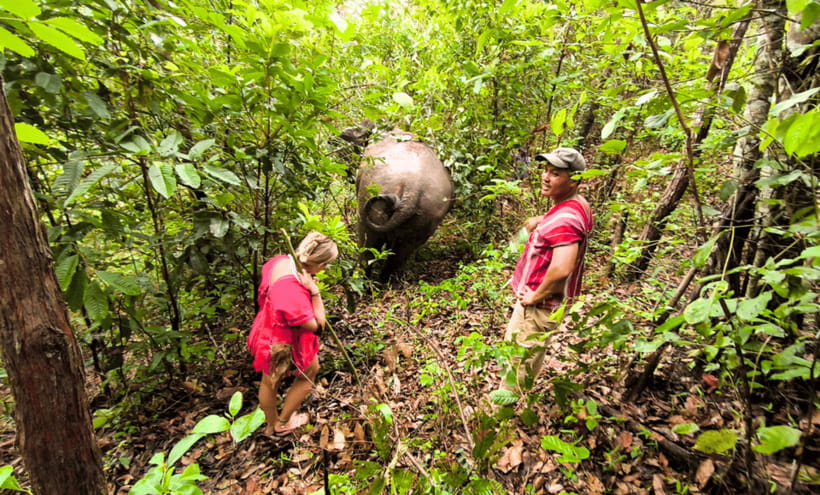
The central activity is a walk through the forest as the elephants forage. You do not lead them with ropes or command them along a fixed route. Instead, you follow the herd and adjust to its movement.
That can mean a slow walk, a pause while an elephant eats, or a short wait as the animals decide where to go next. One of the most appealing details is that the walk is not especially long, but it gives you time to watch the elephants graze and search for food.
This is where the ethical approach becomes visible. The guide does not need to make the elephants pose or repeat an action for photographs. You are there to notice what happens naturally. An older elephant may pull at a tree root, while another stops to browse. Small moments like these teach you more than a staged demonstration.
The jungle path may be uneven. Wear comfortable shoes with a good grip, and expect heat, humidity, mud, or insects depending on the season. The program is not suitable for wheelchair users, and anyone with limited walking ability should ask detailed questions before booking.
You should also be comfortable with the possibility that the animals may be partly hidden by trees. Natural observation is not a guaranteed close-up encounter every minute. The reward is a quieter, more honest visit.
More Waterfall Trips in Chiang Mai
- Chiang Mai: Elephant Sanctuary, Long Neck & Sticky Waterfall
★ 4.9 · 2,262 reviews - Doi Inthanon Waterfall and Royal Project Chiang Mai
★ 5.0 · 1,735 reviews - Chiang Mai: Sticky Waterfall & Angel Waterfall Park Day Tour
★ 4.8 · 1,371 reviews - Chiang Mai: Bua Thong Sticky Waterfall & Huge Cave & Buffet
★ 4.8 · 1,049 reviews
Cooling off at the waterfall
After the jungle walk, you head to a waterfall area in Mae Wang. The setting gives you time to rest, swim, or cool off while the elephants remain nearby but are not used for a bathing activity.
This point is important. The program does not offer bathing with elephants, and you should not expect to scrub, splash, or swim beside them. Some descriptions refer to seeing the animals near the water, but the ethical structure keeps you separate.
The waterfall is described as beautiful, though one person found it smaller than expected. Keep your expectations modest. This is a pleasant nature stop, not a major cascade or full-day swimming destination.
Bring swimwear, sandals, sunscreen, insect repellent, and a change of clothes. A towel is included. If you choose not to swim, you can sit by the water with tea and watch the setting instead.
The waterfall break also improves the rhythm of the day. After a warm walk, you get a chance to slow down before eating and making the craft. It is a useful pause rather than another tightly packed activity.
Pad Thai, fruit, tea, and the herbal craft
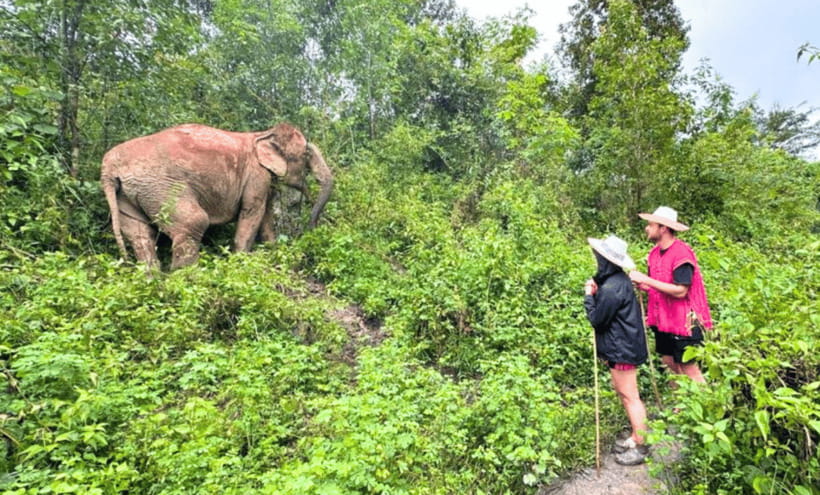
Food is included, usually Pad Thai with fresh fruit. Vegetarian Pad Thai has been available, and the meal is generally described as tasty and satisfying. Herbal tea is also part of the break, giving you a chance to sit and talk with the guide.
Because meal timing may vary, eat a light breakfast before pickup and carry a snack. The food is a welcome part of the package, but you should not expect a restaurant meal at a fixed lunchtime.
The final activity is a Thai cultural craft. You make a small herbal inhaler, sometimes called ya dom, using local herbs and spices. It is a practical souvenir and a better reminder of the day than a mass-produced elephant trinket.
I like this ending because it gives you something to do after the animals have returned to their own routine. You leave with a modest handmade item and a clearer idea of Thai herbal traditions. It also keeps the focus from resting entirely on taking photographs.
What $54 gets you
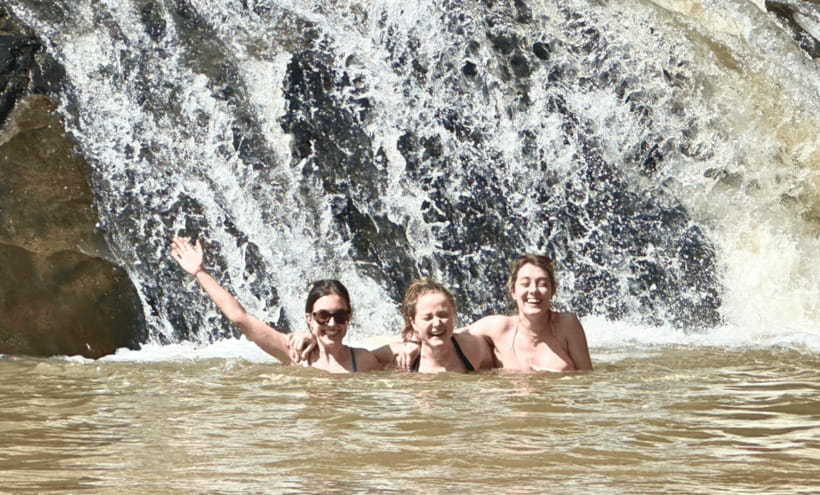
At $54 per person, this is good value if you want a full day with transport. The price includes round-trip pickup and drop-off, a guide, lunch, drinking water, elephant food, insurance, and a towel. You avoid arranging a separate driver to Mae Wang, which could otherwise be a costly and complicated part of the visit.
The value depends on your priorities. If you want a short elephant encounter close to Chiang Mai, the three-hour road journey may feel excessive. If you want a responsible sanctuary visit combined with countryside scenery, a waterfall, food, and a craft, the package makes more sense.
The group size is not specified, so do not book assuming a private visit or a tiny group. The guide-led format means the day depends on shared rules and a shared pace. That is helpful for safety, but it may limit how long you spend at any one elephant.
Free cancellation is available up to 24 hours before the activity for a full refund, and you can reserve now and pay later. Pickup is limited to accommodation within 5 kilometers of the Old City, so check your location before booking.
Who will enjoy this, and who may not
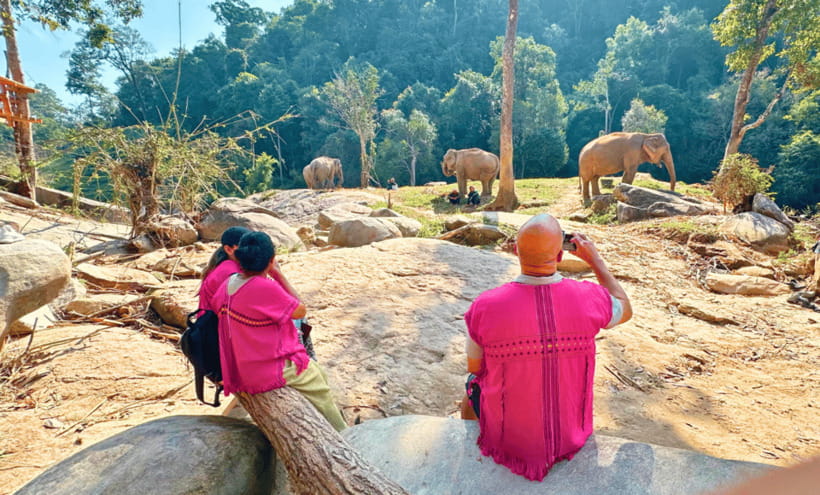
I would choose this experience if animal welfare is your first concern. The program is designed for you to see elephants without riding, bathing, touching, or forcing them into tourist activities. It is also a good match if you enjoy learning, walking, countryside drives, and simple local food.
It works well for solo visitors, couples, and families with older children who can follow instructions. The English-speaking guide helps if you want to ask questions about elephant behavior and care.
You may want another activity if you need wheelchair access, dislike long van rides, or want a luxury day with smooth roads and precise meal times. It is also not ideal if your main goal is to touch an elephant or swim with one. Those activities are specifically not part of the program.
Bring allergy medication if you need it, along with sturdy shoes, swimwear, a change of clothing, sandals, sun protection, and insect repellent. Pets and explosive substances are not allowed.
Should you book the Joy Elephant Sanctuary visit?
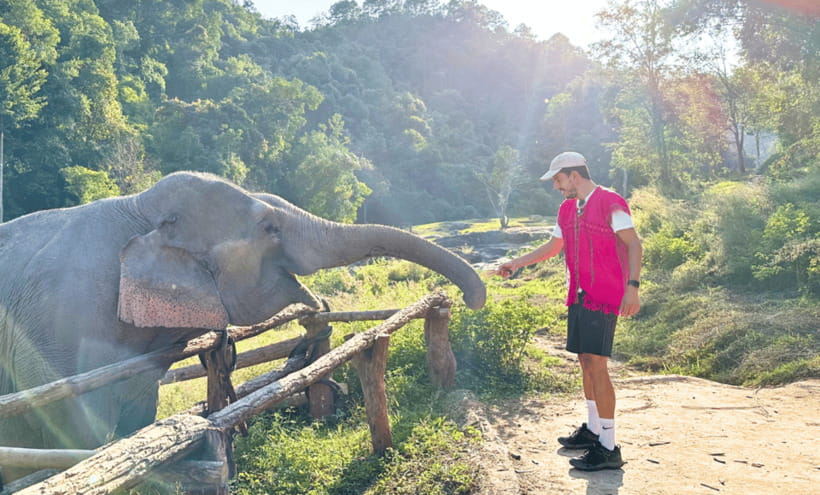
Book it if you want a respectful, observation-based elephant encounter and can accept the travel time. The strongest part of the day is not a single dramatic event. It is the steady pattern of feeding, watching, walking behind the herd, cooling off by the water, and learning why distance matters.
The main compromises are clear: a long transfer, an uneven walk, uncertain meal timing, and no touching or bathing. Those are not flaws in the ethical approach, but they may challenge what you expect from an elephant tour.
For me, the balance is favorable. At $54, you get transport, food, a guide, a waterfall stop, and a chance to see elephants behaving more freely than they would in a show setting. Bring a snack, wear shoes you can walk in, and book this one for the animals rather than for a staged photograph.
FAQ
How long does the Chiang Mai elephant sanctuary experience last?
The activity lasts 7 hours, including about 1.5 hours of travel each way between Chiang Mai and Mae Wang.
Where does pickup take place?
Round-trip pickup is available from accommodation within 5 kilometers of Chiang Mai’s Old City, in Mueang Chiang Mai District.
Are elephants ridden or bathed during the program?
No. The program does not include elephant riding, elephant bathing, or touching. You feed and observe the elephants while keeping a respectful distance.
Can I swim at the waterfall?
Yes. The waterfall stop provides time to cool off or swim. Bring swimwear, sandals, and a change of clothes. The elephants are not used for bathing with visitors.
Is lunch included?
Yes. Lunch, water, elephant food, and herbal tea are included. Pad Thai and fresh fruit are provided, and vegetarian Pad Thai has been available.
What should I bring?
Bring comfortable shoes, swimwear, a change of clothes, sandals, sunscreen, insect repellent, and any allergy medication you need. A towel is included.
Is the tour suitable for wheelchair users?
No. The experience is not suitable for wheelchair users because it includes travel to the sanctuary and walking in a jungle setting.
Can I cancel the booking?
You can cancel up to 24 hours in advance for a full refund. The reserve-now, pay-later option allows you to book without paying immediately.
More falls within reach of Chiang Mai
- Chiang Mai Half Day Tour: Sticky Waterfall & Hotel Transfer
★ 4.5 · 611 reviews - Chiang Mai: Doi Inthanon, Waterfalls, & Tribal Villages Tour
★ 4.2 · 484 reviews - Chiang Mai: Doi Suthep Temple and Waterfall by Songtaew Trio
★ 4.7 · 429 reviews - Doi Inthanon National Park, Waterfall & Royal Project Day Tour From Chiang Mai
★ 4.5 · 352 reviews
More sanctuary visits near Chiang Mai
- From Chiang Mai: Elephant Care Program and Nursery Tour
★ 4.8 · 1,899 reviews - 3-in-1: Doi Inthanon Tour, Elephant Sanctuary, and Trekking Trail
★ 5.0 · 1,087 reviews - Chiang Mai Elephant Sanctuary, Bamboo Rafting and Waterfall Tour
★ 5.0 · 870 reviews - From Chiang Mai: Kerchor Eco Elephant Park Tour
★ 4.7 · 704 reviews
Just added in Chiang Mai
- Meditation Retreat and Self-Care in Nature★ 5.0 · 46 reviews
- Chiang Mai: Evening Chanting & Meditation★ 4.5 · 69 reviews
- 1 Hour Deep Tissue Thai Massage with Balm – Free Transportation★ 5.0 · 64 reviews
- Whitewater Rafting Adventure★ 5.0 · 205 reviews
- 8 hour Sticky waterfall, ATV and White water rafting Adventures★ 5.0 · 308 reviews
- Chiang Mai: Art in Paradise Illusion Museum Entry Ticket★ 4.4 · 82 reviews
- Top Pick – Full or Half Day @Elephant in Wild Sanctuary ChiangMai★ 4.5 · 229 reviews
- The 10 Tastings of Chiang Mai With Locals: Private Street Food Tour★ 5.0 · 216 reviews
Elephant Sanctuary Visits, compared.
Chiang Mai: Elephant Sanctuary, Waterfall & Bamboo Rafting
Read our review →
Chiang Mai: Elephant Sanctuary & Waterfall Group Tour
Read our review →
Chiang Mai: Elephant Sanctuary Feeding Program Half-Day Tour
Read our review →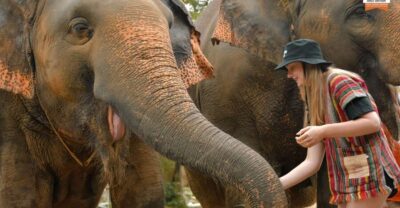
Phuket: Elephant Jungle Sanctuary Ethical Feeding Experience
Read our review →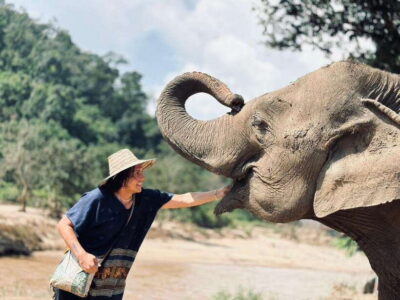
Chiang Mai: Elephant Sanctuary, Long Neck & Sticky Waterfall
Read our review →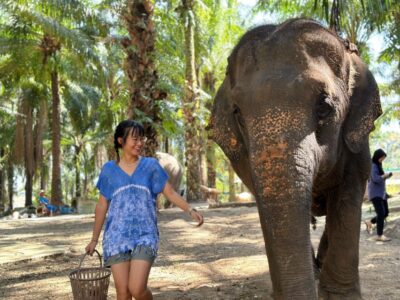
Krabi: Elephant Bathing Session at Krabi Elephant Shelter
Read our review →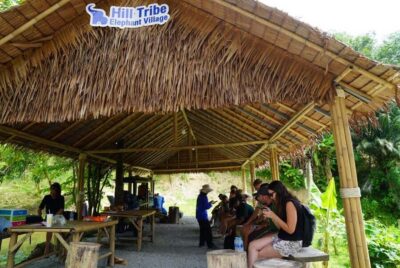
Phuket: Elephant Sanctuary Guided Tour with Hotel Transfers
Read our review →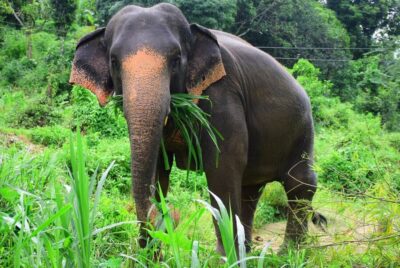
From Chiang Mai: Elephant Care Program and Nursery Tour
Read our review →Browse the lists this tour appears in