
Reviewed · ELEPHANT SANCTUARY VISITS
Chiang Mai: Ethical Elephant Encounter Feeding Program
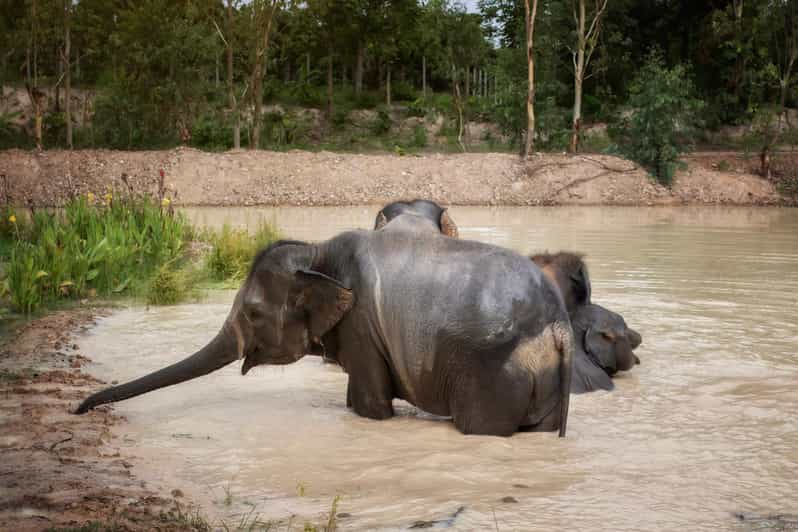
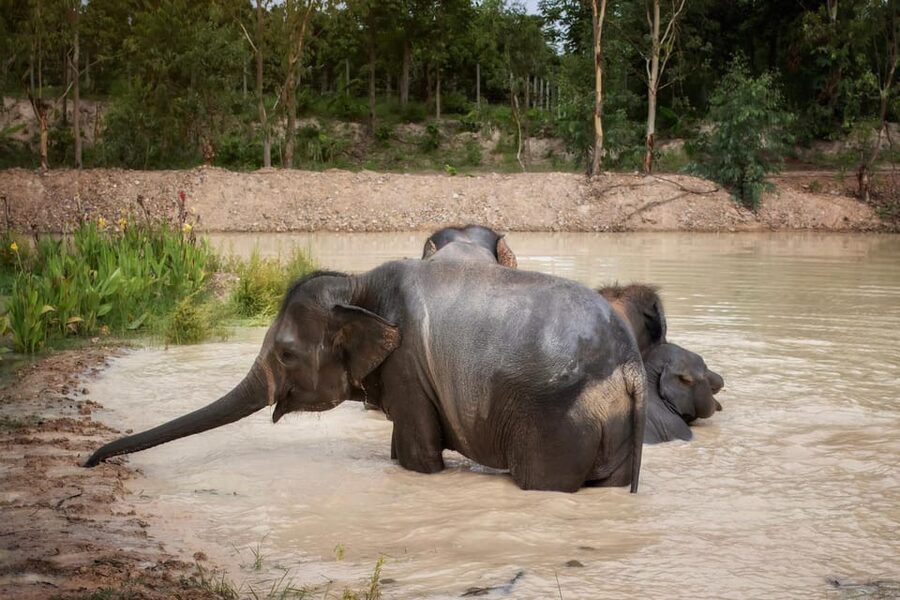
Chiang Mai’s Elephant Jungle Sanctuary offers something refreshingly simple: one hour with rescued elephants, focused on feeding, observing, and learning rather than riding or theatrical tricks. You meet the animals in a natural setting and get close enough to notice their size, calm movements, and social habits.
I like the small-group feel and the clear attention to elephant welfare. I also like that the visit can include more than a quick feeding session, with explanations about the animals’ past, care, communication, and, at times, an elephant education room or dung-paper craft.
The main drawback is the short running time. One hour is enough for a focused encounter, but not enough for a full day of bathing, walking, or extended care activities. The sanctuary is also somewhat remote, so arranging your return ride matters.
Key points to know before you book
- A focused one-hour visit: You spend most of the session feeding and observing elephants, making it useful for a tight Chiang Mai schedule.
- No riding or casual animal feeding: The program sets clear boundaries around contact, which supports a calmer experience for the elephants.
- A small sanctuary setting: There may be fewer elephants than at larger centers, but that can mean less crowding and a quieter visit.
- English and Thai guidance: Your guide explains elephant behavior, care, and safe ways to interact.
- Extra learning activities may be available: Some visits include elephant education, arts and crafts, or making paper from elephant dung.
- Plan your ride home: Transport is not included, and finding a new ride afterward can take time.
Meeting rescued elephants in a quieter setting
The first thing you notice is the change in pace. This is not built around a packed schedule of animal tricks. You arrive at the sanctuary, meet the guide, and receive instructions before moving close to the elephants.
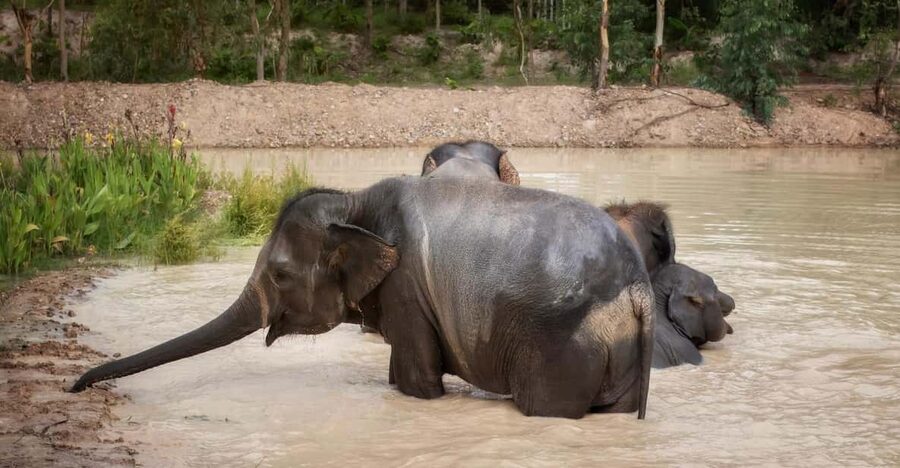
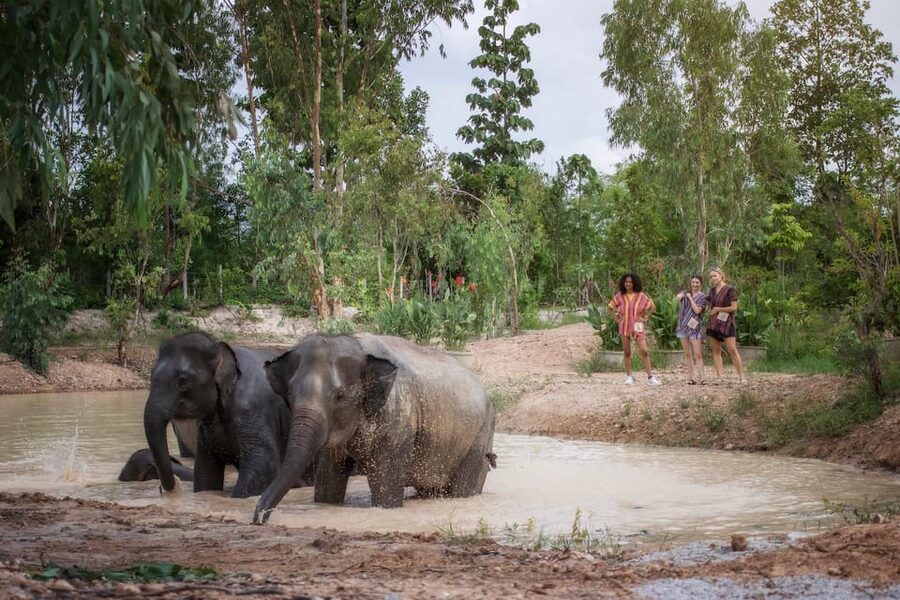
The setting is intended to feel peaceful and natural. You can watch the elephants go about their routines, then take part in feeding them with food supplied by the sanctuary. That combination matters. You are not simply handed a camera opportunity. You get a short explanation of why the animals behave as they do and how their daily care works.
The sanctuary appears to be a smaller operation, with fewer elephants than some of the large centers around Chiang Mai. I see that as both a strength and a limitation. A small site can feel less crowded and more personal, but you should not book it expecting a huge herd or a full-day program.
Some visits have included a very young elephant, including a two-week-old and a two-month-old calf at different times. The presence of a baby can be memorable, but it also makes the rules around distance, touching, and movement especially important. Follow the guide closely and avoid treating the calf as a prop for photographs.
More Elephant Sanctuaries in Chiang Mai
- Chiang Mai: Elephant Sanctuary, Waterfall & Bamboo Rafting
★ 4.9 · 9,160 reviews - Chiang Mai: Elephant Sanctuary & Waterfall Group Tour
★ 4.9 · 5,780 reviews - Chiang Mai: Elephant Sanctuary Feeding Program Half-Day Tour
★ 4.8 · 4,527 reviews
What happens during the one-hour program
The hour is built around three simple parts: an introduction, feeding and observation, and a short learning element.
Your guide begins by explaining how to behave around the elephants. The staff direct you on where to stand, where contact is suitable, and how much interaction is appropriate. This is one of the best features of the program because it puts the elephants’ comfort ahead of constant human contact.
You then receive elephant food and feed the animals yourself. The activity is hands-on, but it is not chaotic. You can watch how the elephants approach, use their trunks, and respond to the food while the guide adds facts about their feeding habits and care.
There is a difference between being close to an elephant and truly watching one. The feeding draws you in, while the quieter moments let you notice body language and social behavior. I recommend putting your camera down for at least part of the session. The best details are often the small ones, such as how an elephant reaches for food or pauses before moving away.
The final part may include more discussion or a hands-on activity. Depending on the visit, you might see an elephant education room, make a small item from elephant dung paper, or take part in arts and crafts. These additions are not the main reason to book, and they may not be the same for every group, but they give the hour more purpose than feeding alone.
Why the welfare rules matter

The program does not permit riding, smoking, or feeding animals outside the arranged activity. Those rules may sound basic, but they shape the whole visit.
You are not encouraged to climb onto the elephants or demand constant contact. Instead, the guide manages the interaction and allows the animals to step away and rest. Elephants can become hot and tired, just as people do, and the staff’s willingness to limit contact is a good sign for anyone trying to choose a more responsible experience.
The word ethical should never mean that you stop asking questions. A responsible visit should still respect the animal’s space, avoid forced behavior, and explain where the elephants came from. This program covers those subjects through its talks about the elephants’ backgrounds, care, behavior, and conservation efforts.
I especially appreciate that the visit does not treat petting as the whole point. You may be able to touch the elephants in approved places, but the guide controls that part of the experience. The goal is to observe and feed them safely, not to secure unlimited physical contact.
The guide makes a big difference
The quality of this one-hour experience depends heavily on the guide. There is no long itinerary to carry the visit, so clear explanations and a warm manner matter.
The guides speak English and Thai. English-speaking visitors can ask questions about elephant communication, behavior, feeding, and history. Several sessions have been praised for friendly, funny, and helpful guiding, and one guide even offered suggestions for the rest of a Chiang Mai stay.
The experience is not identical every time. One visitor felt that more explanation about the elephants would have improved the session, while others found the information just right for an hour. That is a fair point. If you want a detailed lecture about Thai elephant conservation, you may find the program too brief. If you want a clear introduction before feeding, the amount of information should work well.
Ask questions while you have the guide nearby. The short format means you should not wait until the last five minutes. Ask where the elephants came from, how they spend their day, and why certain types of contact are restricted.
Other sanctuaries you can visit from Chiang Mai:
- Chiang Mai: Elephant Sanctuary, Long Neck & Sticky Waterfall
★ 4.9 · 2,262 reviews - From Chiang Mai: Elephant Care Program and Nursery Tour
★ 4.8 · 1,899 reviews - 3-in-1: Doi Inthanon Tour, Elephant Sanctuary, and Trekking Trail
★ 5.0 · 1,087 reviews - Chiang Mai Elephant Sanctuary, Bamboo Rafting and Waterfall Tour
★ 5.0 · 870 reviews
Group size and timing can shape the visit
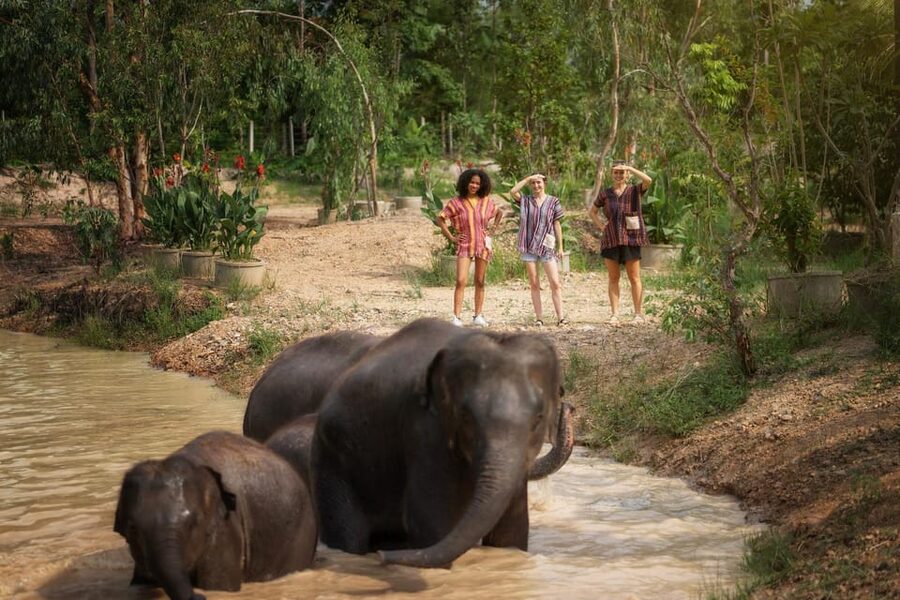
The sanctuary can feel very different depending on how many people are booked into your time slot. Some sessions have had only one or two people, creating a calm, personal encounter. That is a major advantage if you prefer space and do not want to compete for a feeding position.
Early morning may help you avoid larger crowds. A low-season afternoon can also be quiet, but you should not assume every time slot will be private. The availability shown when you book is the best guide to the schedule, while the actual group size may vary.
A small group gives you more time to listen and ask questions. It also makes photographs easier. At times, a photographer has been available to take pictures at no extra charge, but this should be treated as a possible bonus rather than a guaranteed service.
The one-hour format is ideal if you are combining this with another Chiang Mai activity. It can fit neatly into a morning or afternoon without taking over your day. On the other hand, the hour passes quickly. If you want to spend a long stretch preparing food, walking with elephants, or helping with care, choose a longer program elsewhere.
Getting there and planning your return
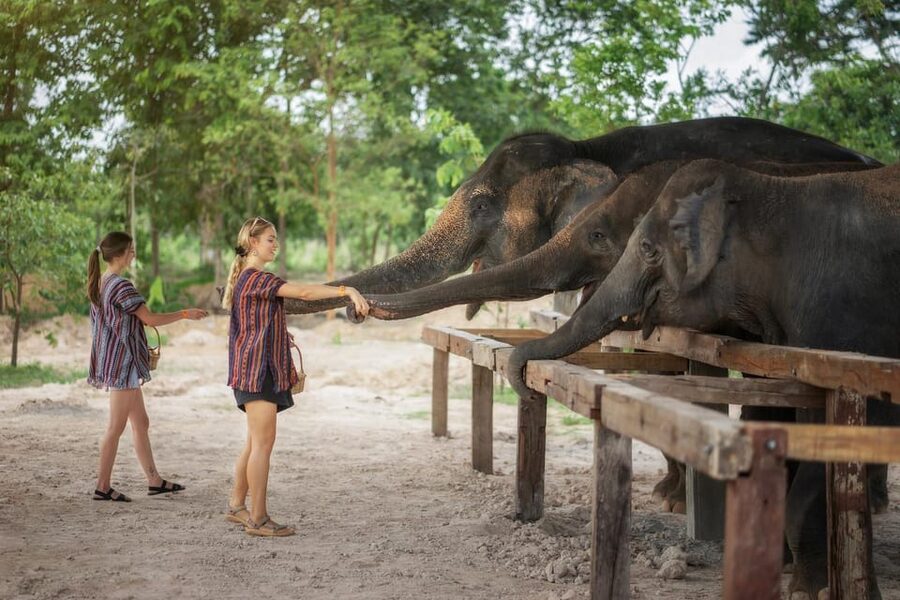
Transportation to and from the sanctuary is not included. You need to reach the meeting point at least 10 minutes before your start time.
The site is somewhat remote, and this is the practical issue most likely to catch you out. A ride-hailing car may take you there, but finding another car for the return journey can be slow. If your driver is willing to wait, paying for waiting time may be sensible. It can save you from standing around after the activity, especially if you have a later reservation.
This is not a reason to skip the program. It is simply part of the planning. Allow extra time, keep water with you, and do not schedule a tight connection immediately afterward.
The price is $22 per person, including accident insurance, elephant food, and one drink. Since the program lasts only an hour, some people may find the cost high compared with a longer day tour. I see the value in its focused format: you pay for a short, structured encounter rather than a large package filled with transport, meals, and several activities you may not want.
If you are short on time, the price is easier to justify. You get the core elements many people want, including close observation, feeding, guidance, and a welfare-focused introduction. Meals and transport cost extra, so include those in your total budget.
What to bring for comfort
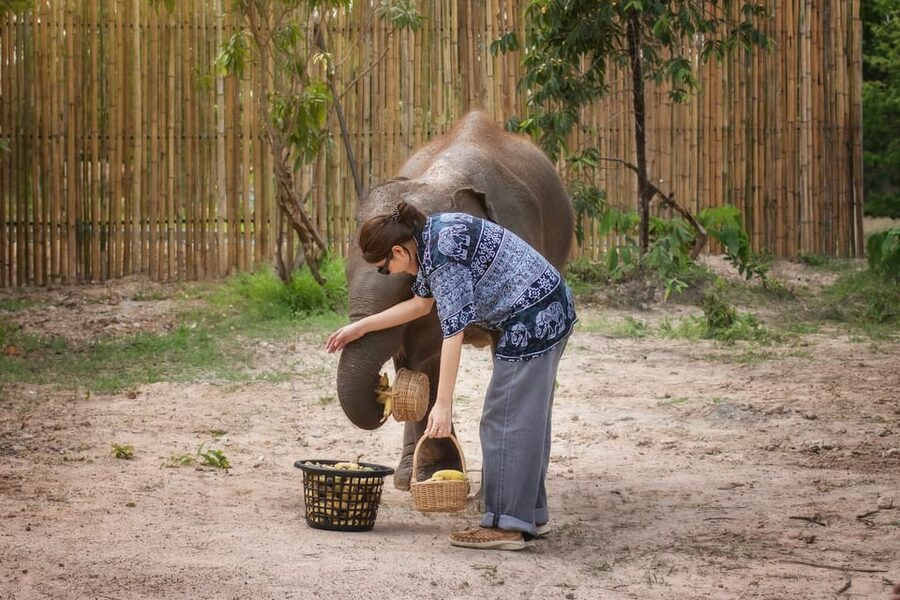
Chiang Mai can be hot, and the sanctuary visit takes place outdoors. Bring a hat, sunscreen, water, insect repellent, and comfortable clothing. Shoes should be suitable for walking.
A camera is worth bringing, but keep it secondary to the instructions. Elephants are powerful animals, and a good picture is never a reason to move closer than the guide allows.
There is one confusing point in the practical information: elephant food is included, while feeding animals outside the arranged activity is not allowed. The sensible reading is that you may feed the elephants only with the food supplied and at the time directed by staff. Do not bring extra snacks or try to feed other animals.
Smoking is not permitted. Respecting that rule helps keep the sanctuary calm and protects both people and animals.
Who will enjoy this Chiang Mai elephant encounter
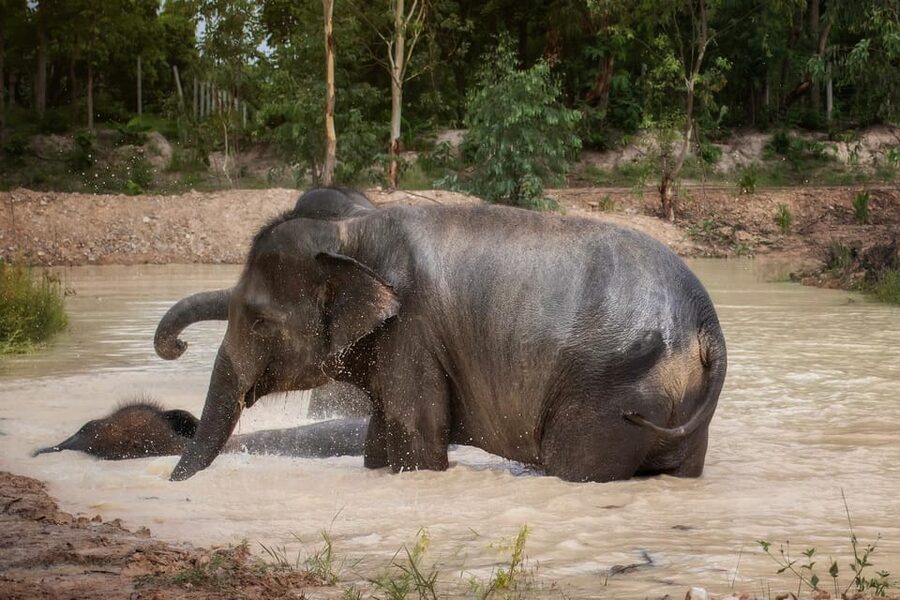
I would choose this program for several types of visitors:
- You have only an hour available but still want a meaningful elephant experience.
- You prefer feeding and observation to riding or staged performances.
- You want a smaller setting rather than a large center with a packed schedule.
- You are visiting with family and want something educational as well as entertaining.
- You value clear animal-welfare rules and a guide who explains them.
- You are already near the sanctuary or another attraction in the same part of Chiang Mai.
I would be more cautious if your main goal is a full day with elephants. This is not a bathing, trekking, or extended care program based on the information available. It is a short introduction with direct contact and learning.
It may also disappoint you if you expect a large herd. The smaller number of elephants is part of the appeal, but it also means the experience has a limited scale.
Is $22 good value for one hour?
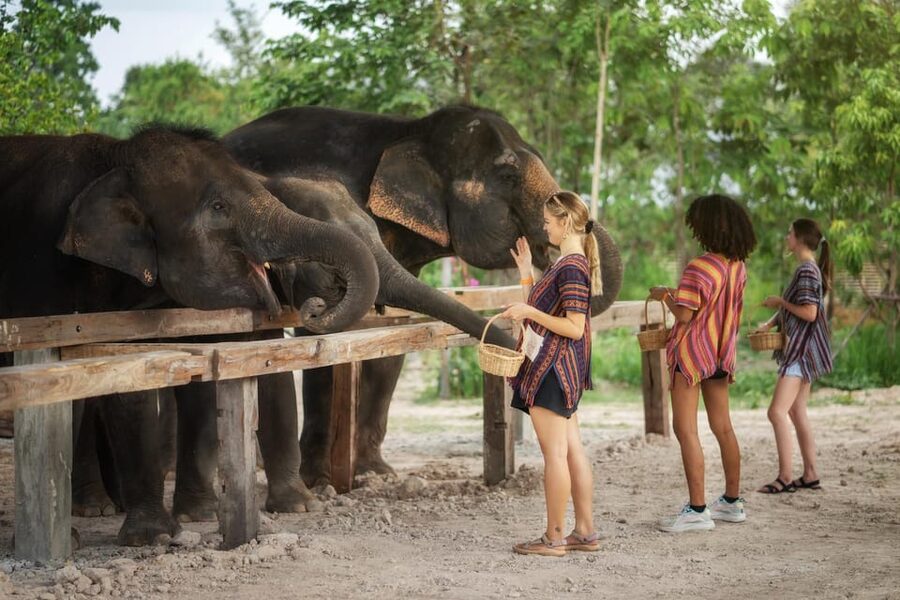
The answer depends on what you want from the day.
For a full-day elephant visit, $22 would sound unusually low, but this is not that kind of tour. It is a compact activity priced for visitors who want the essentials without paying for meals, transfers, and a long list of extras.
You get the elephant food, a drink, accident insurance, a guide in English or Thai, and time close to rescued elephants. Occasional extras such as dung-paper crafts or a photographer can make the visit feel fuller, but they should not be the basis for your booking decision.
The strongest value is convenience within a busy itinerary. You can learn about elephant care, feed them, and leave with a better sense of their behavior without sacrificing an entire day. The weak point is that the hour may leave you wishing for more time, especially if you form a connection with a particular elephant.
Should you book this program?
Book it if you want a short, calm, welfare-minded elephant encounter and you are willing to arrange your own transport. The small setting, clear contact rules, friendly guides, and educational touches give the visit more substance than a quick photo stop.
Think twice if you want a long day of elephant care or a large collection of animals. In that case, a longer program may suit you better.
For most visitors with limited time, I would book an early slot if available, bring water and sun protection, ask the guide plenty of questions, and arrange the ride home before you arrive. At $22, this is a sensible way to meet elephants without turning the experience into a rushed parade of tricks.
FAQ
How long does the elephant encounter last?
The activity lasts one hour. That time is used for learning about the elephants, feeding them, observing their behavior, and following the guide’s instructions for safe contact.
What is included in the price?
The $22 price includes elephant food, accident insurance, and one free drink per ticket.
Is transportation included?
No. You must arrange transportation to and from the sanctuary yourself and meet at the sanctuary 10 minutes before the start time.
Can I ride the elephants?
No. Riding the animals is not allowed. The program focuses on feeding, observation, learning, and controlled interaction.
What languages are available?
Live guiding is available in English and Thai.
What should I bring?
Bring a hat, camera, sunscreen, water, comfortable clothing, suitable walking shoes, and insect repellent. Smoking is not permitted, and you should not bring food to feed the animals.
Just added in Chiang Mai
- No.1 Chiang Mai: Historical City Bike Tour★ 5.0 · 10 reviews
- Inthanon Day Trip from Chiang Mai with Lunch – Group or Private★ 5.0 · 182 reviews
- Jewellery Making Class with Silversmithing in Chiang Mai★ 4.5 · 11 reviews
- 10KM Inflatable Kayaking Adventure★ 5.0 · 23 reviews
- Chiang Mai: Historic Old City Bike Tour – Morning or Night★ 5.0 · 202 reviews
- Half-day E-bike Nam Phrae (hilly, fully paved roads, GUIDED)★ 5.0 · 122 reviews
- Inthanon Heaven Trail(Living Green Elephant Sanctuary)★ 5.0 · 52 reviews
- Half Day Car Hire with an English Speaking Driver in Chiang Mai★ 5.0 · 16 reviews
Elephant Sanctuary Visits, compared.
Chiang Mai: Elephant Sanctuary, Waterfall & Bamboo Rafting
Read our review →
Chiang Mai: Elephant Sanctuary & Waterfall Group Tour
Read our review →
Chiang Mai: Elephant Sanctuary Feeding Program Half-Day Tour
Read our review →
Phuket: Elephant Jungle Sanctuary Ethical Feeding Experience
Read our review →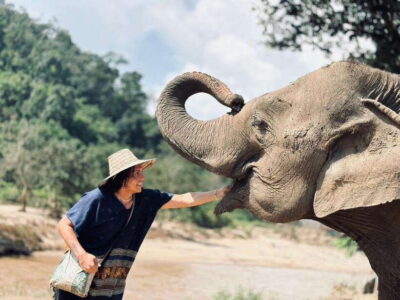
Chiang Mai: Elephant Sanctuary, Long Neck & Sticky Waterfall
Read our review →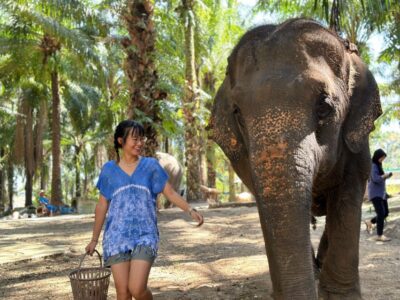
Krabi: Elephant Bathing Session at Krabi Elephant Shelter
Read our review →
Phuket: Elephant Sanctuary Guided Tour with Hotel Transfers
Read our review →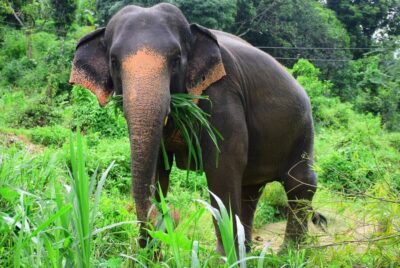
From Chiang Mai: Elephant Care Program and Nursery Tour
Read our review →Browse the lists this tour appears in