
Reviewed · ELEPHANT SANCTUARY VISITS
Chiang Mai: Elephant Sanctuary Local Hill Tribe Caretakers
The best part of this Chiang Mai outing is the quiet contact with elephants. You help prepare food, watch their behavior, guide them toward a mud bath, and meet them in the river. There are no rides or staged performances, which keeps the focus on care rather than tricks.
I like two things in particular: the program supports local caretakers, and the waterfall hike gives the morning some welcome variety. You are not spending four straight hours beside an elephant camp. The main caution is timing. The listed duration is four hours, but one booking experience ran much longer and caused problems with an afternoon plan.
Key points to know before booking
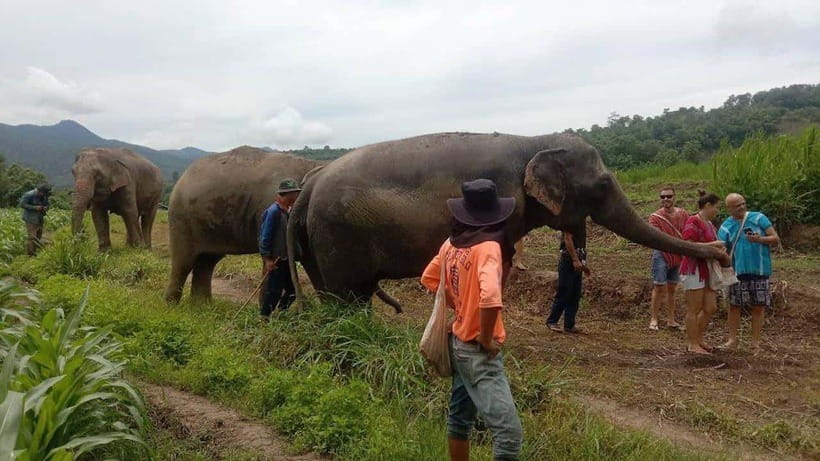
- Elephant care comes first: Feed the elephants, help with mud bathing, and bathe with them in the Mae Wang River.
- No rides or shows: This is a hands-on care visit, not a performance-based elephant attraction.
- Mae Wang Waterfall adds a real outing: Set aside about one hour for the forest hike.
- Local community connection: The program is linked with Karen and Hmong ways of life and local caretakers.
- Lunch is included: Expect a traditional Thai meal in the peaceful sanctuary setting.
- Check the pickup area carefully: A pickup misunderstanding led to one guest missing the tour and disputing the refund.
Meeting the elephants near Chiang Mai
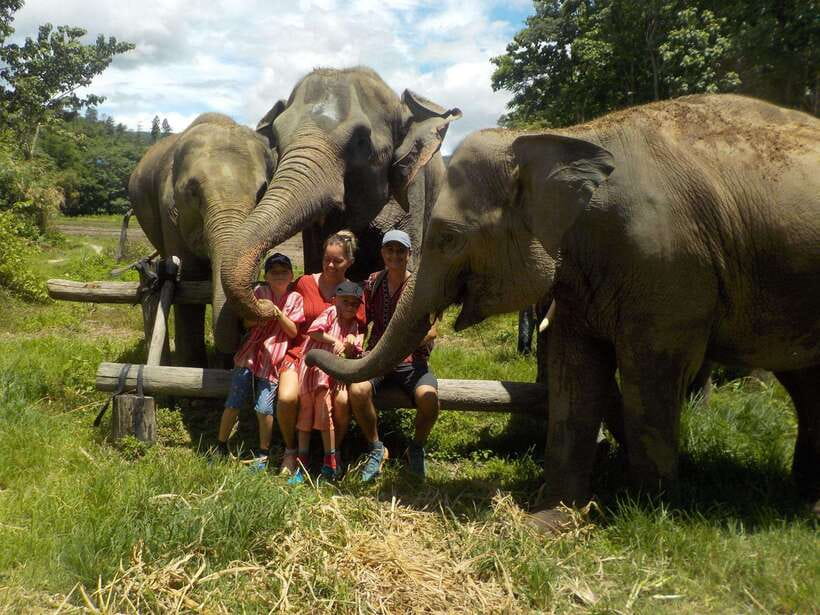
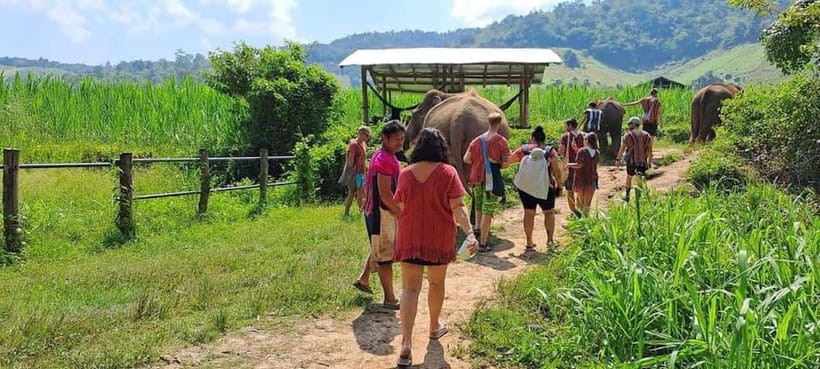
This is a good choice if you want a close elephant encounter without riding. The program takes you from Chiang Mai into the surrounding countryside, where the animals are cared for by local hill tribe caretakers.
The language around ethical tourism matters here. You are not simply watching elephants perform. The activities center on feeding, walking, mud bathing, and river bathing. Those are still active encounters, but they are framed around the animals’ care and natural behavior rather than a stage schedule.
I like that the experience gives you useful work to do. You help prepare and feed the elephants, then learn why mud is part of their routine. The mud helps cool their bodies and protect their skin. After that, you join them in the Mae Wang River for a wash and a bit of playful splashing.
You should still keep your expectations sensible. This is a supervised elephant encounter, not a chance to wander off alone with the animals. The description does not give a group size or promise a private visit, so expect to share the setting and instructions with other people.
The provider is Johnny Boy Treks, and the activity is described as being led in English. No individual guide name is provided, so you should not book this expecting a particular named guide.
More Elephant Sanctuaries in Chiang Mai
- Chiang Mai: Elephant Sanctuary, Waterfall & Bamboo Rafting
★ 4.9 · 9,160 reviews - Chiang Mai: Elephant Sanctuary & Waterfall Group Tour
★ 4.9 · 5,780 reviews - Chiang Mai: Elephant Sanctuary Feeding Program Half-Day Tour
★ 4.8 · 4,527 reviews
The morning trip from Chiang Mai
Pickup takes place in the morning between 8:00 and 8:30 AM. The drive to the elephant camp takes about one hour, so the transfer is a meaningful part of the outing, not a quick hop across town.
That travel time is worth considering when you compare this with shorter elephant visits closer to Chiang Mai. You spend more of the morning on the road, but the destination offers both elephant care and a forest hike. The setting is intended to feel peaceful and less commercial than a show-focused camp.
Pickup details deserve special attention. The activity says round-trip transportation from Chiang Mai is included, but one booking issue arose because a hotel was later judged to be outside the pickup zone. Confirm that your hotel is covered before you pay. This is the most practical warning attached to the experience.
The listed return is around 2:00 PM, although the advertised duration is four hours and one booking ended up taking the whole day. If you have a cooking class, flight, spa appointment, or other fixed plan afterward, leave plenty of room. I would not put this tour before an important afternoon commitment.
Feeding and learning the elephants
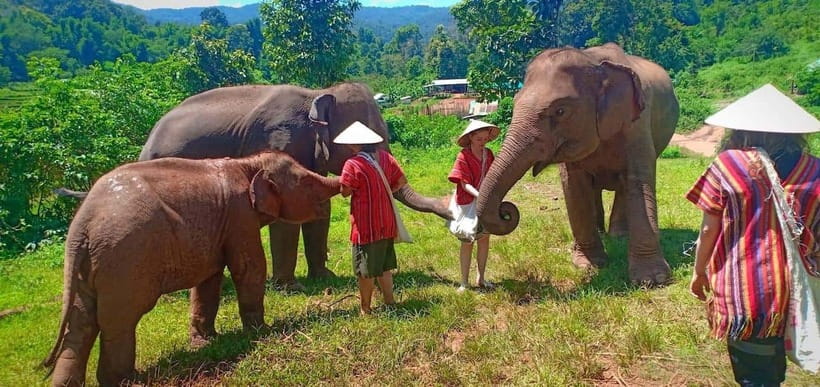
At Johnnyboy Elephant Care, the first stage is an introduction to the sanctuary’s mission and the animals living there. You learn how to prepare food and feed the elephants while the guide explains their behavior.
This is where the visit gains substance. Feeding gives you a reason to watch carefully. You can notice how the animals respond, how the caretakers manage the interaction, and how much attention goes into routine care. The program is not built around simply posing beside an elephant for a photograph.
The word natural should still be read in a practical way. The elephants are in a managed sanctuary environment, and people are directing the activity. The benefit is that the program avoids rides and shows, while still letting you take part in daily care.
You will want to keep your camera ready, but do not let photography become the whole point. The experience includes direct contact, and the most valuable moments may be watching the caretaker rather than trying to frame a perfect picture.
The activity information says not to feed animals outside the planned program. Follow that rule closely. Feeding should happen under the guide’s direction, both for your safety and for the animals’ routine.
Mud baths and the Mae Wang River
The mud bath is one of the clearest signs that this is meant to be a care-based encounter. You help the elephants coat themselves in mud, which cools them and helps protect their skin.
Expect to get dirty. Bring swimwear, a towel, flip-flops, and a complete change of clothes. Sunscreen and insect repellent are also sensible additions, especially since part of the day takes place outdoors near the forest and river.
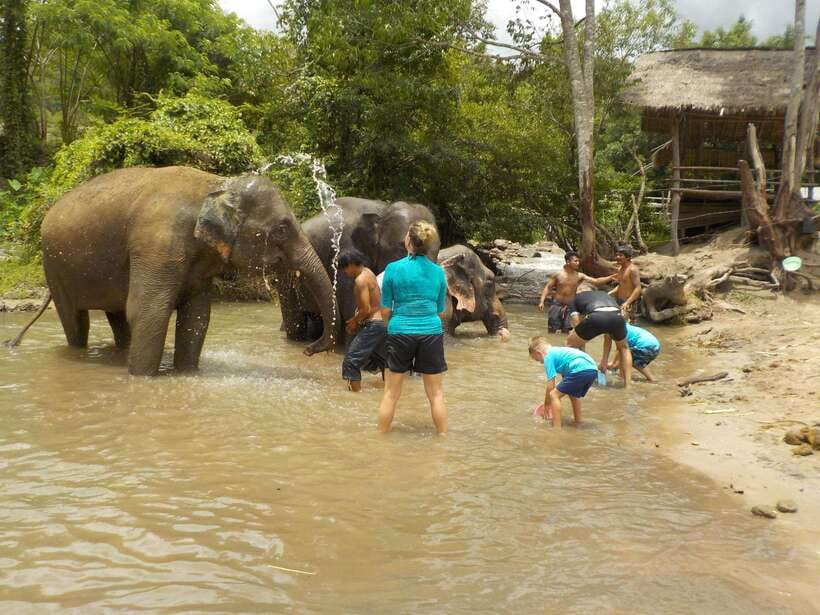
The river bath follows the mud activity. You meet the elephants in the Mae Wang River and help wash them. This is likely to be the most playful part of the program, but you should remember that the elephants control the mood. The outing promises a river bath, not a guaranteed photo moment or a fixed sequence of tricks.
Water shoes are not listed among the required items, so flip-flops are the stated footwear suggestion. Take care on wet ground, and keep your camera protected from splashes. The supplied information does not specify changing facilities, so having dry clothing packed in an easy-to-reach bag is wise.
Smoking and alcohol are not allowed in the vehicle. Those rules are simple, but they matter on a rural transfer where everyone shares a small travel space.
Other sanctuaries you can visit from Chiang Mai:
- Chiang Mai: Elephant Sanctuary, Long Neck & Sticky Waterfall
★ 4.9 · 2,262 reviews - From Chiang Mai: Elephant Care Program and Nursery Tour
★ 4.8 · 1,899 reviews - 3-in-1: Doi Inthanon Tour, Elephant Sanctuary, and Trekking Trail
★ 5.0 · 1,087 reviews - Chiang Mai Elephant Sanctuary, Bamboo Rafting and Waterfall Tour
★ 5.0 · 870 reviews
Thai lunch in a peaceful setting
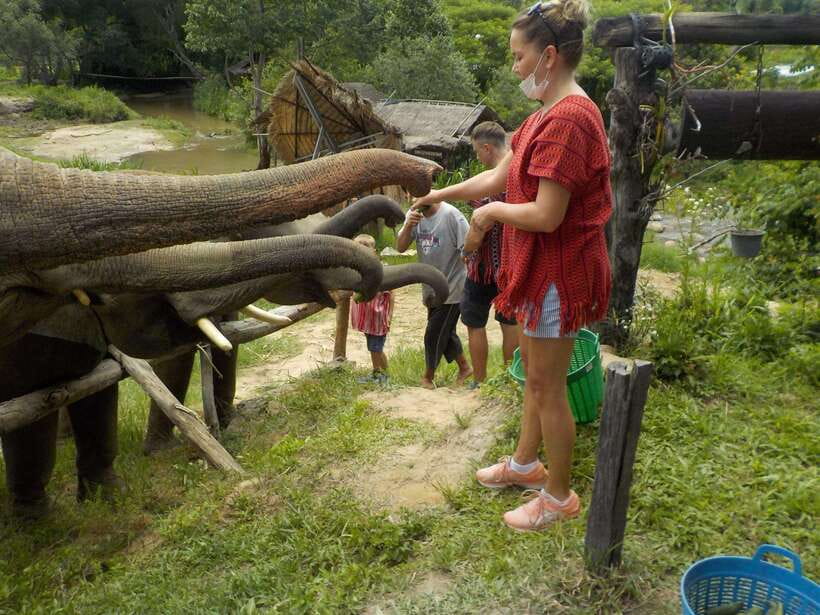
Lunch is included, and the meal is described as traditional Thai food served in the sanctuary surroundings. This gives you a natural pause after the feeding and bathing activities.
The food is part of the value, not just a minor extra. At $51 per person, the price covers transportation from Chiang Mai, the guided elephant program, the waterfall visit, and lunch. A comparable private arrangement could cost more once you add a vehicle and guide, although this activity does not state that the group is private.
Do not expect a restaurant stop in Chiang Mai. You are eating at or near the sanctuary, which suits the setting but may offer fewer choices than a city meal. The supplied information does not list menu items or dietary options. If you have food restrictions, ask about them before booking rather than assuming the lunch can be adjusted.
The meal also breaks up the day. Without it, the activity would feel like a quick animal encounter followed by a drive back. With lunch included, you have time to slow down and take in the setting.
Hiking to Mae Wang Waterfall
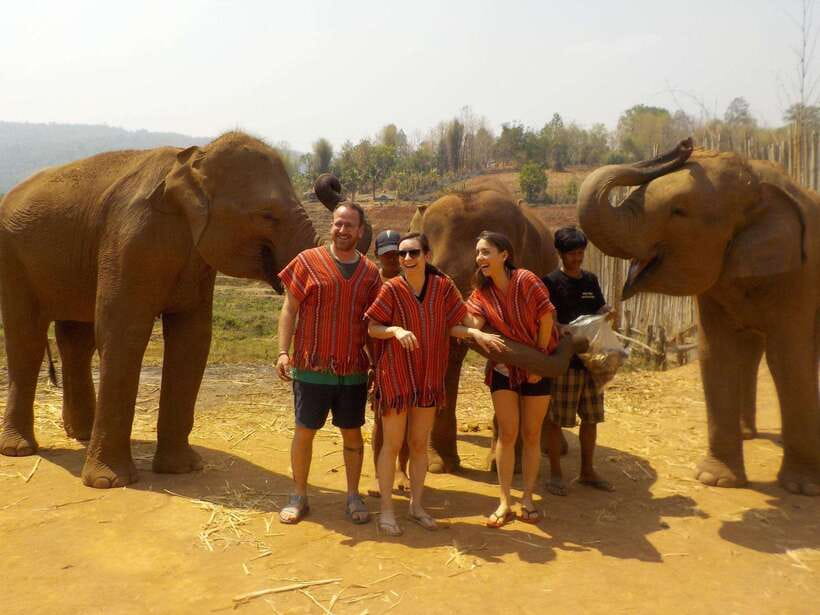
The second major part of the outing is a one-hour hike through lush forest to Mae Wang Waterfall. This is not a token photo stop. You should expect a walk, uneven ground, and outdoor conditions.
I like the addition because it gives the day a second focus. The elephants are the headline, but the waterfall keeps the outing from feeling like a single-purpose camp visit. You get a glimpse of the forest around Mae Wang and a chance to stretch your legs after the animal activities.
The hike may not suit everyone. The tour is not suitable for people with back problems, and the activity is also not recommended for pregnant women or children under two. The description does not provide a difficulty rating, trail surface, or amount of elevation gain, so anyone with limited mobility should ask for more detail before booking.
Wear clothes that can handle both water and walking. Swimwear under your clothes, a towel, insect repellent, sunscreen, and a change of clothing make sense. A camera is welcome, but keep it secure during the hike and river portion.
The waterfall stop helps explain why the advertised outing can become longer in practice. Transport, elephant care, lunch, and a one-hour trek require steady movement. If you are booking for a strict four-hour window, confirm the actual schedule.
Karen and Hmong community connections
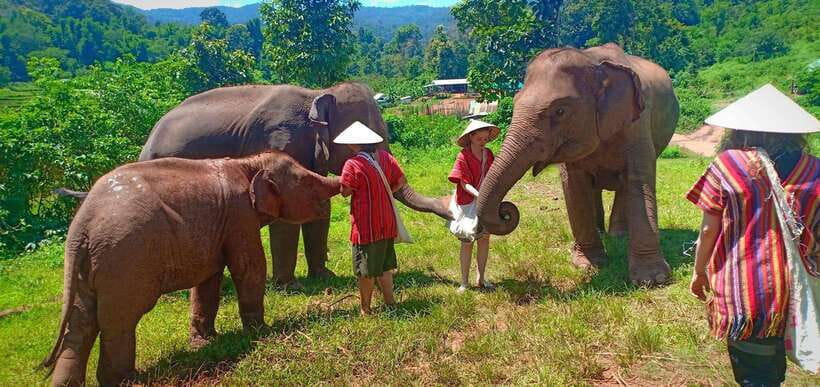
The activity highlights the way of life of local Karen and Hmong communities and identifies local hill tribe caretakers as part of the experience. This is important context, since the program is not presented as an isolated animal park.
The community connection gives your money a wider purpose. You are paying for transport, food, guiding, and a local care program rather than only buying admission to watch animals. The activity also frames itself around sustainable tourism, with no rides or shows.
You should keep the cultural part in proportion. The supplied schedule gives the most detail to elephant care and the waterfall hike. It does not promise a long village visit, craft workshop, homestay, or formal cultural performance. Think of the community element as context for the caretakers and the sanctuary, not a separate full-day cultural tour.
That can be a strength. You receive a focused program rather than a packed schedule of staged stops. Still, if your main goal is a detailed study of Karen or Hmong culture, this may not go far enough on its own.
What the $51 price really covers
At $51 per person, the cost is reasonable if you value the complete package. You get round-trip transport from Chiang Mai, an English-speaking guide, a guided visit with elephant care, lunch, and the waterfall hike.
The price is less attractive if you only want a short elephant encounter. The one-hour drive each way takes time, and you are paying for a full half-day structure rather than a quick nearby activity. The value improves if you want several pieces combined without arranging them yourself.
The rating is 4.4 from 18 reviews, which suggests a generally strong experience but not a flawless one. The most common praise is simple and consistent: people enjoyed the elephants and described the whole outing as excellent from beginning to end. One booking, however, lasted much longer than expected, while another person missed the tour after a pickup-area dispute.
That mix tells me to book for the experience, not for perfect clockwork. Verify the pickup location, ask how long the actual program usually takes, and avoid stacking it against a fixed afternoon appointment.
Free cancellation is available up to 24 hours before departure, and you can reserve now and pay later. Those policies reduce some booking risk, but they do not remove the need to check your hotel pickup.
Who should book this elephant experience
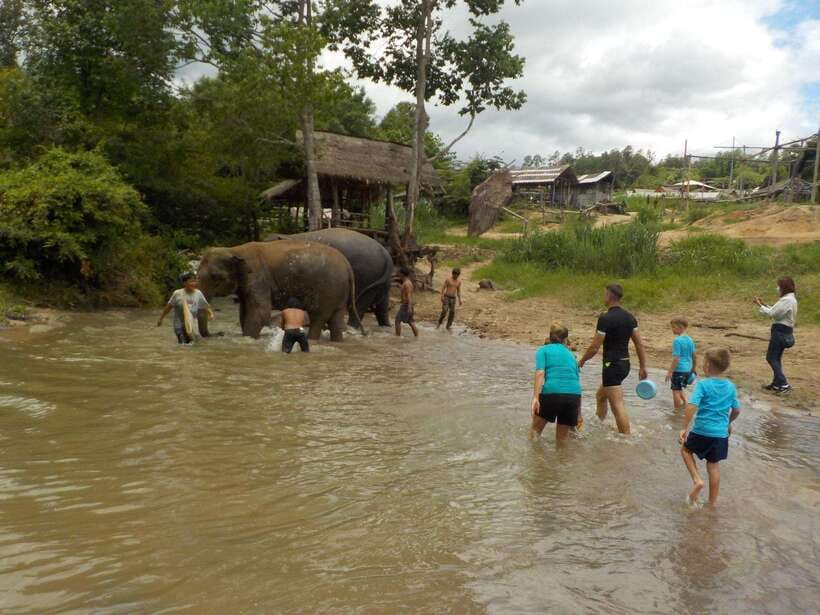
I would recommend it to you if you want:
- An elephant encounter without rides or shows
- A hands-on care program with feeding, mud, and river bathing
- A forest walk and waterfall added to the animal visit
- A traditional Thai lunch included in the price
- A program connected to local caretakers and sustainable tourism
- A guided day outside Chiang Mai without arranging transport yourself
I would be more cautious if you need a firm four-hour schedule. The published timing says pickup in the morning and return around 2:00 PM, yet one experience ran much longer. I would also look elsewhere if your priority is a detailed village visit, a private group, or a named guide.
This is not suitable for children under two, pregnant women, or people with back problems. The activity is in English, and the description does not provide a detailed accessibility statement, so ask questions before booking if walking or wet terrain may be difficult.
Should you book Johnny Boy Treks?
Book this tour if you want an active, ethical-minded day with elephants and you like the idea of combining animal care with a waterfall hike. The strongest parts are the absence of rides and shows, the chance to help with feeding and bathing, and the connection to local caretakers.
Before booking, confirm that your hotel is inside the pickup area and keep your afternoon open. At $51, the package offers solid value for transport, lunch, guiding, elephant activities, and the forest trek. It is best for flexible schedules and people who want participation rather than a quick photo stop.
FAQ
How much does the Chiang Mai elephant sanctuary tour cost?
The price is $51 per person.
How long does the activity last?
The listed duration is four hours. Pickup is in the morning between 8:00 and 8:30 AM, with a return to Chiang Mai around 2:00 PM. One booking experience lasted much longer than expected, so confirm the timing if you have afternoon plans.
Is transportation from Chiang Mai included?
Yes. Round-trip transportation from Chiang Mai is included, and the journey to the elephant camp takes about one hour.
What activities can I do with the elephants?
You can learn how to care for and feed the elephants, help them enjoy a mud bath, walk with them, and bathe with them in the Mae Wang River. The program does not include elephant rides or shows.
Is lunch included?
Yes. A traditional Thai lunch in the sanctuary surroundings is included.
What should I bring?
Bring swimwear, a change of clothes, a towel, a camera, sunscreen, flip-flops, and insect repellent. Smoking is not allowed, and alcoholic drinks are not allowed in the vehicle.
More treks out of Chiang Mai
- Chiang Mai: Doi Inthanon Trip with Pha Dok Siew Guided Trek
★ 4.6 · 910 reviews - Chiang Mai: Doi Inthanon Park and Pha Dok Siew Trail Trek
★ 4.6 · 752 reviews - 4-Hour Doi Suthep & Hmong Hill Tribe Village from Chiang Mai
★ 4.7 · 696 reviews - Doi Inthanon Private Tour with Trek & Lunch from Chiang Mai
★ 5.0 · 622 reviews
Just added in Chiang Mai
- No.1 Chiang Mai: Historical City Bike Tour★ 5.0 · 10 reviews
- Inthanon Day Trip from Chiang Mai with Lunch – Group or Private★ 5.0 · 182 reviews
- Jewellery Making Class with Silversmithing in Chiang Mai★ 4.5 · 11 reviews
- 10KM Inflatable Kayaking Adventure★ 5.0 · 23 reviews
- Chiang Mai: Historic Old City Bike Tour – Morning or Night★ 5.0 · 202 reviews
- Half Day Car Hire with an English Speaking Driver in Chiang Mai★ 5.0 · 16 reviews
- Half-day E-bike Nam Phrae (hilly, fully paved roads, GUIDED)★ 5.0 · 122 reviews
- Inthanon Heaven Trail(Living Green Elephant Sanctuary)★ 5.0 · 52 reviews
Elephant Sanctuary Visits, compared.
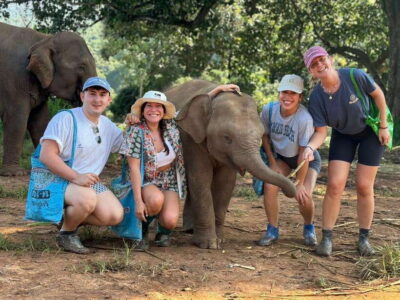
Chiang Mai: Elephant Sanctuary, Waterfall & Bamboo Rafting
Read our review →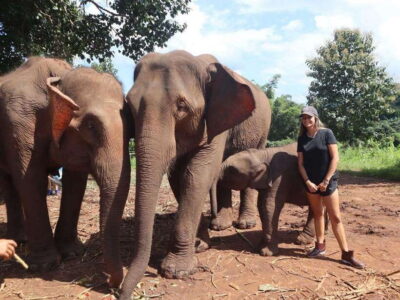
Chiang Mai: Elephant Sanctuary & Waterfall Group Tour
Read our review →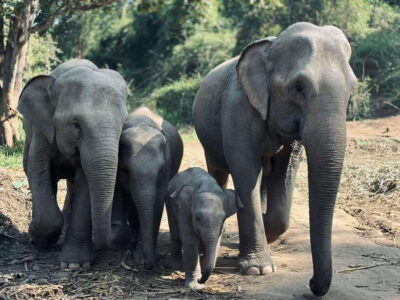
Chiang Mai: Elephant Sanctuary Feeding Program Half-Day Tour
Read our review →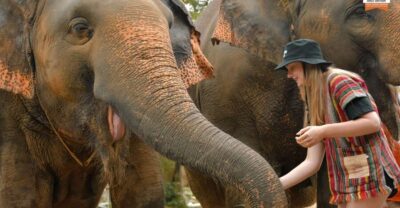
Phuket: Elephant Jungle Sanctuary Ethical Feeding Experience
Read our review →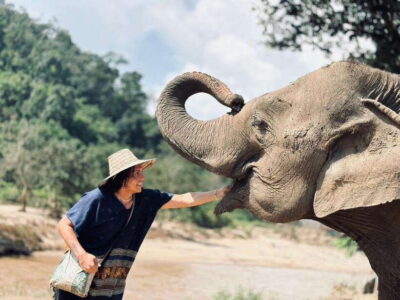
Chiang Mai: Elephant Sanctuary, Long Neck & Sticky Waterfall
Read our review →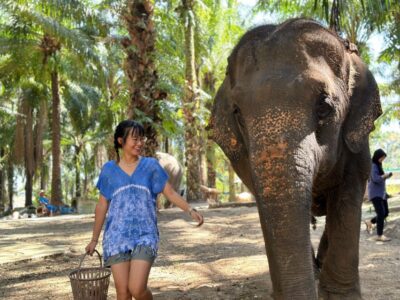
Krabi: Elephant Bathing Session at Krabi Elephant Shelter
Read our review →
Phuket: Elephant Sanctuary Guided Tour with Hotel Transfers
Read our review →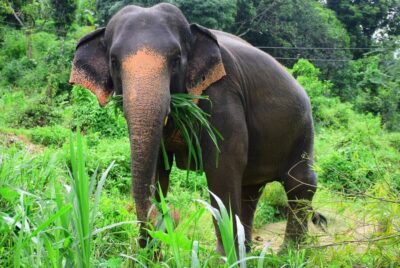
From Chiang Mai: Elephant Care Program and Nursery Tour
Read our review →Browse the lists this tour appears in