
Reviewed · ELEPHANT SANCTUARY VISITS
Chiang Mai: Elephant Dream Project Sanctuary – Half-Day
The most important thing to understand about the Elephant Dream Project is that the elephants set the pace. You feed them, walk beside them, and watch their daily behavior, but there is no riding, show, or required bathing. Guides such as JJ and Mr Dee explain the animals and step in to keep the meeting calm and respectful.
I like the small, local feel and the chance to see elephants near the village where their caretakers live. I also like that lunch, water, transport, and feeding food are included in the $51 price. The trade-off is the long mountain drive and the rough, sometimes slippery walk, so this is not a polished theme-park outing or a good fit for anyone with limited mobility.
Key points to know before you book
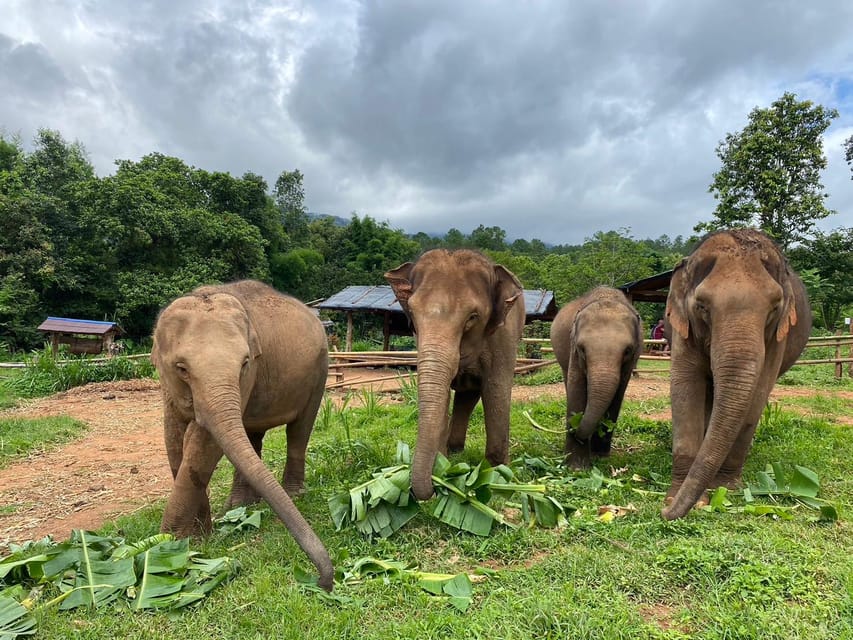
- The elephants choose the pace: You follow them through the jungle instead of directing a set of performances.
- No riding or forced bathing: The program centers on feeding, walking, watching, and learning.
- Local guides lead the day: JJ and Mr Dee share practical information about the elephants and their care.
- Expect a mountain setting: The sanctuary is reached after about 1 hour and 45 minutes on the road from Chiang Mai.
- Lunch is part of the value: Thai food, seasonal fruit, and drinking water are included.
- Bring proper shoes: The forest walk can be steep or slippery, so hiking shoes with good grip matter.
A sanctuary visit built around elephant choice
Many elephant outings promise an ethical approach, but the useful question is what you actually do on the ground. Here, the stated rule is simple: activities follow the elephants’ comfort rather than a schedule of tricks for visitors.
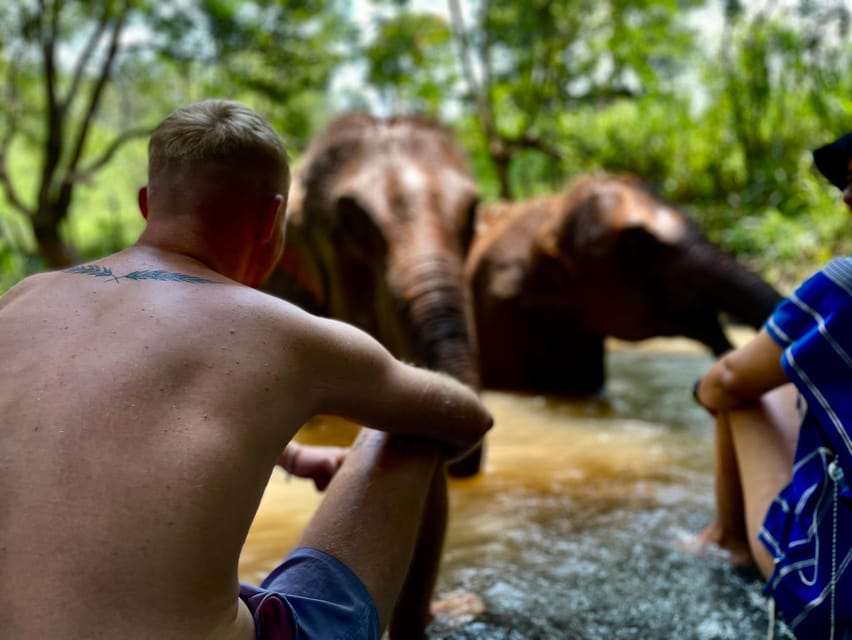
That means you may feed the elephants and walk beside them while they move through their surroundings. You may also watch them drink or bathe at the river, but you are not expected to get into the water with them. This is a meaningful difference for anyone who wants close contact without turning the animals into performers.
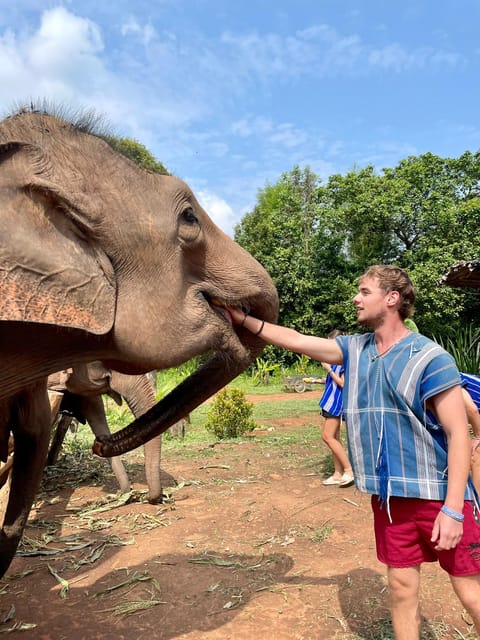
The experience still lets you get near the elephants. Food is the main point of contact, and the guides explain how to behave around such large animals. The approach is respectful rather than distant, but it is not completely hands-off wildlife watching either. These elephants are accustomed to people, and feeding is part of the visit.
The project is locally run and connected to the Karen community. The elephants are cared for by people who describe them as family, with some having family connections stretching back through several generations. That local connection gives the visit a personal quality, though you should remember that the project is still supported by tourism income and is working to secure more land for the animals.
More Elephant Sanctuaries in Chiang Mai
- Chiang Mai: Elephant Sanctuary, Waterfall & Bamboo Rafting
★ 4.9 · 9,160 reviews - Chiang Mai: Elephant Sanctuary & Waterfall Group Tour
★ 4.9 · 5,780 reviews - Chiang Mai: Elephant Sanctuary Feeding Program Half-Day Tour
★ 4.8 · 4,527 reviews
The early Chiang Mai pickup and mountain drive
Pickup takes place between 7:00 and 7:30 in the morning from hotels in Chiang Mai city. You wait in the lobby about five minutes before the agreed time and look for the Elephant Dream Project vehicle.
The drive to the sanctuary takes about 1 hour and 45 minutes. That is a sizable part of a half-day outing, but it also takes you away from the city and into the mountain country around Chiang Mai. The road trip is part of the transition from urban Thailand to a village and forest setting.
Transport is included in the $51 price, along with return service. One recent description mentions a comfortable nine-seat van, though the exact vehicle can vary. If you are prone to motion sickness, plan ahead for a winding mountain journey.
The schedule creates one point worth checking before booking. The activity is advertised as four hours, but the timetable runs from early morning pickup until roughly 2:30 or 3:00 in the afternoon. In practice, you should treat this as a morning-to-midafternoon trip, not four hours from hotel door to hotel door.
Meeting the elephants at 9:30
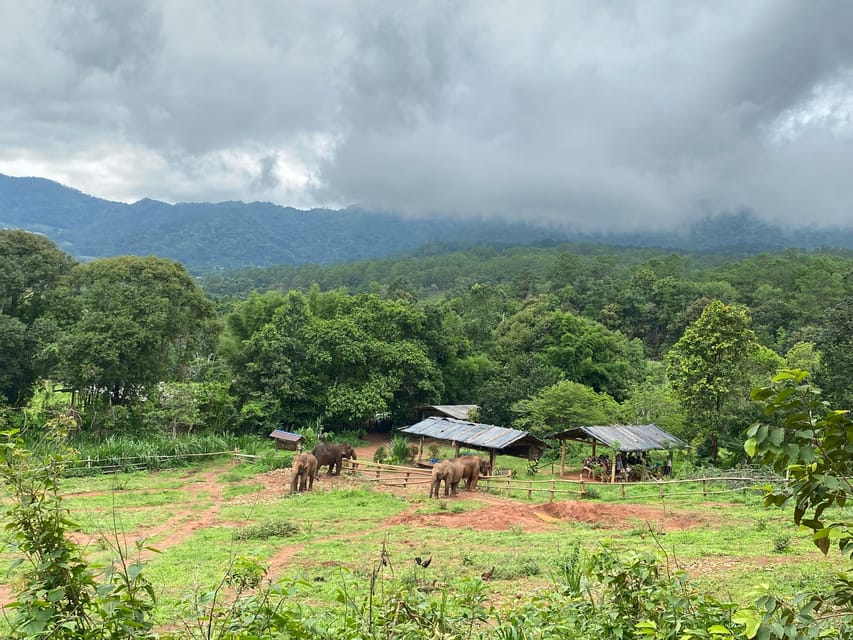
After reaching the project at about 9:30, you receive an introduction to the elephants and to the purpose of the Elephant Dream Project. This is when you learn the basic rules for approaching, feeding, and walking near them.
JJ is frequently named as a warm and capable guide, while Mr Dee is closely involved with the elephants and their care. The information provided for the tour identifies English as the guide language. You can expect explanations about elephant behavior, individual animals, their past lives, and the wider problems facing elephants used in tourism.
A useful part of the introduction is the reminder that these are powerful animals, even when they seem gentle. You are shown how to feed them properly and how to remain calm around them. The guides also help you understand why an elephant may walk away, stop participating, or choose a different route.
That last point shapes the whole visit. The best moments may not arrive on command. An elephant might come over for food, then wander toward the forest or river. The group follows rather than calling the animal back for another photograph.
Feeding elephants without turning the visit into a show
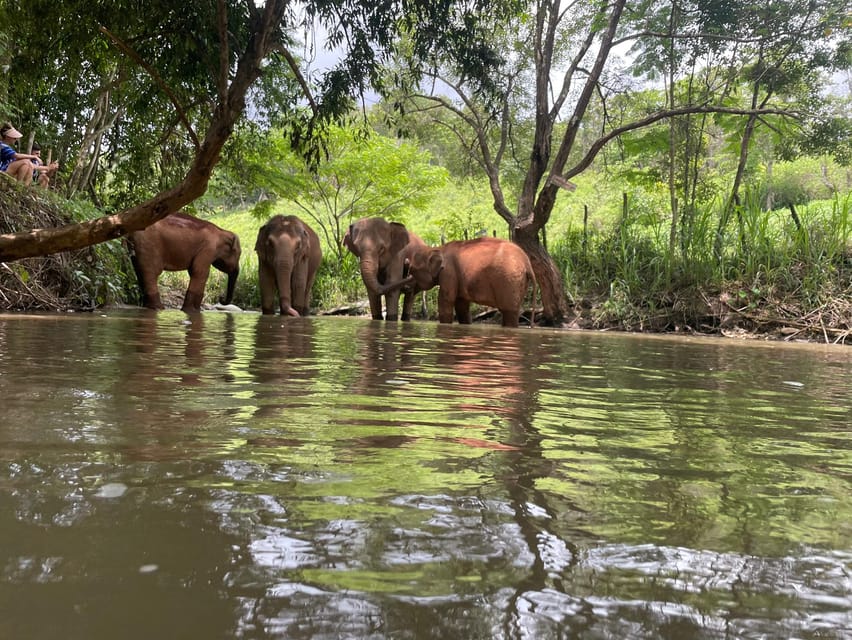
Feeding is the most direct activity on the program. Food for the elephants is included, and you may hand them buckets or portions of fruit and other food under staff direction.
Elephants eat a surprising amount, so this is not a quick photo stop. You have time to watch how they use their trunks, how they move toward food, and how the guides manage the interaction. A cover or smock may be provided to help keep your clothes clean, but sunscreen remains essential.
The close distance can make this feel exciting, especially for children and first-time elephant visitors. Still, you should follow the guide’s instructions and avoid treating the animals like oversized pets. Some people want a bathing session or lots of touching, but this program’s appeal is that it does not require either.
The project’s rules also mean that you may have fewer posed pictures than at a place designed around photo opportunities. In exchange, your pictures are more likely to show the elephants feeding, walking, drinking, or simply being elephants.
Other sanctuaries you can visit from Chiang Mai:
- Chiang Mai: Elephant Sanctuary, Long Neck & Sticky Waterfall
★ 4.9 · 2,262 reviews - From Chiang Mai: Elephant Care Program and Nursery Tour
★ 4.8 · 1,899 reviews - 3-in-1: Doi Inthanon Tour, Elephant Sanctuary, and Trekking Trail
★ 5.0 · 1,087 reviews - Chiang Mai Elephant Sanctuary, Bamboo Rafting and Waterfall Tour
★ 5.0 · 870 reviews
Walking through the jungle at elephant pace
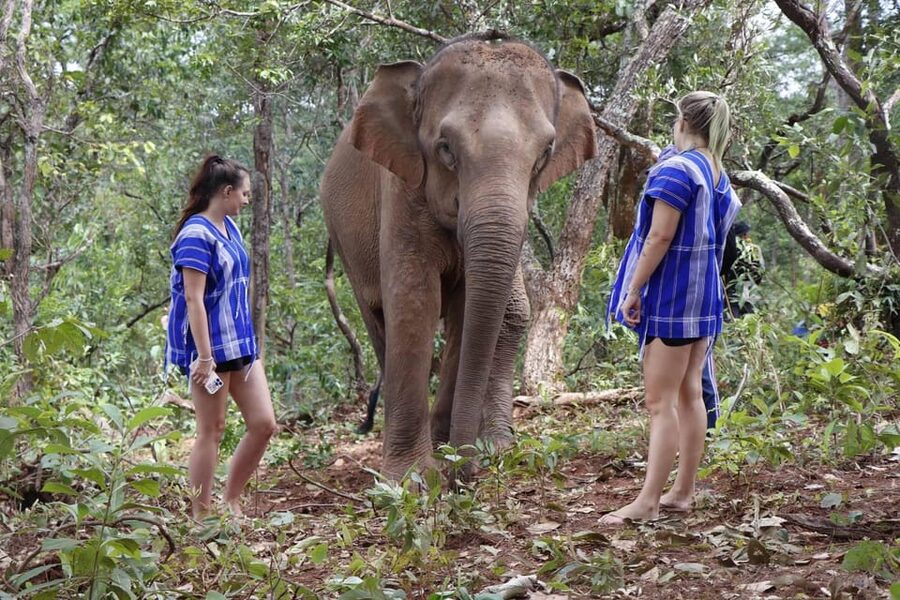
After feeding, you walk with the elephants into the jungle. The route may lead uphill into the forest, and one account describes a short trek high in the woods. You might also follow them toward a river or waterfall area, depending on the day and the animals’ movement.
This is the part that gives the visit its sense of place. You are not watching elephants in a bare enclosure. You are walking through their local surroundings, with the animals deciding how quickly the group moves.
The ground can be uneven and slippery. Several practical details matter here: wear hiking shoes with solid traction, bring insect repellent, and carry sunscreen. A change of clothes and a towel are also recommended, especially in the warm, damp conditions around the forest and water.
The walk is not suitable for every visitor. Wheelchair users are excluded, and the tour is not suitable for people over 80 or over 95 according to the booking information. Those age limits overlap oddly, but the main message is clear: this is an active outdoor visit, not an easy paved stroll.
What the no-riding policy means in practice
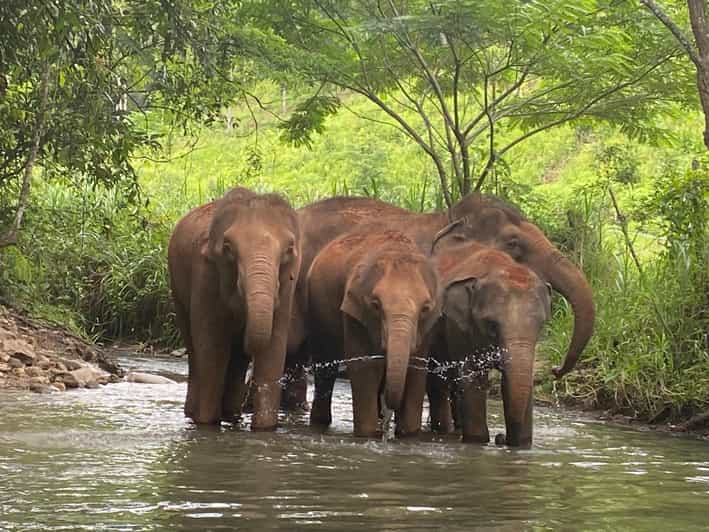
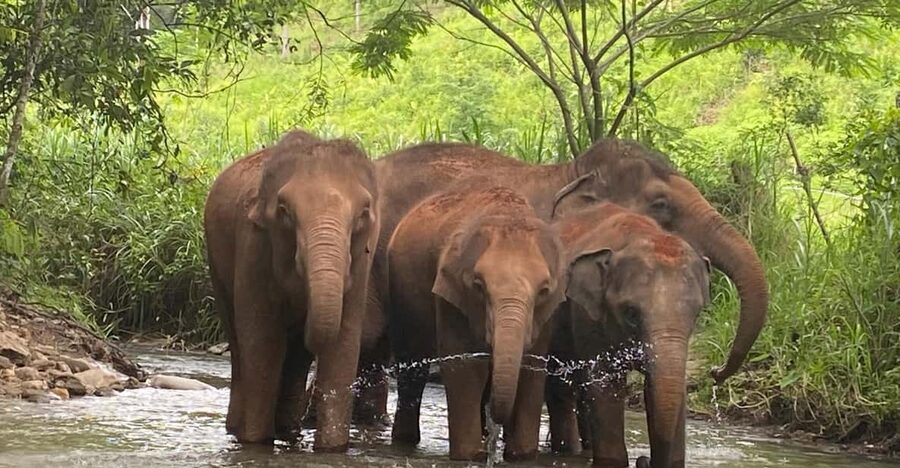
There is no elephant riding listed in the program. You also do not take part in tricks, mud spas, or a staged bathing session.
For many people, that is the central reason to choose this project. You can still feed the elephants, walk with them, and watch them near the water without asking them to perform a tourist activity. If you have already visited a place where elephants were made to pose or follow a fixed routine, this quieter format may feel more comfortable.
At the same time, ethical labels deserve careful thought. No short visit can tell you everything about an animal-care project. The information available here points to a locally run operation, a no-forcing policy, and staff who allow elephants to walk away when they do not want to take part. You can judge the experience by those visible practices, while recognizing that tourism remains part of the project’s income.
One useful detail is the project’s need for support. The elephant owner does not own all the land where the animals live and is working toward a larger, more self-sufficient area. Some elephants may be rented to other companies to help pay for their food. That adds an honest complication to the story: supporting the project may help its care work, but the wider elephant tourism system is not simple.
Thai lunch, fruit, and a village connection
At around noon, you sit down for Thai food and seasonal fruit. Water is included, while soft drinks are not.
Lunch gives you a welcome pause after the walk and a chance to spend time near the local community. The setting is simple rather than restaurant-like, and that suits the project’s family-run character. The meal is one of the stronger inclusions for the price because you do not need to arrange food in a remote mountain area.
The village element matters as much as the plate of food. The outing gives you a glimpse of local life and of the relationship between the elephant caretakers and their animals. You are not simply transported to a fenced attraction, shown an elephant, and sent away.
Do not expect a cooking class or a formal village tour, since those are not part of the stated schedule. The village experience is mainly the setting, the local staff, and the way the elephants are cared for.
The return to Chiang Mai and the real value
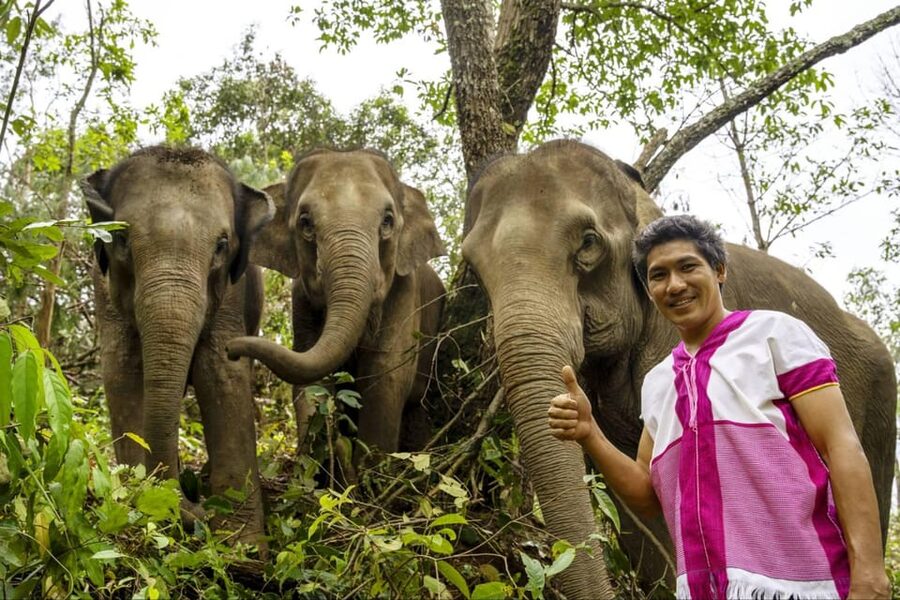
After lunch, you say goodbye to the elephants at about 1:00 and begin the drive back. Hotel drop-off is scheduled for roughly 2:30 to 3:00.
At $51 per person, the package is fairly priced for a remote outing. Roundtrip transfers, entry, food for the elephants, lunch, fruit, water, and an English-speaking guide are all covered. If you paid for these pieces separately, the total would rise quickly.
The main cost is your time. You spend about three and a half hours on the road, depending on the exact pickup and traffic, and the full day extends well beyond the advertised four-hour duration. If your Chiang Mai schedule is tight, you need to allow most of the day.
I see the value in the combination of access and restraint. You get close to the elephants without riding or forcing them into a bathing routine, and your money supports a small project trying to care for animals in a local setting. If your priority is a fast photo session, the long drive may not feel worthwhile. If your priority is a more respectful encounter, the time makes more sense.
Who will enjoy this experience most
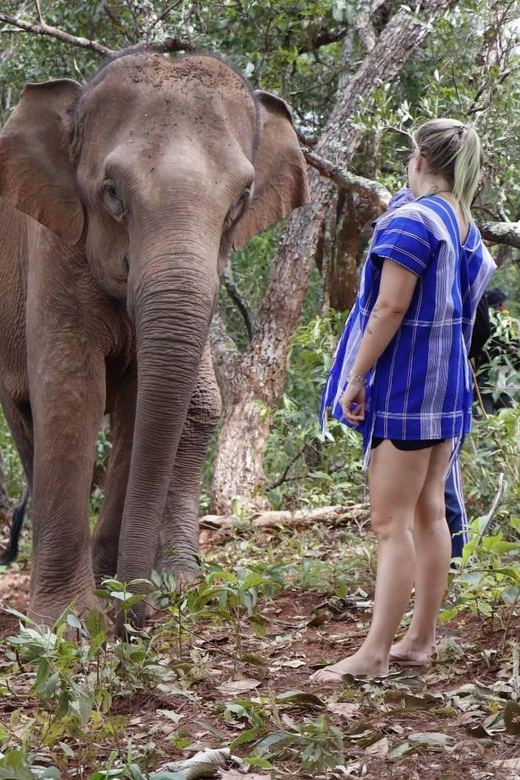
I would choose this outing if you want:
- A close elephant encounter without riding or tricks
- A small, local project rather than a large commercial attraction
- An English-speaking guide who explains elephant care and behavior
- A forest walk and village setting
- A tour with transport and lunch already arranged
- A slower visit where the elephants can walk away or change direction
You should think twice if you need step-free access, dislike mountain roads, or want a guaranteed bathing session. You should also be ready for mud, heat, insects, and uneven ground.
Families may enjoy the feeding, but adults remain responsible for helping children follow instructions around the elephants. Anyone who wants a quieter, less staged meeting will likely appreciate the pace.
What to bring for a better day
Pack light, but bring the right items:
- Hiking shoes with strong traction
- Sunscreen and insect repellent
- A towel and change of clothes
- Comfortable clothing that can get dirty
- Water if you prefer more than the included supply
- A camera or phone, used without crowding the elephants
A cover or smock may help with splashes and food, but it is not a substitute for practical clothing. The forest walk and river area can leave you damp or muddy, especially if conditions are wet.
Should you book the Elephant Dream Project?
Book it if you want to feed elephants, walk beside them in the forest, and support a locally run project that puts animal choice ahead of scheduled tricks. The strongest parts are the calm approach, the caring guides, the natural setting, and the fact that bathing and riding are not required.
Skip it if you want a short, polished attraction in Chiang Mai or if a long drive and uneven trails are a problem. Also check the full timing before you commit, since the supplied schedule suggests a much longer outing than the four-hour label.
For the right person, this is a thoughtful use of half a day, with a good meal and practical inclusions at a fair price. The elephants remain the focus, and that is exactly how it should be.
FAQ
Where does the Elephant Dream Project tour take place?
The project is in Chiang Mai Province, outside Chiang Mai city, in a jungle and village setting.
How long does the tour last?
The activity is listed as four hours, but the provided schedule runs from hotel pickup around 7:00 to 7:30 AM until drop-off around 2:30 to 3:00 PM. Plan for a morning-to-midafternoon outing.
Is hotel pickup included?
Yes. Roundtrip pickup and drop-off are included from hotels in Chiang Mai city. Wait in your hotel lobby about five minutes before pickup.
How long is the drive to the sanctuary?
The drive from Chiang Mai to the sanctuary takes about 1 hour and 45 minutes.
What language does the guide speak?
The live guide speaks English.
Can I ride the elephants?
No riding is included in this experience. The activities focus on feeding, walking beside the elephants, and learning about them.
Can I bathe the elephants?
Forced bathing is not part of the program. You may watch the elephants drink or bathe near the water, but you do not need to enter the water with them.
Is lunch included?
Yes. Thai food, seasonal fruit, and water are included. Soft drinks cost extra and are not included.
What should I bring?
Bring a change of clothes, towel, hiking shoes, sunscreen, and insect repellent. Good traction is especially useful on the forest walk.
Is the tour suitable for wheelchair users?
No. The tour is not suitable for wheelchair users, and it is also not suitable for people over 80 years old or over 95 years old according to the activity information.
Just added in Chiang Mai
- Chiang Mai: Evening Chanting & Meditation★ 4.5 · 69 reviews
- 1 Hour Deep Tissue Thai Massage with Balm – Free Transportation★ 5.0 · 64 reviews
- Whitewater Rafting Adventure★ 5.0 · 205 reviews
- 8 hour Sticky waterfall, ATV and White water rafting Adventures★ 5.0 · 308 reviews
- Meditation Retreat and Self-Care in Nature★ 5.0 · 46 reviews
- Chiang Mai: Art in Paradise Illusion Museum Entry Ticket★ 4.4 · 82 reviews
- Doi Inthanon National Park with Nature Trail Trekking 1-Day Tour★ 4.5 · 230 reviews
- Chiang Mai: Elephants, Sticky Waterfalls, Market and Temple★ 4.9 · 227 reviews
Elephant Sanctuary Visits, compared.
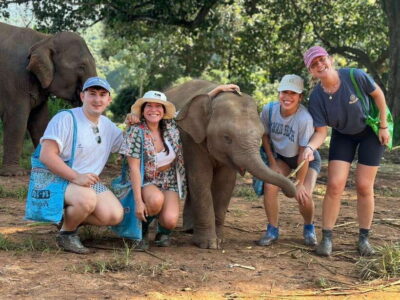
Chiang Mai: Elephant Sanctuary, Waterfall & Bamboo Rafting
Read our review →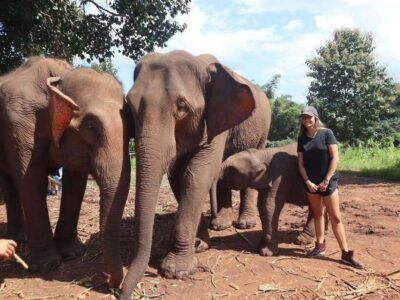
Chiang Mai: Elephant Sanctuary & Waterfall Group Tour
Read our review →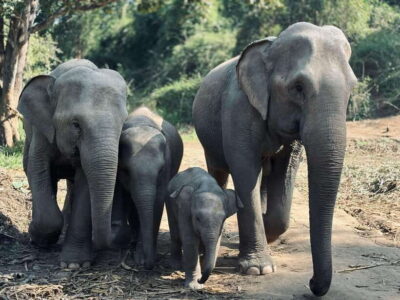
Chiang Mai: Elephant Sanctuary Feeding Program Half-Day Tour
Read our review →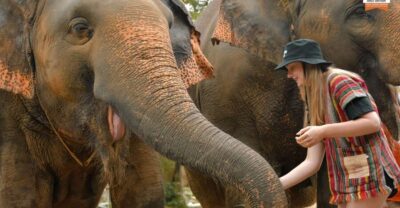
Phuket: Elephant Jungle Sanctuary Ethical Feeding Experience
Read our review →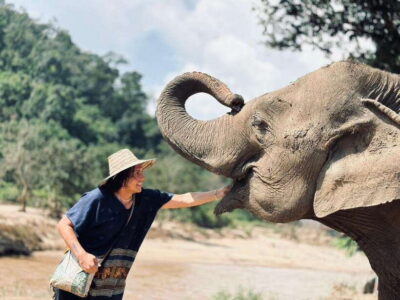
Chiang Mai: Elephant Sanctuary, Long Neck & Sticky Waterfall
Read our review →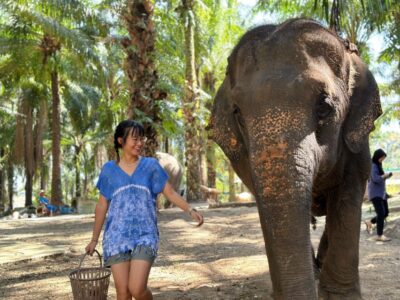
Krabi: Elephant Bathing Session at Krabi Elephant Shelter
Read our review →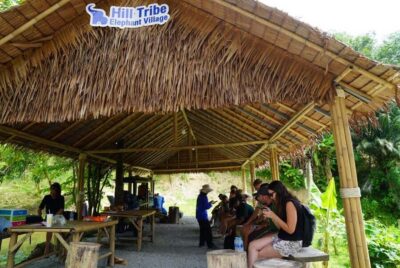
Phuket: Elephant Sanctuary Guided Tour with Hotel Transfers
Read our review →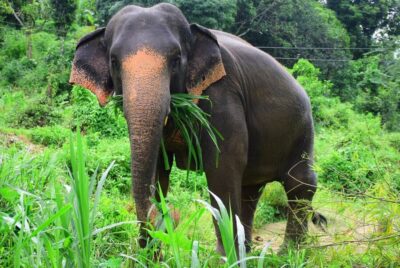
From Chiang Mai: Elephant Care Program and Nursery Tour
Read our review →Browse the lists this tour appears in