
Reviewed · TEMPLE & PALACE TOURS
Chiang Mai: 3 Hour Old City and Temples Guided Walking Tour
Chiang Mai’s best introduction may be a short walk between three very different temples. Wat Chedi Luang gives you scale, Wat Phan Tao gives you fine teak carving, and Wat Phra Singh finishes with glittering decoration and a famous Lion Buddha image. The temples are close enough to link on foot, but a good guide adds the meaning you would miss while wandering alone.
I like the low price, especially since the tour gives you three hours of local explanation for $16. I also like the human touch: guides such as Nana, TomTam, Sunny, Nuttaya, and Popcorn have been praised for answering questions, taking photos, sharing personal Buddhist insights, and even helping when a visitor needed a tuk-tuk.
The main drawback is the walking and heat. You will remove your shoes often, pay 120 baht in entrance fees, and cover strict temple dress requirements. The route can feel long if you have a mobility problem or are not comfortable walking in warm weather.
Key points at a glance
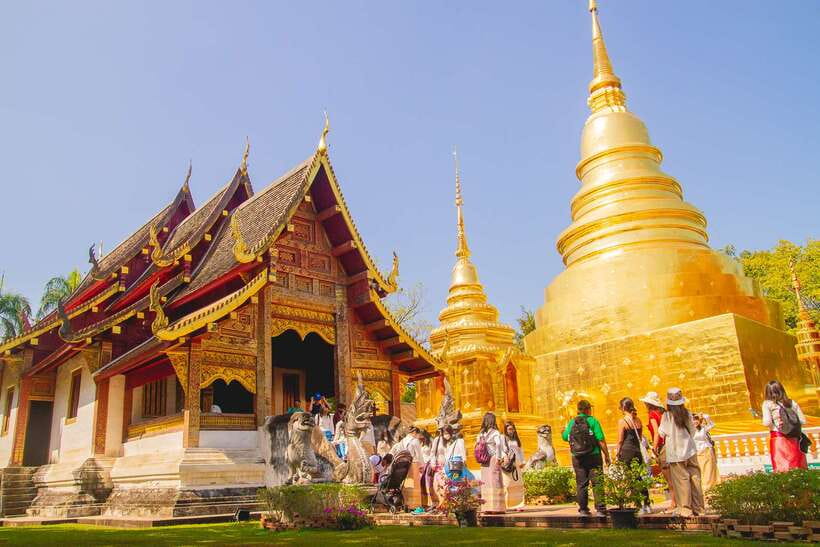
- Three major temples in three hours: The route links Wat Chedi Luang, Wat Phan Tao, and Wat Phra Singh.
- A guide adds the meaning: Expect explanations of Lanna history, Buddhism, Thai beliefs, meditation, and local customs.
- Wat Phan Tao is the small surprise: Its modest size hides beautiful carved teak walls and doors.
- Budget-friendly sightseeing: The tour costs $16, with another 120 baht needed for listed entrance fees.
- Come ready for temple etiquette: Wear modest clothing, bring a scarf, and choose shoes that slip off easily.
- The guide makes the difference: Past guides have included Nana, TomTam, Sunny, Nuttaya, Popcorn, and others, with strong praise for clear English and warm personalities.
Why this compact Chiang Mai walk works
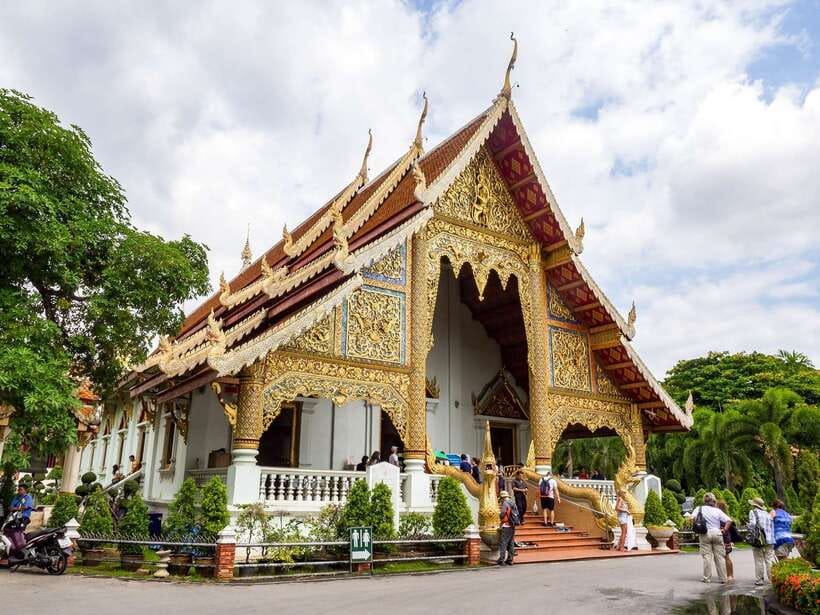
Chiang Mai’s Old City is easy to picture as a map of temples, gates, lanes, and former royal sites. It is harder to understand what you are seeing when every roof, Buddha image, and carved panel carries a different purpose.
That is where this tour earns its modest price. You do not just stop for photographs. You get a local guide explaining how Buddhism shapes daily life, how Lanna design differs from other Thai styles, and why a temple can be grand in one corner and deliberately simple in another.
The route lasts three hours, with about an hour at each temple. That sounds generous, but it passes quickly. You should have enough time to look closely and ask questions, though not enough time for a slow, solitary study of every building.
I see this as a strong first-day activity. It gives you a clear introduction to Chiang Mai’s religious buildings and local culture before you set off on your own. If you already know the temples well, the pace and repeated explanations may feel less useful.
More Temple Tours in Chiang Mai
- Chiang Mai: Chiang Rai Temples, Karen Tribe and Hot Springs
★ 4.7 · 5,401 reviews - Chiang Rai White Temple and Blue Temple Day Tour
★ 4.6 · 3,366 reviews - Chiang Mai: White, Red/Black & Blue Temples Tour with Lunch
★ 4.2 · 2,017 reviews
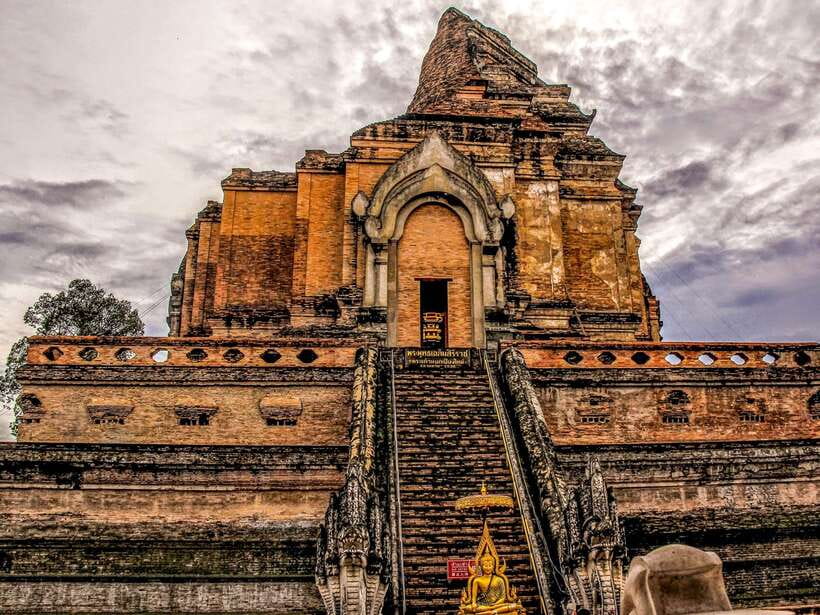
Starting at Wat Chedi Luang
The meeting point is the entrance to Wat Chedi Luang. Your guide holds a TripGuru sign, and you should arrive 10 minutes before the stated meeting time. There is no hotel pickup or drop-off, so you need to make your own way to the temple.
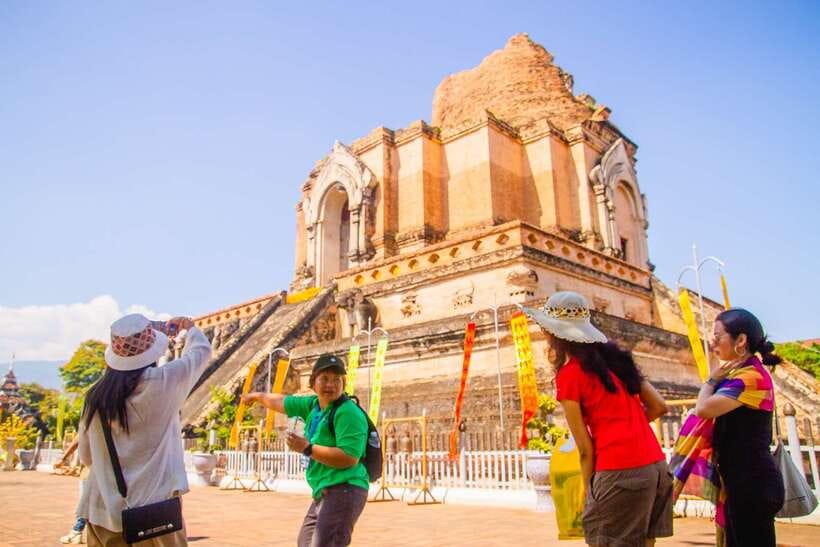
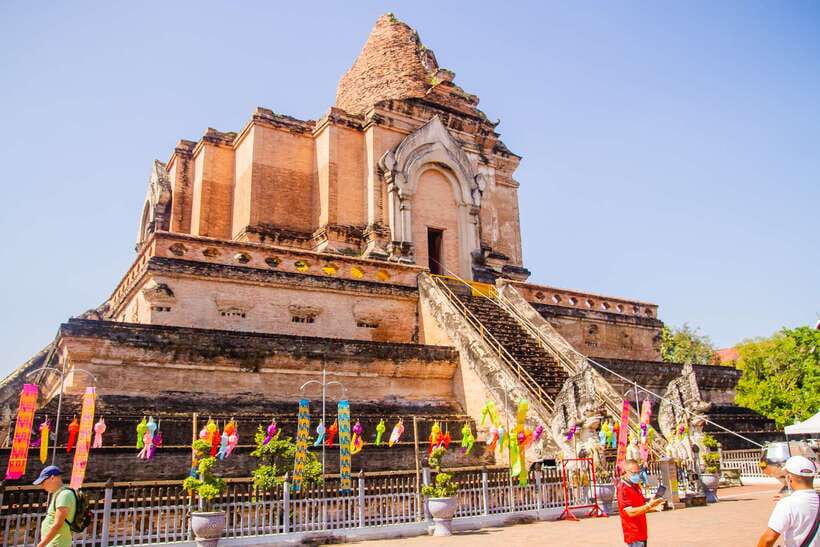
Wat Chedi Luang is the bold opening stop. Built between the 14th and 15th centuries, it contains Chiang Mai’s largest stupa. The scale gives the first part of the tour a sense of importance right away, even though the structure has been affected by time and damage.
Your guide should help you read the grounds rather than simply circle the main stupa. Look for the Lanna-style details, the proportions of the buildings, and the way the compound combines religious spaces with open courtyards. The hour here is useful because there is enough to inspect beyond the main photograph.
This is also where the tour starts to explain Chiang Mai as more than a pretty old town. The temple connects the city to the Lanna kingdom and to the religious traditions that still shape local life. Several guides, including Nana and Nuttaya, have been praised for explaining both the city’s past and present customs in clear English.
The entrance fee listed for Wat Chedi Luang is 50 baht. Bring cash, since the tour price does not cover it.
Wat Phan Tao and the beauty of teak
Wat Phan Tao is smaller and quieter in visual impact than Wat Chedi Luang, but I would not treat it as a filler stop. Its carved teak facade is the reason to pay attention here.
The building once served as a throne hall for King Mahotara Prateth before becoming a place of prayer. That change gives your guide an opening to explain how buildings can shift roles over time while remaining part of the city’s religious life.
The wooden design rewards close looking. You will see intricate carving rather than the size and spectacle of the first temple. This contrast is one of the tour’s best features: you move from a giant stupa to a more intimate building where craftsmanship does the talking.
The listed entrance fee is 20 baht. As at the other temples, you should expect to remove your shoes before entering certain areas. Slip-on shoes or sandals are especially practical, and socks can help if you prefer not to walk barefoot.
The middle of the tour may include a short break, depending on the guide and pace. That matters in Chiang Mai’s heat. Even during the cooler part of the year, you may want more water than you expect, along with sunscreen and a hat.
Ending at Wat Phra Singh
Wat Phra Singh is the grand finale. Built in the 14th century, it is one of Chiang Mai’s most important and visually decorated temples.
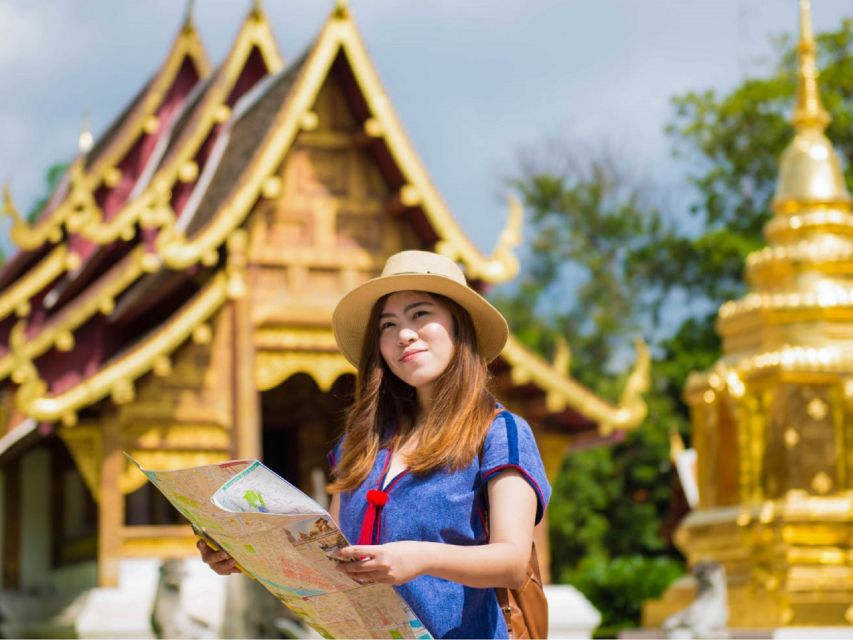
The grounds offer plenty to examine: a mosaic-inlaid sanctuary, gilded pagodas, ornate details, and the large Lion Buddha image associated with the temple. The setting is more lavish than Wat Phan Tao, so the three stops create a satisfying progression from massive structure to woodwork to decorative splendor.
This final hour can feel packed. There are many details, and you will probably want photographs as well as explanations. A strong guide helps you focus on the parts that matter rather than rushing from one decorated surface to the next.
Several guides have been singled out for making this final stop more personal. Popcorn, for example, has been praised for explaining meditation and sharing what he learned from his upbringing as a monk. That kind of conversation can add a human layer to a temple visit, though your assigned guide will vary.
The listed entrance fee is 50 baht. The tour finishes at Wat Phra Singh Woramahawihan, which is useful if you plan to continue exploring the Old City afterward. You will not be returned to your hotel.
More temples worth an hour in Chiang Mai:
- Chiang Mai: Doi Suthep and Wat Umong Enchanting Evening Tour
★ 4.6 · 1,811 reviews - Chiang Mai: Doi Suthep, Wat Umong, and Pha Lat Sunrise Tour
★ 4.7 · 1,425 reviews - Chiang Rai Temples: Private Tour from Chiang Mai
★ 5.0 · 1,267 reviews - Chiang Mai: Wat Pha Lat & Wat Phra That Doi Suthep Tour
★ 4.8 · 1,207 reviews
The guide matters more than the format
A walking tour of temples is only as good as the person explaining them. Here, the guide quality appears to be the strongest part of the experience.
The English-speaking guides have included Nana, TomTam, Sunny, Nuttaya, James, Katie, Peter, and Popcorn. Names and assignments can change, but the pattern is clear: the most useful guides explain without turning the walk into a lecture.
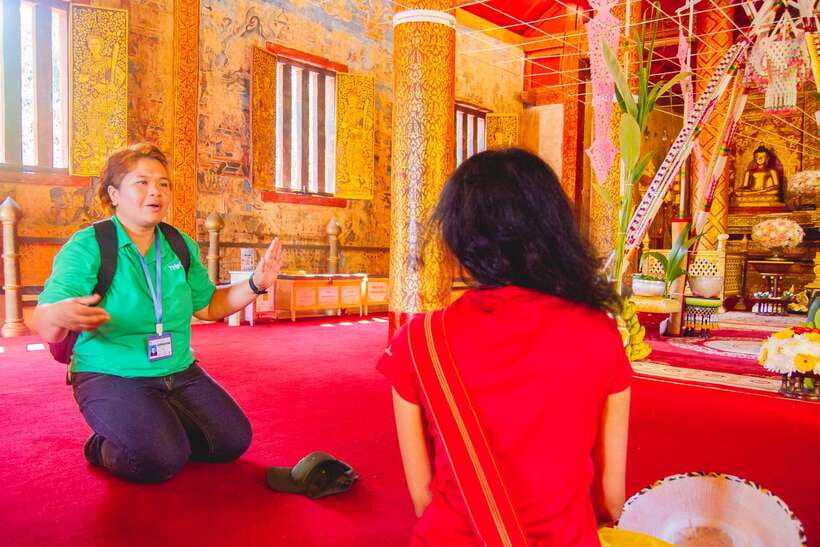
I especially value the guides who connect architecture to ordinary life. One might explain a Buddhist belief, another might discuss Thai language or local customs, and another might demonstrate a simple meditation practice. Some have also taken photographs for participants or offered suggestions for local food and places to eat.
You should ask questions. The format gives you the chance to ask why people pray in a particular way, what a Buddha image represents, or how the temple is used today. If you keep quiet, you may still see attractive buildings, but you will get less from the price.
English ability can vary by person, but the supplied experience details indicate strong command of English among several guides. The best approach is to think of this as a conversation with a local teacher, not just a walking escort.
What the $16 price really covers
At $16 per person, this is an inexpensive way to cover three major Chiang Mai temples with a guide. The walking format keeps the cost down, and the route avoids paying for a private vehicle that would add little value inside the compact Old City.
You need to add the listed entrance fees:
- Wat Chedi Luang: 50 baht
- Wat Phan Tao: 20 baht
- Wat Phra Singh: 50 baht
That makes 120 baht in entrance costs, plus any food or drinks you buy. Bring cash. The tour includes the local guide and walking tour, but not meals, drinks, or transportation.
I consider the value strong if you want context. Visiting alone is cheaper if you only care about entering the buildings, but the added explanation can change what you notice. One guide may explain the significance of a statue; another may show you how Buddhist ideas relate to daily behavior. Those details are hard to pick up from a quick self-guided walk.
The value is less clear if you prefer complete freedom. You cannot linger indefinitely at one building or skip a stop because the group follows a set route. A few visitors have found the full experience longer than expected, reaching four hours or more when discussion and walking slowed the pace.
Heat, clothing, and the practical details
Wear comfortable shoes, but prioritize shoes that come off quickly. You will remove them repeatedly at temple entrances, and complicated laces become tiresome by the end.
Temple clothing rules deserve attention. Clothes that reveal your shoulders, underarms, back, or knees are not permitted at some sights. Bring a scarf, but do not rely on it as your only plan. Modest, lightweight clothing is the safer choice.
Pack water, sunglasses, sunscreen, insect repellent, a hat, a camera, and cash. Water is especially important because the walk can feel hot even in February. You will spend time in open courtyards and move between buildings without air conditioning.
The tour calls for moderate fitness. It is not presented as suitable for pregnant women, people with mobility impairments, or people with heart or respiratory problems. That is worth taking seriously. One participant with a spinal problem needed help arranging a tuk-tuk back to the hotel, so tell your guide early if walking is becoming difficult.
There is no hotel pickup. Check the email sent the evening before for confirmation of the meeting time and point, then wait at the entrance with enough time to find the TripGuru sign.
Who will enjoy this tour most
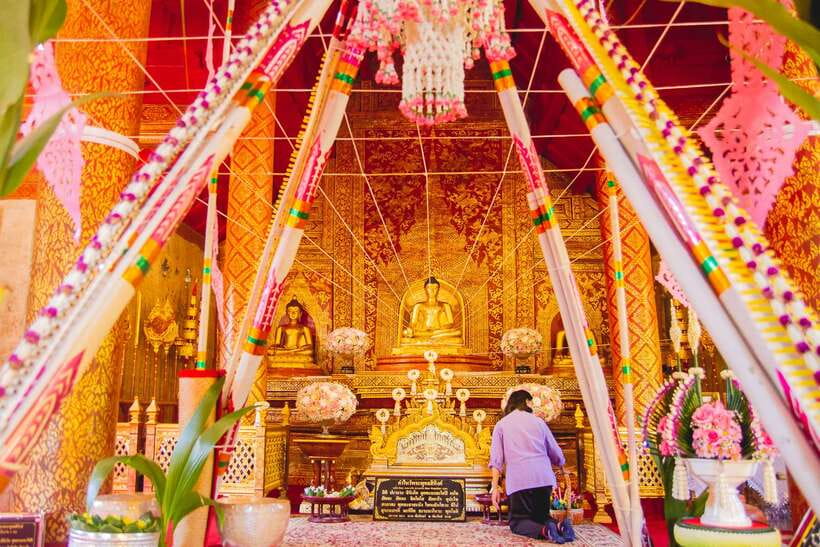
I would recommend this walk to first-time visitors who want a quick but meaningful introduction to Chiang Mai. It suits solo visitors, couples, and small groups who prefer local explanation over reading signs on their own.
It is also a good fit if you have only one morning or afternoon available. Three hours gives you a useful overview without consuming a full day, and the finish at Wat Phra Singh leaves you in the Old City for your next stop.
Culture-minded visitors will get the most from it. You can ask about Buddhism, Lanna design, Thai beliefs, meditation, language, and local customs. Photography lovers will also find plenty of detail, especially at Wat Phan Tao and Wat Phra Singh.
I would hesitate to recommend it to anyone who wants a relaxed, unstructured temple visit. It is also a poor match if you dislike removing shoes, walking in heat, or following modest dress rules. Visitors with limited mobility should choose a different format or confirm their needs before booking.
A responsible way to see the Old City
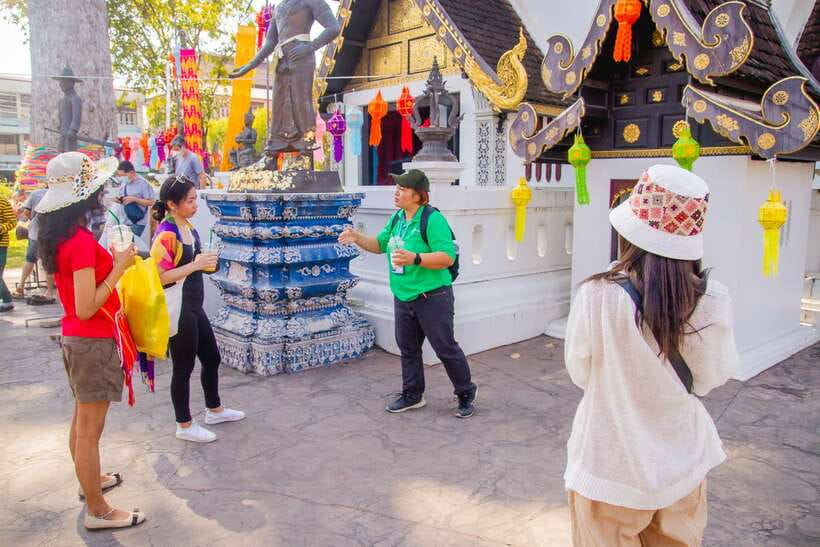
The experience is promoted as GSTC-certified and designed around lower-impact sightseeing. In practical terms, that means walking rather than adding a vehicle for a route already suited to foot travel, along with a stated effort to offset carbon emissions.
I would not choose the tour on that claim alone. The more immediate benefit is that walking keeps you close to the old city and reduces the noise and delay of moving between nearby temples by car. You also spend money with a local guide who can explain the places beyond their postcard appearance.
Good temple visits depend on respectful behavior. Keep your clothing modest, follow instructions about shoes and photography, and remember that these are active religious sites, not just monuments.
Should you book it?
Book this tour if you want three major temples, local explanations, and a strong price in one manageable outing. The guide is the central reason to choose it, and names such as Nana, TomTam, Sunny, Nuttaya, and Popcorn have been associated with warm, clear, engaging tours.
Skip it if you need step-free access, dislike group pacing, or want to spend half a day at one temple. For everyone else, bring water, cash, a scarf, and easy-off shoes. At $16 plus 120 baht in entrance fees, this is a sensible way to get your bearings in Chiang Mai’s Old City and understand more than the photographs show.
FAQ
How long does the Chiang Mai temple walking tour last?
The stated duration is three hours. The route includes about one hour at Wat Chedi Luang, one hour at Wat Phan Tao, and one hour at Wat Phra Singh, though the actual timing can vary with questions and walking pace.
Which temples does the tour visit?
The tour visits Wat Chedi Luang, Wat Phan Tao, and Wat Phra Singh. It starts at Wat Chedi Luang and finishes at Wat Phra Singh Woramahawihan.
Are entrance fees included in the $16 price?
No. The listed fees are 50 baht for Wat Chedi Luang, 20 baht for Wat Phan Tao, and 50 baht for Wat Phra Singh. Food and drinks are also separate.
Is hotel pickup included?
No. You must reach the entrance of Wat Chedi Luang yourself. The guide will hold a TripGuru sign, and you should be ready at the meeting point 10 minutes before the stated time.
What should I wear and bring?
Wear comfortable shoes and modest clothing that covers your shoulders, underarms, back, and knees. Bring a scarf, hat, sunglasses, sunscreen, insect repellent, a camera, cash, and water.
Is the tour suitable for people with mobility or health concerns?
Moderate fitness is recommended. The tour is not suitable for people with mobility impairments, pregnant women, or people with heart or respiratory problems.
More Walking Tours in Chiang Mai
- Chiang Mai: Historic Temples and City Guided Walking Tour
★ 4.7 · 650 reviews - Chiang Mai: Temple And City Walking Tour Part I
★ 4.7 · 244 reviews - Bangkok: City Highlights Temple and Market Walking Tour
★ 4.5 · 3,990 reviews - Bangkok: Grand Palace and Wat Phra Kaew Guided Walking Tour
★ 4.4 · 2,417 reviews
Just added in Chiang Mai
- Meditation Retreat and Self-Care in Nature★ 5.0 · 46 reviews
- Chiang Mai: Evening Chanting & Meditation★ 4.5 · 69 reviews
- 1 Hour Deep Tissue Thai Massage with Balm – Free Transportation★ 5.0 · 64 reviews
- Whitewater Rafting Adventure★ 5.0 · 205 reviews
- 8 hour Sticky waterfall, ATV and White water rafting Adventures★ 5.0 · 308 reviews
- Chiang Mai: Art in Paradise Illusion Museum Entry Ticket★ 4.4 · 82 reviews
- Doi inthanon National Park + 2Hour Fantastic Trekking with Lunch★ 4.5 · 233 reviews
- Top Pick – Full or Half Day @Elephant in Wild Sanctuary ChiangMai★ 4.5 · 229 reviews
Temple & Palace Tours, compared.
From Bangkok: Ayutthaya Temples Guided Tour with Lunch
Read our review →
Chiang Mai: Chiang Rai Temples, Karen Tribe and Hot Springs
Read our review →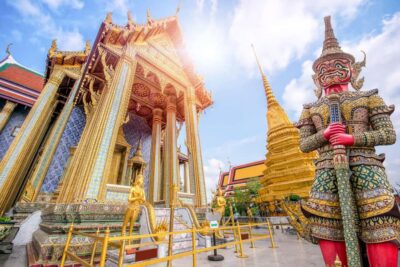
Bangkok: City Highlights Temple and Market Walking Tour
Read our review →
Bangkok by Night: Temples, Markets and Food Tuk-Tuk Tour
Read our review →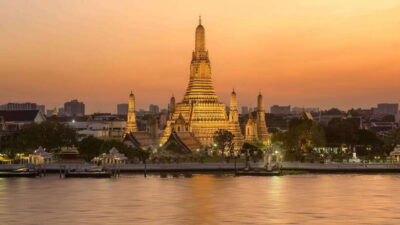
Bangkok: Grand Palace, Wat Pho, and Wat Arun Guided Tour
Read our review →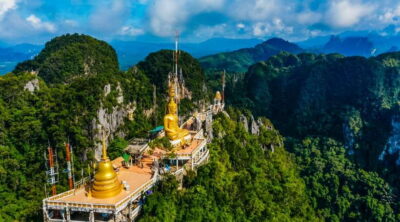
Krabi: Tiger Cave Temple, Emerald Pool and Hot Springs Tour
Read our review →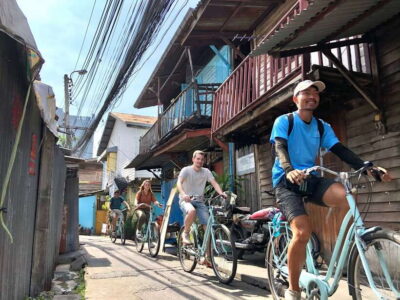
Bangkok: Temples, Canals & Local Life Bike Tour
Read our review →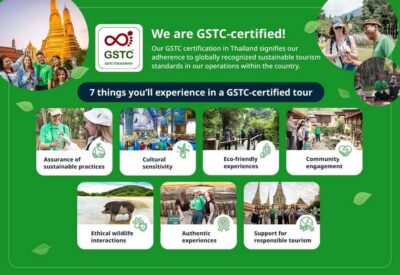
Chiang Rai White Temple and Blue Temple Day Tour
Read our review →Browse the lists this tour appears in