
Reviewed · WALKING TOURS
Chiang Mai: Local Food and Markets Guided Walking Tour
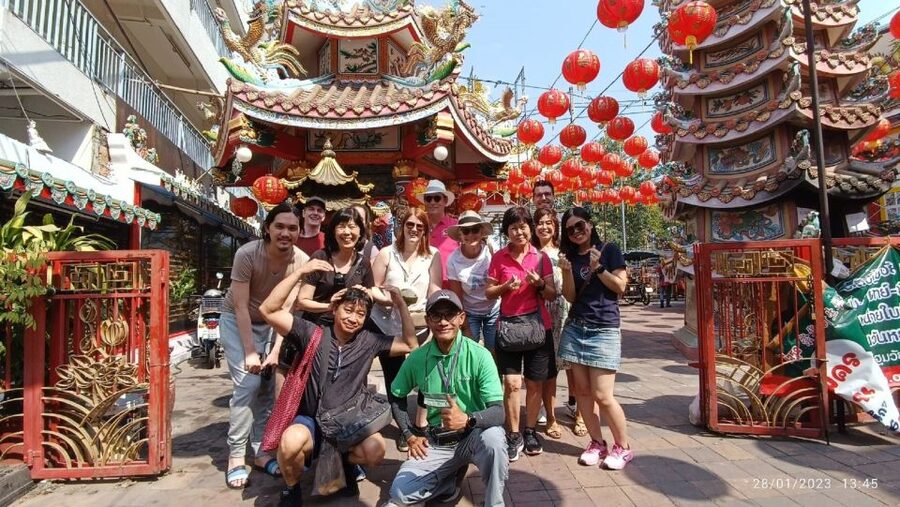
Chiang Mai’s best food lesson may come in small portions: a peanut-filled rice dumpling, a dinosaur-shaped fried dough stick, mango sticky rice, and a bowl of Hakka noodles. This 150-minute walking tour links those bites with Ton Lamyai Flower Market and Warorot Market, two lively places where daily shopping matters more than sightseeing.
I like the flexible start times and the way a local guide handles the ordering. Guides such as Koi, Patty, Banana, Nom, and Nancy have helped guests understand unfamiliar dishes, local customs, and market life without making the walk feel like a classroom. I also like the practical route, which takes you to food stalls you might not find on your own.
The main catch is that food is not included in the $48 price, so bring cash for each stop. The tour is also a fairly brisk walk, and the late 2:30 pm departure can miss some of the named restaurants as they close early.
Key points to know before you book
- Start with sweet steamed dumplings: Khao Kriab Pak Moh at Lung Khajohn Wat Ket is a soft, delicate snack filled with peanuts.
- See two useful markets: Ton Lamyai is known for flowers and herbs, while Warorot sells food, produce, clothing, and local goods.
- Taste Chiang Mai’s Chinese influence: Go Neng serves pa thong ko, and Thana Ocha finishes the route with Hakka-style noodles.
- Book a morning time if food is your priority: Restaurants and stalls may close by early afternoon.
- Plan for walking: One guest estimated about 2.5 miles, and the route includes some back-and-forth between stops.
- Expect a guide-led introduction, not a full meal package: Your guide explains and orders, but you pay for tastings yourself.
Why this food walk works so well in Chiang Mai
Chiang Mai’s food culture is not confined to one night market or a single famous dish. It is spread through small shops, market stalls, Chinese-Thai eateries, flower sellers, and family-run counters. This tour gives you a useful first look at that mix in a short block of time.
The route begins near Chansom Memorial Bridge, locally called Khua Khaek, across from Ton Lamyai Flower Market. From there, you walk through the market district with a guide who can explain what you are seeing and help you order. That support matters if you do not read Thai or are unsure how much to buy.
I see this as a good first-day activity. You get your bearings around the eastern edge of the old city, learn the names of a few local foods, and leave with ideas for what to eat later. Several guides have also added recommendations for restaurants, night markets, coffee shops, temples, and other places nearby, though these extras depend on the guide and available time.
The tour has a rating of 4.3 from 175 bookings, with especially strong praise for the guides. Their friendliness, English ability, flexibility, and willingness to explain unfamiliar food come through repeatedly. That human element is the real reason to choose this experience over simply walking through Warorot Market alone.
A few more things to do in Chiang Mai worth a look
- Small-Group Chiang Mai Evening Street Food Tour
★ 4.5 · 826 reviews - Chiang Mai: Evening Local Street Food Market Tour
★ 4.8 · 604 reviews - Northern Flavours Chiang Mai Food Tour with 15+ Tastings
★ 5.0 · 513 reviews
Lung Khajohn Wat Ket and the first sweet bite
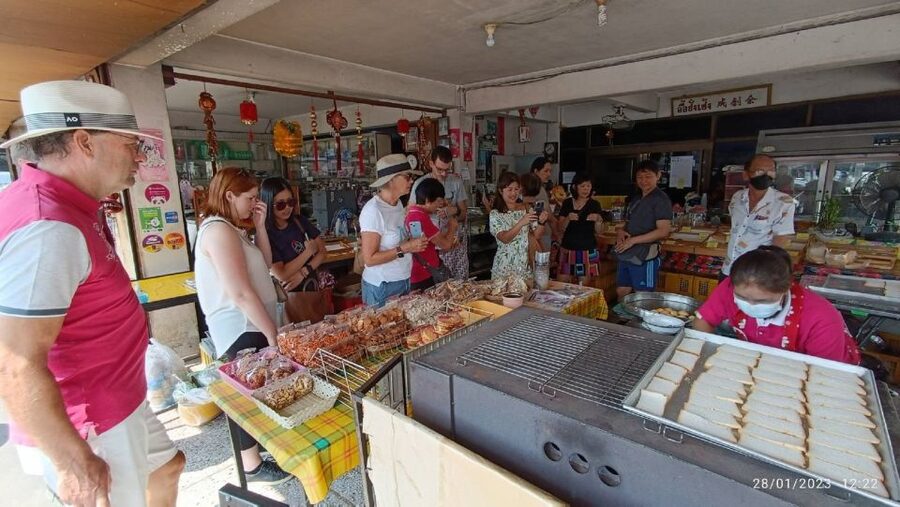
The first food stop is Lung Khajohn Wat Ket, known for Khao Kriab Pak Moh. These are steamed rice skin dumplings, generally filled with peanuts. The thin outer layer gives them a soft texture, while the filling brings a mild sweetness and crunch.
This is a smart opening dish because it is not the kind of snack most first-time visitors would identify without help. Your guide can explain what you are eating and how it fits into local snack culture. It also gives you a gentle start before the stronger flavors and larger serving at the end.
The stall can be busy, so the pace may depend on what is ready. One guide even pre-ordered the first tasting for a group because the stop was crowded. That kind of small intervention saves time on a short tour and lets you focus on the food rather than the mechanics of ordering.
If you have a sweet tooth, this may be one of your favorite stops. If you prefer savory food, it is still worth trying because the portion is a manageable introduction to Chiang Mai’s snack traditions.
Ton Lamyai Flower Market adds color without adding another meal
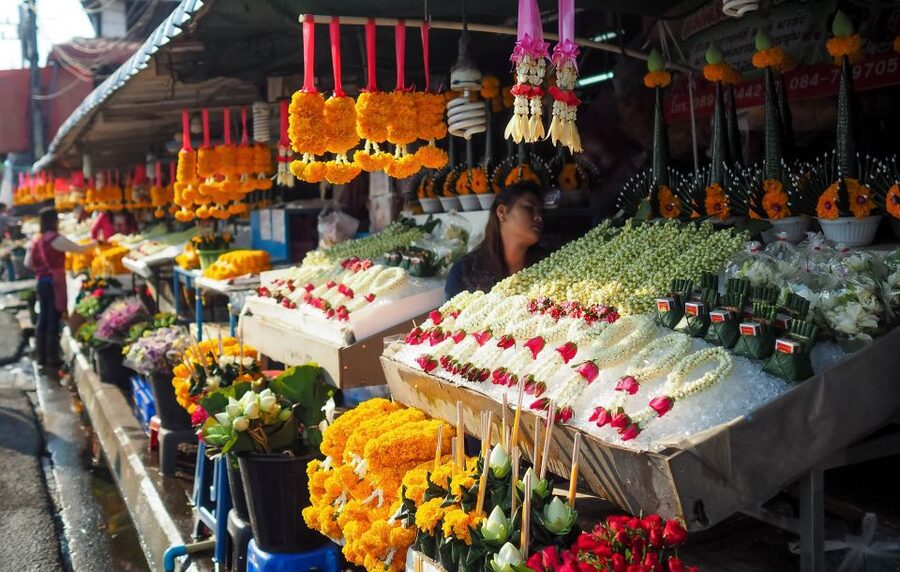
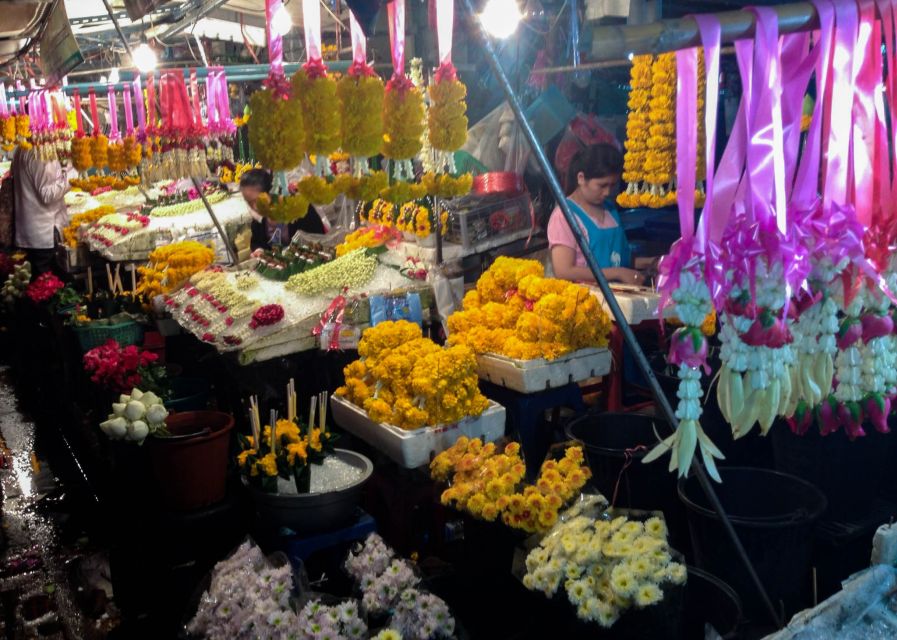
After the dumplings, the route passes through Ton Lamyai Flower Market. The market sells flowers and herbs, and it gives the walk a welcome change of pace. You are not simply moving from one restaurant to another. You are also seeing a working market where plants and flowers are part of everyday commerce.
This is a good place for photos, especially if you enjoy close-up details. The tour description suggests that you can brighten the day with fresh flowers, though you should treat any purchase as an optional extra. Your guide can also point out items and explain how the market fits into local life.
The market is opposite the meeting point, so it is easy to connect with the route at the beginning or end. The stated finishing point is Ton Lam Yai Market, while the meeting instructions place you at Chansom Memorial Bridge opposite it. Because market routes can change with opening hours and availability, confirm the final meeting details in the email sent the evening before.
Go Neng and the famous dinosaur-shaped dough
The next food stop is Go Neng, where you can try pa thong ko, a Chinese-style deep-fried dough. The pieces are often made in unusual shapes, including forms that resemble dinosaurs. It is a playful stop, but the food itself is a familiar local favorite rather than a novelty made only for tourists.
Expect fried dough with a crisp outside and a soft center. The appeal is simple: it is hot, portable, inexpensive, and popular with local shoppers. This is also a good moment to ask your guide how Chinese food traditions became part of Chiang Mai’s eating habits.
Not everyone loves this stop as much as the dumplings or noodles. One person found the shape more entertaining than the taste. That is fair. Pa thong ko is worth sampling, but I would not book the tour solely for this dish.
The morning timing matters here. Freshly fried dough is best when the stall is active, and the route works better when you are not rushing past closing businesses. You can choose among several start times, but early departures are the safer choice if you want the full set of named stops.
Same base, a different sort of day:
- Half-Day Thai Cooking Class at Organic Farm in Chiang Mai
★ 5.0 · 19,087 reviews - Chiang Mai: Elephant Sanctuary, Waterfall & Bamboo Rafting
★ 4.9 · 9,160 reviews - Chiang Mai: Doi Inthanon National Park Eco-Friendly Tour
★ 4.6 · 6,667 reviews - Chiang Mai: Elephant Sanctuary & Waterfall Group Tour
★ 4.9 · 5,780 reviews
Warorot Market is the heart of the walk
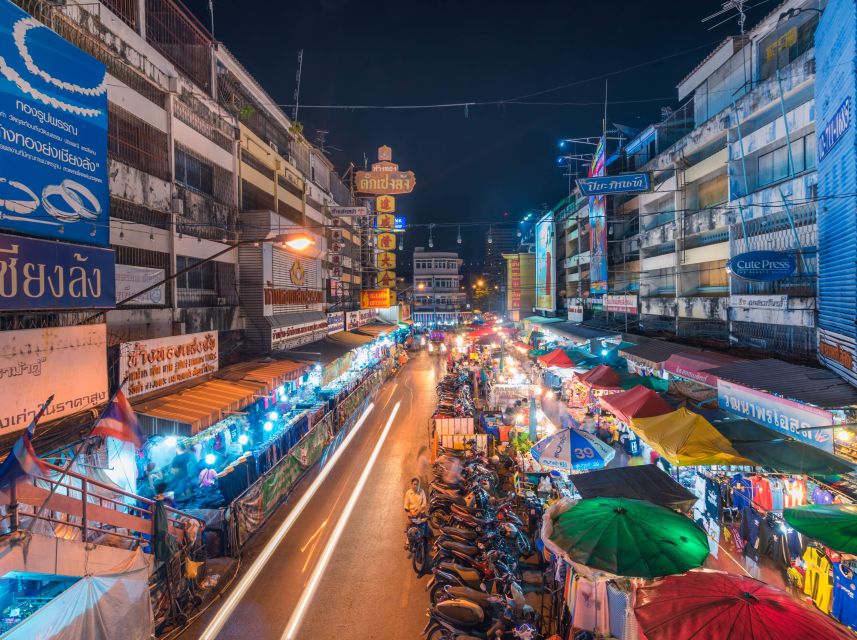
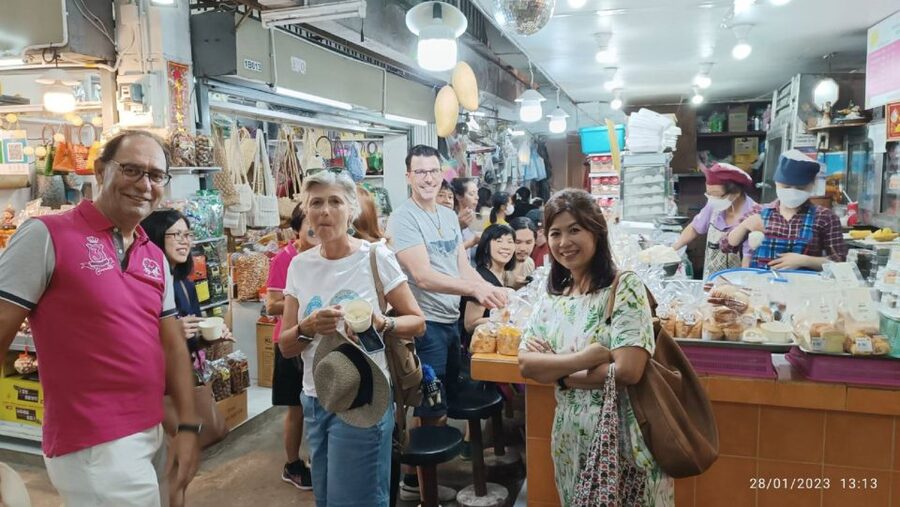
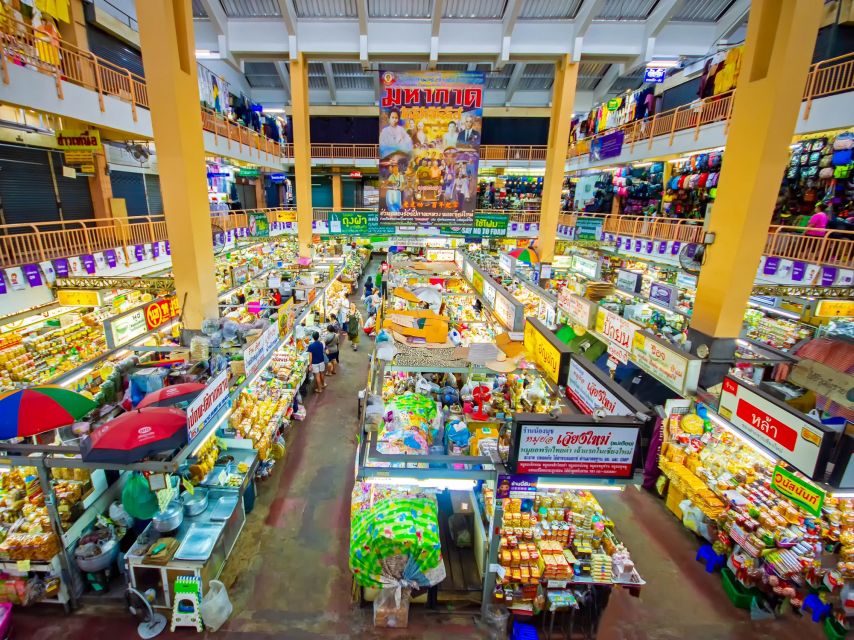
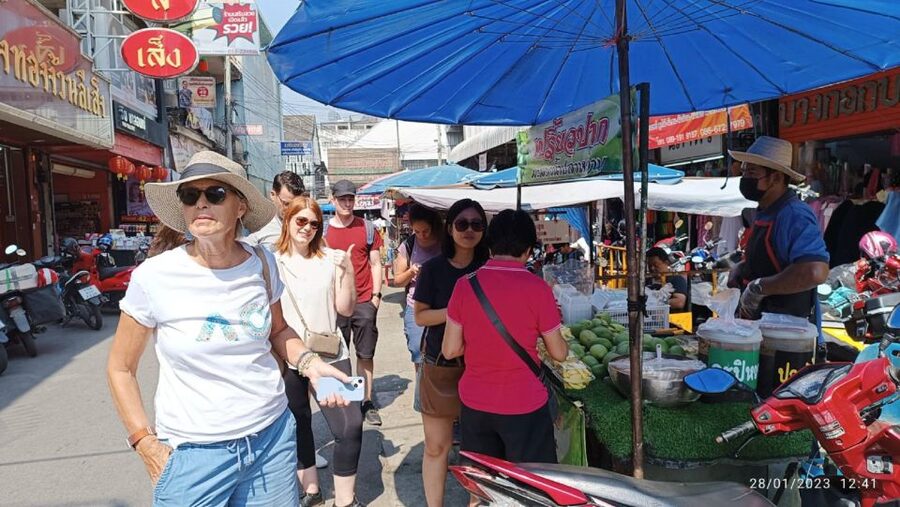
Warorot Market is the main market experience on the route. It sells snacks, produce, clothing, and other everyday goods, giving you more to look at than a short food crawl could cover by itself.
This is where the guide’s local knowledge becomes especially useful. You might see dried foods, prepared snacks, herbs, and ingredients that are hard to identify on your own. A guide can explain what locals buy, how certain foods are used, and which items make sensible gifts or picnic supplies.
The market can feel crowded and fast-moving, especially during busy periods. Keep your belongings close and wear shoes that will stay comfortable over a long walk. One person estimated covering about 2.5 miles, so this is not a gentle, stationary tasting session.
The route can also zigzag. The food stops are not arranged as a simple straight line, and one person noted that dessert in the middle of the walk made the sequence feel less natural. I would treat the walking as part of the experience, but do not expect a carefully choreographed restaurant crawl.
Mango sticky rice gives the route its sweet center
Inside or around Warorot Market, the guide takes you to a particular stall for mango sticky rice. This is familiar to many visitors, but a market serving gives it a more useful setting than a generic restaurant dessert.
You get the contrast of sweet mango, sticky rice, and coconut-based richness. It can be filling, especially when combined with the dumplings and fried dough. That is why the best advice is simple: arrive hungry, but not uncomfortably so.
Food portions and availability can change. The possible tastings are listed as Hakka-style noodles, mango sticky rice, pa thong ko, and Khao Kriab Pak Moh, but the exact order or substitute may change with the day’s supply. Your guide may also take you to a different stall if a listed business is closed.
The practical downside is payment. You pay for each tasting yourself, and one parent found it inconvenient to take out a wallet at every stop. Bring small Thai notes if possible, and keep some cash ready rather than treating the price as an all-inclusive food budget.
Thana Ocha finishes with a serious bowl of noodles
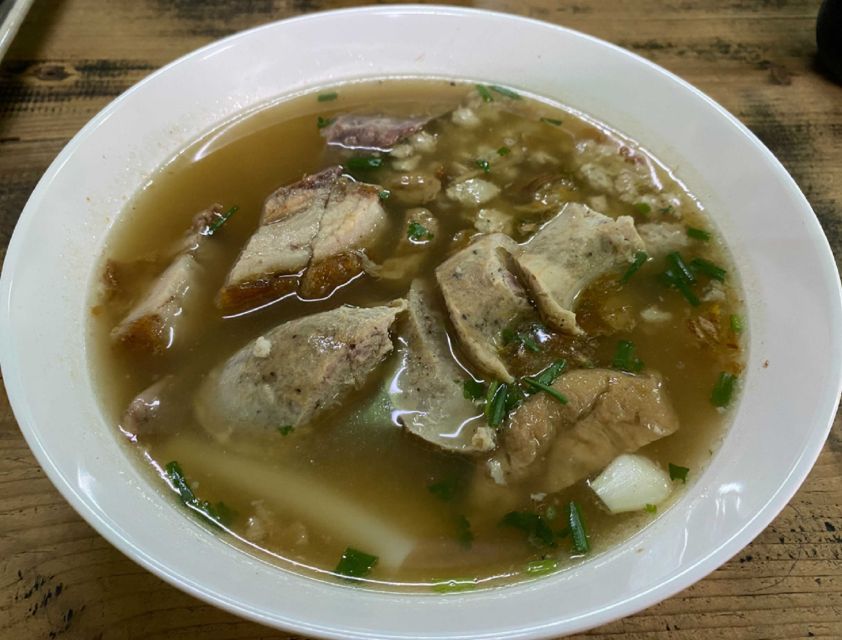
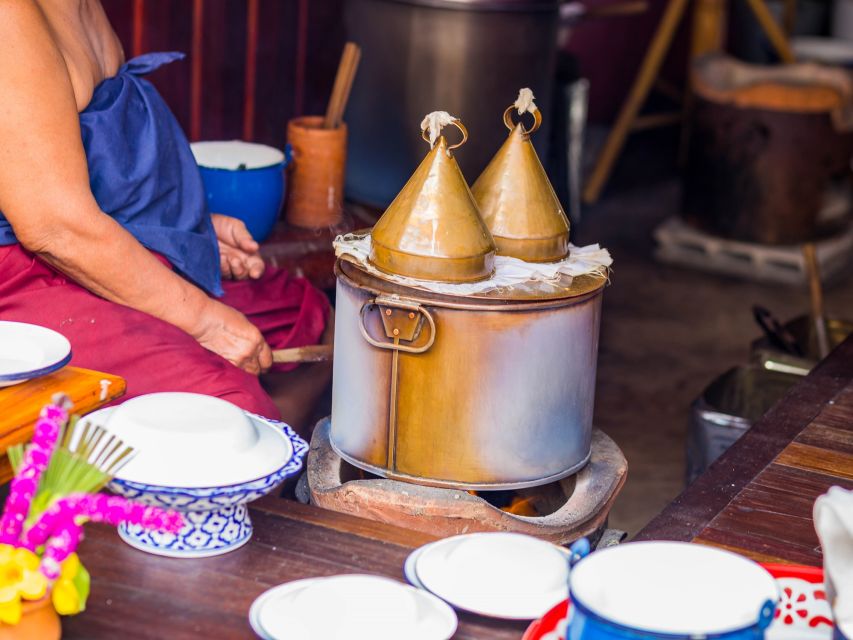
The final named stop is Thana Ocha, where the specialty is Hakka-style noodles. The dish comes with Hakka stuffed tofu, fish sausage, and wontons, so this is more substantial than the earlier snacks.
For many people, this is the strongest stop. It brings together the Chinese influence running through the route and the filling, savory character you want from a late lunch. If you have eaten only small portions before reaching Thana Ocha, the noodles should leave you satisfied.
The exact meal can depend on the restaurant’s opening hours and availability. Some people reported that a scheduled stop was closed and the guide adapted the route. That flexibility is useful, but it also means you should think of the listed dishes as a strong guide rather than a fixed guarantee.
The last stop also explains why the tour is better in the morning. Restaurants mentioned on the route often close by early afternoon. At 2:30 pm, the guide may replace them with other street-food stalls. The substitute can still be local and worthwhile, but book a morning departure if Hakka noodles, mango sticky rice, pa thong ko, and steamed dumplings are your main reason for booking.
How much value do you get for $48?
At $48 per person, this is not the cheapest way to eat around Chiang Mai. Food and tasting expenses are extra, and you do not receive hotel pickup or drop-off. If you are comfortable ordering alone and already know the markets, you can spend less by exploring independently.
The price makes more sense if you value the guide. You are paying for route planning, translation, food selection, cultural explanation, and the confidence to try dishes you might otherwise skip. Guides have helped with ordering, found seats, explained spices, carried shopping bags, and changed the plan around closures or crowds.
It is also useful for a short stay. In two and a half hours, you see two markets and sample several specialties without spending half a day figuring out where to go. I would call it fair value for a first food introduction, but less compelling for repeat visitors who already know Chiang Mai’s food district.
The experience is GSTC-certified and includes carbon emissions offset credits. That does not change the food itself, but it gives the walking format a lower-impact profile than a tour that relies on private vehicle transfers.
Timing, walking, and who should book
Choose a morning start whenever possible. The food businesses are more likely to be open, the market activity is useful to see, and you will not need to rush the final meal. A lunchtime or early afternoon departure can work, but expect alternative stalls if the named restaurants have closed.
Wear comfortable shoes, sunscreen, a hat, and sunglasses. Insect repellent and a camera are also listed as useful items. Chiang Mai heat can make a short route feel longer, so carry water even though it is not specifically listed in the tour equipment.
This is best for curious eaters, first-time visitors, couples, solo visitors, and small groups that want help with local food. It can also suit families if children are open to trying unfamiliar snacks. One guide adapted well to a picky five-year-old, though no formal child-specific plan is provided.
The tour is not suitable for vegans, and no vegan option is available. It is also unsuitable for pregnant women and people with mobility, heart, or respiratory problems. The walk, market surfaces, heat, and food variety all deserve serious thought before booking.
The guides speak English and Thai. Names connected with especially warm and useful guiding include Koi, Patty, Banana, Nom, Nancy, Nana, and Pimpi. The guide you receive will depend on the date and group, but the strongest pattern is clear: the guide’s ability to explain food and adjust the route matters more than any single restaurant.
My call: book it for discovery, not for a bargain meal
Book this tour if you want an easy introduction to Chiang Mai’s local food and would rather have someone order and explain than guess your way through the market. The dumplings, flower market, pa thong ko, mango sticky rice, and Hakka noodles make a varied half-day plan, and the guides add real value.
Skip it if you want an all-inclusive food tour, dislike walking, need vegan food, or already know Warorot Market well. If you do book, choose a morning slot, arrive hungry, bring cash, and allow extra time to reach Chansom Memorial Bridge because traffic can be slow.
FAQ
How long is the Chiang Mai food and market tour?
The tour lasts 150 minutes, or two and a half hours.
Where does the tour meet?
Meet at Chansom Memorial Bridge, also called Khua Khaek, opposite Ton Lamyai Flower Market on Praisanee Road.
Where does the tour finish?
The stated finishing point is Ton Lam Yai Market.
What foods can I try?
Possible tastings include Khao Kriab Pak Moh steamed rice skin dumplings, pa thong ko fried dough sticks, mango sticky rice, and Hakka-style noodles with Hakka stuffed tofu, fish sausage, and wontons.
Is food included in the $48 price?
No. The guide, walking tour, and carbon emissions offset credits are included, but food and tasting expenses are paid separately.
Should I choose a morning or afternoon departure?
Morning is recommended if you want the named restaurants and stalls, since many close by early afternoon. The 2:30 pm option may use alternative street-food stalls.
What languages does the guide speak?
The tour is offered with a live guide in English or Thai.
Is the tour suitable for vegans or people with mobility problems?
No vegan option is available, and the activity is not suitable for vegans or people with mobility impairments. It is also not suitable for pregnant women or people with heart or respiratory issues.
Just added in Chiang Mai
- No.1 Chiang Mai: Historical City Bike Tour★ 5.0 · 10 reviews
- Inthanon Day Trip from Chiang Mai with Lunch – Group or Private★ 5.0 · 182 reviews
- Jewellery Making Class with Silversmithing in Chiang Mai★ 4.5 · 11 reviews
- 10KM Inflatable Kayaking Adventure★ 5.0 · 23 reviews
- Chiang Mai: Historic Old City Bike Tour – Morning or Night★ 5.0 · 202 reviews
- Half-day E-bike Nam Phrae (hilly, fully paved roads, GUIDED)★ 5.0 · 122 reviews
- Inthanon Heaven Trail(Living Green Elephant Sanctuary)★ 5.0 · 52 reviews
- Half Day Car Hire with an English Speaking Driver in Chiang Mai★ 5.0 · 16 reviews
Walking Tours, compared.

Bangkok: City Highlights Temple and Market Walking Tour
Read our review →
Bangkok: Grand Palace and Wat Phra Kaew Guided Walking Tour
Read our review →
Bangkok: Wat Pho and Wat Arun Guided Walking Tour
Read our review →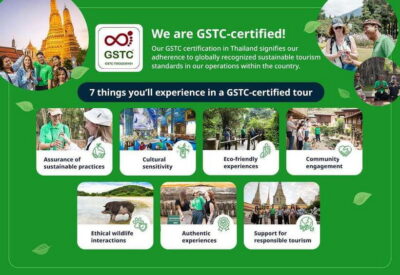
Chiang Mai: 3 Hour Old City and Temples Guided Walking Tour
Read our review →
Phuket:Beach walk with elephants, rain & care. 2.5 hours
Read our review →
Phuket: Bukit Elephant Park Sanctuary Walk and Feed Tour
Read our review →
Bangkok Authentic Tasting Thai-Chinatown Walking Food Tour
Read our review →
Chiang Mai: Historic Temples and City Guided Walking Tour
Read our review →Browse the lists this tour appears in