
Reviewed · THAI COOKING CLASSES
Bangkok: White Lotus Thai Cooking Class with Market Tour
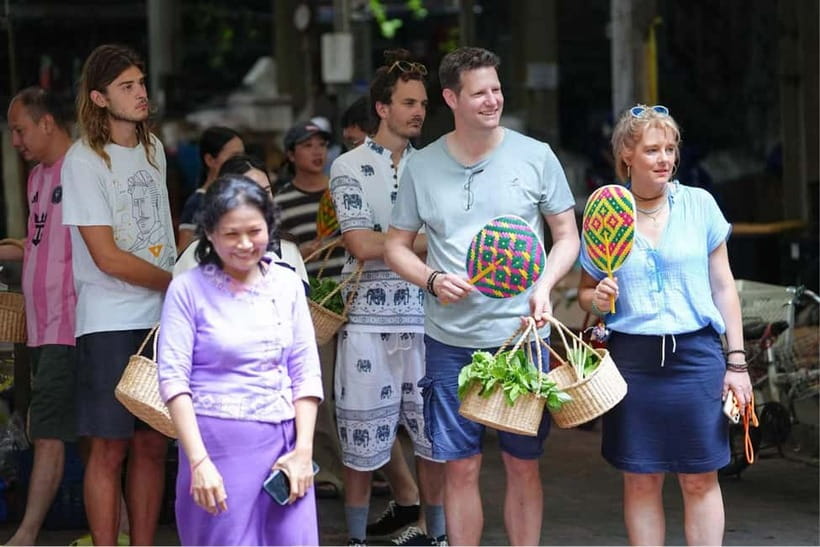
Bangkok’s White Lotus class begins where Thai food begins: at the market. You’ll walk through produce stalls and Bangkok’s famous flower market before cooking four dishes, including Tom Yam Goong and Pad Thai, in a small, friendly school above the market.
I like the market walk because it turns unfamiliar ingredients into useful cooking knowledge. I also like the hands-on format: you cook and eat each dish, then make fresh coconut milk for the sticky rice. Instructors such as Jeab, Sasi, Chon, and Pat are praised for clear English, patience, and humor.
The one thing to consider is the location. The school is easy to reach by MRT, but it sits on the second floor of the market, so follow the directions carefully. You’ll also want to arrive hungry. Four dishes add up to a serious meal.
Key points to know before you book
- Market first, cooking second: Start with local wholesale produce and Bangkok’s biggest flower market, where your guide explains ingredients, flowers, and buying tips.
- Four dishes in one class: Prepare Tom Yam Goong, Pad Thai, Som Tam, and Mango Sticky Rice, then eat each dish during the session.
- Fresh coconut milk from scratch: Learn the extra step that gives the dessert a more traditional touch.
- Adjustable spice and vegetarian choices: You can ask for milder dishes, and vegetarian adaptations are available.
- Friendly instruction for beginners: The class is paced so you can follow along without prior cooking experience.
- Good value at $35: The price covers the 210-minute class, market visits, meal, certificate, and a small souvenir, but not transportation.
A market tour that gives the recipes some context
The experience starts at White Lotus Thai Cooking School, on the second floor of The Market Organization at Paak Klong Talad. That puts you beside Bangkok’s major flower market, rather than in a detached cooking studio with ingredients already measured and waiting.
Your instructor leads you through local wholesale vegetable and fruit markets, then into the flower market. This opening walk matters because Thai recipes often depend on ingredients that are hard to identify from a supermarket shelf. You can look at, touch, smell, and sometimes taste unfamiliar produce while learning how it fits into Thai cooking.
The market also gives you a glimpse of the working side of Bangkok’s food culture. You meet local vendors and see the ingredients before they become a neat line of bowls in the kitchen. Guides such as Jeab and Jaeb are especially praised for explaining how to choose good produce and for pointing out details you might otherwise miss.
The flower market adds something different. It is not just a colorful stop for photographs. You learn about flowers used in Thai cooking and local customs, while the setting helps explain why flowers remain such an important part of Bangkok’s daily life and celebrations.
This is a walking portion, so wear comfortable shoes. The market can be busy, and the floor may not feel as polished as the cooking school. That is part of the point, but anyone expecting a quiet sightseeing stroll should adjust their expectations.
More Cooking Classes in Bangkok
- Bangkok: Hands-on Thai Cooking Class and Market Tour
★ 4.9 · 1,614 reviews - Bangkok: Tingly Thai Cooking School Half-Day Cooking Class
★ 4.9 · 1,191 reviews - Bangkok: Maliwan Thai Cooking Class with Market Tour
★ 4.9 · 1,133 reviews
Four dishes, with plenty of actual cooking
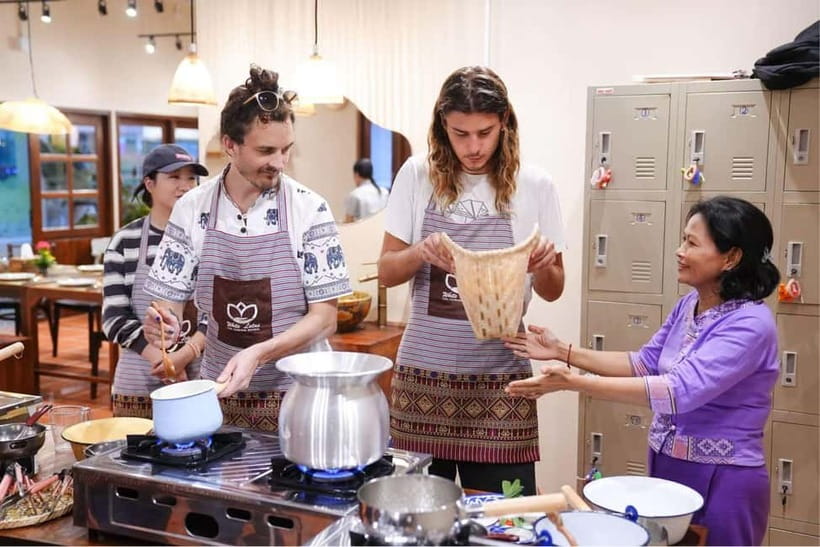
Back at the school, you move from looking to doing. The class covers four Thai dishes:
- Tom Yam Goong
- Pad Thai
- Som Tam
- Mango Sticky Rice
The order may vary, but the format is consistent: the instructor demonstrates each step, you prepare the dish, and then you eat it before moving to the next one. This is more satisfying than watching a chef cook while you take notes. You get a feel for the pace of the work, the texture of the ingredients, and the point at which a dish comes together.
Tom Yam Goong gives you a lesson in balance. The soup combines hot, sour, salty, and fragrant notes, so it is a useful dish for learning how Thai cooking builds flavor without relying on one heavy sauce. You can choose how spicy you want your food, which is important if you enjoy Thai flavors but do not normally eat much chili.
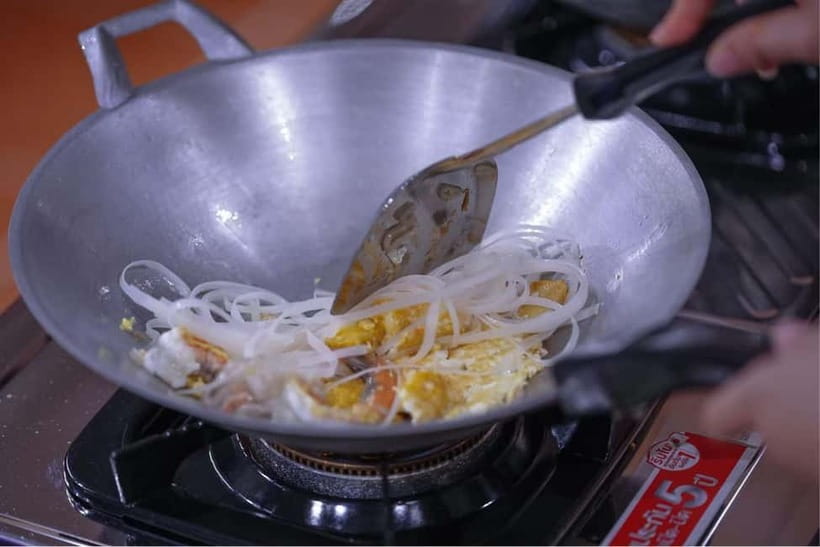
Pad Thai is likely to be the most familiar dish on the menu, but making it yourself reveals why restaurant versions vary so much. Timing matters, and the finished noodles should not sit around for long. One instructor, Chon, is praised for making the instructions easy to follow, while several participants especially enjoyed preparing Pad Thai.
Som Tam brings a different texture and style to the meal. The green papaya salad is fresh, sharp, and lively, with the spice level adjusted to your preference. It is also a good reminder that Thai food is not only about curries and noodles.
Mango Sticky Rice closes the cooking portion on a sweet note. The extra lesson here is making fresh coconut milk from scratch. That hands-on step gives the dessert more meaning than simply spooning a prepared sauce over rice. You learn where the creamy topping comes from and how it fits the dish.
The class is designed for beginners. You do not need to know your way around a wok, and the instructors keep an eye on each participant. At the same time, the format gives confident home cooks enough to do, rather than reducing the session to a demonstration.
A cozy kitchen with a social side
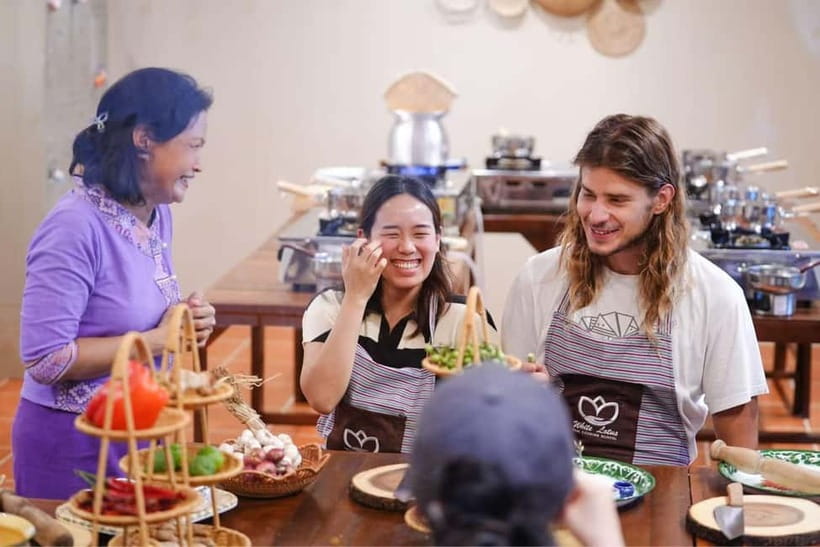
White Lotus aims for a home-like atmosphere rather than a formal culinary school. The room is described as clean, stylish, and well equipped, with decorations that help it feel warm without becoming fussy.
Class size can be around 10 people, which is small enough for personal help while still giving the meal a social feel. You cook alongside people from different countries, then sit down to eat what you have made. That shared meal is one of the best parts of the format. Food gives everyone an easy way to talk, even when nobody knows the other members of the group.
The instructors are a major part of the experience. Jeab, Jaeb, Sasi, Chon, Pat, Ploy, and Blue Jay are among the teachers praised for patience, humor, clear explanations, and cultural insight. The instructor can vary by session, but English and Thai are offered.
The strongest teaching style here seems to be practical and personal. Sasi is noted for a calm approach, while Chon is praised for humor and clear demonstrations. Jeab appears repeatedly as a warm, energetic teacher who explains both the cooking and the culture behind it.
That variety matters. A cooking class can be technically sound and still feel flat if the teacher rushes or reads from a script. Here, the instructor’s personality shapes the day, so the experience may feel slightly different from one session to another. The consistent benefit is that you are not left alone with a recipe and a pile of ingredients.
How much food will you eat?
Bring a very empty stomach. You cook four dishes and eat the results as you go, rather than waiting until the end for a single meal. Several portions together make this a substantial lunch or dinner replacement.
The advantage is obvious: you can taste each dish while it is fresh and notice how the flavors differ. The drawback is that the pace includes eating as well as cooking, so you should not plan a large meal immediately afterward.
The food is prepared with fresh market ingredients, and you can tailor the spice level. Vegetarian visitors can request vegetarian versions of the dishes, an especially useful option for a menu that normally includes shrimp or other animal products.
If you have dietary restrictions beyond vegetarian preferences, the supplied information does not specify what the school can accommodate. Ask before booking rather than assuming every substitution will be possible.
Other kitchens to cook in around Bangkok:
- Hands on Thai Cooking Class and Market Tour
★ 5.0 · 660 reviews - Tingly Thai Cooking Class with Morning Market Tour
★ 5.0 · 589 reviews - Hands-on Thai Cooking Class & Market Tour in Sukhumvit
★ 5.0 · 571 reviews - Pink Chili – Thai Cooking Class and Market Tour in Bangkok
★ 5.0 · 416 reviews
Price, timing, and what the $35 covers
At $35 per person, the 210-minute experience offers good value for Bangkok. You are not paying only for a cooking demonstration. The price includes the market walk, flower market visit, instruction, ingredients, four dishes, the meal, a certificate, and a small souvenir.
The class lasts three and a half hours, long enough to make the market visit more than a quick photo stop and to cook at a comfortable pace. Several participants specifically liked that the teacher did not rush the process.
You pay extra for a real meal and an activity you can repeat at home. The recipes and cooking guidance give the experience value after you leave Bangkok, especially if you already enjoy Thai food and want to recreate it.
Transportation is not included. That is not a serious problem because the meeting point is close to Sanamchai MRT station, about 150 meters away. The school is also about 60 meters from a 7/11, and it is located above the market on the second floor.
The address can be slightly confusing on a first visit. One participant wanted clearer directions with pictures, so allow a few extra minutes to find the correct entrance and floor. Look for The Market Organization at Paak Klong Talad rather than assuming the school has a street-level storefront.
You can cancel up to 24 hours before the activity for a full refund, and the reserve-now, pay-later option keeps your plans flexible. Wheelchair access is listed, but the information does not explain the exact route through the market or building, so ask the provider if you need detailed access arrangements.
Who will get the most from this class?
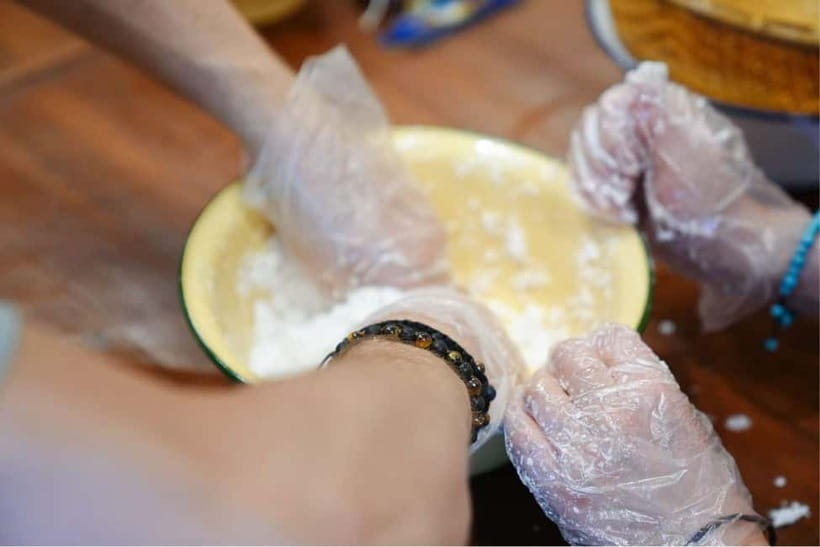
This is a strong pick for first-time visitors who want more than a restaurant meal. The market walk adds local context, and the recipes give you something practical to carry home.
It also works well for couples, friends, and families with older children. The activity is not suitable for children under six, but older children and teenagers can take part. Families have found the cooking engaging, and the instructors are described as patient with younger participants.
Vegetarians should feel comfortable asking for meat-free versions. The class can adjust spice levels, which makes it more approachable for people who enjoy Thai food but prefer a mild plate.
I would also recommend it to anyone who learns best by doing. If you want a quiet cultural tour with little participation, choose something else. This class involves handling ingredients, following directions, cooking, eating, and staying engaged for several hours.
It may be less suitable if you have very specific allergies or dislike group activities. The friendly, shared atmosphere is a strength for most people, but not everyone wants to cook and eat with strangers.
The small extras at the end
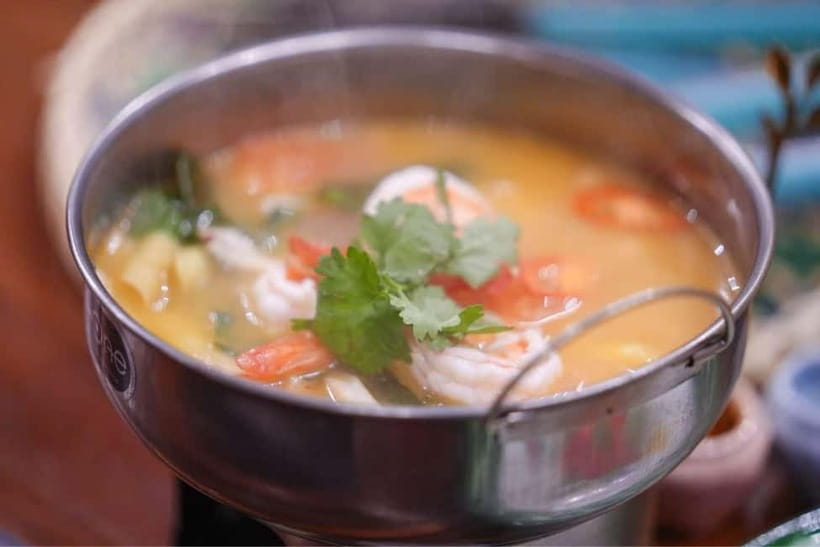
After the meal, the class continues with a few light cultural touches. You take part in a lucky draw, learn how to fold a white lotus, and receive a certificate.
The certificate is a simple souvenir, not a professional cooking qualification. Still, it gives the day a pleasant finish, especially for families and children. The lotus-folding activity adds a hands-on cultural detail without taking over the main cooking lesson.
You also leave with recipes, according to the information provided in the class experience. That is the most useful souvenir because it gives you a chance to repeat the food at home while the steps are still fresh.
Should you book White Lotus Thai Cooking School?
I would book this class if you want a practical Bangkok experience with food at its center. The market visit is more useful than a standard ingredient lecture, the four dishes make the price fair, and the instructors bring warmth and humor to the lesson.
Book it especially if you want to cook rather than watch, need vegetarian or mild-spice options, or are traveling with older children. Arrive hungry, allow extra time to find the second-floor school, and avoid scheduling a large meal afterward.
Skip it if you dislike group cooking, cannot manage a three-and-a-half-hour food activity, or need confirmed allergy arrangements that have not been discussed in advance. For most visitors, though, $35 buys a full morning or afternoon of food, culture, conversation, and useful skills.
FAQ
Where does the cooking class meet?
Meet at White Lotus Thai Cooking School on the second floor of The Market Organization at Paak Klong Talad.
How close is the school to public transportation?
The Market Organization is about 150 meters from Sanamchai MRT station.
How long does the experience last?
The activity lasts 210 minutes, or three and a half hours.
What markets will I visit?
You visit local wholesale vegetable and fruit markets and Bangkok’s biggest flower market.
Which Thai dishes will I cook?
You cook Tom Yam Goong, Pad Thai, Som Tam, and Mango Sticky Rice.
Will I make coconut milk?
Yes. The class includes preparing fresh coconut milk from scratch for the sticky rice.
Can I choose a mild spice level?
Yes. You can customize your dishes to be spicy or mild.
Are vegetarian options available?
Yes. Vegetarian versions of the dishes can be prepared.
Do I need cooking experience?
No. The class is suitable for all skill levels, including beginners.
Is the activity suitable for young children?
The class is not suitable for children under six years old.
Is transportation included?
No. Transportation to and from the cooking school is not included.
Is the class wheelchair accessible?
Yes. The activity is listed as wheelchair accessible.
What language is the class taught in?
Instruction is available in English and Thai.
Can I cancel the booking?
Yes. You can cancel up to 24 hours in advance for a full refund.
What do I receive at the end?
You receive a certificate, and the experience also includes a lucky draw and white lotus folding activity.
Just added in Bangkok
- Bangkok: City Culture half-day Bike Tour★ 5.0 · 19 reviews
- Bangkok: A 4 Hours Tuk Tuk Sightseeing Tour Iconic Landmarks★ 4.3 · 8 reviews
- Bangkok: 2 Hours Grand Palace & Wat Pho Private Tour★ 4.9 · 15 reviews
- Bangkok: Muay Thai Boxing Class for Beginners★ 5.0 · 189 reviews
- Bangkok: 2 Temple Tour (Golden Buddha + Marble Temple)★ 3.6 · 88 reviews
- Bangkok: Baiyoke Observation Deck Ticket with Buffet Meal★ 4.2 · 188 reviews
- Ayutthaya: Private Boat Tour with Optional Temple Visits★ 4.6 · 102 reviews
- Bangkok: Chao Phraya Alangka Cruise at Icon Siam★ 3.8 · 36 reviews
Thai Cooking Classes, compared.
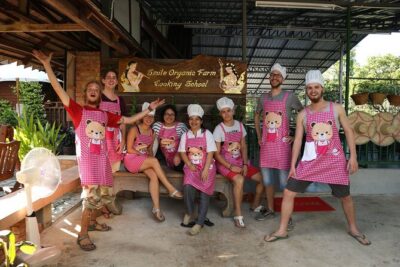
Half-Day Thai Cooking Class at Organic Farm in Chiang Mai
Read our review →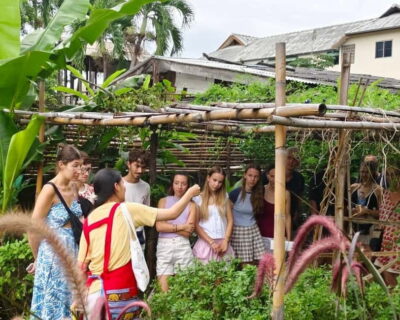
Chiang Mai: Cooking Class, Market & Thai Herbs Garden Tour
Read our review →
Chiang Mai: Authentic Cooking Class with Market & Farm Visit
Read our review →
Phuket Thai Cooking Class with Market Tour Option
Read our review →
Bangkok: Hands-on Thai Cooking Class and Market Tour
Read our review →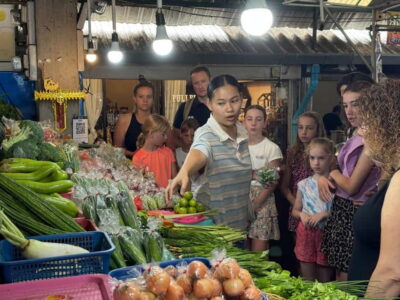
Chiang Mai: Cooking Class with Market and Pickup
Read our review →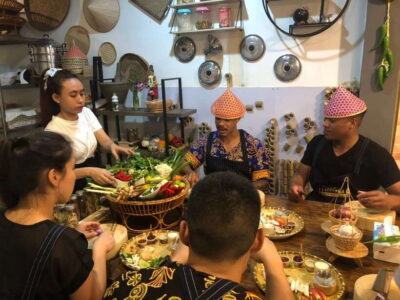
Bangkok: Tingly Thai Cooking School Half-Day Cooking Class
Read our review →Browse the lists this tour appears in