
Reviewed · THAI COOKING CLASSES
Bangkok Cooking Class : Traditional Thai dishes&Market Trip
Bangkok’s best food lessons often begin before the stove is turned on. Here, you ride by tuk-tuk or truck taxi to a local market, learn how to ask for ingredients in Thai, and see the raw materials before turning them into dinner. Back at the cozy kitchen, Pat guides you through four dishes and a drink, one course at a time.
I like two things right away: the market trip gives the class a real connection to daily Bangkok life, and the food is cooked in stages so you can eat each dish while it is fresh. The recipe booklet is another practical touch. The main consideration is that the class is not suitable for people with food allergies, wheelchair users, or children under 10, and the posted age restrictions are unusually strict.
Key points at a glance
- A market visit with a purpose: You do not simply look around. You buy ingredients, practice Thai phrases, and learn how to interact with local vendors.
- Four dishes plus one drink: Menus mentioned by participants include Pad Thai, Massaman curry, green curry, soup, mango sticky rice, and Thai tea, though the exact selection can vary.
- Pat is the central guide: She explains cooking methods, food origins, spice adjustments, and ways to replace Thai ingredients at home.
- Small groups make the class hands-on: The group is limited to eight people, and the instructor may adapt spice levels and some ingredients.
- Good take-home value: Ingredients, equipment, an apron, drinks, dining, and a recipe book are included in the $38 price.
- Easy to fit into a Bangkok schedule: Morning, afternoon, and evening start times are offered, with about three hours needed for the class.
Why the market trip makes this class different
Many Bangkok cooking lessons begin in a prepared kitchen, with bowls of chopped ingredients waiting on the counter. This one starts with a short local outing. That matters because Thai cooking makes more sense when you see the ingredients in their everyday setting.
You travel to the market by tuk-tuk or truck taxi with your instructor. The ride is part of the fun, but the useful part comes when you begin choosing and buying food. Pat teaches basic Thai words and shows you how to interact with sellers. You are not expected to become fluent in ten minutes. Instead, you get a small, friendly lesson in how food shopping works in Bangkok.
The market also helps you recognize ingredients that can look unfamiliar in a recipe. Kaffir lime leaves, pandan, lemongrass, and blue pea flower have all featured in the dishes prepared here. Seeing, smelling, and handling them makes it easier to identify them later in an Asian grocery store.
This is not presented as a major sightseeing market tour. It is a working ingredient stop tied directly to the cooking lesson. That keeps the outing focused, though it also means you should not book this class expecting a long market exploration or a full food tour.
More Cooking Classes in Bangkok
- Bangkok: Hands-on Thai Cooking Class and Market Tour
★ 4.9 · 1,614 reviews - Bangkok: Tingly Thai Cooking School Half-Day Cooking Class
★ 4.9 · 1,191 reviews - Bangkok: Maliwan Thai Cooking Class with Market Tour
★ 4.9 · 1,133 reviews
Finding the white building in Thonburi
The meeting point is in a quieter part of Thonburi, across the river from Bangkok’s most familiar central sights. The venue is a white building with a dark brown door in the middle of Thonburi 7 Alley.
Getting there requires a little care. From BTS Krung Thonburi Exit 2, walk toward Thonburi 5 Alley first, then turn into Thonburi 7 Alley. If you arrive by car, tell the driver to enter Thonburi 5 Alley before turning into Thonburi 7. The latter is narrow and one way, so giving the driver the full instruction matters.
If you come from the pier, you can walk into Thonburi 7 Alley. I would allow extra time for the final approach and arrive 10 to 15 minutes early. Bangkok traffic can turn a short trip into a slow one, and the class may leave for the market soon after the start time.
Transportation to the meeting point is not included. Once the activity begins, the market transfer is part of the experience.
What the three-hour class feels like
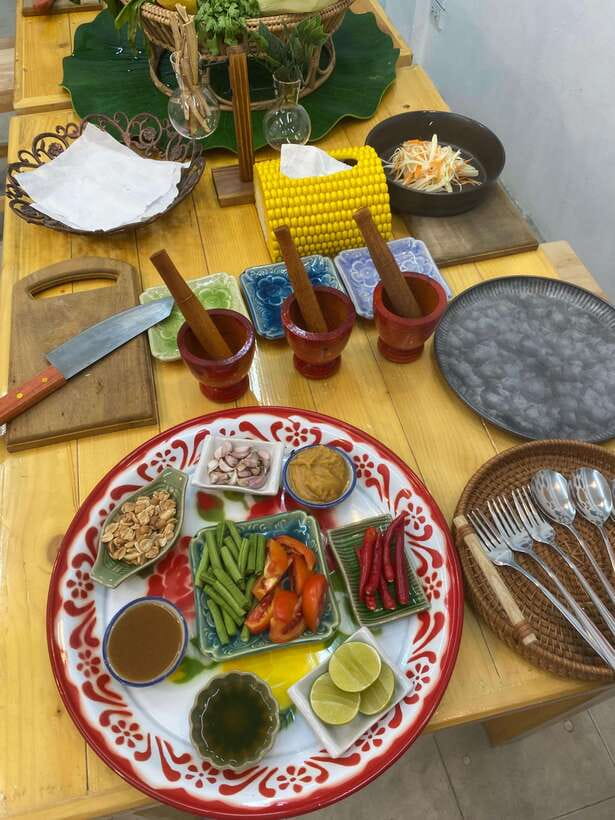
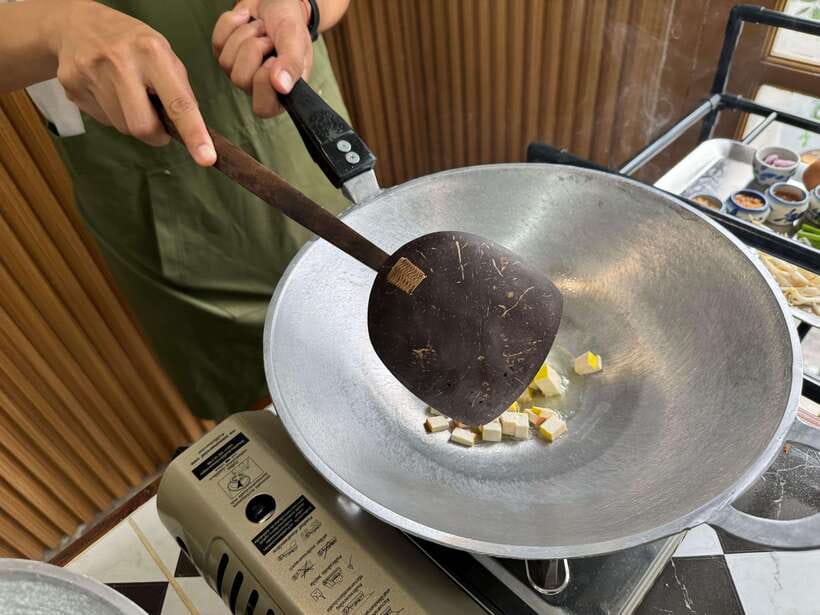
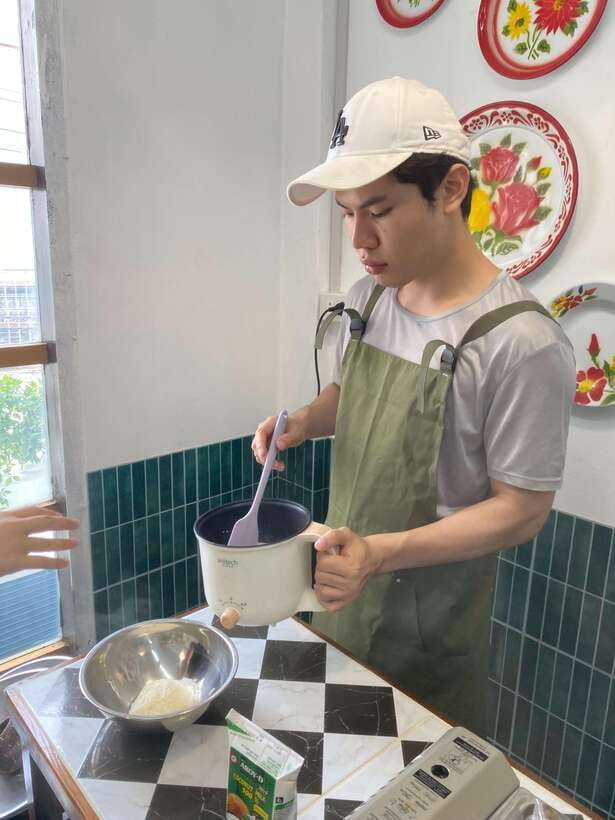
The class has a sensible rhythm: market first, cooking second, eating throughout. You are not left watching a chef prepare everything while you stand behind a counter. The instructors explain each stage and give you jobs to do.
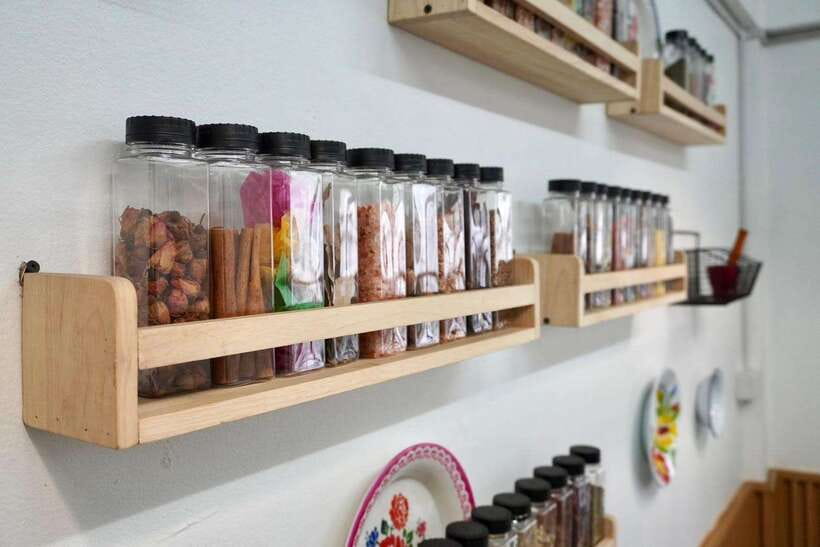
The kitchen is described as clean, organized, and cozy. An apron and cooking equipment are supplied, along with the ingredients. Free drinks are also available during the class, and you eat at the venue after preparing the food.
The small group limit of eight is important. It gives you a better chance to ask about spice, substitutions, and cooking techniques. Pat is especially good at adjusting the lesson to the person in front of her. If you prefer less heat, she can tailor the recipe. If you want prawns instead of another protein, the market visit may allow for that kind of request, but you should ask in advance rather than assume.
The class is taught in English. Pat and the other instructors explain clearly, add humor, and give context about where dishes come from and how Thai food is used at home. The tone seems relaxed rather than formal, which helps if you are new to cooking.
Four dishes, a drink, and a lot of food
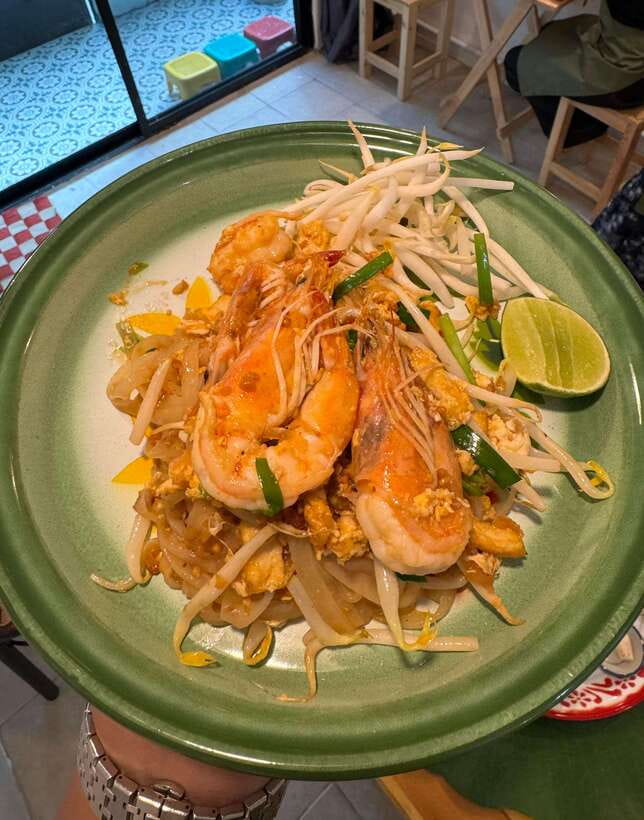
The advertised format is four Thai dishes and one drink. Menus described during the experience have included Pad Thai, Massaman curry, green curry, chicken soup, mango sticky rice, Thai tea, and blue pea flower sticky rice.
Do not assume every session includes every one of those dishes. The exact menu may change, but the general structure is a full meal from savory dishes through dessert, with a drink included.
The strongest part of the format is that you eat as you go. One dish is prepared, served, and enjoyed before moving on to the next. That keeps the food from sitting cold and lets you judge the seasoning while the instructions are still fresh in your mind.
Come hungry. Portions are generous enough that some people may want leftovers packed to take away. That is useful at the end of a busy Bangkok day, though it also means the class can feel like a large meal rather than a light tasting.
You learn more than a list of ingredients. Pat explains how to adapt recipes to ingredients available at home. That makes the class useful after your holiday, especially if you live somewhere without a Thai market nearby. The lesson is not only about copying a dish. It is about understanding which flavors matter and which parts can be adjusted.
Other kitchens to cook in around Bangkok:
- Hands on Thai Cooking Class and Market Tour
★ 5.0 · 660 reviews - Tingly Thai Cooking Class with Morning Market Tour
★ 5.0 · 589 reviews - Hands-on Thai Cooking Class & Market Tour in Sukhumvit
★ 5.0 · 571 reviews - Pink Chili – Thai Cooking Class and Market Tour in Bangkok
★ 5.0 · 416 reviews
The best lessons are in the small details
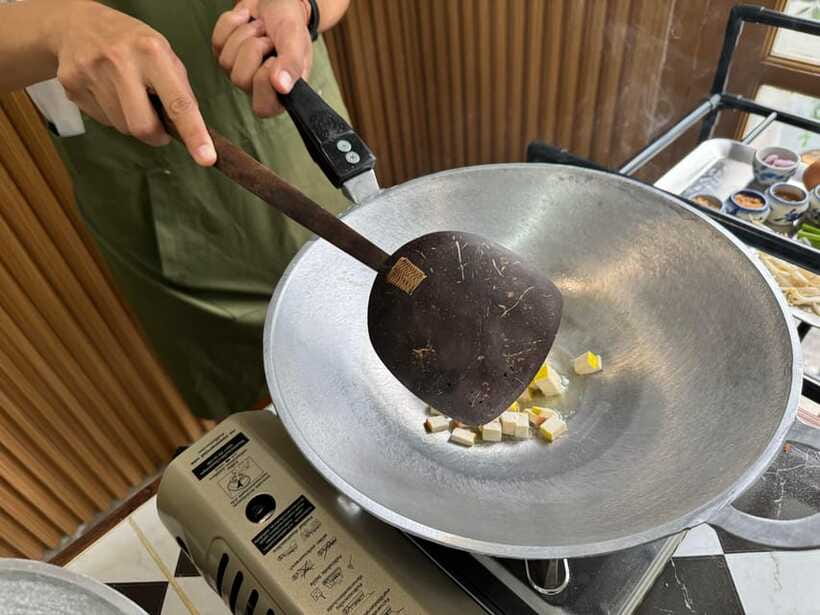
Thai food depends on balance: salty, sweet, sour, spicy, and aromatic notes working together. A cooking class can show you the recipe, but a good teacher also explains why an ingredient is there.
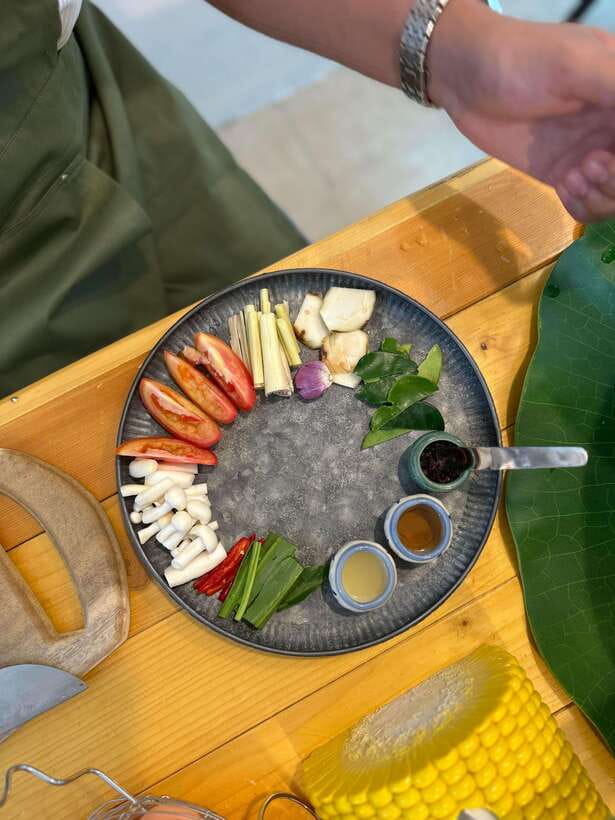
The use of kaffir lime leaves, lemongrass, pandan, and blue pea flower adds that extra layer. Blue pea flower, for instance, can color rice naturally, while pandan brings a distinctive fragrance to sweets and drinks. These are the details that make the meal feel connected to Thailand rather than like a generic stir-fry lesson.
The market lesson adds another useful skill. You learn simple phrases for buying ingredients and get help speaking with vendors. That may be the most memorable part for people who want cultural contact without taking a full language class.
The instructor also shares advice about where to buy Thai ingredients after the class. If you plan to recreate the dishes at home, this can be as useful as the recipes themselves.
What you take home for $38
At $38 per person, the class is not the cheapest way to eat in Bangkok. Street food will cost much less, and a restaurant meal will require no work at all.
The value comes from what is bundled into the three hours. You receive the market outing, transport during the activity, instruction for four dishes and a drink, ingredients, kitchen equipment, an apron, drinks, and a sit-down meal. The recipe book gives the experience a second life after you fly home.
You also get a practical cultural activity rather than only a meal. The market visit, Thai phrases, ingredient lesson, and cooking techniques are things you can carry into the rest of your trip and use later at home.
I would call the price fair for a small group, especially if you would otherwise pay separately for a market tour and a cooking lesson. It is less compelling if you mainly want a quick demonstration or a short tasting.
Some sessions also provide small souvenirs such as chopsticks. Treat those as a pleasant extra, not a reason to book.
Morning, afternoon, or evening?
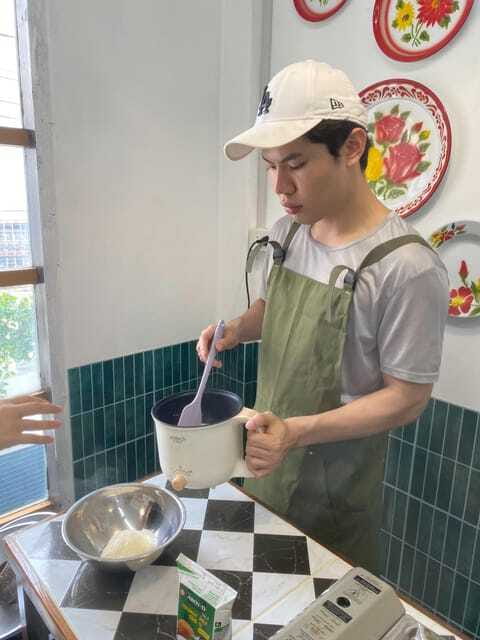
The choice of start time lets you fit the class around Bangkok sightseeing. A morning session works well if you want your main meal earlier and prefer to spend the afternoon elsewhere. It may also be the most comfortable option for a market visit in Thailand’s heat.
An afternoon class gives you an easy break from temples, shopping, or river sightseeing. You can make the cooking lesson the main event of the day and finish with dinner.
An evening class suits people who want to cook their own dinner rather than eat at a restaurant. It also leaves daylight hours open, but the market visit and Bangkok traffic still mean you should not schedule another activity too tightly afterward.
The advertised duration is three hours, though one session was described as taking closer to four hours. Allow some flexibility. A market stop, four dishes, eating, questions, and photographs can naturally run long.
Dietary needs and practical limits
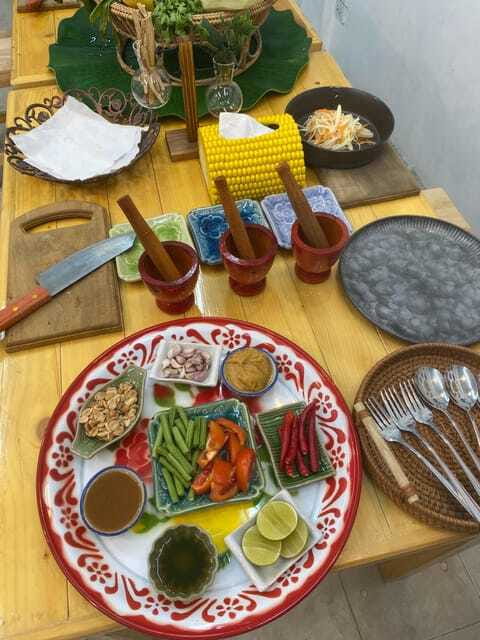
Vegetarian, vegan, Halal, and Kosher options are available if you provide advance notice. Tell the operator when booking, and repeat the request at the meeting point so the instructor can confirm the plan.
The class is not suitable for people with food allergies. That is a serious distinction from ordinary dietary preferences. If you have an allergy, the shared kitchen and ingredient handling may not offer the level of control you need.
The activity is also not designed for wheelchair users or babies. High heels are not allowed, and comfortable shoes are the sensible choice for the market walk and cooking session. Bring water, a sun hat, comfortable clothes, insect repellent, a camera, and cash for personal expenses.
The age information needs attention. The published restrictions exclude children under 10 and also list people over 60 and over 70, along with people over 95. Since those limits overlap and appear inconsistent, older participants should confirm eligibility directly before paying.
Who will enjoy this most?
I would recommend this class to first-time Bangkok visitors who want a hands-on food experience with a little local life attached. It also suits couples, small groups of friends, solo visitors, and families with older children or teenagers.
It is especially good for people who like to understand what they are eating. You learn ingredient names, market manners, Thai phrases, spice adjustments, and cooking steps instead of simply sampling finished dishes.
Vegetarians and people who prefer gentle seasoning should find the class adaptable, provided they give notice. Beginners are welcome because the instructors explain each step clearly.
I would choose something else if you dislike cooking, have serious food allergies, need step-free access, or want a long, independent market visit. The class is active and social. You will be standing, handling food, eating several courses, and keeping to the group’s pace.
Booking details worth knowing
The experience is operated by Sala Thai BKK, with Pat as the main instructor named in the class information. Other instructors, including GG and Pair, may also help depending on the session.
The group is limited to eight participants, but the class may still run with fewer people. One participant had a private-style lesson when they were the only person booked, which shows some flexibility in how the session operates.
You can cancel up to 24 hours before the activity for a full refund. A reserve-now, pay-later option is also available, useful if your Bangkok plans are still moving around.
Wear practical clothing rather than anything precious. Cooking involves ingredients, sauces, heat, and movement. Keep your schedule loose after the class, since the food and conversation may take longer than the stated three hours.
Should you book this Bangkok cooking class?
Book it if you want more than a plate of Pad Thai. The market ride, basic Thai phrases, fresh ingredients, and hands-on cooking create a fuller picture of how Thai food reaches the table.
For $38, I think the package offers solid value for a small group. The strongest reasons to choose it are Pat’s patient teaching, the market interaction, the option to adjust spice and dietary choices, and the recipe book that helps you repeat the meal at home.
Skip it if you need a fully accessible activity, have food allergies, or want a short and quiet food stop. For everyone else, this is a practical, friendly way to spend part of a Bangkok day, especially if you arrive hungry and leave room for dessert.
FAQ
How long does the Bangkok cooking class last?
The advertised duration is three hours. You should allow extra time, since the market visit, four dishes, eating, and questions can make some sessions last closer to four hours.
What dishes will I cook?
You will prepare four Thai dishes and one drink. Dishes that have been included in sessions include Pad Thai, Massaman curry, green curry, chicken soup, mango sticky rice, blue pea flower sticky rice, and Thai tea. The exact menu can vary.
Is transportation to the cooking class included?
Transportation to the meeting point is not included. The activity does include the tuk-tuk or truck taxi trip to the local market after the class begins.
Are vegetarian and vegan options available?
Yes. Vegetarian, vegan, Halal, and Kosher options are available when requested in advance. Contact the provider before the class with your dietary needs.
Where is the meeting point?
The venue is a white building with a dark brown door in Thonburi 7 Alley. From BTS Krung Thonburi Exit 2, go through Thonburi 5 Alley first, then turn into Thonburi 7. The alley is narrow and one way for cars.
What is included in the price?
The $38 price includes the market trip, instruction for four dishes and one drink, free drinks during class, ingredients, kitchen equipment, an apron for use during the lesson, dining at the venue, and a recipe book. Personal expenses and transportation to the meeting point are not included.
Just added in Bangkok
- re:leaf spa and massage★ 4.0 · 10 reviews
- Wonderful Pearl Dinner Cruise★ 3.5 · 27 reviews
- 3-Hour Bangkok Walking Tour: Wat Pho and Wat Arun★ 5.0 · 102 reviews
- Yoga in the Park Thailand★ 5.0 · 12 reviews
- Visit Wat Pho and Wat Arun with Local Expert★ 4.0 · 14 reviews
- White Orchid Sunset Dinner Cruise Calypso Ladyboy Cabaret Show★ 4.0 · 10 reviews
- Morning Buddhist Almsgiving, Grand Palace and Flower Market Tour in Bangkok★ 3.5 · 9 reviews
- Miracle Bangkok Airport Lounges – Relax Before You Fly★ 3.0 · 32 reviews
Thai Cooking Classes, compared.
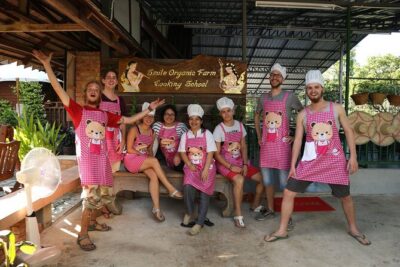
Half-Day Thai Cooking Class at Organic Farm in Chiang Mai
Read our review →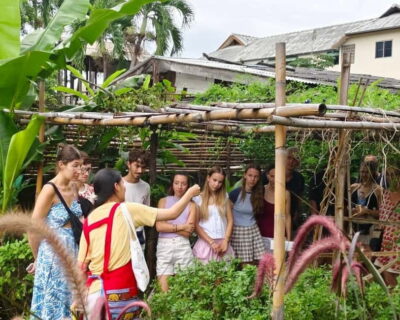
Chiang Mai: Cooking Class, Market & Thai Herbs Garden Tour
Read our review →
Chiang Mai: Authentic Cooking Class with Market & Farm Visit
Read our review →
Phuket Thai Cooking Class with Market Tour Option
Read our review →
Bangkok: Hands-on Thai Cooking Class and Market Tour
Read our review →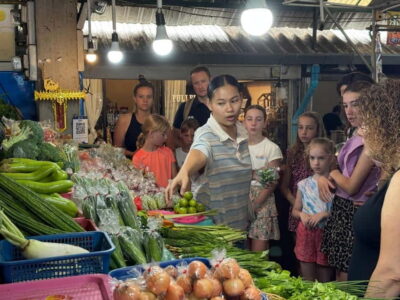
Chiang Mai: Cooking Class with Market and Pickup
Read our review →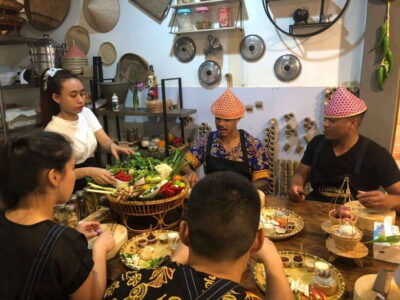
Bangkok: Tingly Thai Cooking School Half-Day Cooking Class
Read our review →Browse the lists this tour appears in