
Reviewed · STREET FOOD & FOOD TOURS
Bangkok: Chinatown By Night Walking Tour
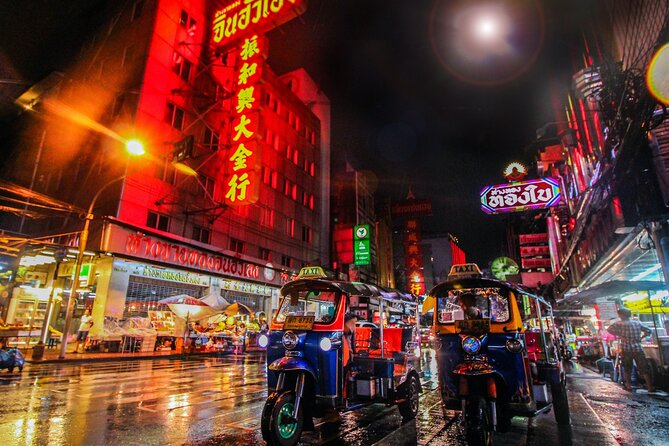
Bangkok’s Chinatown is at its best after sunset, when Yaowarat Road glows with signs, food stalls fill the lanes, and old Chinese shopfronts share space with busy eateries. This walking tour adds a local guide to that evening rush, taking you beyond the main road to temples, shrines, old homes, and small community streets.
I like the mix of street food and cultural stories, especially the explanations of Thai-Chinese customs, herbal drinks, and the gold trade. I also like the route’s variety: one moment you are in an old market, the next you are looking at a nineteenth-century mansion or a mosque built like a European villa.
The main thing to consider is the pace and crowd level. Chinatown can be very busy, and the tour may allow up to 99 people, so this is not a quiet, private walk. Food is part of the experience, but the included services do not promise meals, so bring extra cash if you want to sample dishes.
Key points to know before you book
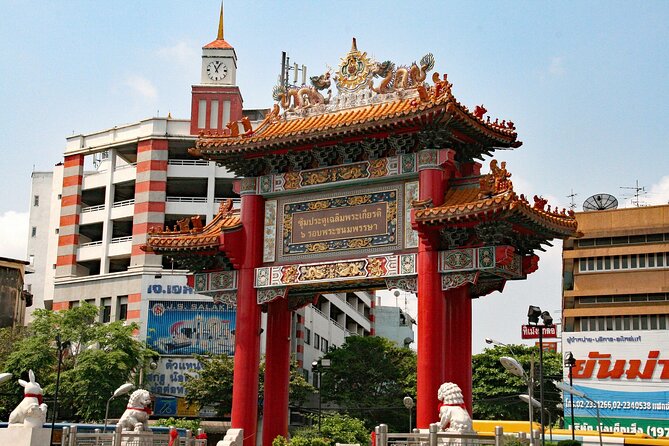
- Chinatown after dark: Start at 6:30 pm, when Yaowarat Road begins its nightly transformation into one of Bangkok’s best street-food areas.
- A broad cultural route: See the Chinatown Gate, Talat Kao market, Chinese shrines, temples, an old mosque, and historic buildings in nearby Talat Noi.
- Food guidance from a local: Guides such as Nam, Jimmy, Tony, Bass, and Dan have helped visitors choose dishes, drinks, and traditional Chinese snacks.
- A two-hour introduction: The walk gives you a useful first look, but it is not long enough for every lane or attraction in detail.
- Low headline price: At $15 per person, the tour is good value for orientation and storytelling, though food and attraction entry are extra.
- Simple logistics: Use the mobile ticket, meet at Hua Lamphong, Rong Muang, at 6:30 pm, and return to the same meeting point.
Why Chinatown works so well at night
Bangkok’s Chinatown is not a museum district. It is a working neighborhood, shopping zone, food quarter, and Chinese-Thai cultural center all at once. At night, the streets become easier to read through their smells, lights, signs, and crowds, but they can also be confusing if you do not know where to turn.
That is where this tour earns its $15 price. You are not paying for a grand attraction ticket. You are paying for someone to connect the signs and streets into a story, point out details you might miss, and help you make sense of the food stalls.
The route includes famous points on Yaowarat Road, but it also reaches quieter corners and nearby Talat Noi. That balance matters. A self-guided walk can show you the main road, but it is easy to miss the small shrine, old house, or side alley that explains how the area developed.
Your guide may be Nam, Jimmy, Tony, Bass, Dan, or another member of the local team. The individual guide matters here because the tour depends heavily on explanation and pacing. Names attached to especially warm and engaging tours include Nam, who brings energy to her storytelling, and Tony, who has helped families manage the heat while sharing food and history.
More Food Tours in Bangkok
- Bangkok: Backstreets Food Tour with 15+ Tastings
★ 4.9 · 2,880 reviews - Bangkok Backstreets Food Tour with 15+ Tastings
★ 5.0 · 1,926 reviews - Bangkok: Michelin Guide Street Food Tour by Tuk Tuk
★ 4.4 · 1,274 reviews
Starting at Hua Lamphong and entering the old neighborhoods
The meeting point is at Hua Lamphong, Rong Muang, with the tour beginning at 6:30 pm. The area is near public transportation, which makes it a practical starting point for an evening in Chinatown.
From there, the walk moves through a part of Bangkok where Chinese immigration, trade, religion, and local community life overlap. The exact order of stops may vary, but the listed route includes Chinatown and the historic Talat Noi area.
Do not expect a long introduction in a quiet room. This is a moving tour from the start. You will need comfortable footwear, enough water for Bangkok’s evening heat, and patience around traffic and crowds. The walk is about two hours, so it works well as a first evening activity rather than a full-night food crawl.
Chareon Chai Community Museum and local life
One stop is an old house converted into a community museum. It preserves the history, customs, and daily life of the Chareon Chai Community.
This kind of stop gives the walk more depth than a simple food tour. Chinatown is often reduced to neon signs and noodles, but old homes show how families lived, worked, and passed traditions through generations. The community museum helps you see the neighborhood as a place where people still live, not just a backdrop for photographs.
Because the tour lasts around two hours, your time at the museum may be brief. Think of it as a useful window into local life rather than a full museum visit. Entry to attractions is not included, so check with the guide about any admission charge before entering.
The unusual mosque built like a European villa
The route also reaches an old mosque with an unusual European-villa design. It is an unexpected sight in a district more often associated with Chinese shrines, gold shops, and Buddhist temples.
This stop is valuable because it shows the area’s mixture of faiths and architectural influences. Bangkok’s old trading neighborhoods were never culturally simple. Different communities lived and worked close to one another, and the buildings reflect those connections.
Your guide can give this building context that you may not get from a quick look at the exterior. It is also a reminder to keep your pace flexible. Religious sites require respect, and the walk may focus on viewing rather than extended access inside.
More eating your way around Bangkok:
- Old Siam Bangkok Food Tour with 15+ Tastings
★ 5.0 · 867 reviews - Bangkok Authentic Tasting Thai-Chinatown Walking Food Tour
★ 4.9 · 852 reviews - Bangkok: Tuk Tuk Adventure Chinatown Michelin Food & Temples
★ 4.3 · 725 reviews - Bangkok Tuk-Tuk Tour by Night with Chinatown Street Food Meal
★ 5.0 · 635 reviews
Talat Kao, Chinatown’s old market
Talat Kao, also known as Chinatown’s Old Market, occupies a long, narrow alley off Yaowarat Road. This is one of the most useful stops for understanding how the district functions beyond its famous avenue.
The alley format matters. Main roads show you signs, traffic, and restaurant fronts. A narrow old market reveals the tighter scale of neighborhood commerce, with shops and stalls arranged close together. Your guide can help identify traditional products and explain how the market fits into Chinatown’s food culture.
This is also one of the places where crowding may affect the experience. You may need to walk slowly and stay close to the group. Keep bags secure and avoid stopping in the middle of the lane for photographs. The reward is a more grounded view of the district than a quick stroll along the main road.
The riverside temple near Marine Department
Another stop is a small temple visible from the riverside, close to the Marine Department station on the Chao Phraya orange express line. Its location gives the route a connection to Bangkok’s river network, which has long shaped movement and trade in the city.
The temple itself may not take long to see, but its setting adds useful context. Chinatown was not isolated from Bangkok. The river, canals, markets, and transport stations helped connect the neighborhood to the rest of the city.
This is a good example of why a guide can improve a short walk. You might notice a temple from the riverside and keep going. With an explanation, it becomes part of a larger picture involving trade, worship, and transport.
So Heng Tai Mansion in Talat Noi
The So Heng Tai Mansion is a nineteenth-century Chinese courtyard house in Talat Noi, one of the most characterful areas on the route. Its traditional courtyard plan gives you a sense of how a wealthy Chinese family home differed from the tight shop-house fronts along the market lanes.
Talat Noi adds a different mood to the evening. It is still part of old Bangkok, but the streets and buildings offer a change from the bright commercial energy of Yaowarat Road. The mansion is especially useful for anyone interested in architecture, family history, and the role of Chinese merchants in Bangkok.
Access can depend on opening arrangements and any admission requirements, so do not assume the tour price covers entry. The included services are the guided walk, local insights, storytelling, and three self-guided tours through the Vox City app. Attraction tickets are separate.
The old royal monastery from the Ayutthaya era
The itinerary includes an old royal monastery established during the Ayutthaya era. That date places the site within a much older layer of Thai history than the later Chinese commercial quarter.
This stop gives the walk a useful contrast. Chinatown’s identity is strongly Chinese-Thai, but it sits within a Thai capital whose religious and political story reaches back centuries. A guide can explain how the monastery relates to the city around it rather than treating it as an isolated temple visit.
Temple visits during an evening walking tour are usually about atmosphere, exterior details, and short explanations. If you want long periods of quiet worship or detailed architectural study, you will need a separate visit. For a first look, the monastery helps widen the tour beyond food and shopping.
Zhou Si Kong Shrine and the Chinese side of the neighborhood
The Zhou Si Kong Shrine is an approximately 200-year-old shrine along the Chao Phraya River in Talat Noi. It is used for prayer and good wishes involving luck, health, strength, and protection from illness.
This stop is one of the clearest links to the spiritual life of Bangkok’s Chinese community. Shrines such as this are not simply old buildings for sightseeing. They remain places where people come to pray, make offerings, and ask for help in daily life.
Pay attention to the details your guide points out, including signs and symbols that are easy to pass without understanding. One guide, Dan, has been especially good at drawing attention to small signs and side-street details that a casual walk might miss.
As at any active religious site, keep your voice low and follow instructions about where to stand. The visit may be short, but it can be one of the most meaningful parts of the route if you are interested in how belief fits into everyday neighborhood life.
Street food, herbal drinks, and what you actually pay for
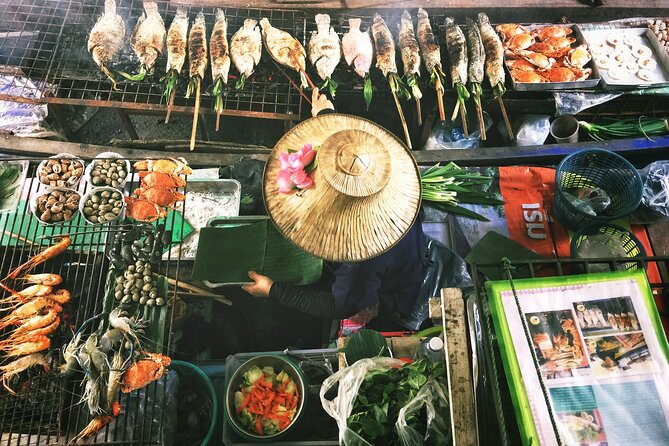
Food is a major reason to choose this tour. The route includes chances to see and taste popular Thai street food, and guides can explain what different dishes are and how they fit into local food culture.
Food guidance is more useful than simply being led to a famous stall. Jimmy has helped explain Chinatown’s food, while Dan has introduced traditional Chinese herbal drinks. Other guides have taken groups to several food stalls, giving you the chance to compare smells, textures, and styles rather than stopping for only one dish.
There is an important money detail. The tour description includes food tasting as part of the experience, but the formal inclusions list does not specify a meal or a set number of dishes. Another practical account describes opportunities to purchase and try food. I would budget extra for snacks and drinks, and I would ask the guide what is included before ordering.
That arrangement can work in your favor. You choose what suits your appetite and budget instead of paying for a fixed meal. It also means the final cost may be higher than $15 if you sample several dishes.
Group size, timing, and comfort
The advertised duration is about two hours, though one family completed a version of the walk in about an hour and a half. Allow the full two hours, and keep your evening schedule open in case the pace or food stops take longer.
The maximum group size is 99 people. That is a large possible group for narrow market lanes, even if the actual group is smaller. If you want one-on-one attention or a quiet photography walk, this may not be the best match.
The evening start helps avoid the strongest daytime heat, but Bangkok can still feel hot and humid after sunset. One guide, Tony, noticed when a young participant was struggling with the heat and adjusted his care accordingly. That suggests the guide’s attention can make a real difference, but you should still bring water and wear light clothing.
Headphones are not included. This matters in a noisy food district, especially if the group is large. Stay near the guide and do not rely on hearing every word from the back.
Who will get the most from this walk
I would choose this tour for a first evening in Chinatown, especially if you want orientation before exploring alone. It suits people who enjoy food, local stories, temples, architecture, and short stops rather than a single major attraction.
Families can use it well, though young children may tire in the heat and crowds. The route includes enough variety to hold a teenager’s attention, especially when food and busy streets are involved.
It is also a good fit for solo visitors who want a safer, more structured introduction to Chinatown. The guide helps with direction, food choices, and cultural manners. If you already know Yaowarat Road well, the value will depend on how much you enjoy the less obvious stops and the guide’s storytelling.
At $15, I see this as a low-cost orientation tour. The price is strong for two hours of local guidance, but it does not cover everything you might spend during the evening. Add money for food and possible admission fees, and do not expect a private experience.
Should you book Bangkok Chinatown by Night?
Book it if you want a friendly introduction to Chinatown that combines food with temples, shrines, old homes, and neighborhood history. The best reason to go is the range of stops, from Talat Kao and the Chareon Chai Community Museum to So Heng Tai Mansion and Zhou Si Kong Shrine.
Skip it if you want a small private group, a formal food tour with all dishes included, or long visits inside every attraction. The maximum group size can be high, the route is busy, and the exact food allowance is not clearly defined.
For most first-time visitors, I think the tour is worth the modest fee. Go hungry but bring extra cash, stay close to the guide, and treat the walk as an introduction to Bangkok’s Chinese-Thai neighborhoods. You can then return to the stalls and lanes that caught your attention.
FAQ
How much does the Bangkok Chinatown by Night Walking Tour cost?
The tour costs $15 per person. Food purchases and entry to attractions are not included.
How long does the walking tour last?
The advertised duration is approximately two hours. One version of the walk has taken about one and a half hours.
What time does the tour begin?
The tour starts at 6:30 pm.
Where does the tour meet?
The meeting point is Hua Lamphong, Rong Muang, Bangkok 10330, Thailand. The tour ends back at the meeting point.
What places can I see during the walk?
Stops include the Chareon Chai Community Museum, an old mosque built in a European-villa style, Talat Kao Old Market, a small riverside temple, So Heng Tai Mansion, an old royal monastery from the Ayutthaya era, and Zhou Si Kong Shrine.
Is food included in the tour price?
The walk includes opportunities to taste popular Thai street food and learn about local dishes, but the formal inclusions do not specify a meal or set number of foods. Budget for food purchases.
What happens if I need to cancel?
You can receive a full refund if you cancel at least 24 hours before the local start time. Cancellations or changes made within 24 hours are not accepted for a refund.
More Walking Tours in Bangkok
- Bangkok: City Highlights Temple and Market Walking Tour
★ 4.5 · 3,990 reviews - Bangkok: Grand Palace and Wat Phra Kaew Guided Walking Tour
★ 4.4 · 2,417 reviews - Bangkok: Wat Pho and Wat Arun Guided Walking Tour
★ 4.6 · 1,720 reviews - Bangkok: Discover a Taste of Chinatown – 2 Hr Walking Tour
★ 4.2 · 152 reviews
Just added in Bangkok
- re:leaf spa and massage★ 4.0 · 10 reviews
- Wonderful Pearl Dinner Cruise★ 3.5 · 27 reviews
- 3-Hour Bangkok Walking Tour: Wat Pho and Wat Arun★ 5.0 · 102 reviews
- Yoga in the Park Thailand★ 5.0 · 12 reviews
- Visit Wat Pho and Wat Arun with Local Expert★ 4.0 · 14 reviews
- White Orchid Sunset Dinner Cruise Calypso Ladyboy Cabaret Show★ 4.0 · 10 reviews
- Morning Buddhist Almsgiving, Grand Palace and Flower Market Tour in Bangkok★ 3.5 · 9 reviews
- Miracle Bangkok Airport Lounges – Relax Before You Fly★ 3.0 · 32 reviews
Street Food & Food Tours, compared.

Bangkok: Backstreets Food Tour with 15+ Tastings
Read our review →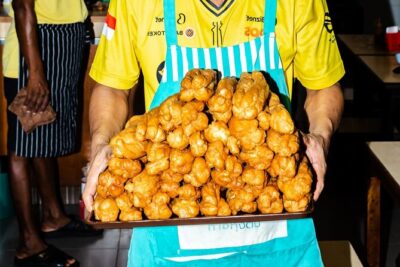
Southern Flavors Phuket Food Tour with 15+ Tastings
Read our review →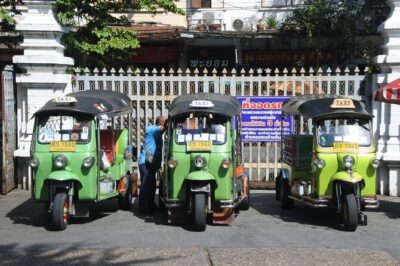
Bangkok: Michelin Guide Street Food Tour by Tuk Tuk
Read our review →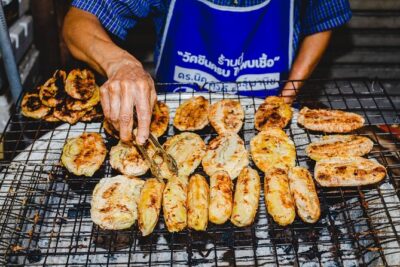
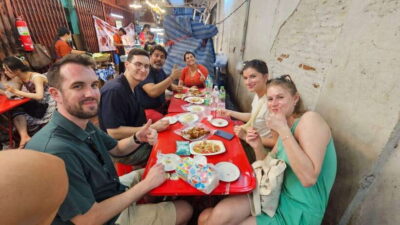
Bangkok Authentic Tasting Thai-Chinatown Walking Food Tour
Read our review →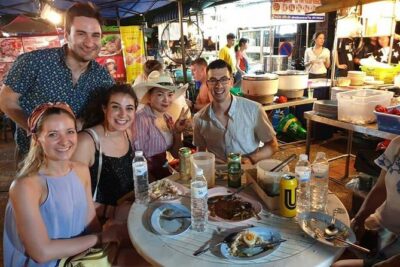
Small-Group Chiang Mai Evening Street Food Tour
Read our review →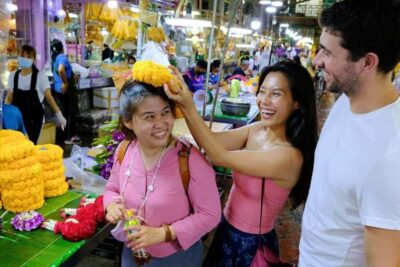
Bangkok: Tuk Tuk Adventure Chinatown Michelin Food & Temples
Read our review →Browse the lists this tour appears in