
Reviewed · STREET FOOD & FOOD TOURS
Bangkok: Backstreets Food Tour with 15+ Tastings
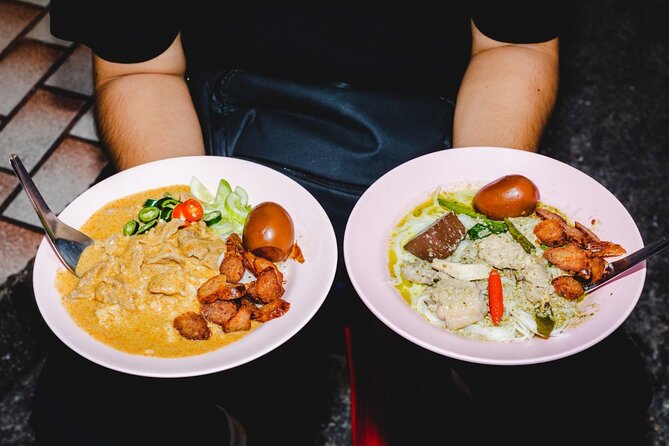
Bangkok’s Chinatown is easiest to understand with a fork in your hand. This four-hour walk moves through Yaowarat’s narrow backstreets, stopping 8 to 9 times for more than 15 tastings, from crispy chive dumplings and charcoal-grilled satay to shrimp dumplings and seafood soup. I like the small group of eight and the smart two-person setup, with one guide explaining the food while an assistant gets ahead to organize tables and dishes. The one catch: this is a serious amount of food, so arrive hungry and pace yourself.
I also like that the tour treats Chinatown as more than a parade of famous stalls. You’ll hear how Chinese cooking shaped Thai noodles, stir fries, sauces, and sweets while trying food in places you could easily miss on your own. Guides such as Annie, JT, Ploy, and Paninee have earned praise for making the food clear and approachable, though a guide who talks at length or speaks softly may occasionally slow things down or be hard to hear beside traffic.
Key points at a glance
- 15-plus tastings in one walk: Expect enough food for a full meal, with a wide mix of savory dishes, snacks, seafood, grilled meat, noodles, and dessert.
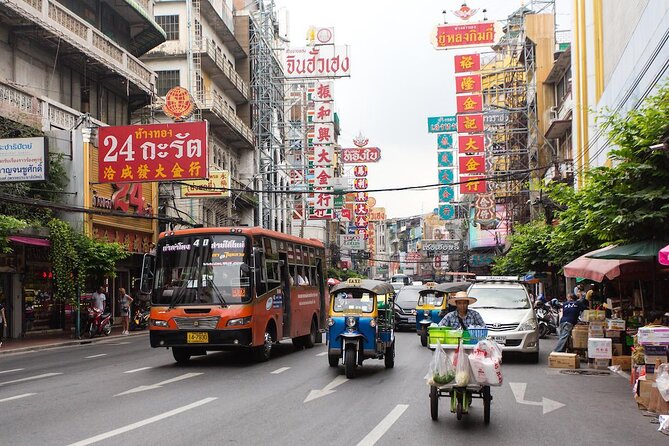
- Backstreets beyond Yaowarat Road: The route uses alleys too narrow for tuk-tuks, helping you get away from the most obvious tourist stops.
- At least two Michelin-listed food venues: You get a chance to sample well-known local cooking without spending a separate evening hunting down each address.
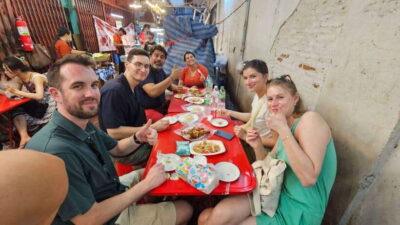
- A maximum of eight people: The small group makes it easier to ask questions, hear explanations, and share dishes around a table.
- A guide and assistant: One person leads the food and cultural discussion while the other helps secure seating and keep the meal moving.
- Best booked early in your Bangkok stay: The guide points out dishes, markets, and useful areas to revisit on your own.
Why this Chinatown food walk works
I like food tours that give you a practical map of a city, not just a full stomach. This one does both. You spend 3.5 to 4 hours walking through Yaowarat, but the real route is built around eating. Every stop gives you another clue about how Bangkok’s Chinese and Thai food traditions fit together.
The tour begins outside Shanghai Mansion Bangkok. A staff member in a black A Chef’s Tour shirt takes the group to a nearby café or bar on a side street, where you can use the restroom and meet the others before setting off. That short gathering is useful because Chinatown can feel confusing at first, especially once the neon signs, food carts, shopfronts, and traffic begin to compete for your attention.
The maximum group size is eight. That number matters here. You are not standing in a large cluster while a guide points vaguely toward a food stall. You can gather around a small table, pass dishes around, and ask why a sauce tastes sour, sweet, salty, or hot. Guides including Rainbow, Wan, Som, and Ouh have been praised for explaining ingredients, local customs, and the neighborhood in clear, friendly English.
More Food Tours in Bangkok
- Bangkok Backstreets Food Tour with 15+ Tastings
★ 5.0 · 1,926 reviews - Bangkok: Michelin Guide Street Food Tour by Tuk Tuk
★ 4.4 · 1,274 reviews - Old Siam Bangkok Food Tour with 15+ Tastings
★ 5.0 · 867 reviews
Entering Yaowarat through its narrow lanes
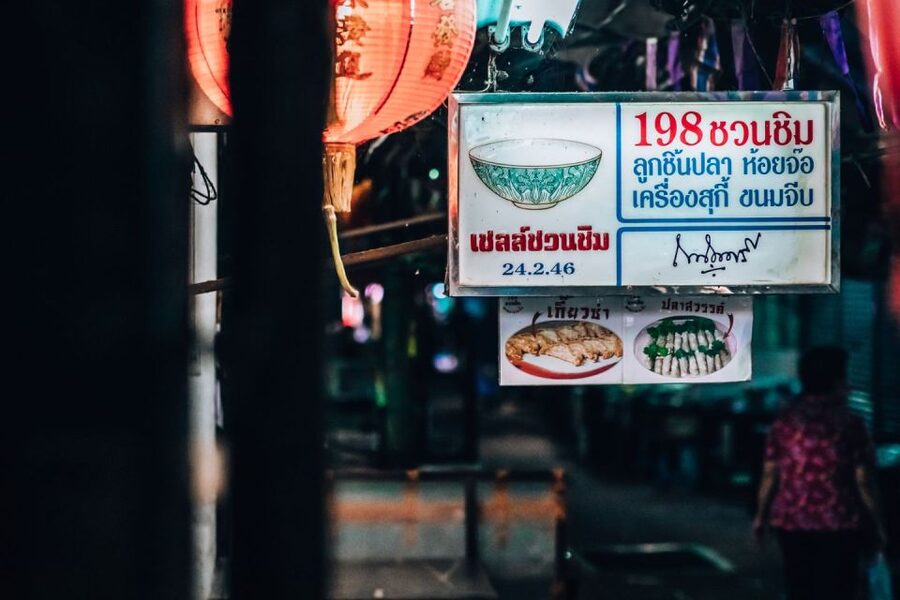
The walk heads into the backstreets around Yaowarat Night Market. These lanes are part of the experience, not simply a shortcut between restaurants. You may pass small storefronts, old buildings, market activity, and local food businesses that do not look designed for sightseeing.
This is where the assistant earns their place. At popular stops, the second staff member can go ahead to prepare dishes or secure seating. That means you spend less time waiting in a crowded passage and more time eating while the food is hot. Several guides and assistants have been praised for keeping this part organized, including Annie with Ninja, JT with Peem, and Pukpik with Aom.
The route is described as a moveable feast, so the precise dishes and order can change. That is sensible in a working food district. Vendors open at different hours, supplies vary, and the morning tour uses a couple of alternate stops. You still get the same broad experience and most of the same foods, but do not expect a fixed restaurant itinerary.
Crispy dumplings, grilled satay, and the first big flavors
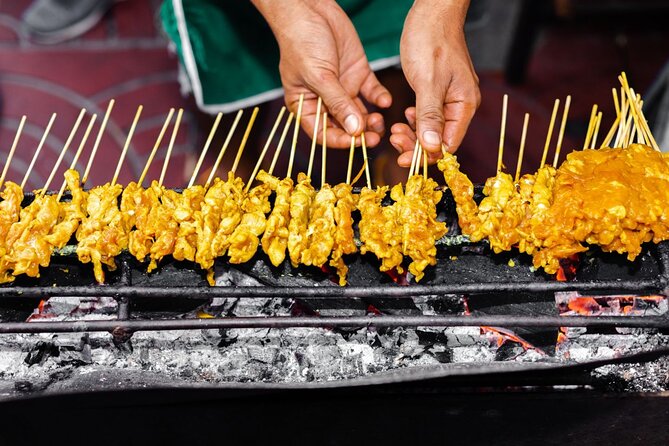
One early highlight is a crispy chive dumpling served with nam jim jaew, a Thai dipping sauce with a sharp, savory character. This is a useful introduction to the tour’s approach: you taste the food first, then decide how much sauce, spice, or extra seasoning you want.
That small instruction is easy to overlook, but it improves the meal. If you add chili or sauce too quickly, you can miss the flavor of the filling or the texture of the wrapper. The guide helps you compare the plain bite with the seasoned one, giving you a better sense of how Thai food is adjusted at the table.
Charcoal-grilled satay follows, with tender meat and a strong grilled aroma. You mop up the sauce as you go, which is why napkins and comfortable clothes matter more than polished sightseeing clothes. This is street food, and part of its charm is that eating neatly is not always realistic.
The portion sizes can be larger than you expect. The tour offers more than 15 tastings, but not every item is a tiny sample. I would avoid a big breakfast or lunch beforehand. One person found the food so filling that eating was difficult until the following day, and that is not hard to believe once the dishes start arriving.
Slow-braised pork and the Chinese influence on Thai food
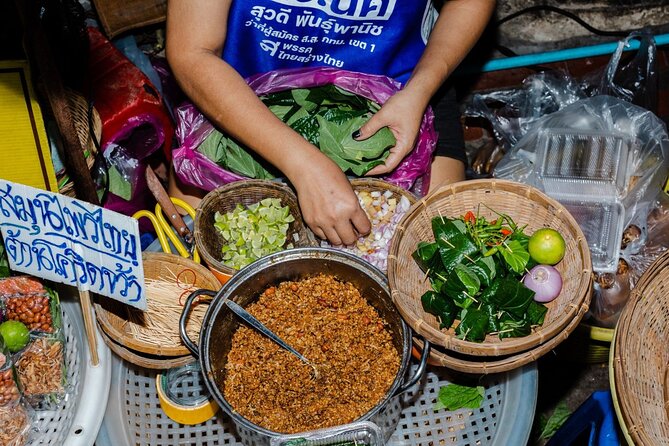
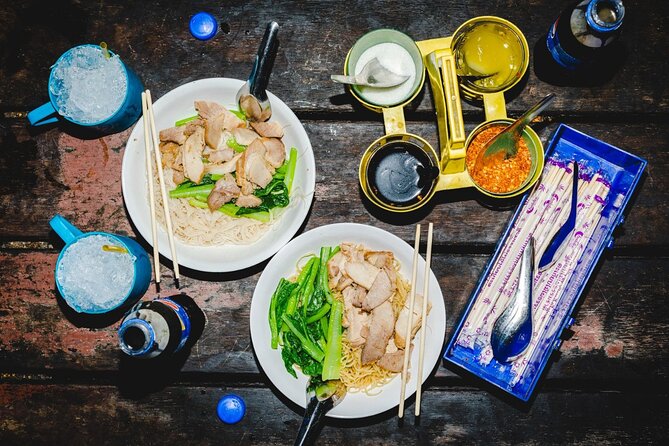
The middle of the walk brings in slower, deeper flavors. You might work chopsticks over slow-braised pork, where the point is less heat and more the balance of soy, aromatics, and time. This is one of the stops that helps connect the plate to the neighborhood’s Chinese influence.
Many people know Bangkok food through pad Thai, curries, mango sticky rice, and tom yum. This tour gives you a wider view. Chinese migration and trade have shaped Thai cooking for centuries, particularly in noodles, stir fries, dumplings, braised meats, and sauces. The guide explains that connection while you eat, so the cultural background stays tied to something concrete.
The information is most useful when it remains practical. You learn which foods you enjoyed, which ingredients you might want to ask about later, and how to recognize dishes in other parts of Thailand. I would take notes on your phone if you find a particular stall or dish worth returning to. The route includes many alleys, and it can be difficult to retrace the path later without a name or photo.
More eating your way around Bangkok:
- Bangkok Authentic Tasting Thai-Chinatown Walking Food Tour
★ 4.9 · 852 reviews - Bangkok: Tuk Tuk Adventure Chinatown Michelin Food & Temples
★ 4.3 · 725 reviews - Bangkok Tuk-Tuk Tour by Night with Chinatown Street Food Meal
★ 5.0 · 635 reviews - Bangkok: Old Siam Food Tour with 15+ Tastings
★ 4.9 · 559 reviews
Michelin-listed stops without a restaurant detour
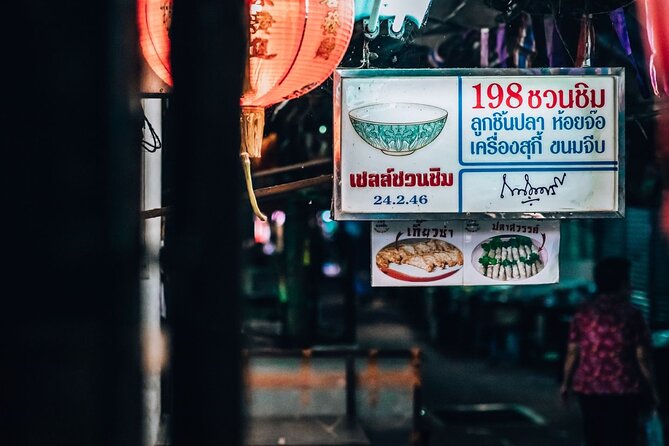
The tour includes at least two Michelin-listed street food venues. That does not mean a formal restaurant meal with a long tasting menu. It means you sample food from local places that have received Michelin attention, usually as part of a fast-moving street food route.
This is a good value feature. At $62 per person, the price covers 15-plus tastings, a licensed English-speaking guide, an assistant, bottled water, and four hours of organized eating. If you tried to find two recognized food stalls, several lesser-known stops, and the same variety of dishes on your own, you would spend time researching, navigating, ordering, and waiting for seats.
The value depends on how much you eat. If you are mainly seeking a short Chinatown walk with one or two snacks, this tour is more than you need. If you want a full introduction to local food and would otherwise pay for several meals, the cost is reasonable. You are also paying for access and organization, not just ingredients.
The assistant’s role is especially useful at busy venues. A group of eight can be awkward in a narrow food district, but having someone arrive early to secure space reduces the chance of standing around with hungry people and cooling food.
Seafood soup, dumplings, and the final sweet surprise
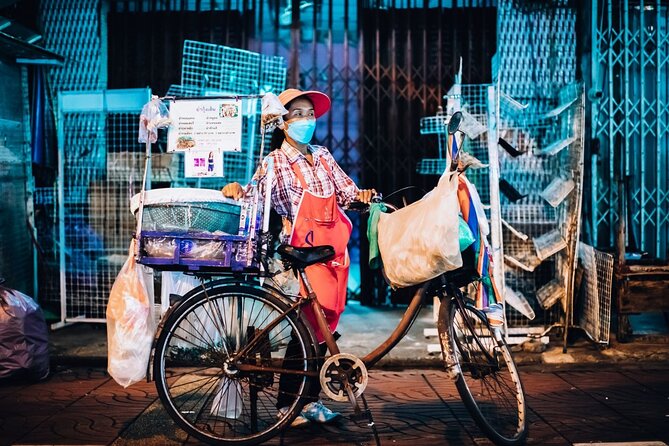
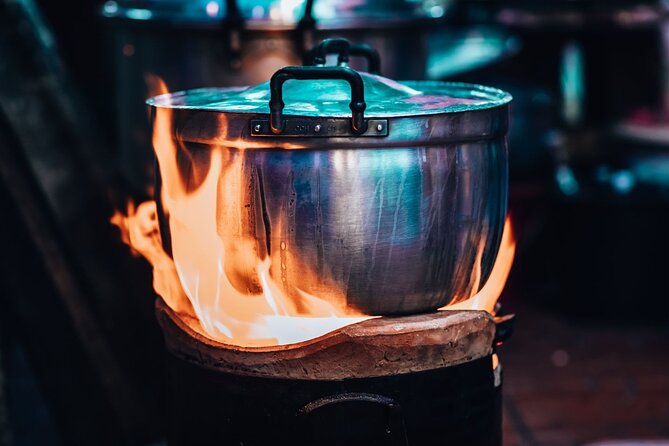
Later stops bring a different set of textures and flavors. Expect fragrant bowls of shrimp dumplings and poh taek seafood soup, a lively seafood broth with strong aromatic notes. These dishes add seafood to a route that already includes meat, dumplings, braised food, and grilled items.
Pescatarians can join, but you will likely miss two or three tastings because not every vendor has a substitute. You should tell the operator about dietary needs when booking. Strict vegetarians and vegans should choose another tour, since meat and seafood-based ingredients are built into much of the menu.
The final sweet course may be soy sauce ice cream. It sounds odd until you taste the salty edge against the cold sweetness. This is the kind of bite that makes the tour memorable without pretending every dish will suit every palate. If you like trying unfamiliar combinations, save room for it.
The walk ends back near Shanghai Mansion Bangkok along Yaowarat Road, with the district’s neon signs in full view. Finishing where you started makes the logistics simple, and you are left in a useful spot for another Chinatown meal or for continuing your evening.
Pace, crowds, weather, and comfort
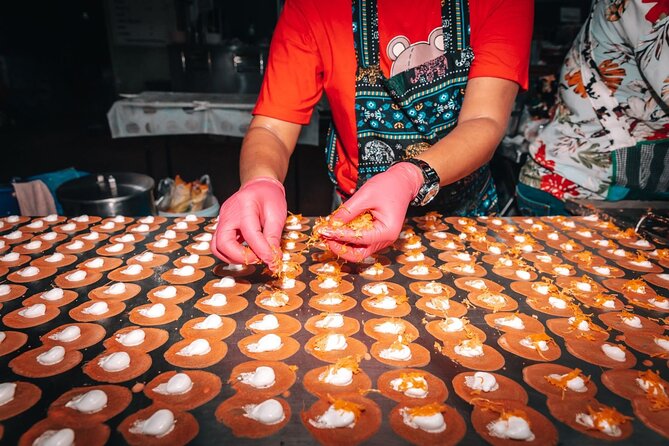
Four hours is a long time to walk, stand, eat, and listen. Wear comfortable shoes. Bangkok heat, sudden rain, and crowded lanes can make the route more tiring than the distance suggests, so bring an umbrella and dress for the weather.
The tour is not a quiet food seminar. Chinatown has traffic, cooking sounds, customers, and people moving through the same narrow spaces. Most guides receive strong praise for their energy and clear explanations, but volume can vary. One guide was occasionally difficult to hear on busy streets, while another talked so much that the tour ran longer than expected.
That is a minor tradeoff for a food walk with this much content. Still, if you prefer a calm, slow meal with plenty of personal space, this may feel busy. If you enjoy walking, tasting, and learning in an active neighborhood, the pace should suit you.
Morning and evening departures are not identical. Morning tours use some alternate venues because certain vendors open later, although the same general food experience and most stops remain. Check the available start time before booking if a specific schedule matters to you.
Dietary limits and what to tell the operator
Pescatarians have workable options, but you should expect fewer tastings. Strict vegetarians and vegans are not suitable for this route because many dishes rely on meat, seafood, or ingredients prepared with them.
People with severe food allergies should not book. The operator warns about traces and cross-contamination. Mild gluten intolerance may be manageable, but the tour is not advised for people with celiac disease because soy sauce and other ingredients can contain unavoidable traces.
Other dietary restrictions may affect a few dishes, though the operator says it will provide enough food so you are not left hungry. Give clear details when booking rather than waiting until the meeting point. The small group helps the guide respond, but it cannot change how a vendor prepares every dish.
Who gets the most from this tour
I would book this on my first or second day in Bangkok. The guide can point out foods and markets you can seek out later, and you quickly learn how to approach street food with more confidence. One particularly useful detail is that some markets discussed during the walk are closed in the evening, so a morning outing may reveal parts of Chinatown you would miss after dark.
It suits first-time Bangkok visitors, curious eaters, couples, solo travelers, and anyone who wants local context without spending a full day in a cooking class. The small group also makes it easier to meet people without the forced energy of a large organized tour.
It is less suited to picky eaters, people who want a relaxed sit-down meal, anyone with severe allergies, or visitors who cannot comfortably walk and stand for several hours. You should also skip a heavy meal beforehand. The food arrives steadily, and the route is designed to leave you full.
Cancellation is free up to 24 hours before the start, and you can reserve without paying immediately. Hotel pickup and drop-off are not included, so you need to reach Shanghai Mansion Bangkok on your own. Bottled water is included, but alcohol is not.
Should you book the Yaowarat backstreets food tour?
Book it if you want maximum food variety in a short time, a small group, and a guide who can explain both the dishes and the Thai-Chinese connection behind them. The combination of 15-plus tastings, Michelin-listed stops, hidden side streets, and a guide plus assistant gives you more structure than wandering Chinatown alone.
I would especially recommend it early in your stay. You will leave with a full stomach, a better idea of what to order, and several places or dishes to look for later. Just arrive hungry, wear good shoes, accept that the exact stops can change, and be honest about dietary limits before you go.
FAQ
Where does the tour start?
It starts outside Shanghai Mansion Bangkok in Chinatown. Look for a staff member wearing a black A Chef’s Tour polo shirt.
Where does the tour finish?
The tour returns to the starting area near Shanghai Mansion Bangkok, along Yaowarat Road.
How long does the food tour last?
The experience lasts about 3.5 to 4 hours, with a total duration listed as four hours.
How many people are in the group?
The group is limited to eight participants.
How many tastings are included?
You receive more than 15 tastings across 8 to 9 food stops.
Are Michelin-listed food venues included?
Yes. The route includes at least two Michelin-listed street food venues. The exact stops can vary, particularly between morning and evening departures.
Can vegetarians or vegans join?
No. The tour is not suitable for strict vegetarians or vegans because many dishes contain meat, seafood, or meat- and seafood-based ingredients.
Can someone with food allergies join?
The tour is not suitable for people with severe food allergies because of the risk of traces and cross-contamination. Mild gluten intolerance may be manageable, but the operator advises against the tour for people with celiac disease.
More Food & Drink in Bangkok
- Bangkok: White Orchid Chao Phraya Dinner Cruise free Beer
★ 4.4 · 4,573 reviews - Bangkok by Night: Temples, Markets and Food Tuk-Tuk Tour
★ 5.0 · 3,752 reviews - Bangkok Midnight Food Tuk Tuk Tour
★ 5.0 · 2,542 reviews - Bangkok: Luxury White Dinner Cruise Free Flow Beer and Wine
★ 4.0 · 748 reviews
Just added in Bangkok
- Bangkok: City Culture half-day Bike Tour★ 5.0 · 19 reviews
- Bangkok: A 4 Hours Tuk Tuk Sightseeing Tour Iconic Landmarks★ 4.3 · 8 reviews
- Bangkok: 2 Hours Grand Palace & Wat Pho Private Tour★ 4.9 · 15 reviews
- Bangkok: Muay Thai Boxing Class for Beginners★ 5.0 · 189 reviews
- Bangkok: 2 Temple Tour (Golden Buddha + Marble Temple)★ 3.6 · 88 reviews
- Bangkok: Baiyoke Observation Deck Ticket with Buffet Meal★ 4.2 · 188 reviews
- Ayutthaya: Private Boat Tour with Optional Temple Visits★ 4.6 · 102 reviews
- Bangkok: Chao Phraya Alangka Cruise at Icon Siam★ 3.8 · 36 reviews
Street Food & Food Tours, compared.

Southern Flavors Phuket Food Tour with 15+ Tastings
Read our review →
Bangkok Backstreets Food Tour with 15+ Tastings
Read our review →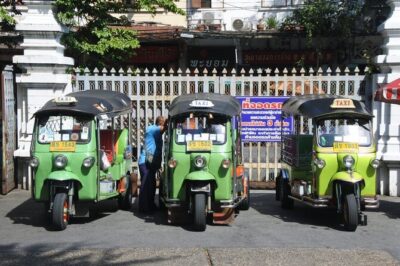
Bangkok: Michelin Guide Street Food Tour by Tuk Tuk
Read our review →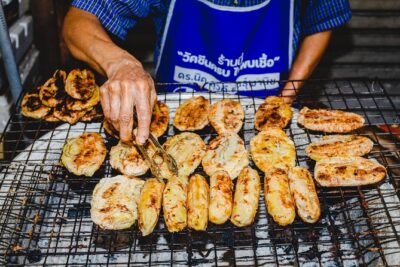
Bangkok Authentic Tasting Thai-Chinatown Walking Food Tour
Read our review →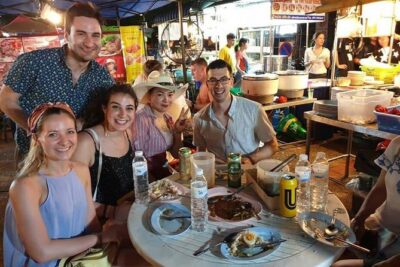
Small-Group Chiang Mai Evening Street Food Tour
Read our review →
Bangkok: Tuk Tuk Adventure Chinatown Michelin Food & Temples
Read our review →Browse the lists this tour appears in