
Reviewed · ELEPHANT SANCTUARY VISITS
An Afternoon with the Elephants at Phuket Elephant Sanctuary
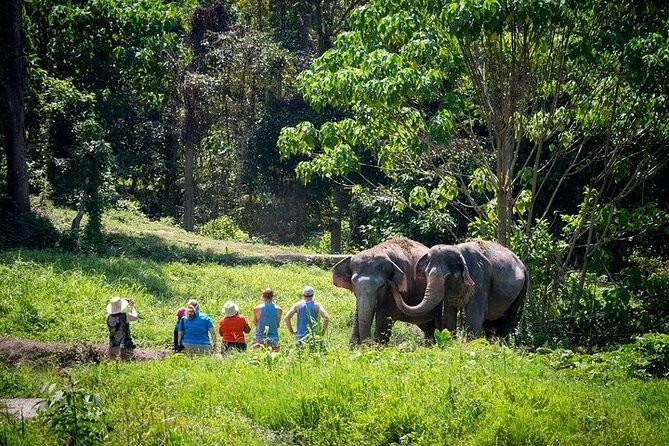
Phuket Elephant Sanctuary puts the elephants first. Instead of bathing, riding, or watching trained performances, you follow guides through a 30-acre tropical refuge and see rescued and elderly elephants moving, eating, and resting on their own terms. The short documentary explains the harsh work many Thai elephants endure, while the walk shows what retirement can look like.
I like the no-bathing policy and the chance to watch elephants from a respectful distance, with keepers close by. I also like the useful extras: rain gear, mosquito spray, snacks, drinks, a canopy walkway, and a vegetarian Thai buffet. The main consideration is that this is still a managed sanctuary, not open wilderness. One sharply negative account questioned whether some elephants were confined after the visit, so anyone seeking a fully hands-off experience should ask staff about the animals’ routines.
Key points
- Rescued elephants roam 30 acres beside Khao Phra Thaeo National Park.
- No riding, bathing, or performances are part of the visit.
- A 16-minute educational film explains elephant exploitation and rescue work.
- Guided walks bring you close, but keepers help maintain a safe distance.
- Feeding is supervised, usually near the end of the elephant visit.
- A vegetarian Thai buffet, snacks, and drinks are included, along with optional pickup.
Why this sanctuary feels different
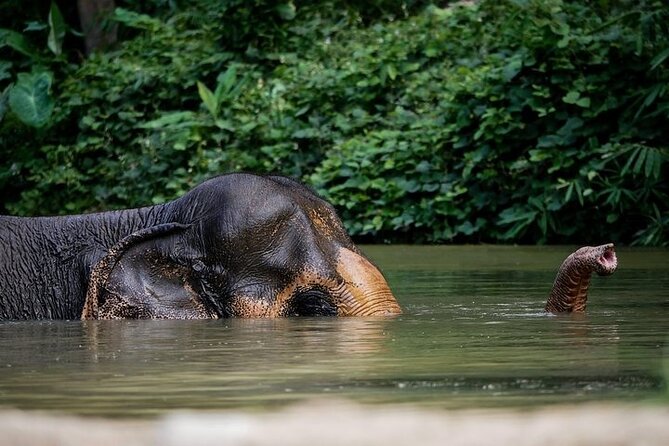
Phuket has no shortage of elephant attractions, but the important question is what the animals are asked to do. At this sanctuary, the program is built around retired elephants that have been rescued from work and exploitation. You do not ride them, watch them perform tricks, or bathe them for a photo.
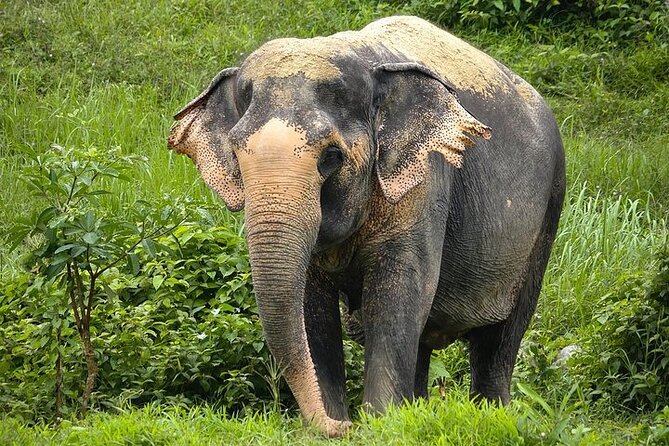
That difference matters. Elephants used in tourism can be trained through harsh methods to accept riding, handling, or repeated commands. Here, the aim is to let the animals spend their later years walking, eating, and resting in a more natural setting. You still get close enough to see their size, skin, ears, trunks, and individual habits, but the encounter is less about control and more about observation.
The sanctuary sits on 30 acres of tropical land bordering Khao Phra Thaeo National Park in northeast Phuket. That setting gives the visit a quieter feel than a standard animal show. The elephants are spread across the grounds, so the experience involves walking between viewing areas rather than standing in one place waiting for an animal to perform.
The program is highly rated, with a 4.9 score from 377 reviews and a 98 percent recommendation rate. Those figures do not remove the need for sensible questions about animal care, but they do reflect how strongly the experience has connected with most people who booked it.
More Elephant Sanctuaries in Phuket
- Phuket: Elephant Jungle Sanctuary Ethical Feeding Experience
★ 4.8 · 4,359 reviews - Phuket: Elephant Sanctuary Guided Tour with Hotel Transfers
★ 4.8 · 2,020 reviews - A Morning with the Elephants at Phuket Elephant Sanctuary
★ 5.0 · 1,693 reviews
Getting there for the 1:30 pm start
The afternoon program begins at 1:30 pm and lasts about three and a half hours. You can meet at Phuket Elephant Sanctuary, at 100, Tambon Pa Klok, Amphoe Thalang, or select round-trip transfers from Phuket when booking.
Pickup is the easier choice if you do not want to arrange a taxi to northeast Phuket. Several accounts describe clean, air-conditioned transport and a journey of roughly 45 minutes to an hour from some parts of the island. Exact driving time depends on your hotel and traffic, so do not schedule a tight airport, ferry, or cruise departure afterward.
One useful example comes from a visitor working with a short cruise schedule. The driver and sanctuary staff adjusted the visit to help the group return to the harbor on time. That kind of flexibility cannot be guaranteed, but it shows why you should explain any fixed departure time before the tour begins. The regular program includes the food service, so a rushed visit may mean missing part of the meal.
At check-in, have your passport number available. You can place bags in lockers, and the sanctuary provides bottled water, though bringing a refill bottle is encouraged. The grounds can be wet, so the supplied rain boots, socks, ponchos, and umbrellas are practical rather than decorative.
The film that sets the tone
The visit begins with welcome snacks and drinks, followed by an educational video of about 16 minutes. This is not filler before the main event. It explains how elephants have been used in logging, labor, and tourism, and how the sanctuary has taken in animals affected by that system.
You will also hear the backstory of some of the elephants you later meet. The film gives useful context before you see them in the grounds. A large animal can look calm and content, but its history may include years of hard work, injury, or mistreatment.
This part may feel sobering, especially for children, but it helps explain why the sanctuary avoids common elephant-tour activities. The film also makes the visit more than a photo stop. You leave with a better sense of what ethical elephant care requires: space, patience, veterinary attention, food, and a willingness to let the animal choose what to do.
Walking the canopy route
After the film, you set out in smaller groups with a guide. The walk includes a raised canopy walkway and paths through the sanctuary grounds. Rather than bringing every elephant to one central platform, the staff lead you to areas where the animals are already moving or feeding.
You may see one or two elephants at a time, each accompanied by a keeper, often called a mahout. The staff explain the individual animal’s past and behavior as you go. Guides named Yaya and Rudi have been praised for being warm, patient, and especially good with children, although the guide assigned to your group can vary.
The pacing is gentle. Elephants spend much of their time eating, so do not expect constant action. That is actually part of the point. You may watch a trunk pull at vegetation, see ears fan in the heat, or wait quietly while an elephant decides where to go next.
You are able to walk surprisingly close, but you should keep the distance set by the guide and keeper. An elephant is powerful even when it appears relaxed. The staff’s presence helps protect both the animal and the people around it, and the best photographs usually come from staying calm and letting the elephant carry on.
Rain can change the feel of the walk. Phuket’s wet weather may make paths muddy, but the sanctuary supplies rubber boots, ponchos, and umbrellas. Mosquito spray is also available. Wear clothing you do not mind getting damp, even if the forecast looks clear.
Other sanctuaries you can visit from Phuket:
- Phuket: Elephant Experience with Lunch or Dinner and Pickup
★ 4.7 · 1,387 reviews - From Phuket: Elephant Jungle Sanctuary Feed and Shower Trip
★ 4.8 · 1,056 reviews - Phuket:Beach walk with elephants, rain & care. 2.5 hours
★ 4.9 · 969 reviews - Phuket: Bukit Elephant Park Sanctuary Walk and Feed Tour
★ 4.9 · 926 reviews
Feeding without turning elephants into performers
Near the end of the elephant visit, you may have a chance to feed two elephants under supervision. This is the most hands-on part of the program, and it gives you a close look at the trunk and mouth.
Feeding can be enjoyable, but it deserves a clear-eyed view. Elephants learn to approach people for food, so this interaction is not entirely spontaneous. One negative account argued that the animals were trained to accept food and later placed in enclosures. The wider experience is designed around free movement and minimal interference, but that concern is worth keeping in mind if your definition of ethical tourism means no direct feeding at all.
The sanctuary does not offer bathing with elephants, which is a meaningful distinction. Bathing sessions often require animals to remain in a particular place and respond to repeated human contact. Here, the feeding is brief and supervised, while the main activity remains watching the elephants live their daily routine.
Keep your movements slow, follow the guide’s instructions, and avoid reaching toward an elephant’s face unless told to do so. You can take photographs, but do not let the camera pull your attention away from the animal’s comfort.
A vegetarian Thai buffet to finish
After the walk, the program concludes with a vegetarian Thai buffet. It is a welcome meal after time on foot, with enough choice to suit different tastes. Snacks and drinks are also available throughout the visit, including a signature iced soda and an unlimited snack bar.
The food is part of the value here, especially because many half-day wildlife experiences offer only a drink or a small snack. You get a proper meal while supporting the sanctuary’s work. Those with strict dietary needs should confirm details before booking, since the information specifies vegetarian food but does not list every ingredient.
The buffet also gives you a chance to sit down and talk through what you have seen. The schedule is not only a quick photo opportunity followed by a departure. The meal gives the afternoon a natural ending before you return to the meeting point or take the included transfer back to Phuket.
What $97.83 buys you
At $97.83 per person, this is not Phuket’s cheapest elephant outing. The price makes more sense when you count the full package: roughly three and a half hours on site, the film, guided walk, canopy walkway, refreshments, snacks, protective equipment, supervised elephant viewing, vegetarian dinner, and optional round-trip transportation.
The ethical purpose is also part of the value. Your fee helps fund food, land, staff, and ongoing care for elephants that may not be suitable for release into the wild. You are paying for a controlled encounter that limits what the animals must do, rather than paying for a performance.
The value is strongest if you want a serious introduction to elephant welfare and do not want to spend your money on riding or bathing. It is weaker if you only want a very short photo opportunity, dislike group activities, or expect an untamed wildlife experience. The maximum group size is 85, which is not tiny, although the walking portion is organized into smaller groups. In low season, some groups may be much smaller, giving you more personal time with the guide.
Pickup can make the price easier to justify. Driving yourself or hiring transport may cost less for a group, but you would need to arrange the route and timing. If you are staying far from the sanctuary, allow extra travel time.
Who will enjoy this afternoon most
This is a good choice for families, first-time visitors to Thailand, and anyone who wants to understand the problems behind elephant tourism. Children can learn from the film and see the animals at close range, while the staff’s calm approach helps keep the experience safe and orderly.
It also suits visitors who care about animal welfare but still want a meaningful encounter. You see elephants close up, hear their rescue stories, and may feed them, yet the program avoids riding, bathing, and performances.
You should think twice if you want to roam alone, avoid all contact between people and elephants, or spend the entire time in a silent wild setting. The sanctuary is a working care facility, and the visit includes a structured film, guided route, feeding, and meal.
Bring a refillable bottle and clothes suitable for rain. Use the supplied mosquito spray and boots if needed. Most people can take part, but the walk and wet ground may not suit everyone equally. Ask about your own mobility needs before booking rather than assuming the route is effortless.
Practical booking advice
Round-trip transfers are optional, so check that you have selected them if you want pickup from your Phuket accommodation. If you choose to meet there, use the full address and allow plenty of time for the 1:30 pm start.
The activity ends back at the meeting point. Confirmation arrives when you book, and free cancellation is available up to 24 hours before the start time. Changes or cancellations inside that window are not accepted for a refund.
The sanctuary supplies bottled water, umbrellas, raincoats, mosquito spray, snacks, and other useful items. You can still improve your comfort with a refill bottle, sun protection, and shoes or clothing that can handle damp conditions.
Should you book Phuket Elephant Sanctuary?
Book it if you want an elephant encounter built around rescue, education, and observation rather than tricks or bathing. The strongest parts are the honest welfare lesson, the close but controlled walking experience, the no-riding policy, and the chance to see older elephants living with space and care.
I would not describe it as untouched nature. Feeding is still a managed interaction, the sanctuary remains a visitor attraction, and one critical account raises questions about how freely the elephants roam after the public program. If those limits bother you, ask the sanctuary how each animal’s daily routine is managed before paying.
For most visitors, though, this is a thoughtful use of an afternoon in Phuket. The buffet and transfers add convenience, while the film and guides give the visit purpose. At $97.83, it earns its price best for people who want their money to support a more respectful model of elephant tourism.
FAQ
Where is Phuket Elephant Sanctuary located?
It is at 100, Tambon Pa Klok, Amphoe Thalang, Chang Wat Phuket 83110, Thailand, in northeast Phuket beside Khao Phra Thaeo National Park.
What time does the activity start?
The afternoon program starts at 1:30 pm and lasts approximately three hours and 30 minutes.
Is hotel pickup included?
Round-trip transfers are available when you select the transfer option. They are not included if you book the option without transfers.
What does the visit include?
The program includes welcome snacks and beverages, an educational video, a guided canopy walkway, a signature iced soda, an unlimited snack bar, a vegetarian dinner buffet, umbrellas, raincoats, mosquito spray, and bottled water.
Are elephant rides or bathing included?
No. The experience does not include riding or bathing with elephants. The program focuses on observing them, learning about their care, and supervised feeding.
Can I feed the elephants?
Yes, supervised feeding is part of the experience, with opportunities to feed elephants near the end of the visit.
How many people can join the activity?
The maximum group size is 85 people. The walking portion is organized in smaller groups.
Can I cancel for a full refund?
You can cancel at least 24 hours before the local start time for a full refund. Cancellations or changes made less than 24 hours before the start time are not accepted for a refund.
Just added in Phuket
- Bang Tao Beach: Group Or Private Surf Lessons★ 4.7 · 18 reviews
- Amazing Coral Island & Sunset Dinner with Power Catamaran★ 4.4 · 9 reviews
- Phuket to Similan Islands Snorkeling Tour★ 4.0 · 40 reviews
- Similan Islands Snorkeling Day Tour from Phuket★ 4.0 · 86 reviews
- 60 Minutes Private Mood Massage in Phuket★ 5.0 · 183 reviews
- Phuket Giant Water Lilies & Temple Tour – Private & All-Inclusive★ 5.0 · 236 reviews
- Thai Cooking Class in Phuket★ 5.0 · 234 reviews
- Phuket: Elephant Nature Reserve Entry Ticket and Guided Tour★ 4.9 · 223 reviews
Elephant Sanctuary Visits, compared.
Chiang Mai: Elephant Sanctuary, Waterfall & Bamboo Rafting
Read our review →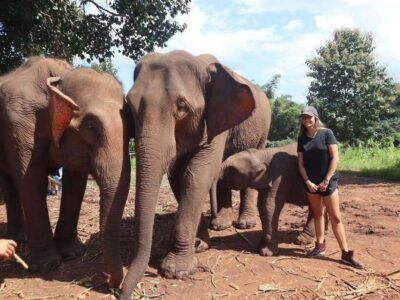
Chiang Mai: Elephant Sanctuary & Waterfall Group Tour
Read our review →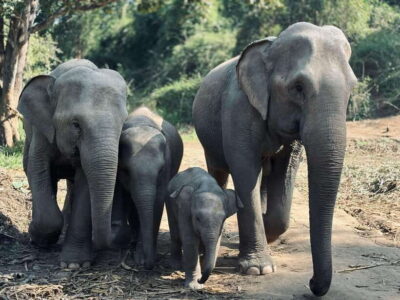
Chiang Mai: Elephant Sanctuary Feeding Program Half-Day Tour
Read our review →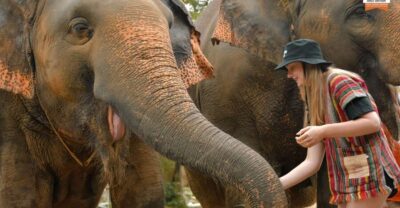
Phuket: Elephant Jungle Sanctuary Ethical Feeding Experience
Read our review →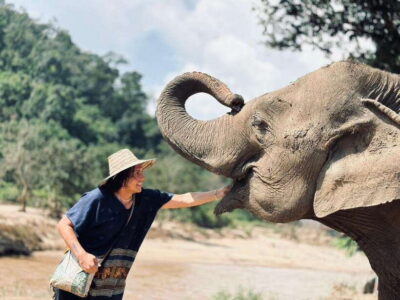
Chiang Mai: Elephant Sanctuary, Long Neck & Sticky Waterfall
Read our review →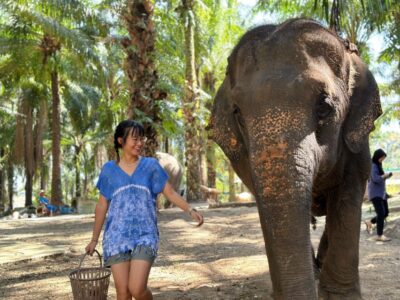
Krabi: Elephant Bathing Session at Krabi Elephant Shelter
Read our review →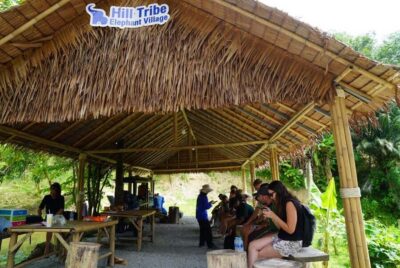
Phuket: Elephant Sanctuary Guided Tour with Hotel Transfers
Read our review →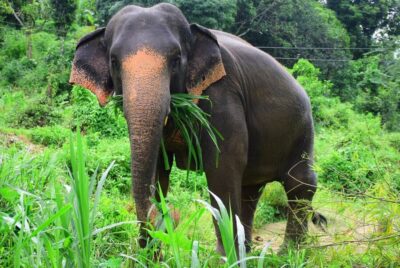
From Chiang Mai: Elephant Care Program and Nursery Tour
Read our review →Browse the lists this tour appears in