
Reviewed · THAI COOKING CLASSES
Chiang Mai: HALF-DAY COOKING COURSE at a Thai Cooking Farm
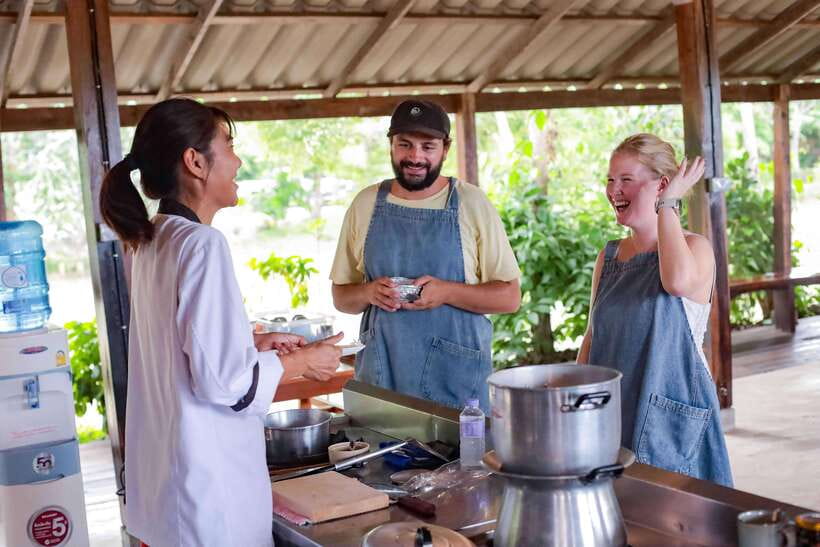
The best part of this Chiang Mai cooking class happens before the first wok heats up: you visit a local market and learn what the strange-looking roots, herbs, chilies, fruits, and sauces actually do. I like the market-to-kitchen format and the fact that every student cooks at an individual station. You are not just watching a chef perform.
I also like the generous menu, usually five dishes including Pad Thai, Tom Yum, curry, cashew chicken, and mango sticky rice. The one thing to consider is the pace: ingredients are measured ahead of time, so beginners can succeed easily, but confident home cooks may want more freedom to build sauces from scratch.
Key points at a glance
- Market first, cooking second: Learn about Thai ingredients at a local market before using them in class.
- Five dishes and plenty of food: Menus commonly include Pad Thai, Tom Yum, curry, cashew chicken, and mango sticky rice.
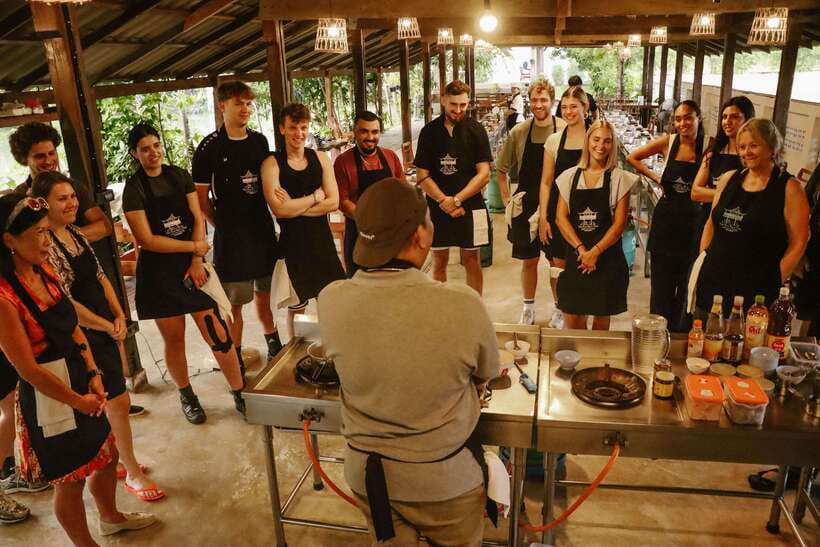
- Your own cooking station: Each person prepares the dishes hands-on rather than simply watching a demonstration.
- Strong instructors: Oily, Timi, Katie, Gobby, and other teachers are praised for clear instruction, humor, and patience.
- A peaceful farm setting: The Rice Barn has an open-air kitchen beside gardens and working farmland.
- Good value at $28: Hotel transport, ingredients, drinks, and a color recipe e-book are included.
Why this cooking class works so well in Chiang Mai
Chiang Mai has plenty of temples, markets, and mountain excursions. A cooking class gives you something different: a skill you can take home. The Rice Barn Thai Cooking Farm combines a short food lesson at a local market with a full hands-on session in a rural kitchen.
That combination matters. Thai cooking can look simple on a menu, but the flavor depends on details such as the type of basil, the balance of lime and fish sauce, the heat of a chili, or the way coconut milk is added. Seeing those ingredients in their everyday market setting helps you understand the food before you start chopping.
The class is conducted in English. Instructors named in the information for this experience include Oily, Timi, Katie, and Gobby. The teaching style appears lively and informal, with plenty of jokes, demonstrations, and help at the cooking stations. That is useful if you are nervous around a wok or have never cooked Thai food before.
At $28 per person, the price is low for a six-hour activity that includes round-trip transportation, all cooking supplies, drinks, and food. You are also sent a color recipe e-book, so the class is not over when you leave Chiang Mai. You can try the dishes again at home.
More Cooking Classes in Chiang Mai
- Half-Day Thai Cooking Class at Organic Farm in Chiang Mai
★ 5.0 · 19,087 reviews - Chiang Mai: Cooking Class, Market & Thai Herbs Garden Tour
★ 4.9 · 4,824 reviews - Chiang Mai: Authentic Cooking Class with Market & Farm Visit
★ 4.9 · 4,546 reviews
Hotel pickup sets an easy tone
Pickup is included from your Chiang Mai hotel in an air-conditioned vehicle. That removes one of the main annoyances of booking a cooking school outside the city: figuring out how to get there and back.
The transport score is especially strong, and punctual pickup is frequently singled out as a positive part of the experience. Still, allow flexibility in your morning or evening schedule. The activity lasts six hours, and the exact starting time depends on the date and availability.
The class may be described as half-day, but six hours is a substantial block of time. That makes it a main activity for the day rather than a quick two-hour lesson squeezed between temple visits. I would avoid booking a major appointment, long-distance bus, or tightly timed tour immediately afterward.
The vehicle is air-conditioned, which is welcome in Chiang Mai’s heat. Pickup and drop-off also make this suitable for solo visitors, couples, families, and anyone who does not want to arrange local transport.
The market visit explains the ingredients
The first stop is a local fruit and vegetable market. Your guide walks you through the ingredients used later in the class, pointing out produce that may be unfamiliar if you normally shop in European, North American, or Australian supermarkets.
This is more than a shopping stop. You get an introduction to the building blocks of Thai food: herbs, chilies, vegetables, curry ingredients, coconut products, and other seasonings. One particularly interesting detail is the chance to see how coconut milk is made.
The market visit gives the class a useful sense of place. You are not working from a generic international recipe card. You are learning why certain ingredients are bought fresh and how they fit into everyday Thai cooking.
It also helps you decide what to buy later. One person used the market visit as a guide for returning afterward to shop for quality produce. That is a good sign for anyone who wants food knowledge rather than only a pleasant meal.
The market itself is not a long independent shopping session. The teacher leads the group and explains what you will use. If you want time to browse slowly or make purchases, plan on returning separately after the class if your schedule allows.
Arriving at The Rice Barn Thai Cooking Farm
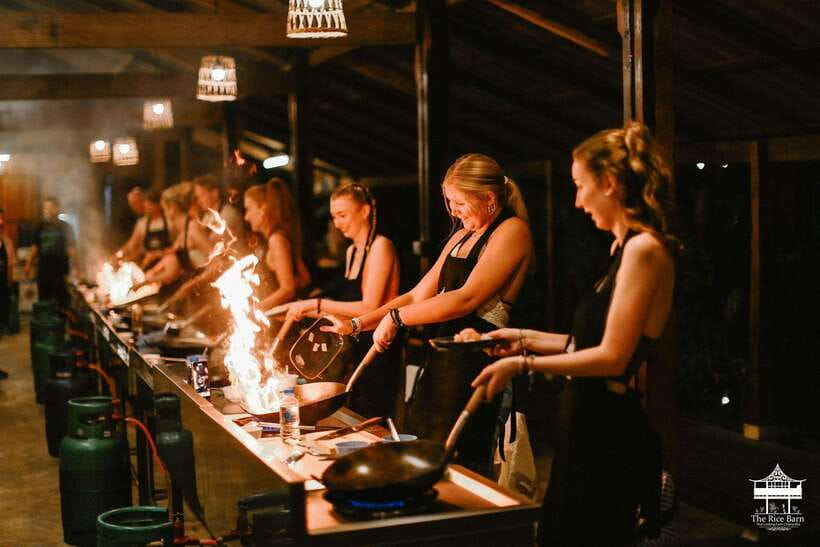
After the market, you continue to The Rice Barn. The setting is a major part of the appeal. The cooking takes place in an open-air kitchen beside gardens and farm plots, rather than in a sealed classroom in the middle of town.
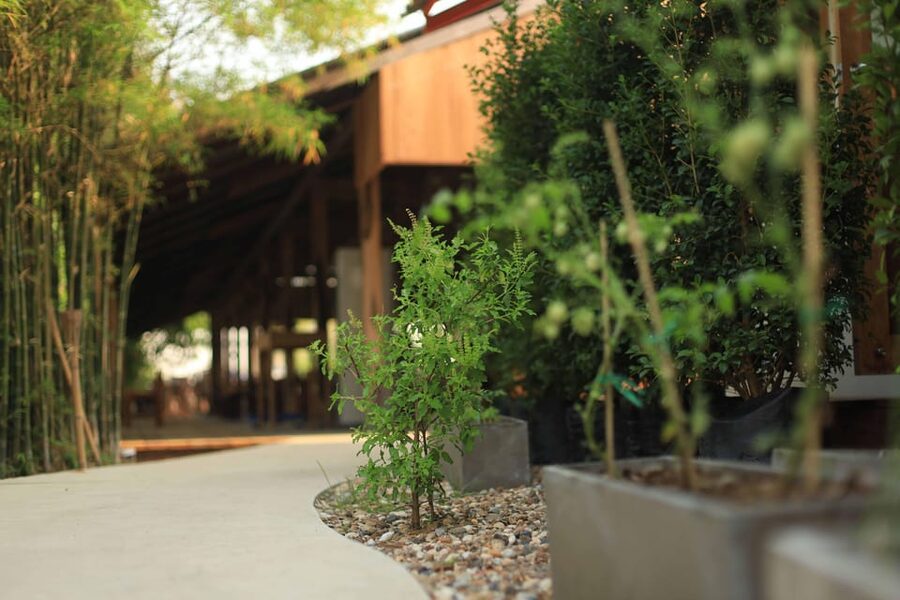
The property is described as clean, orderly, and well maintained. Fresh produce grows nearby, and some of the surrounding farmland may be in use during your visit. That gives the class a relaxed rural feel without turning it into a farm labor activity.
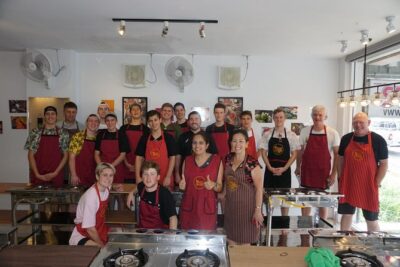
The kitchen uses individual stainless steel workstations. This is important. You are not waiting for one shared burner or standing behind someone taller than you. Each participant gets a clear turn to prepare the food and receives supervision from the instructors.
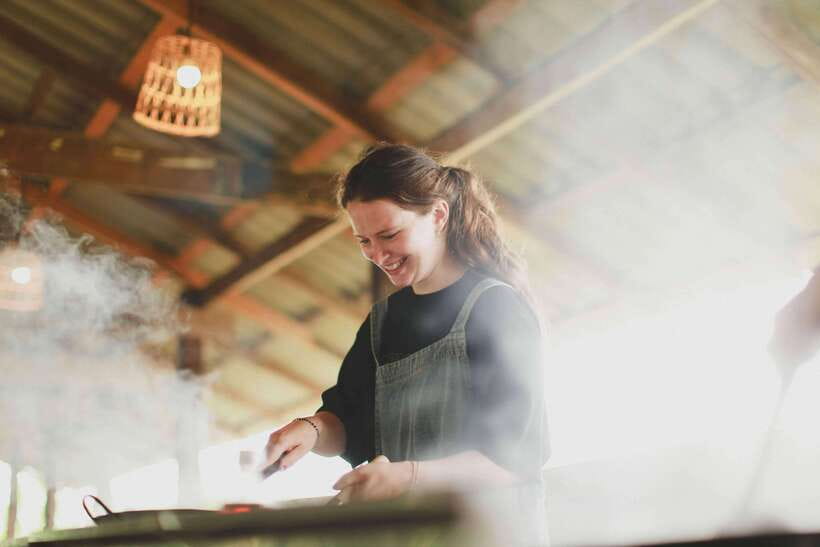
The open-air design is pleasant, but remember that this is still Thailand. Heat, humidity, and cooking steam can build up, especially during a daytime session. Wear light, comfortable clothing and shoes that are practical around a working kitchen.
Other kitchens to cook in around Chiang Mai:
- Thai and Akha Cooking Class in Chiang Mai
★ 5.0 · 4,358 reviews - Chiang Mai: Cooking Class with Market and Pickup
★ 4.9 · 1,365 reviews - Chiang Mai: Cooking Class with Organic Farm at Mama Noi
★ 4.9 · 1,151 reviews - Full Day Thai Cooking at Farm (Chiang Mai)
★ 5.0 · 1,127 reviews
Five Thai dishes, prepared one by one
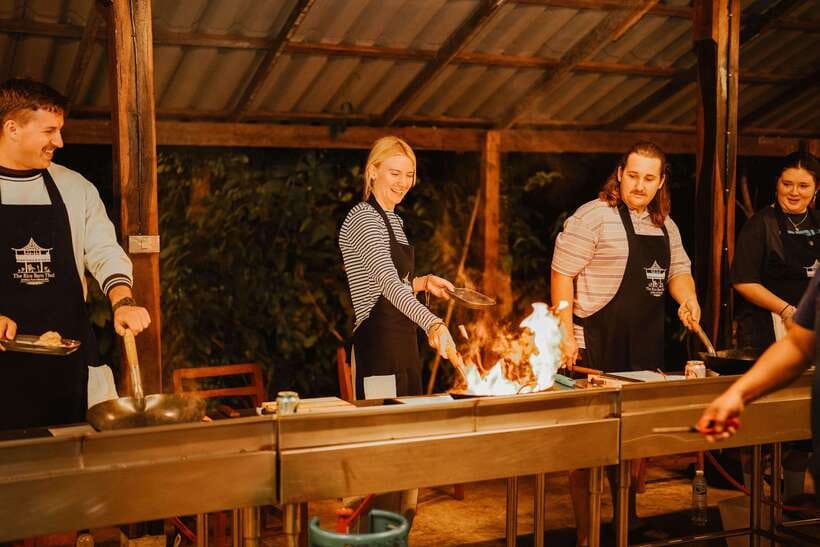
The exact menu can vary, but the dishes repeatedly associated with this class include:
- Pad Thai
- Tom Yum soup
- Panang or green curry
- Cashew chicken
- Mango sticky rice
Some sessions describe four dishes prepared by participants, with sticky rice demonstrated separately. Other sessions include five dishes in the full menu. The safest assumption is that you will cook several dishes yourself and see at least one part of the dessert preparation demonstrated.
The teacher first explains the recipe and cooks it in front of the group. You then return to your own station and repeat the process. This demonstration-then-practice format keeps the class moving while giving you a reference point before you start.
Pad Thai is a useful dish for beginners because it teaches balance. You see how sweet, salty, sour, and spicy flavors work together instead of relying on a bottled sauce. Tom Yum gives you a chance to work with the sharper side of Thai flavor, including herbs and lime.
The curry choice adds variety. You may select Panang or green curry, and the difference is useful to understand: Thai curries are not simply interchangeable sauces with different colors. Your instructor explains the ingredients and method as you prepare your choice.
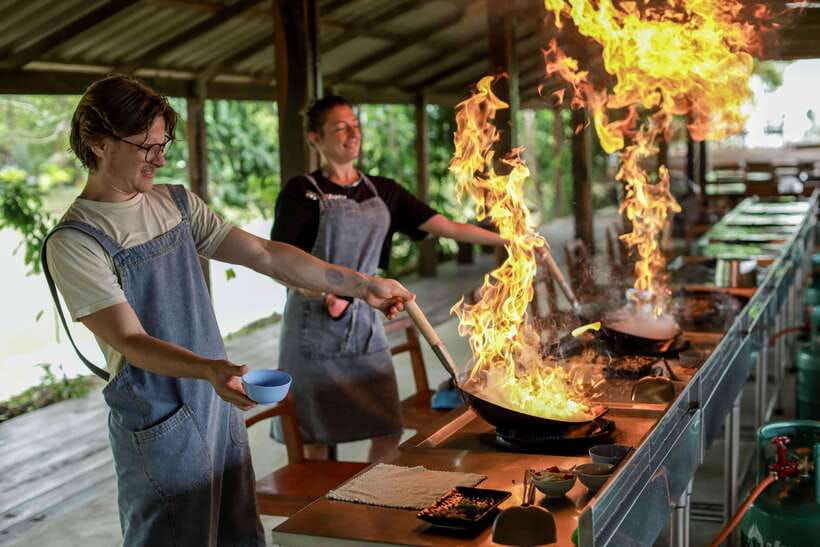
Cashew chicken brings more heat and action to the class. One memorable step is flambéing the dish, an entertaining moment that also gives the session some theater. The instructor supervises the process, so you are not left to guess how to handle a hot wok or flame.
Mango sticky rice finishes the meal on a sweet note. It is a simple dish in appearance, but the coconut rice and fruit make it a good lesson in texture and balance. Because the meal is spread across several recipes, you get a broad introduction to Thai cooking rather than one specialty only.
The teaching style is a real part of the value
The named instructors vary by session. Oily, Timi, Katie, Gobby, Koppi, and other members of the team are described as funny, attentive, professional, and easy to follow.
That consistency matters more than having one particular teacher. A cooking class can have a beautiful setting and good ingredients but still feel flat if the instructions are rushed. Here, the teaching pattern includes a demonstration, an explanation of why each step matters, and help while you cook.
Several details make the class approachable. Ingredients are prepared in the correct amounts, stations are clean, and the instructors move around to answer questions. That is ideal if you are new to Thai food or cooking in a group.
I would not expect a serious culinary school course. The focus is on making five accessible dishes successfully, not on advanced knife skills, complex fermentation, or professional kitchen technique. If you want to choose every ingredient and create your own curry paste from the beginning, the pre-measured setup may feel a little controlled.
For most holidaymakers, that is a fair trade. You can spend your time learning flavor, timing, and method instead of worrying that one wrong spoonful will ruin lunch.
The meal is generous, not decorative
You eat the food you prepare, and there is plenty of it. Several dishes in one session can be more than one person expects, so do not plan a large meal immediately before the class.
This is another reason the $28 price is strong. You are paying for instruction, transport, ingredients, and a substantial meal. Tea or coffee is included, while other drinks may be available at the cooking school.
The food is cooked individually, but the meal creates a shared group experience. That works well for couples and friends, while solo participants can still take part without needing to pair up with strangers for every dish.
Families can also enjoy the format. The cooking is active enough to keep the day moving, and the instructors have been praised for working well with children. As with any kitchen activity, younger children will need normal supervision around hot pans and cooking equipment.
Clean facilities and useful take-home recipes
Cleanliness is one of the practical strengths of this experience. The work areas are described as very clean and professionally arranged, with stainless steel stations and organized ingredients.
That matters more than it may sound. Thai cooking uses several sauces, herbs, vegetables, and spices in quick succession. A tidy station makes it easier to follow the recipe and enjoy the process without hunting for equipment.
The color recipe e-book is included. It contains the recipes from the class and additional recipes, giving you a better chance of recreating the meal after returning home.
The recipes are designed to build confidence. You leave knowing what the dishes should taste like and how the ingredients work together. Do not expect every ingredient to be easy to find in your local supermarket, but the market lesson helps you understand possible substitutions and what to look for.
Some sessions also have a photographer. Photos may be available for purchase, with consent. This is optional and not part of the listed inclusions, so treat it as an extra rather than a reason to book.
Who should book this experience
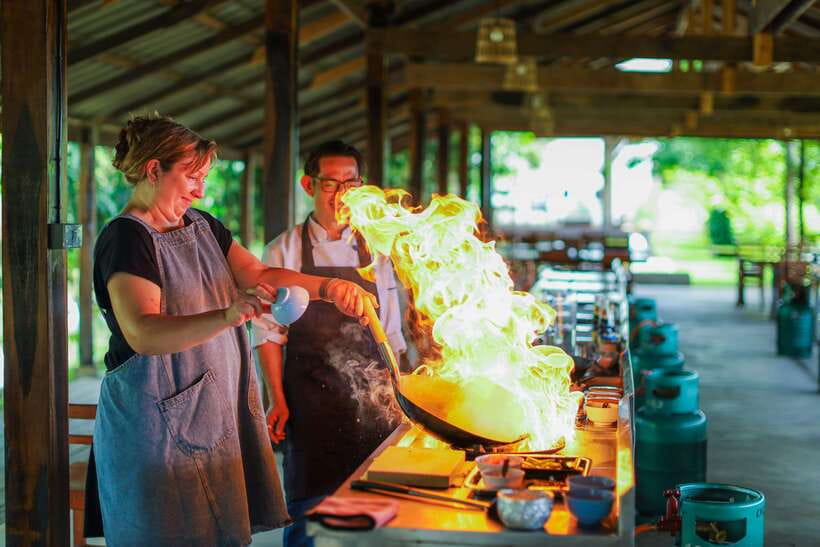
I would recommend this class most strongly if you want an activity that combines food, local life, and practical instruction. It suits:
- First-time visitors who want more than sightseeing
- Couples looking for a shared activity
- Solo visitors who enjoy meeting people through food
- Families wanting a structured day with plenty to do
- Home cooks who want a basic Thai repertoire
- Anyone who enjoys eating as much as cooking
It is less suited to someone seeking an advanced culinary workshop. The measured ingredients and clear recipes make the class friendly, but they limit experimentation. You also need to be comfortable giving six hours to the outing, including transport and the market visit.
Vegetarian or dietary needs should be raised when booking or before the class. One session accommodated gluten-free requirements, but the supplied information does not promise a particular dietary menu for every date. Do not assume every sauce or curry is suitable without checking.
Cancellation is free up to 24 hours before the activity, and you can reserve now and pay later. Those terms are useful if your Chiang Mai schedule is still shifting.
Should you book The Rice Barn cooking class?
Yes, if you want a well-priced, hands-on introduction to Thai food with transport taken care of. The market visit, individual stations, rural kitchen, large meal, and recipe e-book give the experience more substance than a simple cooking demonstration.
Book it early in your Chiang Mai stay if possible. You can then use what you learn when ordering at restaurants or shopping for ingredients later. Go hungry, keep your schedule open for the full six hours, and expect a friendly class built around reliable recipes rather than advanced culinary experimentation.
At $28, the value is hard to ignore. The main decision is not whether you get enough food or instruction. It is whether you want to spend half a day cooking five familiar Thai dishes in a guided group setting. If that sounds like a good way to understand Chiang Mai through its food, this is an easy choice.
FAQ
How long does the Chiang Mai cooking class last?
The activity lasts six hours. It includes hotel pickup, the local market visit, the cooking session, eating the dishes, and return transportation.
Is hotel pickup included?
Yes. A local partner picks you up from your hotel in Chiang Mai and provides round-trip transportation in an air-conditioned vehicle.
What dishes will I cook?
The menu commonly includes Pad Thai, Tom Yum soup, cashew chicken, mango sticky rice, and a choice between Panang and green curry. The exact format can vary, and sticky rice may be demonstrated rather than prepared entirely by each student.
Is the cooking hands-on?
Yes. Each participant has an individual cooking station and prepares the dishes after the instructor demonstrates the recipe and method.
Is the class taught in English?
Yes. The instructor language is English.
What is included in the price?
The $28 price includes cooking materials and ingredients, round-trip hotel transportation, coffee or tea, and a color recipe e-book.
Just added in Chiang Mai
- Meditation Retreat and Self-Care in Nature★ 5.0 · 46 reviews
- Chiang Mai: Evening Chanting & Meditation★ 4.5 · 69 reviews
- 1 Hour Deep Tissue Thai Massage with Balm – Free Transportation★ 5.0 · 64 reviews
- Whitewater Rafting Adventure★ 5.0 · 205 reviews
- 8 hour Sticky waterfall, ATV and White water rafting Adventures★ 5.0 · 308 reviews
- Chiang Mai: Art in Paradise Illusion Museum Entry Ticket★ 4.4 · 82 reviews
- Top Pick – Full or Half Day @Elephant in Wild Sanctuary ChiangMai★ 4.5 · 229 reviews
- The 10 Tastings of Chiang Mai With Locals: Private Street Food Tour★ 5.0 · 216 reviews
Thai Cooking Classes, compared.
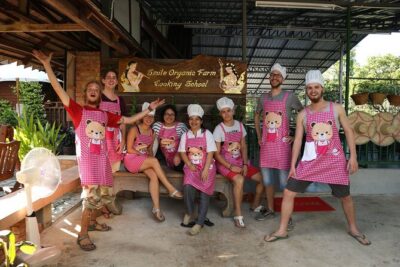
Half-Day Thai Cooking Class at Organic Farm in Chiang Mai
Read our review →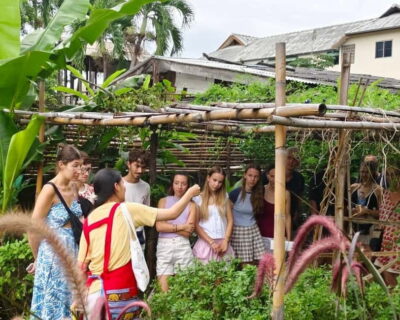
Chiang Mai: Cooking Class, Market & Thai Herbs Garden Tour
Read our review →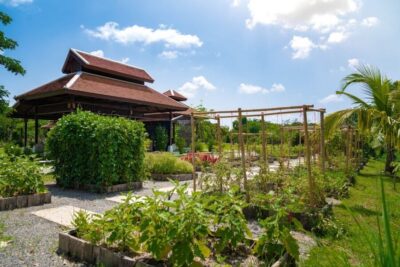
Chiang Mai: Authentic Cooking Class with Market & Farm Visit
Read our review →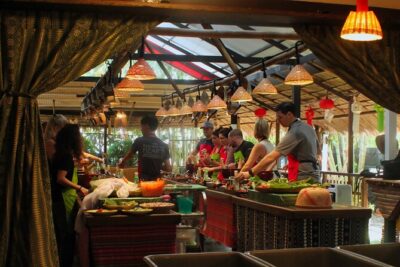
Phuket Thai Cooking Class with Market Tour Option
Read our review →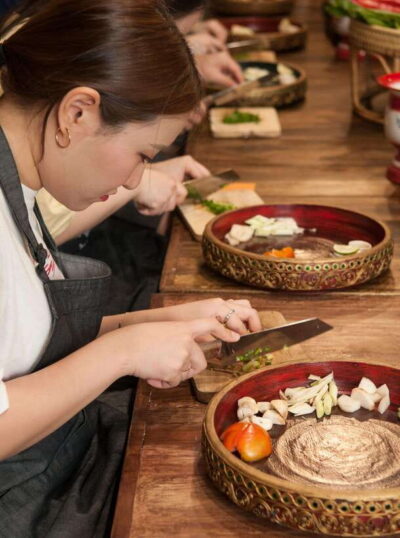
Bangkok: Hands-on Thai Cooking Class and Market Tour
Read our review →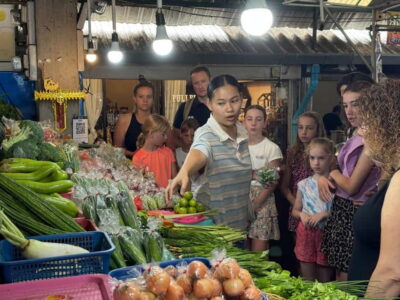
Chiang Mai: Cooking Class with Market and Pickup
Read our review →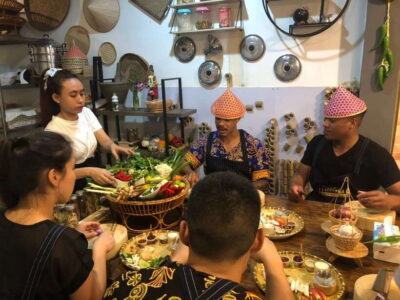
Bangkok: Tingly Thai Cooking School Half-Day Cooking Class
Read our review →Browse the lists this tour appears in