
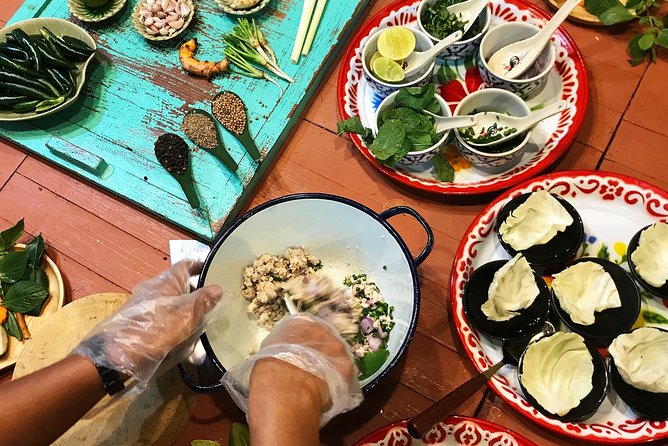
Reviewed · THAI COOKING CLASSES
Silom Thai Cooking Experience with Market Visit
Bangkok’s Silom Thai Cooking Class starts where good Thai food starts: at a local market. You’ll learn how to choose fresh produce, identify spices, and gather ingredients before returning to the school to cook a full Thai meal from scratch.
I like the market visit because it gives meaning to ingredients you might otherwise pass over in a restaurant. I also like the small class size, with no more than 12 people, and the chance to cook several dishes rather than watch one short demonstration. The main thing to check is the menu: the detailed program lists five dishes, while the included section says four, and the courses can change.
Key points to know before booking
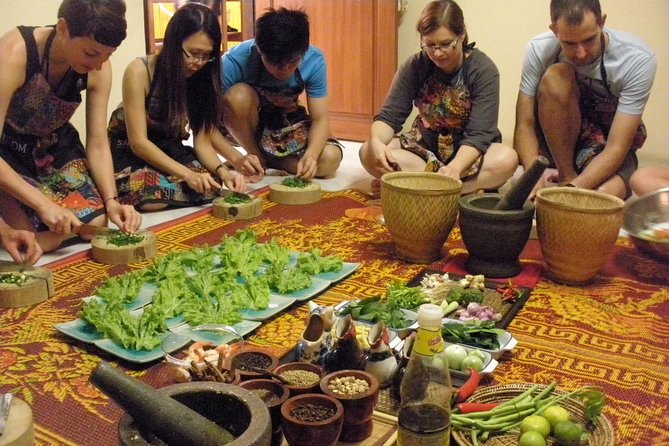
- The market visit comes first: Arrive by 8:30 to 8:45 a.m. so you can join the ingredient-shopping walk at 8:45.
- Five classic dishes are listed: Tom yum, pad thai, chicken green curry, Panang curry, and mango sticky rice.
- The kitchen is air-conditioned: That matters in Bangkok, especially during a hands-on morning of cooking.
- Instructor Plane earns high marks: She is described as funny, patient, engaging, and helpful during both the market visit and cooking session.
- Classes are kept small: The published limits vary between 10 and 12 people, but either number is modest for a cooking lesson.
- Dietary needs must be shared at booking: Vegetarian cooking is available, and the school says it does not use MSG.
Starting early at Silom Thai Cooking School
Your morning begins at Silom Thai Cooking School, at 6/14 Decho Road in Bangkok’s Bang Rak district. The meeting point is near public transportation, but hotel pickup and drop-off are not included, so you’ll need to make your own way there.
The timing is important. You should arrive between 8:30 and 8:45 a.m., when the group is organized for the market walk. The latest joining time is 9:05 a.m., but by then the market visit will already be under way. Late arrivals wait at the school until the class returns, which means you could miss one of the most useful parts of the morning.
This is not a sleepy start followed by a late lunch. It is a compact, three-hour activity with a fairly fixed rhythm. If you like structured outings, that works well. If you prefer wandering into a market at your own pace, the guided format may feel brisk.
The activity ends back at the school, so you do not need to arrange a second pickup point. The mobile ticket is useful for showing your booking on your phone, though the key practical detail is still getting to Decho Road on time.
More Cooking Classes in Bangkok
- Bangkok: Hands-on Thai Cooking Class and Market Tour
★ 4.9 · 1,614 reviews - Bangkok: Tingly Thai Cooking School Half-Day Cooking Class
★ 4.9 · 1,191 reviews - Bangkok: Maliwan Thai Cooking Class with Market Tour
★ 4.9 · 1,133 reviews
Learning to shop for Thai ingredients
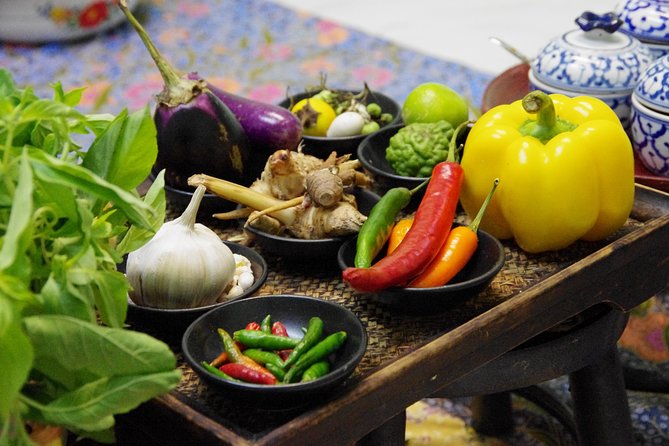
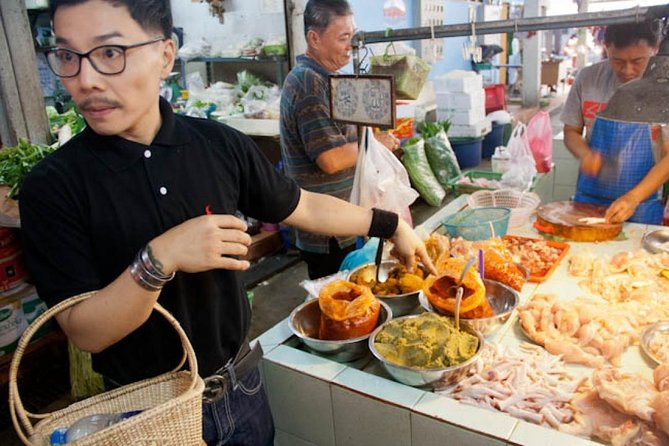
The market visit is more than a quick stop for vegetables. You’ll be shown how to select ingredients correctly and how fresh produce, herbs, spices, and other staples fit into Thai cooking.
That lesson has real value. Thai recipes often depend on balance rather than a long cooking time. The sharpness of lime, heat of chili, fragrance of herbs, saltiness of fish sauce, and sweetness of palm sugar or other sweeteners need to work together. Seeing the ingredients before they are chopped and cooked makes the recipes easier to understand.
You’ll also have a chance to learn how to pick fresh fruit. That is a small detail, but it is the sort of practical knowledge that stays useful after you leave Bangkok. You can take the same habit to another market or grocery store instead of treating Thai produce as something mysterious.
The market section is also where the class has its strongest cultural connection. You are not simply handed premeasured ingredients in a classroom. You see the raw materials in the setting where local shopping takes place, then follow them back to the kitchen.
The tradeoff is time. A three-hour class cannot offer a long, leisurely market tour and an extended cooking lesson. The market visit is designed to support the cooking, not replace a full food market excursion.
Cooking pad thai, tom yum, and Thai curries
Back at the school, you’ll prepare the listed dishes from scratch with guidance from a professional chef. The menu includes tom yum, pad thai, chicken green curry, Panang curry, and mango sticky rice.
Tom yum gives you a lesson in hot and sour balance. Pad thai shows how noodles, vegetables, sauce, and other ingredients come together in a hot pan. The two curries let you compare green curry with Panang curry, which is useful because the names can blur together when you only encounter them on a restaurant menu.
Mango sticky rice provides a sweet finish and rounds out the meal. Cooking dessert in the same class also makes the session feel like a complete introduction to a Thai menu rather than a single-recipe workshop.
The instructions are step by step, so this is suitable for beginners. You do not need to arrive with advanced knife skills or a long cooking background. At the same time, cooks who already know their way around a kitchen may appreciate the ingredient guidance and the chance to compare Thai methods with their own.
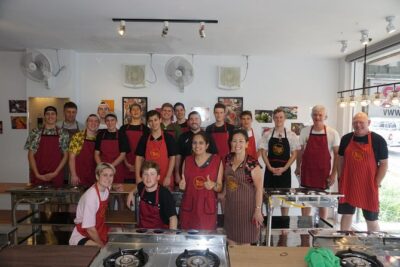
The class is hands-on, not just a chef demonstration. You prepare the dishes yourself, then eat what you have made in the school setting. That gives you a better sense of texture and seasoning than simply taking notes while someone else cooks.
There is one important point to clarify before you pay. The dish list describes five courses, but the included details refer to four Thai dishes. The menu and courses may change, so if the exact number matters to you, confirm it when booking. The listed dishes are a strong sample of Thai cooking, but they should not be treated as guaranteed on every date.
Why the small class and air-conditioning matter
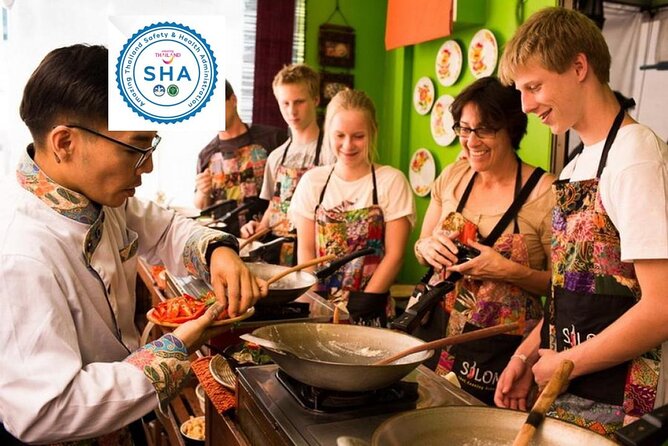
The published information gives two maximum group figures, 10 participants per class and 12 people for the activity. Either way, this is a small group by cooking-class standards.
A smaller class usually gives you a better chance to see the instructor’s demonstrations and ask questions while you cook. It also keeps the kitchen from feeling crowded. The difference between 10 and 12 people is not huge, but I would treat the lower number as the school’s class target and the higher number as the overall activity limit.
The kitchen is air-conditioned, a detail worth taking seriously in Bangkok. Cooking involves standing over heat, handling several ingredients, and eating a substantial meal. Air-conditioning will not make the city cool, but it should make the classroom more comfortable than an open-air setup.
Instructor Plane is singled out for her friendly and engaging approach. She is described as funny, thorough, and eager to help, with a teaching style that works during both the market visit and the cooking period. That matters because a cooking class succeeds or fails on the instructor’s ability to keep beginners moving without making experienced cooks feel lost.
The school also says it does not use MSG. Vegetarian options are available, but you must provide dietary information when booking. Do not wait until you arrive if you have allergies or strict food requirements.
Other kitchens to cook in around Bangkok:
- Hands on Thai Cooking Class and Market Tour
★ 5.0 · 660 reviews - Tingly Thai Cooking Class with Morning Market Tour
★ 5.0 · 589 reviews - Hands-on Thai Cooking Class & Market Tour in Sukhumvit
★ 5.0 · 571 reviews - Pink Chili – Thai Cooking Class and Market Tour in Bangkok
★ 5.0 · 416 reviews
What the $59.99 price really covers
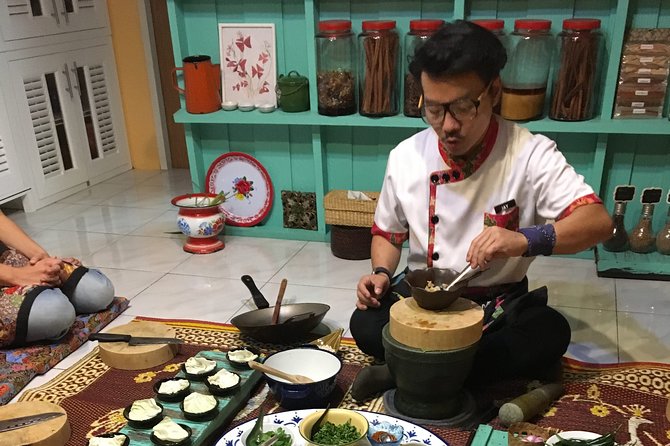
At $59.99 per person, this is not the cheapest way to eat breakfast or lunch in Bangkok. You can buy excellent food from street stalls and local restaurants for far less.
The value comes from what surrounds the meal. Your fee covers the market visit, all ingredients, instruction in traditional preparation techniques, and the dishes you cook. It also includes food described under breakfast, lunch, and dinner, though the three-hour morning schedule is better understood as a substantial cooking meal rather than three separate restaurant-style services.
I think the price is reasonable if you want more than a recipe card. You are paying for a guided introduction to ingredients, a professional-led class, a small group, and a meal you prepare yourself. The market lesson adds the most value because it connects the cooking to daily food shopping in Bangkok.
The price is less compelling if you only want to taste Thai food or if you already cook these recipes regularly. You could eat more cheaply, and the class takes three hours of your morning. Its value depends on your interest in learning and participating.
The tour is often reserved well ahead of time, with an average booking lead time of 36 days. That suggests you should not assume you can leave it until the last minute, especially if you need a vegetarian adaptation or have a particular date in mind.
Who will enjoy this cooking class most
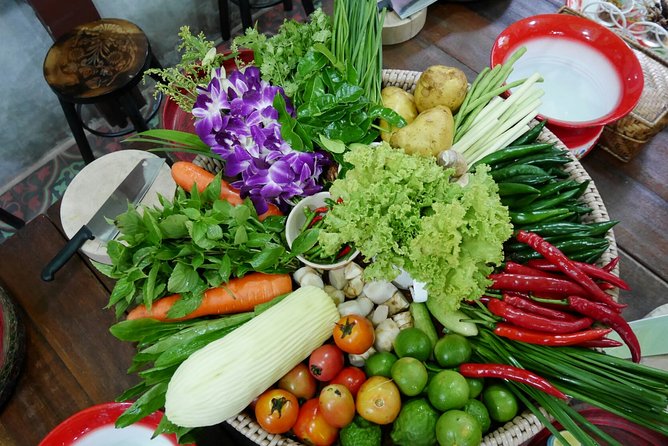
This is a good choice for first-time visitors who want a clear introduction to Thai food without committing to a full-day activity. The market visit gives you a local angle, while the kitchen portion keeps the morning organized and practical.
It also suits couples, friends, and families with older children. Children under six can attend free, limited to one child per group. Children aged six and over need an adult ticket. Since everyone participates in the cooking, the activity is best for children who can manage a structured lesson and stay involved for three hours.
Food lovers will get the most from the menu comparison. You can see how two curries differ, practice a noodle dish, make a soup, and finish with dessert. That variety is more useful than a class focused on only one recipe.
This may not suit you if you dislike early starts, have trouble standing through a cooking session, or want a quiet private lesson. The group is small, but it is still a group class. The morning also has a firm schedule because missing the market section means waiting at the school.
Practical details that can make the morning smoother
Plan your route to Decho Road before the day of the class. The school is near public transportation, but there is no hotel transfer, and Bangkok traffic can make a short distance take longer than expected.
Arrive before 8:45 a.m., not at 9:05. The later time is a hard practical limit, not a suggested arrival time. If you miss the market departure, you will not be able to join that section when you arrive.
Bring a phone with your mobile ticket available. Wear clothes you can move around in and do not mind wearing during a cooking lesson, though no special clothing requirement is provided.
Tell the operator about vegetarian needs and other dietary restrictions at booking. Since menu items can change, this is also the right time to ask about the dishes planned for your date.
Free cancellation is available up to 24 hours before the start time for a full refund. Changes or cancellations made within 24 hours are not accepted for a refund, so keep the local Bangkok start time in mind.
Should you book the Silom cooking class?
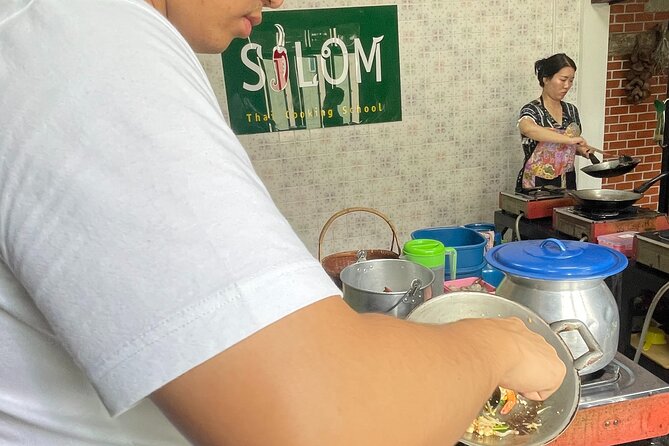
Book it if you want a hands-on morning that connects Thai food with the ingredients behind it. The best features are the market visit, the broad menu, the air-conditioned kitchen, and the warm teaching style associated with Plane.
I would be more cautious if your main goal is a relaxed market stroll, a private lesson, or the lowest-cost meal in Bangkok. Confirm the number of dishes and any dietary arrangements before booking, since the published details allow for menu changes.
For a first Thai cooking class, the $59.99 price is fair. You get a useful market lesson, practical instruction, and enough food to make the morning feel like a real introduction to Thai home cooking rather than a quick tourist demonstration.
FAQ
Where does the cooking class meet?
The class meets at Silom Thai Cooking School, located at 6/14 Decho Road, Suriya Wong, Bang Rak, Bangkok 10500, Thailand.
What time should I arrive?
Arrive between 8:30 and 8:45 a.m. The group begins organizing for the market at 8:45. The latest time to join is 9:05 a.m., after which the market visit will already be in progress.
How long does the activity last?
The activity lasts about three hours and ends back at Silom Thai Cooking School.
Which Thai dishes will I cook?
The listed dishes are tom yum, pad thai, chicken green curry, Panang curry, and mango sticky rice. The menu can change, and the published details give both four and five dishes, so confirm the final menu if the number matters to you.
Are vegetarian meals available?
Yes. A vegetarian option is available, and you should provide dietary restrictions when booking. The school also states that it does not use MSG.
Is hotel pickup included?
No. Hotel pickup and drop-off are not included. The meeting point is near public transportation, and the activity ends at the school.
Just added in Bangkok
- re:leaf spa and massage★ 4.0 · 10 reviews
- Wonderful Pearl Dinner Cruise★ 3.5 · 27 reviews
- 3-Hour Bangkok Walking Tour: Wat Pho and Wat Arun★ 5.0 · 102 reviews
- Yoga in the Park Thailand★ 5.0 · 12 reviews
- Visit Wat Pho and Wat Arun with Local Expert★ 4.0 · 14 reviews
- White Orchid Sunset Dinner Cruise Calypso Ladyboy Cabaret Show★ 4.0 · 10 reviews
- Morning Buddhist Almsgiving, Grand Palace and Flower Market Tour in Bangkok★ 3.5 · 9 reviews
- Miracle Bangkok Airport Lounges – Relax Before You Fly★ 3.0 · 32 reviews
Thai Cooking Classes, compared.
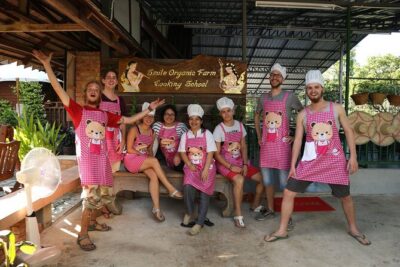
Half-Day Thai Cooking Class at Organic Farm in Chiang Mai
Read our review →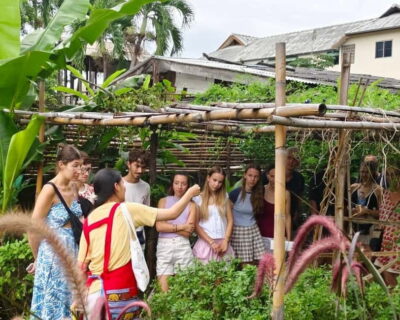
Chiang Mai: Cooking Class, Market & Thai Herbs Garden Tour
Read our review →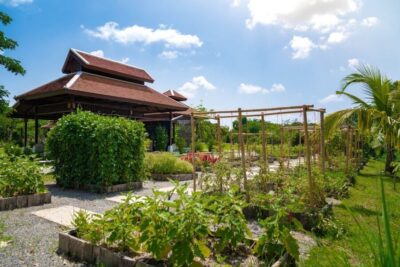
Chiang Mai: Authentic Cooking Class with Market & Farm Visit
Read our review →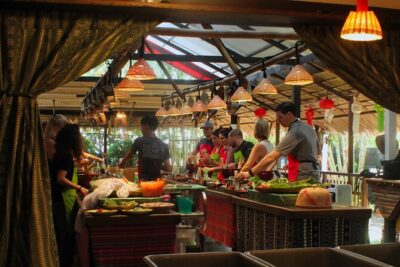
Phuket Thai Cooking Class with Market Tour Option
Read our review →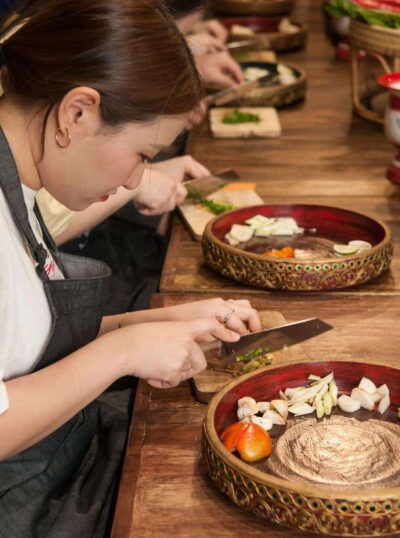
Bangkok: Hands-on Thai Cooking Class and Market Tour
Read our review →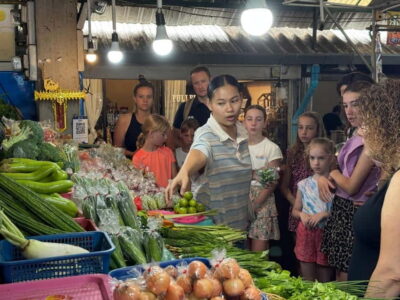
Chiang Mai: Cooking Class with Market and Pickup
Read our review →
Bangkok: Tingly Thai Cooking School Half-Day Cooking Class
Read our review →Browse the lists this tour appears in