
Reviewed · THAI COOKING CLASSES
We Cook Thai Home Garden Cooking School
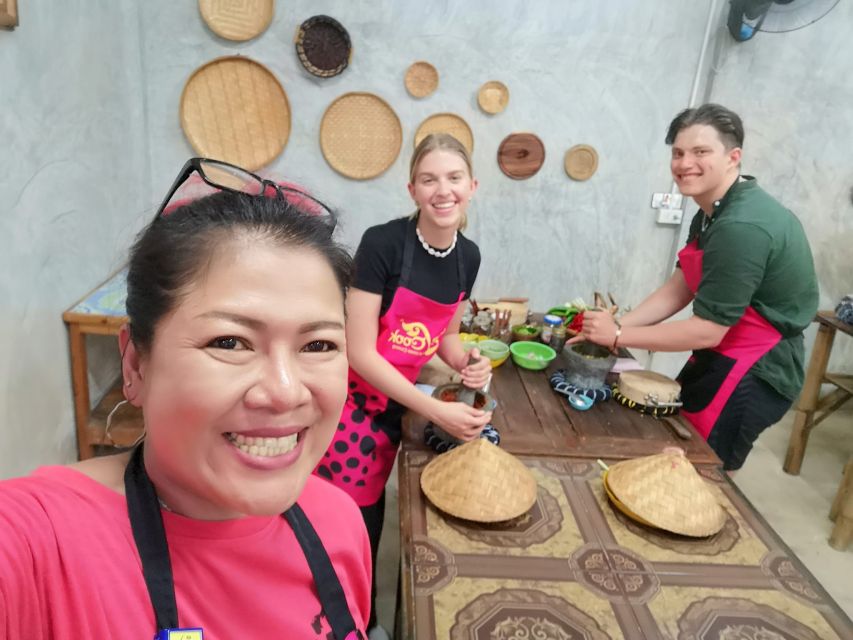
The best part of this Chiang Mai cooking class happens before you reach the stove. Mam takes you through a local market, where you can smell herbs, handle vegetables, and learn how Thai cooks use ingredients that may look unfamiliar at first. Then you return to her home garden kitchen and cook your own food, one wok per person.
I like the market visit because it gives the recipes a real local setting. I also like the hands-on format: you do not simply watch a chef prepare lunch. You choose dishes, cook them yourself, and sit down to eat afterward. The one catch is the sheer amount of food. Come hungry, especially for the morning class.
Key points to know
- Mam leads the class: The owner, Mam, guides you through the market and cooking steps in English.
- A full meal in one class: Choose one dish from each of six food categories, with examples including curry, soup, noodles, fried rice, salad, and dessert.
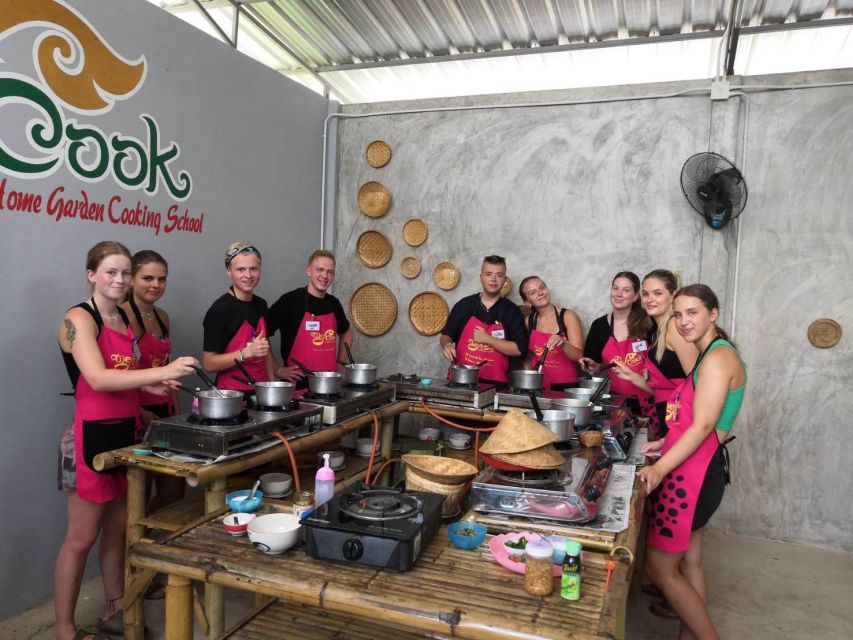
- Your own cooking station: Each participant gets one wok and the ingredients needed for the class.
- Local market first: You learn about herbs, vegetables, spices, sauces, and fruit before cooking with them.
- Morning or evening timing: The evening class includes pickup from 4:00 to 4:30 p.m.
- Strong value at $32: Transport within 3 kilometers, food, instruction, cookbook, certificate, and market tour are included.
A market lesson before the first wok hits the heat
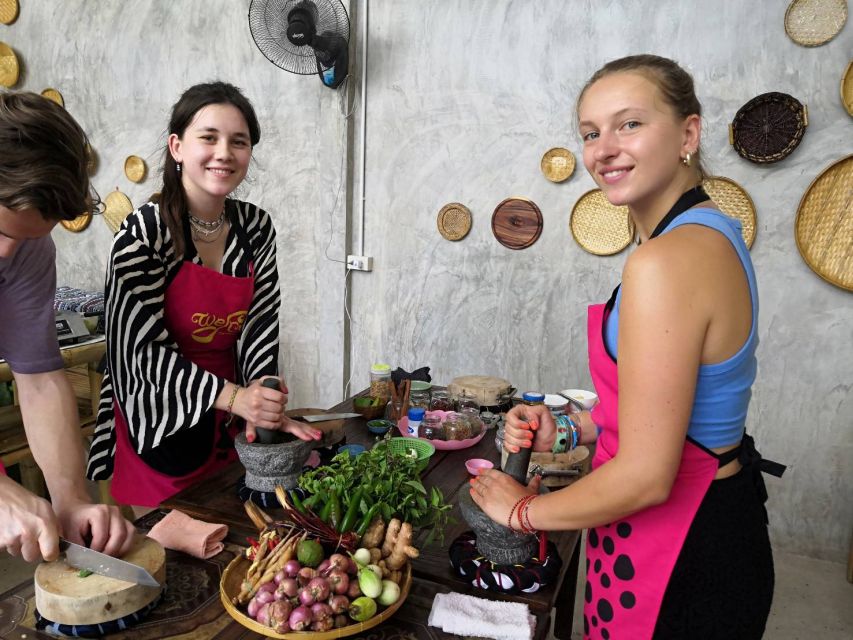
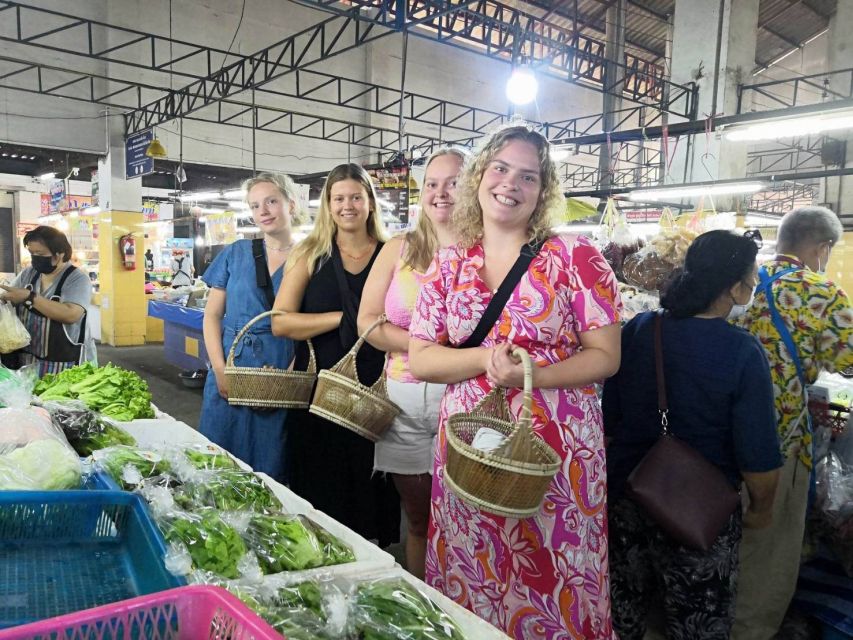
Many Thai cooking classes start with pre-measured ingredients lined up on a table. This one begins in a local market with Mam, the owner and teacher. That small change matters. Instead of treating lemongrass, basil, eggplant, chilies, and sauces as names on a recipe sheet, you see the ingredients where local people buy them.
Mam explains what the ingredients are used for and how they affect flavor. You can touch and smell produce as she introduces it, which is useful when you return home and try to shop for Thai ingredients yourself. The market visit also gives you a glimpse of ordinary food shopping in Chiang Mai, not just a staged cooking demonstration.
The tour is not only about buying the exact items for your class. The class information and participant experiences indicate that Mam may point out additional fruits, vegetables, herbs, or spices along the way. That makes this opening portion more than a quick shopping stop. You get a working introduction to the building blocks of Thai food.
You should still expect a practical tour rather than a long cultural lecture. Its value is direct and useful: here is the ingredient, here is how it smells, here is where it goes in a dish, and here is how you might recognize it again.
More Cooking Classes in Chiang Mai
- Half-Day Thai Cooking Class at Organic Farm in Chiang Mai
★ 5.0 · 19,087 reviews - Chiang Mai: Cooking Class, Market & Thai Herbs Garden Tour
★ 4.9 · 4,824 reviews - Chiang Mai: Authentic Cooking Class with Market & Farm Visit
★ 4.9 · 4,546 reviews
Cooking at Mam’s home garden school
After the market, you continue to Mam’s home, where the cooking area is set in a garden. The setting gives the class a more personal feel than a large commercial kitchen. The cooking station and dining area are separate, so you can focus on preparing food first and then sit down properly for the meal.
The kitchen is described as clean and well organized. Ingredients are prepared so you can spend your time learning technique rather than struggling with basic setup. Mam demonstrates each stage and then lets you work through it yourself, stepping in when needed.
That balance suits beginners. You do not need prior cooking experience, and the class is designed for all skill levels. At the same time, confident home cooks are not left with nothing to do. You can ask about spice balance, curry pastes, sauces, and ways to reproduce the dishes at home.
One especially useful teaching detail is Mam’s focus on visual and sensory signs. Instead of relying only on strict cooking times, she may show you how to judge doneness by sight, smell, and texture. That is the difference between copying a recipe and learning how to cook it.
Six categories, one wok, and a very large meal
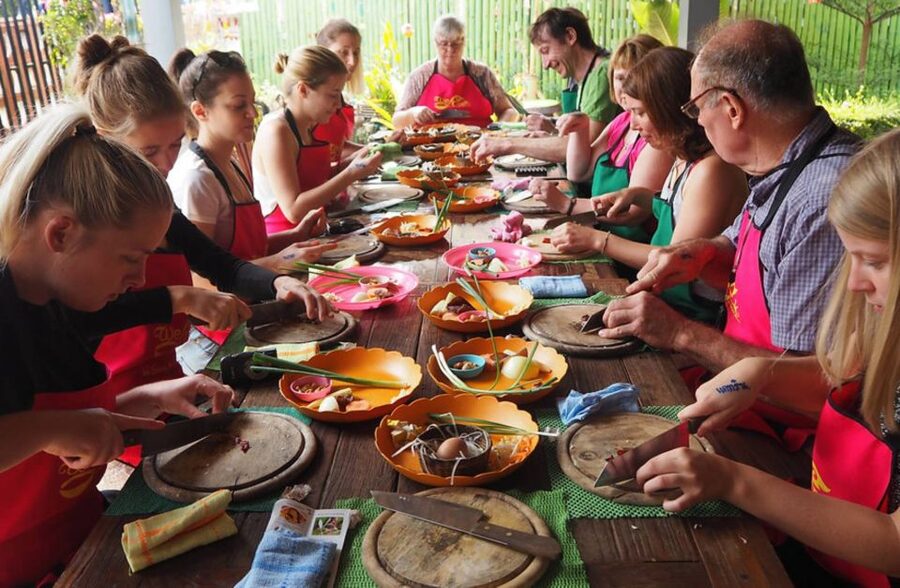
The activity describes a six-category meal, with one dish chosen from each category. Exact menus can vary, but the available choices and class descriptions include dishes such as:
- Pad Thai
- Khao soi
- Thai noodle soup
- Tom yum
- Massaman curry
- Green curry
- Papaya salad
- Vegetable spring rolls
- Chicken fried rice
- Mango sticky rice
Some descriptions of the class refer to five dishes or five courses, while the current activity information says six categories. That may reflect menu changes, class timing, or the way dishes are grouped. If the exact number matters to you, check the available menu when booking.
The important point is that you prepare a substantial spread. You are not making one small sample and then watching someone else cook the meal. You work through several dishes, each with its own ingredients and methods, then eat what you have prepared.
The quantity is a real part of the planning. Several people found the meal difficult to finish, and takeaway boxes may be available for leftovers. If you take the morning class, skip breakfast or keep it very light. The meal can be filling well before the class ends.
The format also works well for couples and families because each person cooks individually. You can choose different dishes from the same category, compare results, and still share the finished food at the table.
Why one wok per person makes a difference
A cooking class can sound hands-on while leaving you to chop one vegetable and watch the rest. Here, each participant gets a wok and the ingredients for cooking. That gives you a proper role in every dish.
You learn how the food changes as it cooks, not just what the finished sauce should taste like. You also get a better sense of heat, timing, stirring, and texture. Those are hard to pick up when a teacher does all the cooking.
Mam’s patient approach is important here. Beginners can ask for help without feeling judged, while experienced cooks can work at their own pace. The class also suits older children and adults, but participants must be at least 120 centimeters tall because of the wok height and safety requirements.
A child under that height can attend as a visitor with a parent or another participant. The stated visitor price is THB 300 per person, and the visitor receives two dishes during one cooking class. This is a useful option for families, although the child would not take part as a full cooking student.
Other kitchens to cook in around Chiang Mai:
- Thai and Akha Cooking Class in Chiang Mai
★ 5.0 · 4,358 reviews - Chiang Mai: Cooking Class with Market and Pickup
★ 4.9 · 1,365 reviews - Chiang Mai: Cooking Class with Organic Farm at Mama Noi
★ 4.9 · 1,151 reviews - Full Day Thai Cooking at Farm (Chiang Mai)
★ 5.0 · 1,127 reviews
A friendly class with room for individual help
Class size can vary. Some sessions have been very small, with only a couple or a few people, while the stated capacity may reach 12. A group of around eight has enough people to feel social without making the teacher disappear into the crowd.
That variation matters. In a small group, Mam has more time to adjust instructions, answer questions, and help with dietary needs. In a larger class, the social side may be livelier, but you may need to speak up when you want individual help.
The teaching style is informal and encouraging. Mam is described as patient, energetic, funny, and warm, but the practical benefit is more important than the personality. She keeps the class moving while making sure participants understand each step.
Vegetarian cooking is available, and the class can accommodate food issues when arranged with the teacher. If you have allergies or strict dietary rules, tell the provider in advance rather than waiting until the market or kitchen.
English is the teaching language. The class also includes a cookbook and certificate, giving you something useful to take away beyond a full stomach. One participant noted receiving recipes by email, but the confirmed inclusions are a cookbook and certificate, so do not rely on email recipes unless the provider confirms it.
Morning or evening: choosing the better slot
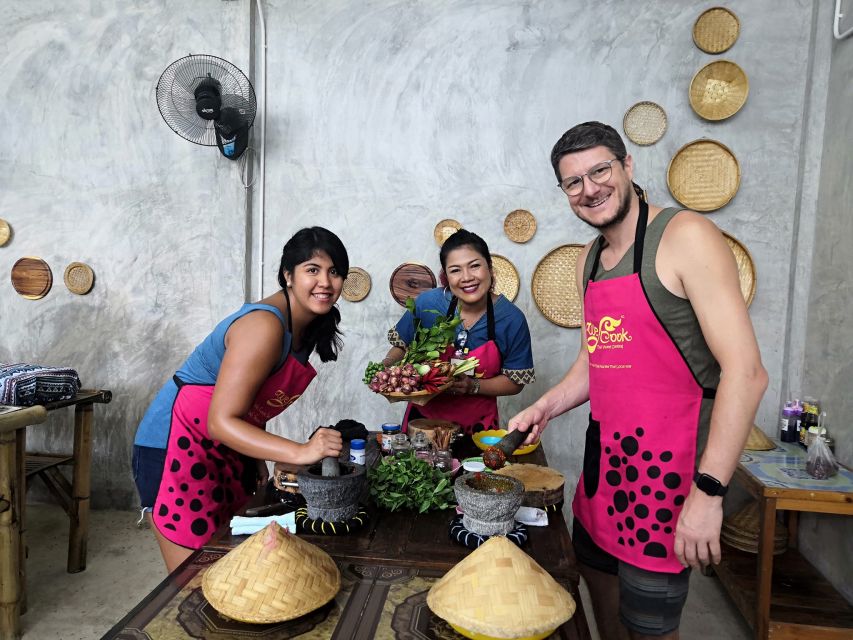
The morning class is a good choice if you want to make the cooking activity one of the main events of your day. You visit the market, cook, and finish with a large meal. It leaves your afternoon open, but it also means you should not plan a heavy breakfast beforehand.
The evening course includes pickup from 4:00 to 4:30 p.m. The exact starting time can vary, so check availability for your date. An evening class may suit you better after a sightseeing day, and the cooking ends as a meal rather than an early lunch.
Free transportation is included to and from your residence within a 3-kilometer radius of Chiang Mai downtown. Outside that area, do not assume pickup is included. The activity is wheelchair accessible, but you should confirm the practical arrangements when booking if you need specific assistance.
The full session lasts about 270 minutes to five hours. That is longer than a quick tourist cooking lesson, so plan around it. You will spend time at the market, prepare several dishes, eat, and receive the class materials at the end.
What the $32 price really covers
At $32 per person, the class offers more than a recipe demonstration. You receive English instruction, the market tour, a welcome snack or seasonal fruit, all cooking ingredients, your own wok, the meal, a cookbook, and a certificate.
Transport within the downtown pickup area adds useful value. You do not have to arrange a separate taxi to the market or home, at least if your accommodation falls within the stated 3-kilometer radius. Personal expenses and anything not listed are extra.
The strongest value comes from the amount of participation. You are paying for a half-day activity, several dishes, a market introduction, a meal, and instruction you can use later. It is especially good value if you would otherwise pay separately for a market tour and lunch.
The price is less attractive if you only want to taste Thai food or watch someone cook. This class asks for several hours and active participation. You will spend time chopping, stirring, learning, and eating a large meal, so it suits someone who wants an activity rather than a quick stop.
What you will take home besides leftovers
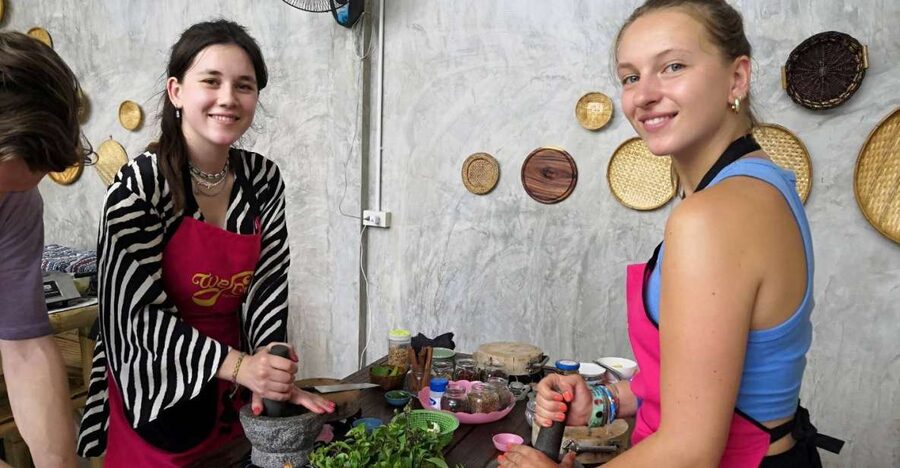
The obvious souvenir is the cookbook, but the more useful takeaway is a better feel for Thai flavor combinations. You learn how herbs, sauces, chilies, curry pastes, vegetables, and rice-based dishes work together.
The market portion helps with future food shopping. The cooking portion helps you understand what to do with those ingredients once you buy them. This makes the class useful even if you do not own a wok at home. You can adapt the methods to your own kitchen later.
The certificate is a pleasant extra, especially if you are collecting experiences during a longer trip. It is not a professional cooking qualification, but it marks the completion of the class.
You may also leave with leftovers. Mango sticky rice is a common candidate for the takeaway box because dessert arrives after several other dishes. Ask about containers if you know you will not finish everything.
Who should book this Chiang Mai cooking class?
I would recommend it to first-time visitors who want food and local life in the same activity. The market visit adds context, while the home setting keeps the class personal.
It is also a good choice for:
- Couples who want a shared activity with plenty to eat
- Families with participants at least 120 centimeters tall
- Beginners who want patient, step-by-step help
- Confident cooks who enjoy choosing several Thai dishes
- Vegetarians and people who need menu adjustments
- Anyone hoping to recreate Thai food at home
You should think twice if you dislike long food activities, cannot eat a substantial meal, or prefer a short demonstration. The class takes several hours and includes much more food than a tasting session.
Should you book We Cook Thai Home Garden Cooking School?
Yes, if you want to cook rather than simply watch. The local market, private garden setting, one-wok-per-person format, and broad menu give the class real substance for the price.
My main advice is simple: arrive hungry, wear something comfortable, and leave room in your schedule. Choose the morning slot for a full daytime activity, or the evening option if you want cooking to lead into dinner. Confirm the six-category menu, pickup location, and any dietary needs before you go.
At $32, this is a strong choice for a hands-on introduction to Thai food in Chiang Mai. The only real caution is the size of the meal and the possible variation in group size and dish count. If that sounds like a good problem to have, book it.
FAQ
How long does the Thai cooking class last?
The activity lasts about 270 minutes to five hours, depending on the schedule and class arrangements.
What is included in the $32 price?
The price includes an English guide, local market tour, welcome snack or seasonal fruit, cooking ingredients, one wok per person, a cookbook, a certificate, and free transport to and from residences within 3 kilometers of Chiang Mai downtown.
Is hotel pickup included?
Pickup is included for the evening course, with pickup time listed as 4:00 to 4:30 p.m. Free transport applies to residences within a 3-kilometer radius of Chiang Mai downtown.
Can I choose what dishes to cook?
Yes. You can choose one dish from each of six categories. Available examples include pad Thai, curry, soup, papaya salad, fried rice, spring rolls, khao soi, and mango sticky rice.
Is a vegetarian option available?
Yes, vegetarian cooking is available. Tell the provider about your dietary needs in advance.
Do I need cooking experience?
No. The class is suitable for all levels, including people who have never cooked before.
How many people can join the class?
The group size can vary. Some classes may be very small, while the stated capacity can reach 12 participants.
Can children join the class?
Participants must be at least 120 centimeters tall because of the wok height and safety requirements. Children or companions under 120 centimeters can attend as visitors for THB 300 per person and receive two dishes during one cooking class.
Can I cancel the booking?
You can cancel up to 24 hours in advance for a full refund. A reserve-now, pay-later option is also available.
Just added in Chiang Mai
- 1 Hour Deep Tissue Thai Massage with Balm – Free Transportation★ 5.0 · 64 reviews
- Whitewater Rafting Adventure★ 5.0 · 205 reviews
- Chiang Mai: Evening Chanting & Meditation★ 4.5 · 69 reviews
- 8 hour Sticky waterfall, ATV and White water rafting Adventures★ 5.0 · 308 reviews
- Meditation Retreat and Self-Care in Nature★ 5.0 · 46 reviews
- Chiang Mai: Art in Paradise Illusion Museum Entry Ticket★ 4.4 · 82 reviews
- Chiang Mai: Elephants, Sticky Waterfalls, Market and Temple★ 4.9 · 227 reviews
- Doi inthanon National Park + 2Hour Fantastic Trekking with Lunch★ 4.5 · 233 reviews
Thai Cooking Classes, compared.
Half-Day Thai Cooking Class at Organic Farm in Chiang Mai
Read our review →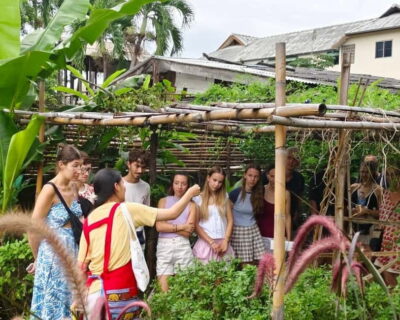
Chiang Mai: Cooking Class, Market & Thai Herbs Garden Tour
Read our review →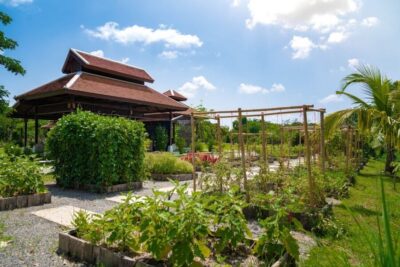
Chiang Mai: Authentic Cooking Class with Market & Farm Visit
Read our review →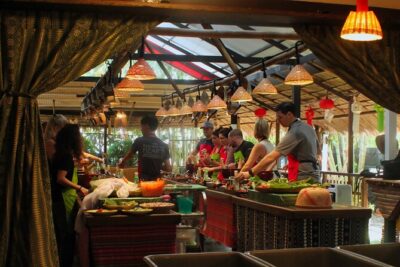
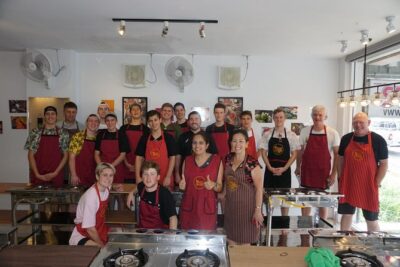
Phuket Thai Cooking Class with Market Tour Option
Read our review →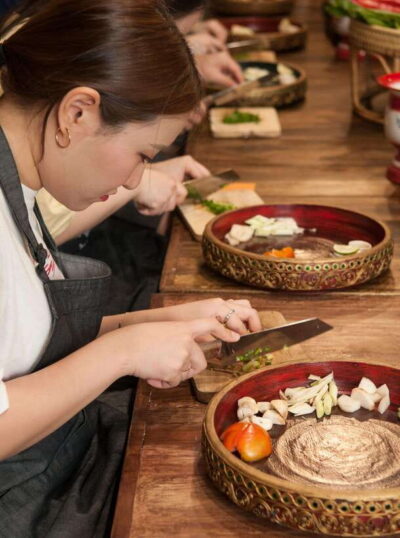
Bangkok: Hands-on Thai Cooking Class and Market Tour
Read our review →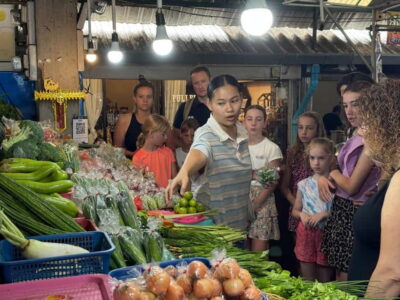
Chiang Mai: Cooking Class with Market and Pickup
Read our review →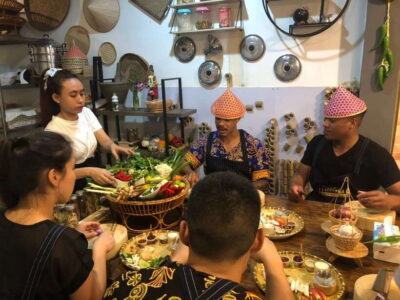
Bangkok: Tingly Thai Cooking School Half-Day Cooking Class
Read our review →Browse the lists this tour appears in