
Reviewed · STREET FOOD & FOOD TOURS
Taste of Chiang Mai: Michelin Guide & Street Food Tour
Chiang Mai’s food story is best understood one dish at a time. This two-hour tour links three Michelin Guide selected stops with the city’s old market culture, giving you Hakka pink noodles, dinosaur-shaped fried dough, and steamed rice skin dumplings on the lunch route. Guide Natt adds the useful context: trade, migration, family recipes, and the reasons these dishes belong to Chiang Mai.
I like the full-size portions, which make the $31 price feel fair, and I like the relaxed pace. You sit, eat, talk, and walk instead of racing through ten tiny samples. The main drawback is that three substantial dishes can be too much food, and the tour may feel brief if you want a long market visit or a wide survey of Thai cuisine.
Key details before you book
- Three named food stops: The lunch route features Thana Ocha’s Hakka pink noodles, Patongo Ko Neng’s dinosaur fried dough, and Lung Khajohn Wat Ket’s steamed rice skin dumplings.
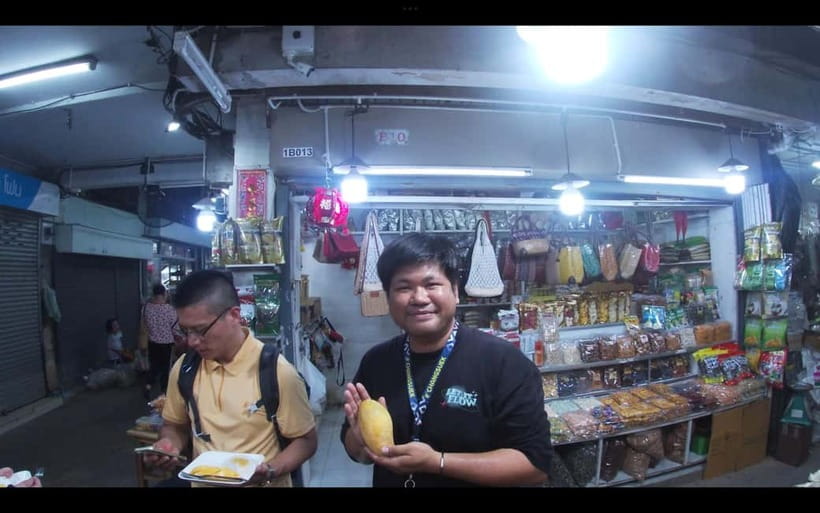
- Warorot Market is part of the lunch route: You walk through Chiang Mai’s major market and finish there, rather than simply eating in restaurants.
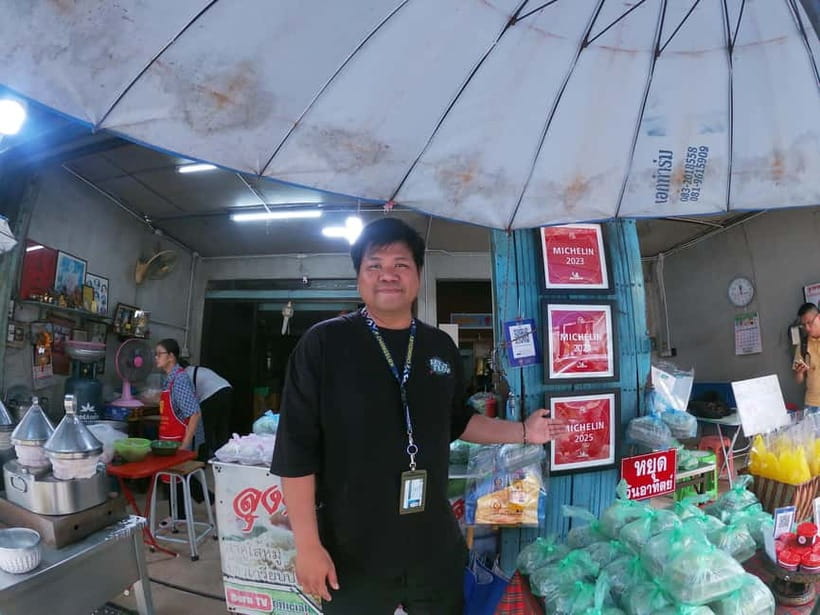
- Natt is a standout guide: He explains food, Chinese and Thai influences, local history, and practical places to eat during the rest of your stay.
- You get real portions, not just tastes: Arrive hungry, but pace yourself. Several people found the food generous enough to replace breakfast or lunch.
- Dinner is a different experience: It includes khao soi, roast chicken, and papaya salad in Nimmanhaemin, with no Warorot Market visit.
- The tour suits small groups: Private and small-group options are available, with English and Thai guiding.
Why this Chiang Mai food tour works
Many food tours try to win you over with a long list of bites. This one takes a different route. You eat three selected dishes, hear the story behind them, and spend enough time at each stop to notice ingredients and cooking styles.
That makes the tour a good first or second activity in Chiang Mai. You get a practical introduction to local food, plus suggestions for places to eat later. Several people who joined near the start of their trip found the advice useful for getting their bearings and choosing restaurants for the days ahead.
The guide is a major part of the experience. Natt is the name most often associated with this tour, and he brings a mix of food knowledge, humor, and local history. He has explained how Chinese food traditions shaped Chiang Mai, how trade routes affected ingredients, and how different flavors developed over time. Other bookings have been led by guides named Anan and Pupe, so the exact host can vary.
This is not a formal cooking class. You will not prepare the dishes yourself. Instead, you learn while walking, sitting, eating, and asking questions. That simple format works well if you want food culture without committing to a full-day class.
More Food Tours in Chiang Mai
- Small-Group Chiang Mai Evening Street Food Tour
★ 4.5 · 826 reviews - Chiang Mai: Evening Local Street Food Market Tour
★ 4.8 · 604 reviews - Northern Flavours Chiang Mai Food Tour with 15+ Tastings
★ 5.0 · 513 reviews
Meeting near Wat Saen Fang
For lunch, meet at the entrance gate of Wat Saen Fang, next to The Story 106 Co-Working Space and Cafe on Thapae Road. It is about 600 meters from Tha Pae Gate, and GetYourGuide signage marks the meeting area.
The opening walk takes you toward Warorot Market, also called Kad Luang. This is a useful location because it puts you near one of Chiang Mai’s main food and shopping areas without requiring hotel transport. You will need to arrange your own way to the meeting point, and the tour finishes at Warorot Market rather than returning you to your hotel.
Wear comfortable shoes. The route includes several short walks, street crossings, market paths, and time on your feet. A hat, sunscreen, camera, and some cash are sensible, while a bottle of water is included.
The meeting point changes for the dinner option. Dinner begins at McDonald’s Nimmanhaemin and ends on Nimmanhaemin Road. It does not include the market portion, though you can visit ONE Nimman afterward.
Thana Ocha’s pink noodles
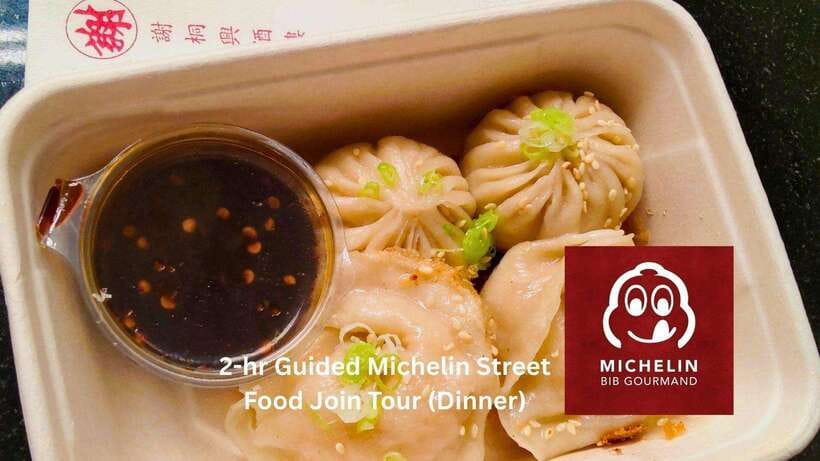
The first food stop is Thana Ocha Noodle, reached after roughly ten minutes on foot. The featured dish is a Hakka-style pink noodle soup, often identified as yen ta fo. Its bright color makes it memorable, but the point is not just appearance. The dish reflects the Chinese influence woven into Chiang Mai’s food traditions.
The planned stop lasts about forty minutes, including the food tasting and the guide’s explanation. This is where the tour begins to show its strength. Instead of placing a bowl in front of you and moving on, the guide can explain the ingredients, the dish’s background, and how it fits into the city’s larger food story.
If you have never tried yen ta fo, this is a helpful introduction because you have someone to explain what you are eating. If you already know Thai noodle dishes, the Hakka connection gives the meal a different angle.
The portion matters here. This is not merely one spoonful of soup. You should treat the stop as part of a proper meal, especially since two more dishes follow.
Patongo Ko Neng and the dinosaur fried dough
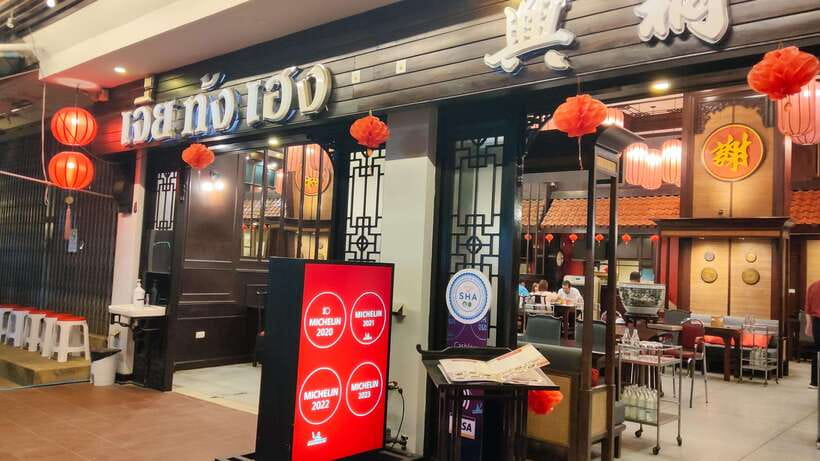
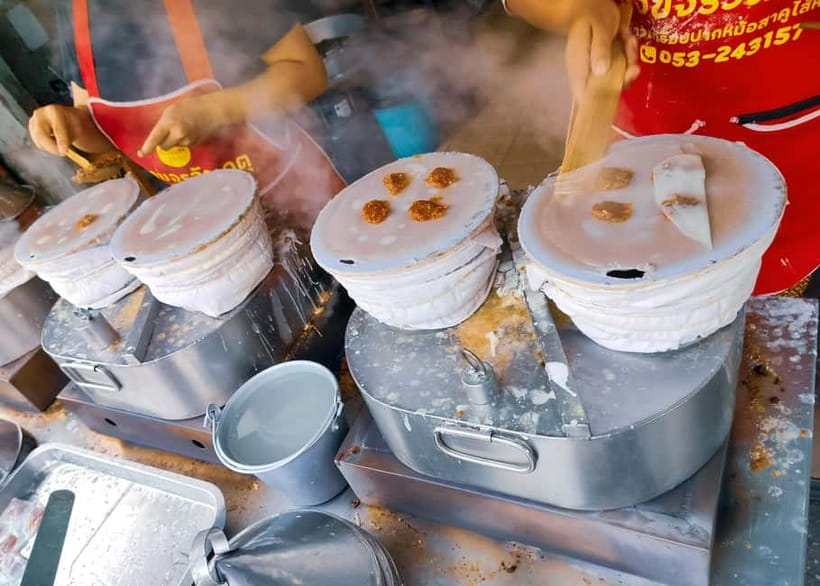
The route returns through the market area before reaching Patongo Ko Neng, known for fried dough. The playful detail is the dinosaur shape, which gives this stop an easy visual hook. The food itself is more important than the novelty: fried dough is a familiar street food across Thailand, but each vendor has its own shape, texture, and serving style.
This is the kind of stop you might miss if you were walking through the market without knowing where to look. The guide does more than point out a popular stall. He can show you how the food fits into everyday eating in Chiang Mai and help you understand why a simple fried snack has earned a place in the Michelin Guide selection.
Come hungry, but do not eat too quickly. The tour is designed around proper servings, and the fried dough adds richness after the noodles. If you are used to food tours offering tiny samples, you may find this format surprisingly filling.
The market walk between stops also helps. You are not confined to restaurant tables for two hours. You get a look at local shops and food displays, with the guide pointing out details that are easy to pass without context.
More eating your way around Chiang Mai:
- The 10 Tastings of Chiang Mai With Locals: Private Street Food Tour
★ 5.0 · 216 reviews - Chiang Mai: Food Tour by Songtheaw Truck with 15+ Tastings
★ 4.9 · 157 reviews - Go where the locals go, Eat what the locals eat! Food Tour with Local Foodies
★ 5.0 · 138 reviews - Lanna Kingdom Chiang Mai Food Tour with 15+ Tastings
★ 5.0 · 84 reviews
Warorot Market and Kad Luang
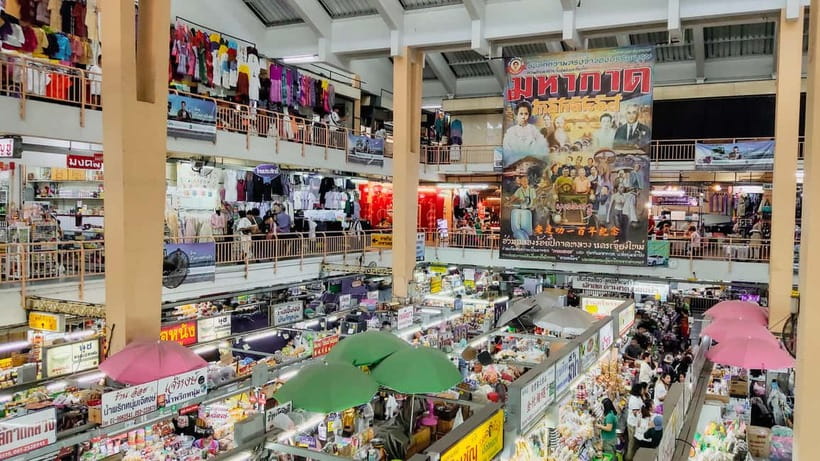
Warorot Market is more than a backdrop. It is the central setting for the lunch route and the place where the tour ends. The market visit includes sightseeing, walking, and a guided look at the food stalls and shops.
You should think of this as a focused market introduction, not a long shopping expedition. The schedule allows about twenty minutes for the guided market portion, with additional short walks around the area. That is enough to get a feel for Kad Luang, but not enough to inspect every aisle or shop at leisure.
I like this part because it links the dishes to the place where local food is bought, sold, and carried home. The food stops are not isolated restaurant visits. They sit within a working part of Chiang Mai, where snacks, dried goods, sweets, and everyday ingredients make the city’s eating habits easier to understand.
The market is also the practical ending point. You can continue shopping, eat more on your own, or make your way elsewhere without retracing the entire route.
Lung Khajohn Wat Ket’s steamed dumplings
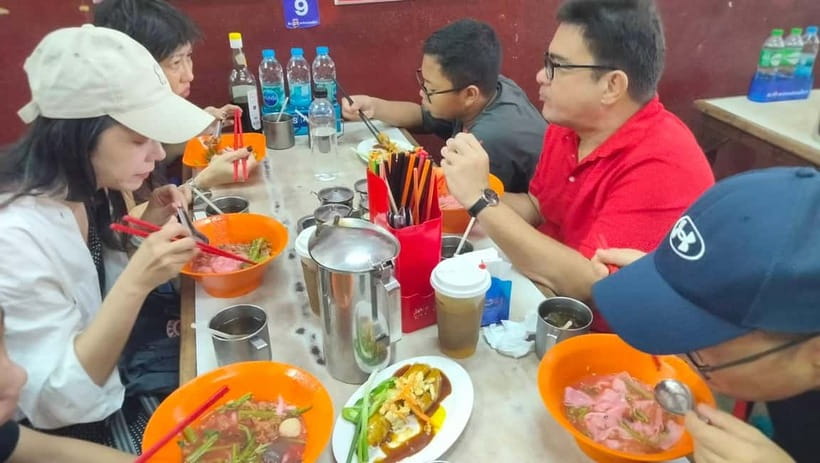
The lunch route’s third named dish comes from Lung Khajohn Wat Ket: steamed rice skin dumplings, known as khao kriab pak moh. This stop takes about twenty minutes and provides a different texture from the soup and fried dough.
The dumplings are a good choice for a food tour because they show another side of northern Thai eating. Their soft outer layer and savory filling make them distinct from the other two dishes, so the meal has some variety rather than repeating the same flavors.
The guide’s explanation is useful here. Food in Chiang Mai has been shaped by movement across the region, including Chinese influence and local northern traditions. A dish like this gives you something concrete to connect to that story.
By the time you reach the final stop, you will probably be full. That is not a flaw, but it changes how you should plan the morning or afternoon. Do not schedule a large meal immediately afterward.
What the dinner option changes
The dinner option is not simply the lunch tour at a later hour. It follows a different route in Nimmanhaemin and skips Warorot Market.
Its three featured foods are khao soi, roast chicken, and papaya salad. That gives you a more recognizable introduction to northern Thai cooking, especially through khao soi, the creamy noodle dish strongly associated with Chiang Mai.
This option may suit you better if you are staying near Nimman, have daytime plans, or prefer an evening meal. The route finishes on Nimmanhaemin Road, where you can continue to ONE Nimman afterward.
The tradeoff is clear: choose lunch for the market, Hakka noodles, and the old-city side of Chiang Mai; choose dinner for khao soi, roast chicken, papaya salad, and the Nimman setting. Check the selected option carefully because the meeting place, route, and food all change.
Three dishes or a larger food crawl?
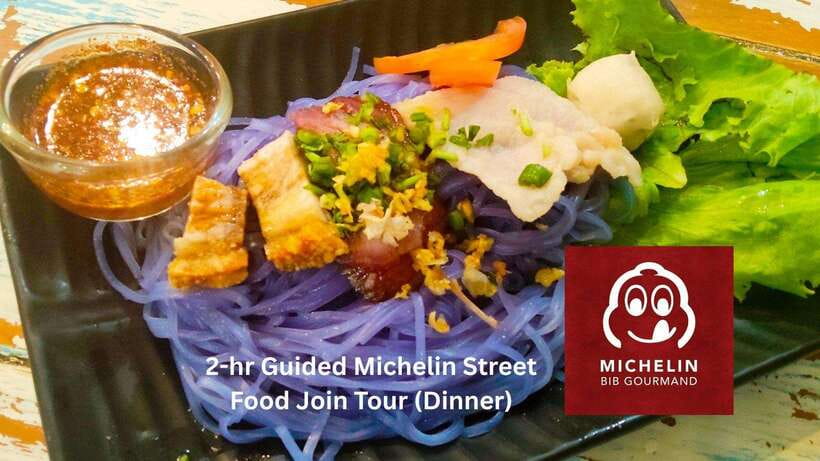
The tour’s best feature for some people is also its main limitation for others. Three dishes allow you to eat proper portions and listen to the guide without constant rushing. You can ask questions and enjoy the meal instead of treating each stop like a race.
If your ideal food tour means tasting ten or more small items, this may feel limited. One person found the number of foods smaller than expected, despite enjoying the market and the guide. That is a fair concern, especially if you are looking for a broad survey of northern Thai snacks.
On the other hand, many food tours leave you hungry because every sample is tiny. This one often does the opposite. Several people found the servings generous, and one described the tour as closer to three meals than a tasting crawl. I would skip breakfast or eat very lightly beforehand, especially for the lunch option.
The format also helps you remember what you ate. Three dishes with context are easier to place than a blur of small samples. You can later order yen ta fo, khao soi, or similar dishes with a better idea of what you like.
The guide makes the difference
Food is the advertised reason to book, but the guide determines how much you take away. Natt has been praised for clear English, humor, warmth, and a strong grasp of Thai food and history. He has also given practical advice about restaurants, markets, local walks, and places outside Chiang Mai.
That extra advice has real value if you take the tour early in your stay. You can use the guide’s suggestions for later meals instead of relying only on restaurants near your hotel.
Natt’s approach also seems personal rather than scripted. He has discussed his own connection to food, the city’s geography, and the way ingredients and flavors changed over time. Another guide, Anan, has used maps and photographs while explaining Chiang Mai’s past. The exact style depends on who leads your booking, but the experience is designed around conversation, not a lecture.
The guide can also help with small practical matters, such as crossing busy roads and understanding how to order or approach unfamiliar food. That is useful on your first day, when Chiang Mai’s traffic, markets, and menus can feel like a lot at once.
Is $31 good value?
At $31 per person, the tour is reasonably priced if you value full portions and personal guidance. You are paying for three included dishes, a local guide, a bottle of water, and the time saved by having someone select and explain the stops.
The value is less obvious if you only want the cheapest possible meal. You could eat street food for less on your own, but you would need to find the vendors, decide what to order, and miss the food history and local suggestions.
Private and small-group options are available. A private booking may make the price more worthwhile if you want to ask many questions or adjust the pace, though the supplied information does not specify a separate private-tour price.
Personal expenses and hotel transport are not included. Bring cash for anything extra at the market or after the tour.
Who should book this experience?
I would recommend it to first-time visitors, food-focused travelers, couples, solo visitors, and anyone who wants a gentle introduction to Chiang Mai before exploring alone. It is especially useful if you enjoy asking questions and prefer three substantial stops to a long list of tiny bites.
It also suits people interested in cultural connections. The tour covers more than taste, with discussion of Thai and Chinese food traditions, local history, ingredients, trade, and the way flavors developed.
It is less suitable if you want a long market shopping session, a cooking class, or a very large number of dishes. Vegetarians, vegans, people with food allergies, gluten intolerance, lactose intolerance, kidney problems, high blood pressure, or other listed medical concerns should not book without confirming that the food can be adapted. The activity is not suitable for children under two, wheelchair users, people with mobility or back problems, or several other health and sensory conditions listed by the operator.
Practical timing and cancellation advice
The experience lasts two hours, with availability depending on the chosen start time. The lunch walk includes several short sections of about ten minutes, plus guided stops at the noodle shop, market, and dumpling vendor.
The dinner route is shorter in scope because it does not include the market. Confirm the meeting point before leaving, since lunch begins at Wat Saen Fang and dinner begins at McDonald’s Nimmanhaemin.
You can cancel up to 24 hours before the tour for a full refund, and the reserve-now, pay-later option keeps your plans flexible. Still, the most useful preparation is simple: wear comfortable shoes, bring sunscreen and cash, and arrive hungry but not desperate for food.
Should you book Taste of Chiang Mai?
Book it if you want three well-chosen meals with a local explanation, rather than a frantic street-food checklist. The lunch option is the stronger choice if Warorot Market and Chiang Mai’s Chinese-influenced food traditions interest you.
Choose dinner if khao soi is your priority or if Nimman fits your schedule better. Skip the tour if you need vegetarian or allergy-friendly food, want wheelchair access, or expect a market crawl with a dozen different tastings.
For most first visits, I would book it early in the trip. You get fed, learn how Chiang Mai eats, and leave with practical ideas for the meals still ahead.
FAQ
How long does the Taste of Chiang Mai food tour last?
The tour lasts two hours.
What food is included on the lunch option?
The lunch option includes Hakka pink noodles from Thana Ocha, Thai fried dough from Patongo Ko Neng, and steamed rice skin dumplings from Lung Khajohn Wat Ket.
What food is included on the dinner option?
The dinner option includes Michelin Guide selected khao soi, roast chicken, and papaya salad.
Does the dinner tour visit Warorot Market?
No. The dinner option does not include a market visit. It begins and ends in the Nimmanhaemin area.
Where does the lunch tour meet?
The lunch tour meets at Wat Saen Fang, at the entrance gate next to The Story 106 Co-Working Space and Cafe on Thapae Road, about 600 meters from Tha Pae Gate.
Is hotel pickup included?
No. Hotel pickup and drop-off are not included.
Can I cancel the booking?
Yes. You can cancel up to 24 hours in advance for a full refund. The activity also offers a reserve-now, pay-later option.
More Food & Drink in Chiang Mai
- Chiang Mai: Local Food and Markets Guided Walking Tour
★ 4.3 · 175 reviews - Chiang Mai: Temples and Street Food Night Tour by Tuk Tuk
★ 4.3 · 81 reviews - Chiang Mai Farm Life & Khao Soy Tasting on a Half-Day Boat Tour
★ 4.5 · 64 reviews - Chiang Mai: Evening Sightseeing and Local Food Guided Tour
★ 4.9 · 46 reviews
Just added in Chiang Mai
- No.1 Chiang Mai: Historical City Bike Tour★ 5.0 · 10 reviews
- Inthanon Day Trip from Chiang Mai with Lunch – Group or Private★ 5.0 · 182 reviews
- Jewellery Making Class with Silversmithing in Chiang Mai★ 4.5 · 11 reviews
- 10KM Inflatable Kayaking Adventure★ 5.0 · 23 reviews
- Chiang Mai: Historic Old City Bike Tour – Morning or Night★ 5.0 · 202 reviews
- Half-day E-bike Nam Phrae (hilly, fully paved roads, GUIDED)★ 5.0 · 122 reviews
- Inthanon Heaven Trail(Living Green Elephant Sanctuary)★ 5.0 · 52 reviews
- Half Day Car Hire with an English Speaking Driver in Chiang Mai★ 5.0 · 16 reviews
Street Food & Food Tours, compared.

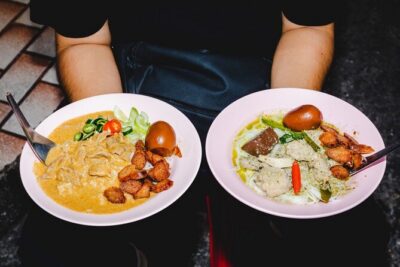
Bangkok: Backstreets Food Tour with 15+ Tastings
Read our review →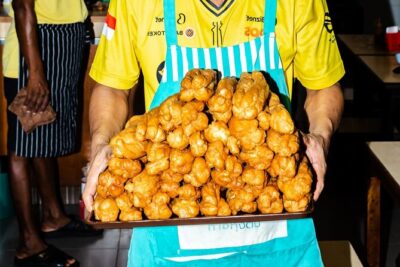
Southern Flavors Phuket Food Tour with 15+ Tastings
Read our review →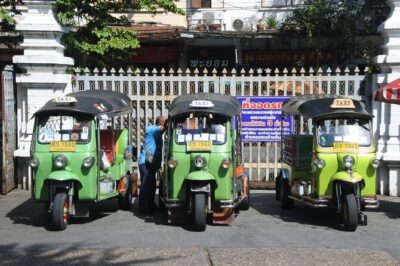
Bangkok: Michelin Guide Street Food Tour by Tuk Tuk
Read our review →
Bangkok Authentic Tasting Thai-Chinatown Walking Food Tour
Read our review →
Small-Group Chiang Mai Evening Street Food Tour
Read our review →
Bangkok: Tuk Tuk Adventure Chinatown Michelin Food & Temples
Read our review →Browse the lists this tour appears in