
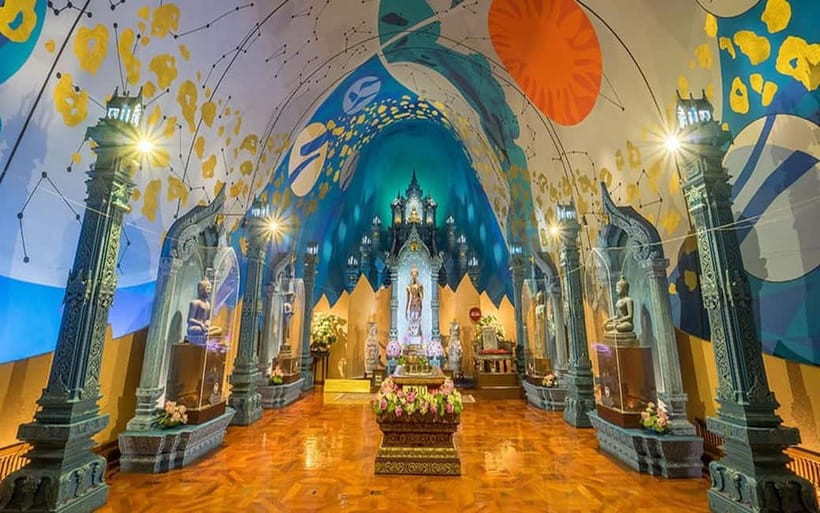
Reviewed · RIVER KWAI & KANCHANABURI TOURS
Samut Prakan: The Erawan Museum Admission Ticket (NON THAI)
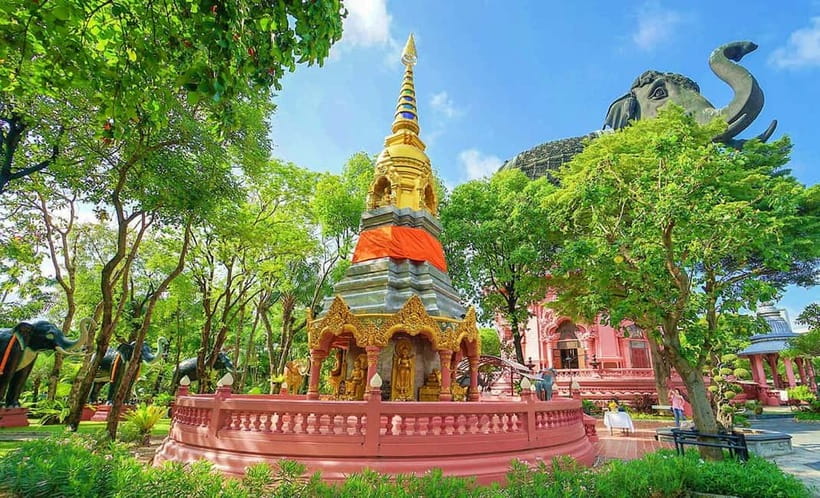
The first thing you notice is the massive three-headed bronze elephant, perched above the museum like a guardian from another age. It is based on Airavata, the sacred elephant of Hindu mythology, and the building below it holds antiques and religious objects gathered by Lek Viriyapant.
I like the way the museum turns a ticketed visit into a symbolic journey through Underworld, Earth, and Heaven. I also like the easy BTS access, with a free shuttle tuk-tuk from Chang Erawan Station. The main catch is that this is an admission ticket, not a guided tour or transport package, so you will need to make your own way there and follow the museum on your own.
Key points to know before you go
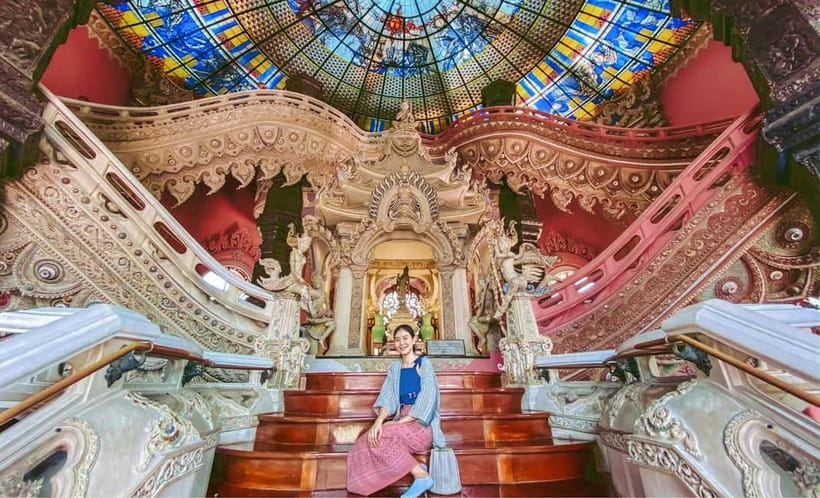
- The elephant is both sculpture and museum: The three-headed Airavata represents protection, Thai identity, and the preservation of sacred objects.
- Three levels tell a symbolic story: You move through Underworld, Earth, and Heaven rather than through ordinary museum galleries.
- BTS makes the visit simple: Get off at Chang Erawan Station, E17, Exit 2, then use the free shuttle tuk-tuk.
- The ticket costs $12 per person: That covers admission, flowers, incense, a lotus flower, taxes, and access to the surrounding areas.
- Dress modestly: Shorts, short skirts, sleeveless shirts, food, drinks, alcohol, and pets are not permitted.
- Allow up to eight hours of validity: Visit only on the date and time selected when booking, and check the available starting times.
A giant elephant with a serious purpose
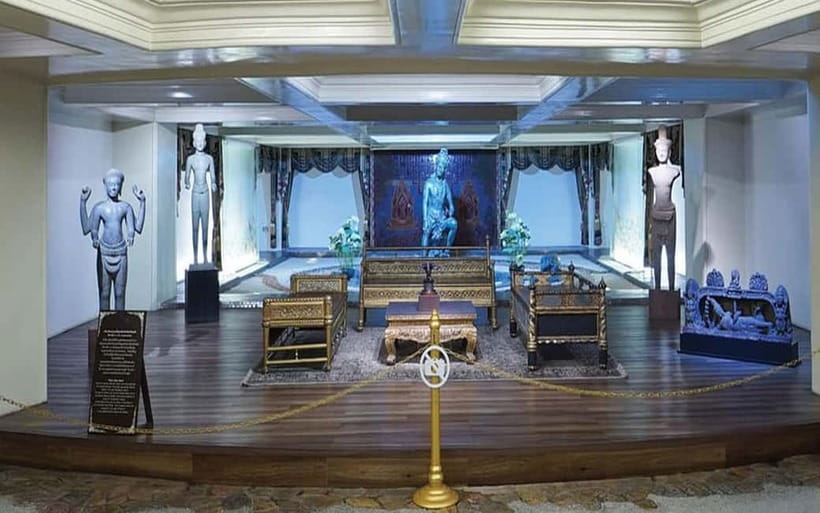
The Erawan Museum is not simply a building with an unusual roof. The entire design grows from the image of a three-headed elephant standing on a globe-like sphere. That sphere represents the Earth, while the elephant acts as its protector.
The idea came from Lek Viriyapant, a well-known antique collector who wanted to preserve his collection for future generations. Many of the objects connected to older religious beliefs, including sacred items thought to bring blessing and prosperity to the land.
Viriyapant first developed the design, then handed the blueprint to his son, Pagpean Viriyapant, for construction. Neither father nor son lived to see the building completed, but the family continued the project. That gives the museum a personal purpose: it is both a place of worship and a home for objects that might otherwise have been scattered or forgotten.
You can appreciate the museum without knowing every detail of Thai or Hindu belief. The elephant makes the message clear at once. This is a place built around protection, memory, and respect for cultural objects.
Other long days west of Bangkok:
- From Bangkok: Erawan Park & Kanchanaburi Small-Group Tour
★ 4.5 · 1,582 reviews - From Bangkok: Historical Day Tour to River Kwai
★ 4.6 · 868 reviews - Bridge on the River Kwai and Thailand-Burma Railway Tour
★ 4.5 · 658 reviews
Arriving from Bangkok by BTS
The most practical way to reach the museum is the BTS Skytrain Green Line. Ride to Chang Erawan Station, also called E17, and leave through Exit 2.
From there, a free shuttle tuk-tuk operates every day. This small detail matters. You do not need to arrange a private transfer just to cover the final stretch from the station, and you can avoid guessing which local road leads to the entrance.
The ticket does not include transfers, so the Skytrain fare is separate. You will also need to handle your own journey back. Still, the combination of BTS access and the free shuttle keeps the visit straightforward for anyone staying in Bangkok or nearby Samut Prakan.
I would check the station and shuttle details before leaving, then keep your digital ticket ready. The ticket is tied to the specified date and time you select, so this is not a completely open-ended admission pass.
Looking up at the three-headed Airavata
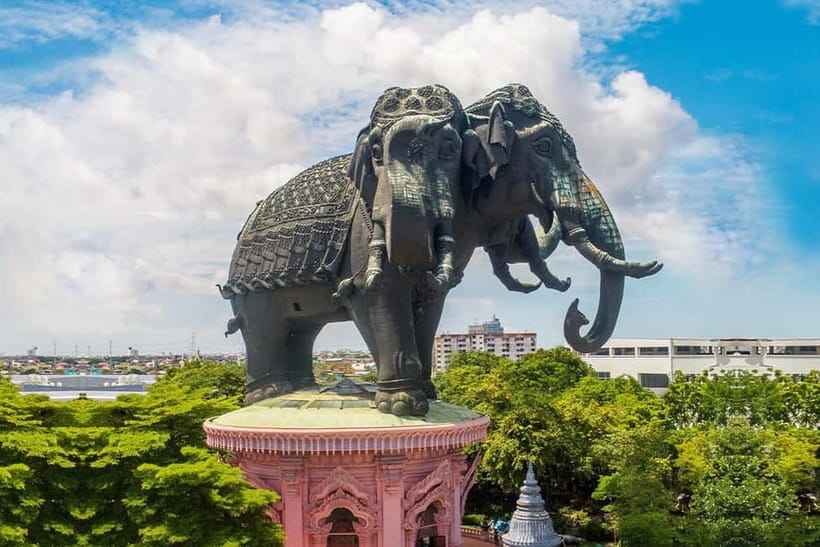
The exterior is the main visual event. The elephant is enormous, and the unusual scale gives the museum a theatrical quality before you even enter.
Airavata is drawn from Hindu mythology, where the elephant serves as the vehicle of the god Indra. Here, the three heads add a sense of power and ceremony. The figure is not just placed beside the museum as decoration. It forms the museum, with the galleries held inside and below the elephant.
You will find plenty of photo opportunities around the outside. Take time to look at the elephant from different angles rather than rushing straight to the entrance. The view from below helps you understand how the structure rests on the globe-like base.
Photography is one of the strongest reasons to visit. The exterior gives you the grand, easy photograph, while the interior offers a more detailed setting with religious art and decorative features. Commercial photography and video are not permitted inside, so keep your pictures personal.
Entering the Underworld
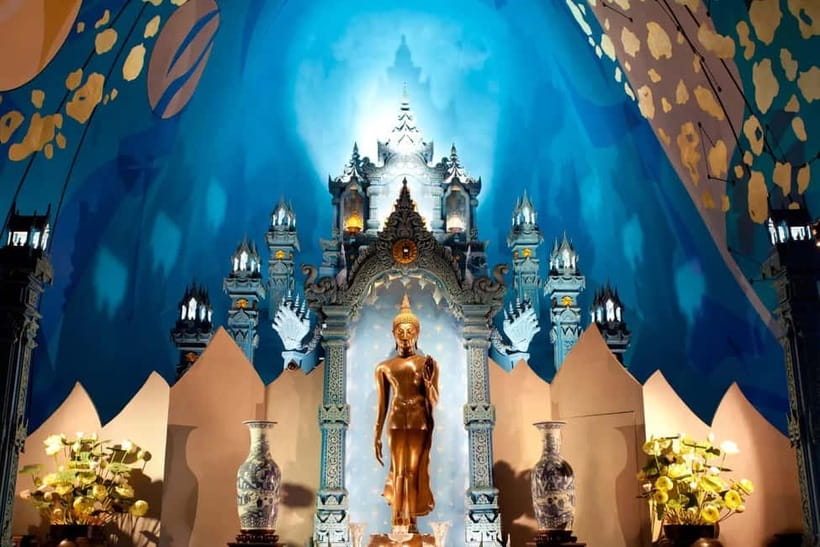
The museum is arranged around three symbolic realms: Underworld, Earth, and Heaven. The Underworld section forms the lower part of the visit and sets up the building’s spiritual structure.
You are not simply walking through rooms labeled by historical period. The museum asks you to think about the relationship between the physical world, the sacred world, and the forces beneath them.
This section may appeal most to you if you enjoy museums that use architecture to tell a story. It is less suited to someone looking for a conventional chronological display with long factual panels and a clear timeline.
The objects here form part of Viriyapant’s effort to preserve valuable antiques and sacred pieces. The exact history of every item is not supplied with this admission ticket, so you should treat the space as a visual and spiritual introduction rather than a fully guided lesson.
More ticketed sights around Bangkok:
- The Ultimate Ancient city of Ayutthaya Private Day Trip
★ 5.0 · 139 reviews - Chiang Mai: Art in Paradise Illusion Museum Entry Ticket
★ 4.4 · 82 reviews - Pattaya: Art in Paradise 3D Museum Discounted Ticket
★ 4.6 · 75 reviews
Moving through the Earth section
Earth is the central idea of the museum’s design. The giant elephant stands above a globe, and the collection is held within that protective form.
This section helps connect the museum’s grand symbolism with the objects Viriyapant collected. His goal was to keep cultural treasures together and pass them to the next generation. That purpose gives the museum more weight than a photo stop alone.
I like this middle section because it explains why the building looks the way it does. The elephant is not an isolated monument, and the antiques are not random decorations. The architecture and collection are meant to work together.
You may find the experience more rewarding if you slow down here. Look at the way the rooms, objects, and religious details support the larger idea of safeguarding the Earth and its cultural treasures.
Reaching Heaven inside the elephant
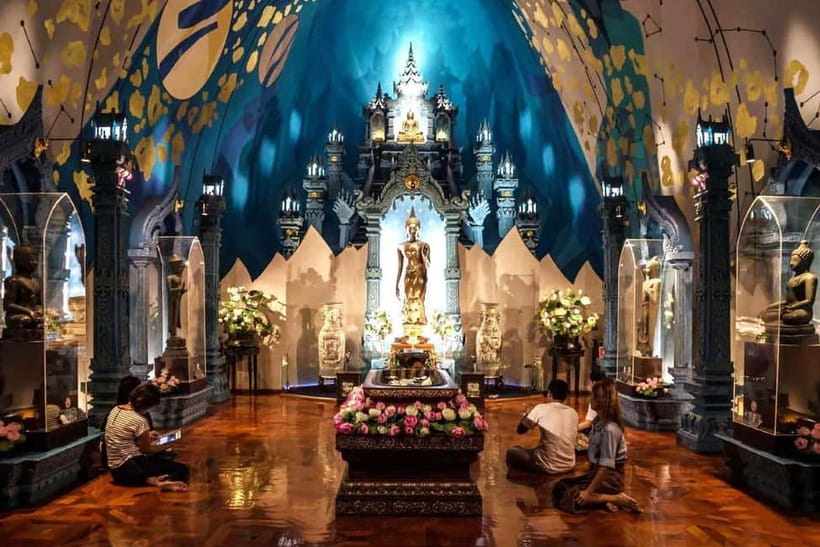
Heaven is the most dramatic part of the museum’s symbolic journey. As you reach the upper areas, the building’s unusual construction becomes especially important. You are inside a museum placed within a monumental elephant, a design that makes the final section feel different from a normal gallery.
The museum’s story links this upper realm with sacred objects, old beliefs, and the idea of blessing. You are asked to be quiet and respectful, since this is not only an art display. People came to worship the elephant, the sacred objects, and the values associated with Viriyant’s collection even before construction was complete.
That blend of museum and devotional site is worth keeping in mind. You can take photographs for personal use, but you should not treat every corner as a casual photo studio. Follow the quiet tone of the space and pay attention to the people who come for religious reasons.
Flowers, incense, and a small ritual element
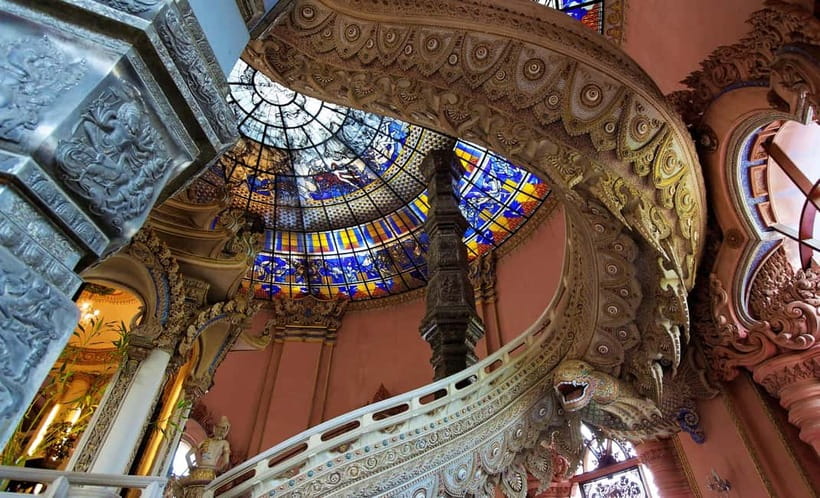
The admission includes flowers, incense, and a lotus flower. These items give your visit a more personal connection to the museum’s religious setting.
You do not need to turn the visit into a formal ceremony if that is not your custom. Still, having these offerings available helps explain why the Erawan Museum feels different from a standard collection of antiques. The building is designed to encourage respect and reflection, not just sightseeing.
I would take a moment to observe how the offerings are used and follow the local tone of the place. Keep your voice low and avoid blocking worshippers or other people taking part in quiet acts of respect.
How much time should you allow?
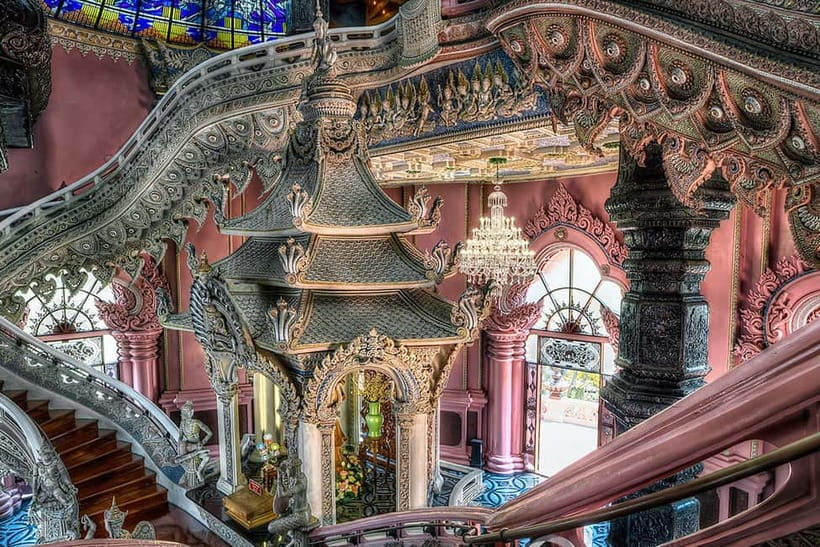
The activity is listed as valid for eight hours, but that does not mean you are joining an eight-hour guided tour. You are buying admission for a visit on the selected date and time, with no guide or transfer included.
For most people, the actual museum visit will depend on how closely you study the art, how many photographs you take, and how much time you spend in the surrounding areas. The eight-hour validity gives you flexibility around the available starting time, but you should check the exact booking information before setting your schedule.
This makes the museum easy to pair with other plans in Samut Prakan, provided you allow time for the BTS journey and the shuttle tuk-tuk. Do not assume the ticket can be used on any date. You can only visit on the specified date and time selected at booking.
What the $12 ticket really covers
At $12 per person, the ticket is a reasonable choice if you want to see an unusual building and a collection with a clear cultural purpose.
The price includes:
- Admission to the Erawan Museum
- Flowers, incense, and a lotus flower
- Access to the areas surrounding the museum
- All taxes and fees
- Skip-the-ticket-line entry
It does not include transportation, personal expenses, food, drinks, or a guide. That distinction matters. If you prefer a host to explain every object and arrange door-to-door travel, this is not that kind of product.
For an independent visit, the value is good. You get access to one of Thailand’s more distinctive museum structures, plus the grounds and a small offering set, while BTS and the free station shuttle keep the arrival cost manageable.
A 4.8 out of 5 rating from 89 bookings suggests that the simple, highly visual format works well for many people. The strongest appeal is easy to understand: you get an extraordinary elephant sculpture, unusual interior spaces, and a visit that can be planned without a complicated transport arrangement.
Dress and behavior rules
Dress modestly. Shorts, short skirts, and sleeveless shirts are not permitted.
Food and drinks are also prohibited, as are alcohol, drugs, and pets. Plan to finish snacks before entering and leave animals elsewhere.
Quiet behavior is expected. This is especially important because the museum contains sacred objects and remains a place where people may come to worship. Personal photographs and videos are allowed, but commercial photography and filming inside are not.
These rules are not difficult, but they can affect a rushed visit. Check your clothing before leaving your hotel, and do not assume that hot weather makes sleeveless clothing acceptable inside.
Who will enjoy this museum most?
I would recommend the Erawan Museum to you if you enjoy striking architecture, religious art, symbolic spaces, and places that offer strong photographs without requiring a full-day guided program.
It also suits families and independent sightseers who want a manageable cultural stop with a clear visual focus. The giant elephant gives children an immediate point of interest, while the three-part design gives adults something to think about.
The visit may be less satisfying if you want a detailed English-language explanation of every object, a guide, or a tightly organized tour with transportation included. None of those features is part of this admission ticket.
It is also not the best fit if you are unwilling to dress modestly or follow quiet museum rules. The setting asks for a little restraint, especially around the sacred displays.
Booking flexibility and practical planning
You can cancel up to 24 hours in advance for a full refund, which gives you some protection if your Bangkok plans change. The reserve-now, pay-later option also lets you hold the booking without paying immediately.
You still need to check availability and starting times before booking. The ticket is date and time specific, so flexibility does not mean you can arrive whenever you like.
Because transfers are not included, plan the Skytrain journey separately. Chang Erawan Station, E17, Exit 2, is the key detail to remember. The free shuttle tuk-tuk runs daily from there to the museum.
Should you book the Erawan Museum ticket?
Book it if you want a visually memorable cultural stop that you can reach by BTS, and if you are happy exploring without a guide. The three-headed elephant, the three symbolic realms, and the preserved sacred collection give the visit more substance than a quick photograph from outside.
The $12 price makes sense for an independent visit, especially with the flowers, incense, lotus flower, surrounding areas, taxes, and skip-the-line access included. Just budget separately for your BTS fare and remember that this is not a transport or guided package.
My main advice is simple: dress respectfully, arrive at Chang Erawan Station Exit 2, use the free shuttle tuk-tuk, and allow time to look beyond the elephant. The sculpture draws you in, but the museum’s real purpose is the connection between art, belief, family memory, and the protection of Thailand’s cultural objects.
FAQ
Where is the Erawan Museum?
The Erawan Museum is in Samut Prakan, in Central Thailand.
How much does admission cost?
The listed price is $12 per person for the non-Thai admission ticket.
How long is the ticket valid?
The ticket is valid for eight hours. You must visit on the specified date and time selected when booking.
How do I reach the museum by public transport?
Take the BTS Skytrain Green Line to Chang Erawan Station, E17. Leave through Exit 2, where a free shuttle tuk-tuk operates daily.
Is transportation included in the ticket?
No. Transfers are not included. The free shuttle tuk-tuk from Chang Erawan Station is available, but your BTS fare and other transportation costs are separate.
What does the admission ticket include?
It includes museum admission, flowers, incense, a lotus flower, access to the surrounding areas, all taxes and fees, and skip-the-ticket-line entry.
Is a guide included?
No guide is listed as included. This is an admission ticket for an independent visit.
What clothing is required?
You should dress modestly. Shorts, short skirts, and sleeveless shirts are not permitted.
Can I bring food, drinks, or pets?
No. Food, drinks, alcohol, drugs, and pets are not permitted.
Can I take photographs inside the museum?
Personal photographs and videos are allowed, but commercial photography and video are not permitted inside. You should also remain quiet and respectful during your visit.
More Museums in Bangkok
- Samui:Elephant Jungle experience & The First Elephant Museum
★ 4.9 · 226 reviews
Just added in Bangkok
- Bangkok: City Culture half-day Bike Tour★ 5.0 · 19 reviews
- Bangkok: A 4 Hours Tuk Tuk Sightseeing Tour Iconic Landmarks★ 4.3 · 8 reviews
- Bangkok: 2 Hours Grand Palace & Wat Pho Private Tour★ 4.9 · 15 reviews
- Bangkok: Muay Thai Boxing Class for Beginners★ 5.0 · 189 reviews
- Bangkok: 2 Temple Tour (Golden Buddha + Marble Temple)★ 3.6 · 88 reviews
- Bangkok: Baiyoke Observation Deck Ticket with Buffet Meal★ 4.2 · 188 reviews
- Ayutthaya: Private Boat Tour with Optional Temple Visits★ 4.6 · 102 reviews
- Bangkok: Chao Phraya Alangka Cruise at Icon Siam★ 3.8 · 36 reviews
River Kwai & Kanchanaburi Tours, compared.
From Bangkok: Erawan Park & Kanchanaburi Small-Group Tour
Read our review →
From Bangkok: Historical Day Tour to River Kwai
Read our review →
Bridge on the River Kwai and Thailand-Burma Railway Tour
Read our review →
Erawan Waterfalls and Bridge Over River Kwai Tour from Bangkok
Read our review →
Erawan Waterfall and Elephant Care: Private Tour to Kanchanabur
Read our review →
Kanchanaburi Full Day Tour: River Kwai and Erawan Falls
Read our review →
Floating Markets and Bridge on River Kwai Tour from Bangkok
Read our review →
Private Tour to Erawan Waterfall and Boat Tour in Kanchanaburi
Read our review →Browse the lists this tour appears in