
Reviewed · RIVER KWAI & KANCHANABURI TOURS
From Bangkok: Historical Day Tour to River Kwai
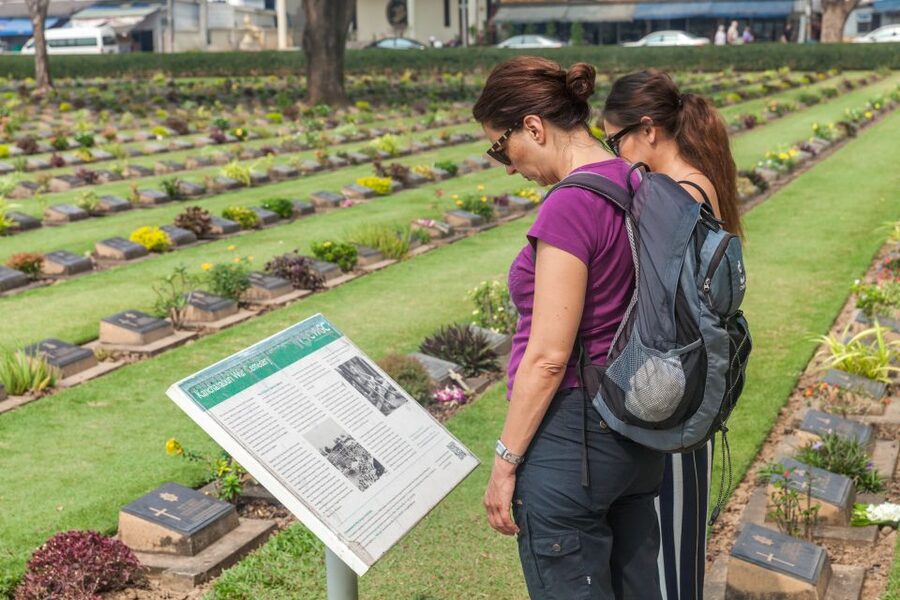
The most moving part of this day is not the famous bridge. It is the quiet War Cemetery, where thousands of Allied soldiers who died building the Death Railway are remembered. The Thailand-Burma Railway Centre then gives the suffering and scale of the project a clear human context before you see the railway itself.
I like the combination of serious WWII history and a scenic train ride through rural Thailand. I also like the small-group feel, comfortable air-conditioned van, included lunch, and guides such as Luke, Woody, William, and Jokey, who are often singled out for clear explanations and careful attention. The main drawback is the distance: traffic can turn this advertised 10-hour outing into a 12-hour day.
Key points to know before booking
- The journey takes about three hours each way: Bangkok traffic can stretch the day, so do not plan an evening appointment afterward.
- The cemetery comes before the museum: You get the human cost first, then the wider story of the Thailand-Burma Railway.
- The train ride uses the original Death Railway track: The basic fare is included, but it does not guarantee an assigned seat.
- The River Kwai bridge is a real stop: You have time to walk across, take photographs, and see a train pass when schedules allow.
- Lunch and entrance fees are included: This makes the $51 price useful for a full day outside Bangkok.
- This is history with emotional weight: Come prepared for a respectful visit, not just a scenic rail excursion.
Why this Kanchanaburi day trip matters
Kanchanaburi lies about 130 kilometers west of Bangkok, but the road time is considerable. The drive can take around three hours in each direction, with a comfort stop along the way. That sounds like a lot for a day trip, and it is. Yet the route gives you access to several important sites that would be awkward to combine without private transport.
This tour works because the stops tell one connected story. You begin with the people who died, continue to a museum explaining how and why the railway was built, then see the bridge and ride a surviving section of track. The order gives the train ride more meaning than it would have on its own.
The railway was built during World War II by Allied prisoners of war under Japanese control. The project was intended to connect Thailand with Burma, now Myanmar, but the work caused terrible suffering and a huge loss of life. The cemetery and museum focus mainly on the Allied prisoners, while the broader wartime story also involved Asian laborers who suffered under the railway project.
You should approach the day with respect. The bridge is famous because of the film and popular culture, but the real story is far grimmer than a simple sightseeing stop.
Other long days west of Bangkok:
- From Bangkok: Erawan Park & Kanchanaburi Small-Group Tour
★ 4.5 · 1,582 reviews - Bridge on the River Kwai and Thailand-Burma Railway Tour
★ 4.5 · 658 reviews - Erawan Waterfalls and Bridge Over River Kwai Tour from Bangkok
★ 4.5 · 372 reviews
Leaving Bangkok before the traffic builds
Pickup options are offered from parts of Sukhumvit, Khaosan, and Silom at around 6:00 to 6:15 AM. You can also meet the group at the BMP Bigcountry meeting point at River City Bangkok, 23 Charoen Krung Soi 24, Talad Noi.
An early start matters. Bangkok traffic can affect both pickup and return times, and the advertised 10-hour duration is best treated as an estimate. Some days finish closer to 12 hours. If you have an evening flight, dinner booking, or show, give yourself plenty of room.
The vehicle is an air-conditioned van. Several details make the long drive easier: comfort breaks, water, and, on some departures, cool wet towels. The road journey is not the highlight, but a careful driver makes a real difference. Drivers such as Bun and the drivers paired with Luke, Woody, and Henry received particularly warm praise for smooth, cautious driving.
Your guide usually uses the drive to explain Thai culture, the day’s plan, and the background to Kanchanaburi. The strongest guides named in the feedback include Luke, Woody, William, Jokey, Henry, Bobo, and Mr Thewt. Guide assignments can change, but the pattern is clear: this experience depends heavily on having someone who can explain the history in plain English and keep the day moving.
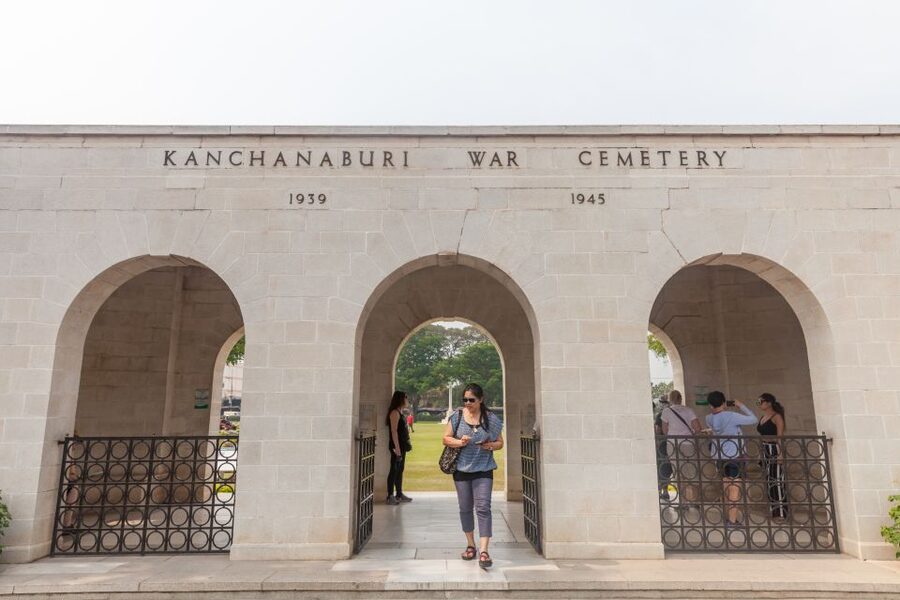
Paying respects at Kanchanaburi War Cemetery
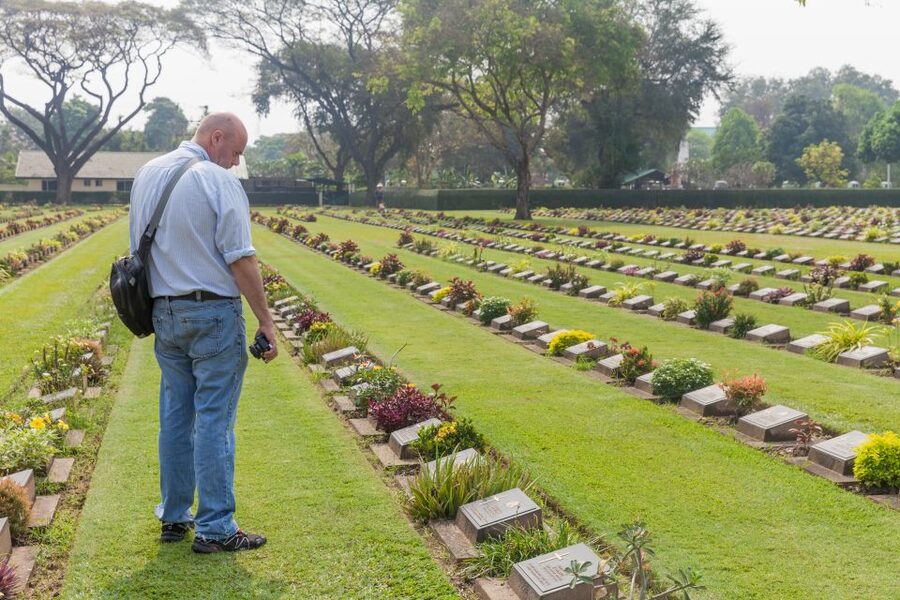
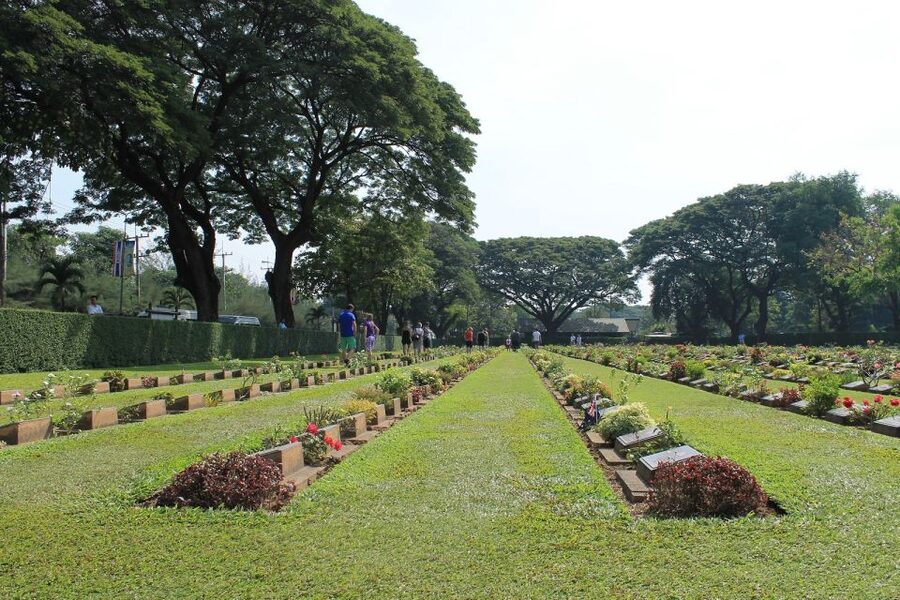
The War Cemetery is one of the day’s most powerful stops. The grounds are carefully maintained, with rows of graves belonging to Allied soldiers who died during the construction of the railway. The tour information puts the number of graves at about 9,000.
This is not a quick photo stop in spirit, even if the schedule can feel tight. The neat rows, ages on the headstones, and personal names bring the story down from a military scale to individual lives. I would set aside the urge to hurry through and take a quiet moment to read a few inscriptions.
Several visitors wished for more time here. That is a fair criticism because the cemetery deserves unhurried attention, and the long drive leaves only a limited number of hours for the actual sites. Your guide may explain the background before or after you enter, helping you understand what you are seeing.
Wear comfortable shoes and bring water. Kanchanaburi can be hot, especially from late spring through the warmer months. A hat or small portable fan is useful, and respectful clothing is appropriate for a memorial site.
Making sense of the past at the Thailand-Burma Railway Centre
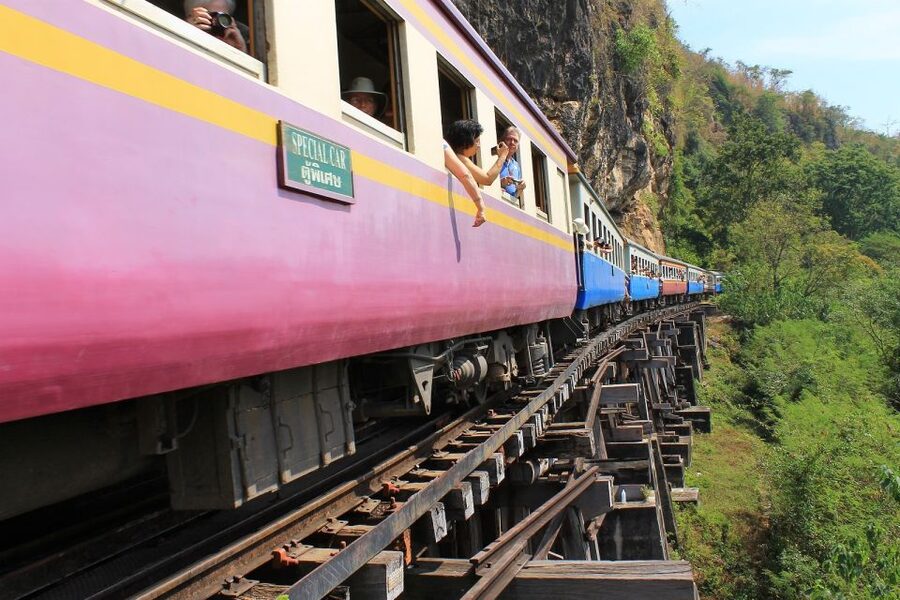
The Thailand-Burma Railway Centre is an interactive museum, research center, and information center devoted to the Thailand-Burma Railway. It uses photographs, objects, displays, and explanations to show how the railway was planned and built.
This stop is important because the bridge and train ride alone can leave you with an incomplete picture. The museum explains the wartime setting, the role of Allied prisoners of war, the working conditions, and the enormous human cost. It also helps separate the real history from the simplified version presented in popular culture.
You will likely have about an hour here, though the exact time depends on traffic and train arrangements. The center has a second floor, and you cannot read every panel closely in that time. If you want to absorb every display, you would need a longer visit or a separate trip to Kanchanaburi.
I recommend focusing on the main sequence of the story rather than trying to read every word. Listen to your guide first, then use the museum displays to fill in the details. Some departures reach the museum near opening time, which can make the visit calmer and more efficient.
The museum can be emotionally difficult. That is part of its value, but it may not suit someone looking for a light sightseeing day. This is a serious visit, and the displays deserve your attention.
A few more things to do in Bangkok worth a look
- From Bangkok: Ayutthaya Historical Park Guided Day Trip
★ 4.6 · 3,020 reviews - UNESCO’s Ayutthaya Historical Park: Full-Day Tour from Bangkok
★ 4.5 · 1,559 reviews - Historical City of Ayutthaya – Unesco Full Day Tour From Bangkok
★ 5.0 · 847 reviews - Private Excursion to Floating Market and Ayutthaya World Heritage
★ 5.0 · 515 reviews
Walking across the famous River Kwai bridge
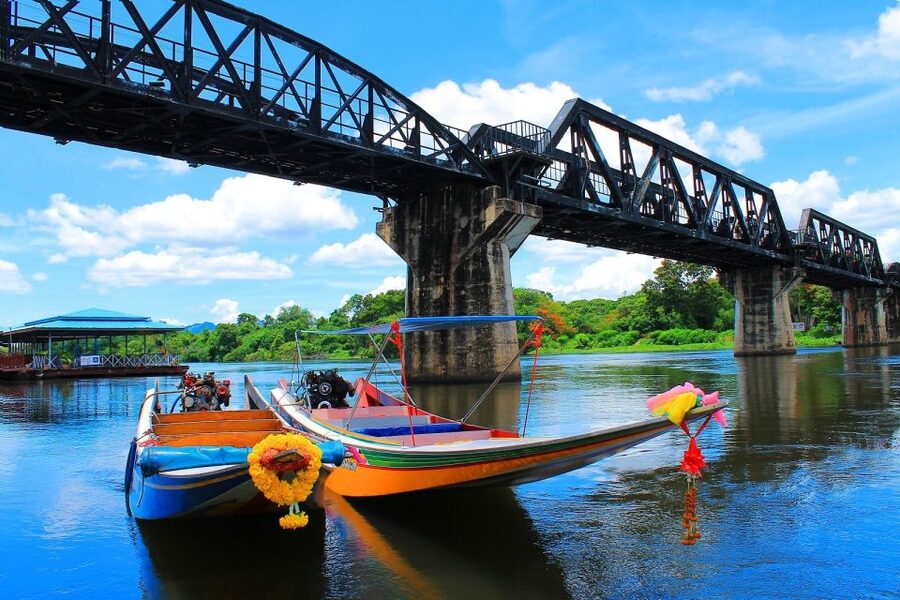
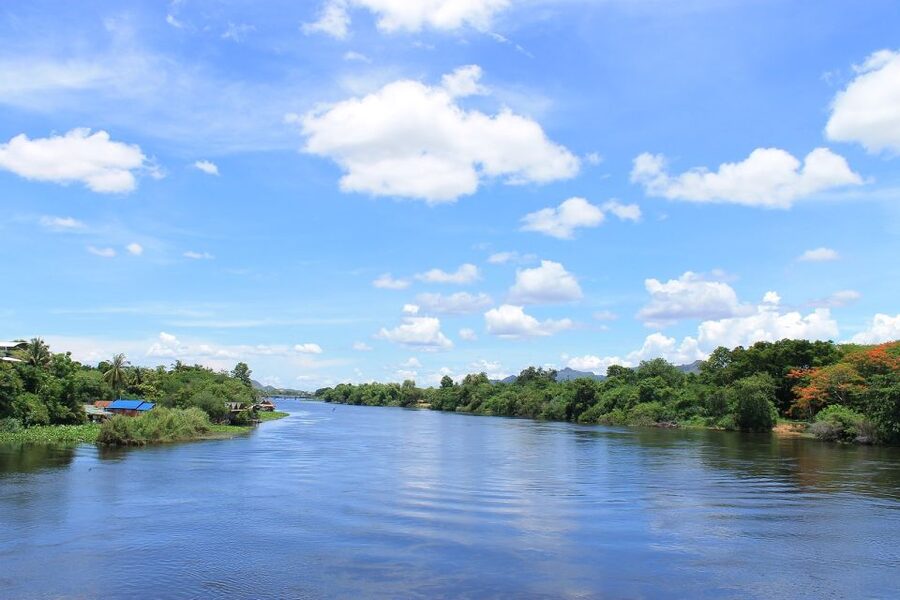
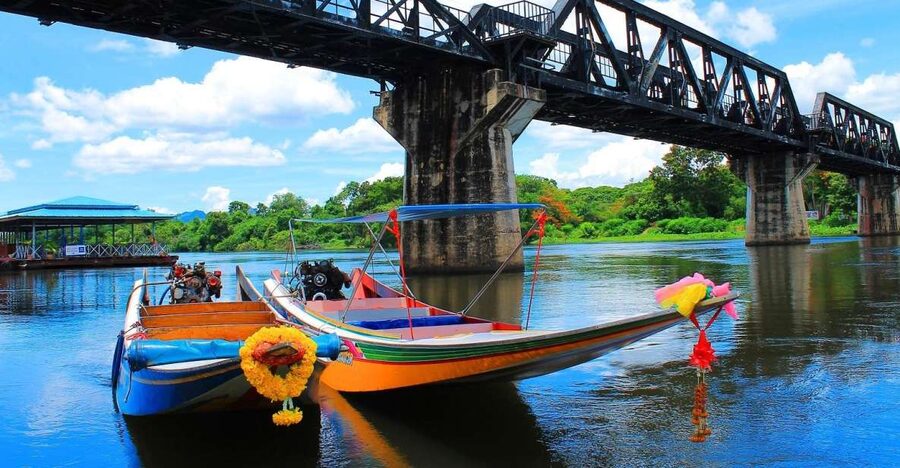
The bridge on the River Kwai is the day’s best-known sight. You have time to walk onto the bridge, take photographs, and look along the river corridor. If a train is scheduled to cross during your visit, you may also see it pass over the bridge.
The bridge is still part of an active railway route, so pay attention to your guide and railway staff. Do not treat the tracks like a casual walking path. The structure itself is interesting, but the setting is what gives it force: a working railway, the river below, and the knowledge that the original construction took place under brutal wartime conditions.
Some people would like more time here. That is understandable, especially if you want photographs without rushing. Still, the bridge is only one chapter of the day, and the tour needs to keep you on schedule for the train.
Do not expect an isolated historic ruin. This is a functioning piece of railway infrastructure. That makes the visit more immediate, but it also means you need to share the space and follow instructions.
Riding the original Death Railway track
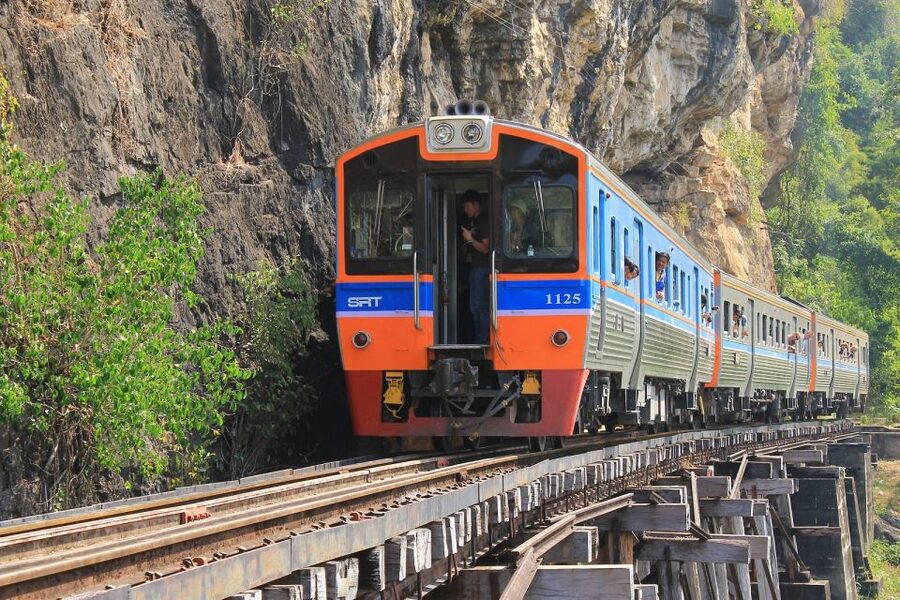
The train ride is the most scenic section of the day. You ride along part of the original Death Railway track, passing through rural Thailand and toward the more dramatic section near Tham Krasae.
The basic train fee, listed as THB 100, is included. It does not guarantee a seat, however. An assigned seat costs an additional THB 200 per person, payable on the train. If sitting together matters to you, or if you have mobility concerns, paying for the assigned seat is sensible.
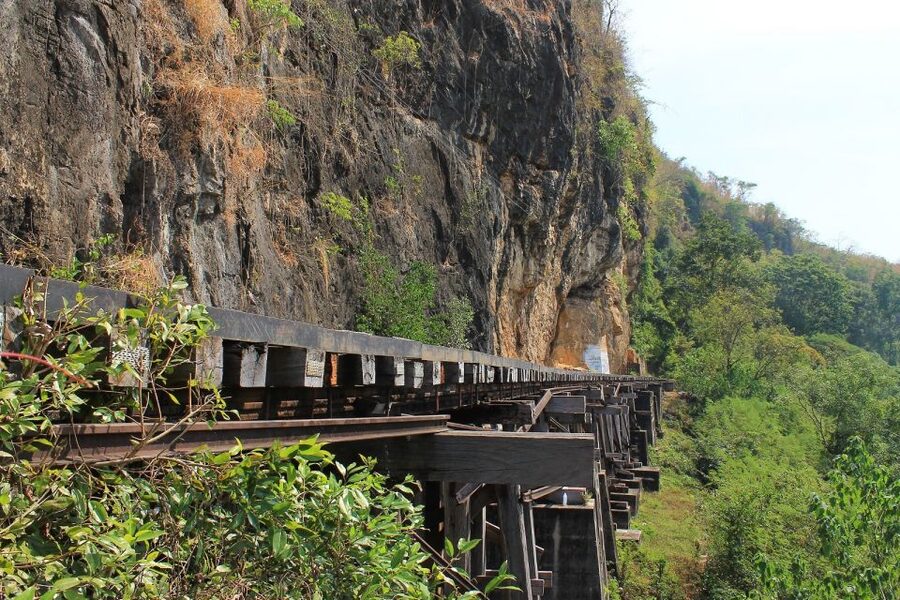
The ride lasts roughly an hour according to the timing described by the tour. You will see open countryside, the river, and the wooden viaduct section built along the rock face. The scenery is a welcome change after the solemn museum and cemetery, but it should not become a carefree amusement ride. The railway is inseparable from the suffering that created it.
The train can be busy. One useful tactic is to follow your guide’s instructions about where to board. One group was able to board near the last carriage and avoid paying extra for seats, but that depends on the day and the crowd. Do not count on having a particular side or carriage.
The wooden trestle near the river is the visual high point. Keep your camera ready, but also look beyond the window. The view gives you a sense of the difficult terrain and the engineering challenge, while the museum explains the human price paid to complete it.
Tham Krasae, the cave, and the railway viaduct
After leaving the train, the tour continues around the Tham Krasae section. You may walk along the track and see the wooden bridge beside the river. A nearby cave contains a Buddha image, making this part different from the memorials and museum earlier in the day.
The cave has uneven ground and can be muddy. Sensible footwear is more useful than sandals with a smooth sole. You do not need to go far into the cave to see the Buddha, so you can keep this stop short if the footing feels uncomfortable.
This section gives you time outside the van and train, but do not expect a long hike. It is a short sightseeing stop connected to the railway route. The river and surrounding countryside are especially attractive here, and this is where the day shifts from museum learning to direct contact with the countryside.
Lunch after the railway
Lunch is included, which adds real value to a long day. The meal is served after the train ride at a nearby restaurant, and the tour information describes it as a substantial meal with options. One account describes a clean, spacious restaurant with a choice of dishes, including suitable alternatives for someone who does not eat meat.
Some departures offer a basic included option and a buffet upgrade for a small extra payment. The basic meal is described as enough for most people, so you do not need to pay more unless you want the larger selection.
Lunch is also a sensible pause after the heat and walking. Keep water with you throughout the day, even when the vehicle provides refreshments. Kanchanaburi can feel much hotter than Bangkok, and the cemetery, bridge, and cave offer limited shade.
What $51 gets you
At $51 per person, this is a strong value if you want the major Kanchanaburi sights in one day. The price includes the air-conditioned van, English or Thai speaking guide, entrance fees, lunch, and the basic train fare. You avoid arranging several separate transfers and figuring out how to link the museum, cemetery, bridge, and railway.
The value is less convincing if you dislike long road journeys or prefer slow museum visits. You are paying for convenience and a connected story, not for extended time at each stop. A private trip might give you more control, but it would cost more and would not necessarily improve the historical explanations.
Small groups are a major advantage. Group size can vary, and one departure became a very small group, almost private in feel. Smaller groups help with questions, boarding the train, and staying together at the bridge and cemetery.
The optional assigned seat is the only clearly stated extra cost. At THB 200, it may be worth considering for peace of mind, but the included fare is enough if you are comfortable with a non-reserved train seat.
Free cancellation up to 24 hours before departure and a reserve-now, pay-later option make the booking flexible. Still, the practical issue is time. Plan for traffic delays on both the outward and return journey.
Who should book this day trip?
I would recommend this tour to you if WWII history, memorials, railways, and Thai countryside all appeal. It suits first-time visitors who want a guided introduction to Kanchanaburi without spending a night outside Bangkok.
It is also a good choice for solo visitors. The small-group format makes the long day easier, and guides often check that people are keeping up, have water, and know where to go next.
Families with older children may find the day educational, but the subject matter is painful and the road journey is long. Young children may struggle with the early start, three-hour drive, cemetery, and museum.
You should think twice if you want a relaxed day or dislike fixed schedules. The tour covers a lot, and some stops may feel short, particularly the cemetery and museum. History enthusiasts may prefer an overnight stay in Kanchanaburi so they can spend more time at each site.
Should you book the River Kwai tour?
Book it if you want the full Kanchanaburi story in one carefully arranged day. The cemetery, museum, bridge, train, viaduct, and lunch fit together well, and the included transport removes much of the hassle.
Go in knowing that the journey is long and the day can stretch beyond 10 hours. Pay THB 200 for an assigned train seat if that matters to you, wear sturdy shoes for the cave and railway area, bring sun protection, and leave your evening free.
For $51, the mix of transport, guide, entrances, lunch, and train fare is hard to fault. The trip is most rewarding when you treat it first as a memorial and history experience, and second as a scenic train ride.
FAQ
How long is the tour from Bangkok to River Kwai?
The advertised duration is 10 hours, but the day can run closer to 12 hours because of Bangkok traffic. The drive to Kanchanaburi takes about three hours each way.
What is included in the price?
The price includes lunch, entrance fees, an English or Thai speaking guide, transportation in an air-conditioned van, and the basic THB 100 train fare on the Death Railway track.
Is the train seat reserved?
No. The basic train fee does not guarantee an assigned seat. An assigned seat can be arranged for an additional THB 200 per person.
Where does the tour meet?
The main meeting point is BMP Bigcountry at River City Bangkok, 23 Charoen Krung Soi 24, Talad Noi, Sampantawong, Bangkok 10100.
Is hotel pickup available?
Optional pickup is available from Sukhumvit 1 to 39 and 2 to 26 at 6:00 AM, Khaosan at 6:00 AM, and the Silom area at 6:15 AM.
Which languages are available?
The tour offers live guides in English and Thai.
Which memorial sites are visited?
The tour visits the War Cemetery in Kanchanaburi and the Thailand-Burma Railway Centre.
Does the tour visit the River Kwai bridge?
Yes. You visit the bridge, have time for photographs, and may see a train pass across it depending on the railway schedule.
How long is the Death Railway train ride?
The train ride is described as lasting about an hour, including travel along the original Death Railway track toward the Tham Krasae area.
Can I cancel the booking?
You can cancel up to 24 hours before departure for a full refund. A reserve-now, pay-later option is also available.
Just added in Bangkok
- Bangkok: City Culture half-day Bike Tour★ 5.0 · 19 reviews
- Bangkok: A 4 Hours Tuk Tuk Sightseeing Tour Iconic Landmarks★ 4.3 · 8 reviews
- Bangkok: 2 Hours Grand Palace & Wat Pho Private Tour★ 4.9 · 15 reviews
- Bangkok: Muay Thai Boxing Class for Beginners★ 5.0 · 189 reviews
- Bangkok: 2 Temple Tour (Golden Buddha + Marble Temple)★ 3.6 · 88 reviews
- Bangkok: Baiyoke Observation Deck Ticket with Buffet Meal★ 4.2 · 188 reviews
- Ayutthaya: Private Boat Tour with Optional Temple Visits★ 4.6 · 102 reviews
- Bangkok: Chao Phraya Alangka Cruise at Icon Siam★ 3.8 · 36 reviews
River Kwai & Kanchanaburi Tours, compared.
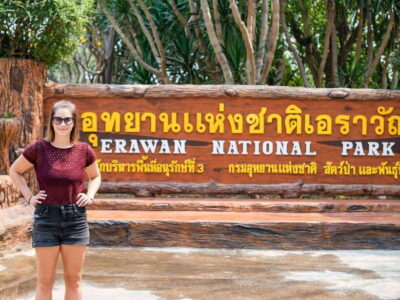
From Bangkok: Erawan Park & Kanchanaburi Small-Group Tour
Read our review →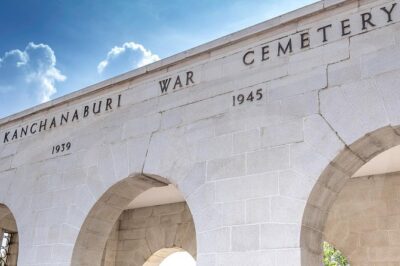
Bridge on the River Kwai and Thailand-Burma Railway Tour
Read our review →
Erawan Waterfalls and Bridge Over River Kwai Tour from Bangkok
Read our review →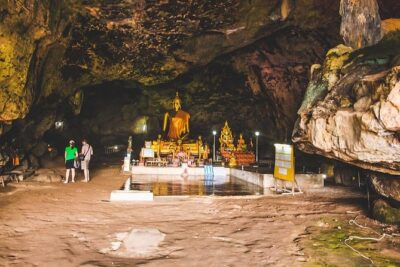
Erawan Waterfall and Elephant Care: Private Tour to Kanchanabur
Read our review →
Kanchanaburi Full Day Tour: River Kwai and Erawan Falls
Read our review →
Floating Markets and Bridge on River Kwai Tour from Bangkok
Read our review →
Private Tour to Erawan Waterfall and Boat Tour in Kanchanaburi
Read our review →
Samut Prakan: The Erawan Museum Admission Ticket (NON THAI)
Read our review →Browse the lists this tour appears in