
Reviewed · STREET FOOD & FOOD TOURS
Bangkok: Chinatown & Taladnoi Street Art Guided Walking Tour
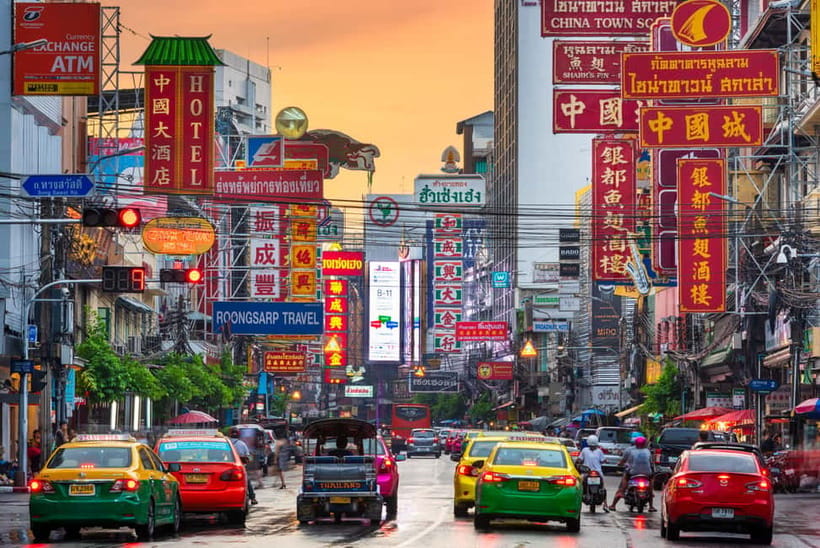
Bangkok’s Chinatown is best understood on foot, where grand temples give way to market lanes, old shop houses, shrines, and workshops. This walk takes you beyond Yaowarat’s neon signs into Talad Noi, a neighborhood shaped by Chinese immigration, trade, metalwork, and family life.
I like the mix of sacred places and everyday Bangkok. You get Wat Mangkon’s strong Chinese religious atmosphere, the story of the Golden Buddha, and the small details of market life. I also like that the walk ends at River City Bangkok, giving you a useful place to stop for lunch or continue along the Chao Phraya.
The main drawback is the four-hour walk in Bangkok heat. Streets can be crowded, surfaces uneven, and some stops are best appreciated by people who enjoy history and local detail rather than a quick checklist of famous sights.
Key points to know before booking
- Start at MRT Wat Mangkon Exit 3: This makes the meeting point easy to reach by Bangkok’s subway.
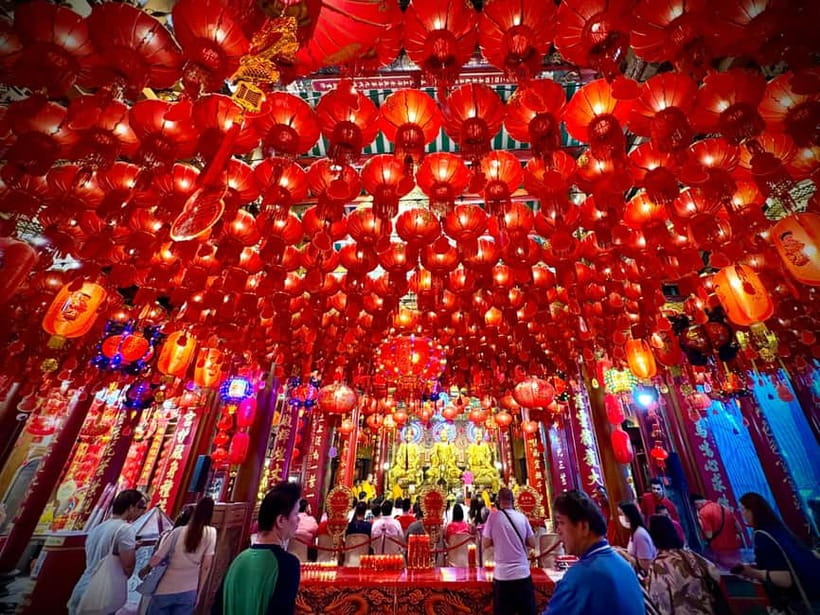
- See Chinatown from the inside: Expect temples, food markets, incense, shrines, old streets, and stories of Thai-Chinese communities.
- Talad Noi adds a different mood: Old ironworks lanes, community buildings, street art, and small shrines replace the bright commercial feel of Yaowarat.
- Guides shape the experience: Jenny, Nok, Mai, Jib, Mariyah, Ploy, and others have been praised for clear explanations, patience, flexibility, and friendly help.
- The walk ends by the river: River City Bangkok is a practical finish for lunch, galleries, or a boat ride.
- Plan for the weather: Wear light clothes and comfortable shoes, and bring sun protection and water.
Why this walk works better than a Chinatown photo stop
A quick visit to Yaowarat can leave you with bright signs, crowded food streets, and a few temple photographs. This tour gives those sights a story. You learn why Chinese communities settled here, how trade shaped the neighborhood, and how religious life fits between old commercial buildings.
That context matters in Bangkok. The city can change from a grand shrine to a tiny family altar within a few steps. Without a guide, you may see the objects but miss their place in local life. The English-speaking guides on this walk explain what you are seeing and help you notice details that are easy to pass by.
The tour also moves beyond the best-known Chinatown streets. The contrast between Yaowarat and Talad Noi is one of its strongest features. Yaowarat feels commercial and energetic, while Talad Noi has a more residential character, with narrow lanes, old structures, art, and remnants of its metalworking past.
The price is $19 per person, which is good value for four hours if you want more than a self-guided stroll. A bottle of water and a licensed English-speaking guide are included. Meals, snacks, entrance charges if applicable, and personal purchases are not included, so keep a little cash available for food or drinks along the way.
More Food Tours in Bangkok
- Bangkok: Backstreets Food Tour with 15+ Tastings
★ 4.9 · 2,880 reviews - Bangkok Backstreets Food Tour with 15+ Tastings
★ 5.0 · 1,926 reviews - Bangkok: Michelin Guide Street Food Tour by Tuk Tuk
★ 4.4 · 1,274 reviews
Starting at Wat Mangkon and entering Yaowarat
You meet at MRT Wat Mangkon Exit 3. That is a sensible starting point because the subway avoids Bangkok traffic and places you right beside the Chinatown area. A hotel pickup option is also available for an additional cost. If you choose it, wait in your hotel lobby at least five minutes before the arranged time. The guide holds a sign with your name.
The walk begins around Wat Mangkon Kamalawat, one of Bangkok’s major Chinese Buddhist temples. This is not just an attractive building for photographs. It is a working place of worship and a center of Chinese spiritual life, with incense, statues, altars, and visitors making offerings.
Your guide can help you understand the mixture of traditions here. Thai-Chinese neighborhoods often bring together customs that may seem separate at first glance. A guide also helps you behave respectfully, especially when entering temple areas or passing people at prayer.
The opening section is a good introduction to the tour’s pace. You are walking, stopping, listening, and looking closely rather than moving from one large attraction to the next. Wear shoes you can manage for several hours and light clothing that suits Bangkok’s heat.
Markets, incense, and the Tian Fah Foundation Hospital
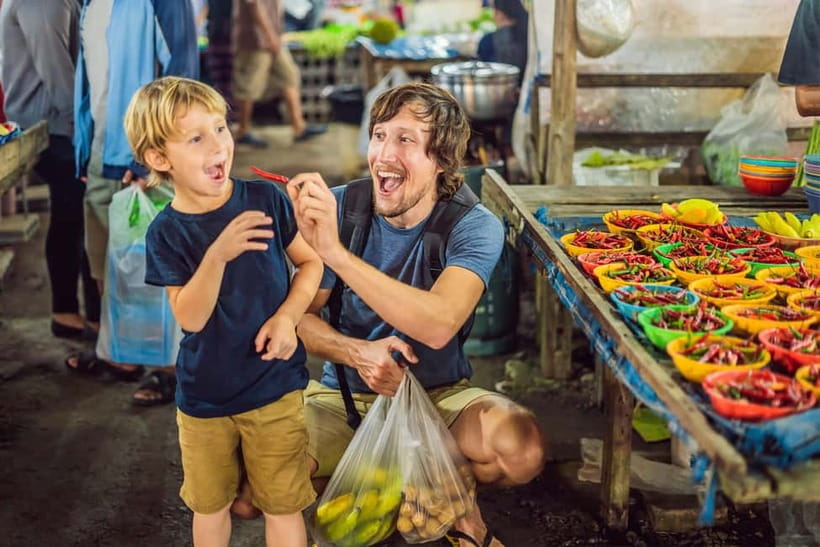
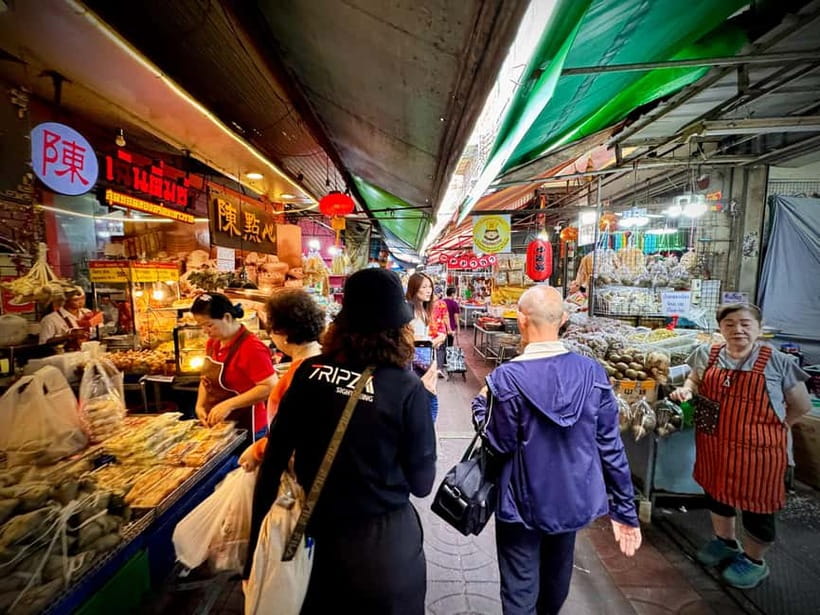
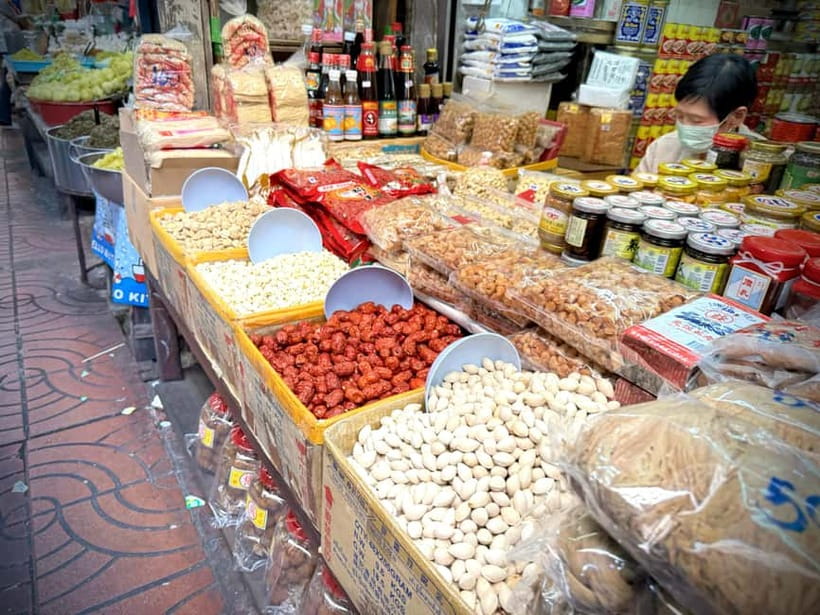
From the temple, the route continues through a morning market. This is one of the most useful parts for people who want ordinary local life rather than a polished sightseeing area. You may see food, incense, shop goods, and the daily work of vendors packed into a lively urban setting.
Food is part of the experience, but this is not a food tour. The cost does not include meals, and the main purpose is to understand the neighborhood. If you see something appealing, ask your guide about it. Guides such as Jib have been praised for helping with market situations, which can make unfamiliar stalls less intimidating.
The Tian Fah Foundation Hospital adds another layer to the Chinatown story. It was Thailand’s first Chinese charitable hospital, linking the area’s immigrant communities with mutual aid and public service. This stop shows that Chinatown was not only a place of buying and selling. It was also a community that created institutions to care for its own people.
This is where a local guide earns the fee. The buildings and street scenes may be interesting on their own, but the connection between immigration, commerce, religion, and charity gives the neighborhood shape. Guides including Jenny and Nok have been praised for explaining Thai-Chinese culture in a clear, friendly way.
The Golden Buddha at Wat Traimit
The story of the Golden Buddha at Wat Traimit is one of the tour’s better-known historical moments. Your guide explains the tale of how the statue’s true material was revealed, bringing attention to one of Chinatown’s most famous religious treasures.
This stop works well even if you already know the basic story. The guide can place Wat Traimit within the wider setting of Yaowarat and explain why the temple matters to both worshippers and visitors. It is also a useful pause in the route, since the large landmark gives you a sense of how Chinatown’s religious sites connect with its busy streets.
Do not expect every stop to be a long temple visit. The tour covers a broad area in four hours, so some places are viewed briefly or from the outside. That is a fair trade if you want to connect several neighborhoods in one morning, but it may disappoint you if you prefer extended time inside each temple.
More eating your way around Bangkok:
- Old Siam Bangkok Food Tour with 15+ Tastings
★ 5.0 · 867 reviews - Bangkok Authentic Tasting Thai-Chinatown Walking Food Tour
★ 4.9 · 852 reviews - Bangkok: Tuk Tuk Adventure Chinatown Michelin Food & Temples
★ 4.3 · 725 reviews - Bangkok Tuk-Tuk Tour by Night with Chinatown Street Food Meal
★ 5.0 · 635 reviews
Wat Pathum Khongkha and a quieter side of Bangkok
Wat Pathum Khongkha offers a change of pace. After the noise and movement of Chinatown, this temple feels more peaceful and connected to Bangkok’s royal past. The contrast helps you understand that the route is not simply a walk through one commercial district.
I like this part because it breaks up the sensory overload. Bangkok can be tiring when every street competes for your attention. A quieter temple gives you time to listen, take photographs, and consider how old religious places remain part of a modern city.
Your guide may also use this stop to explain how the area developed over time. The value is not only the building itself. It is the way the temple helps link the busy market district with the older communities beyond it.
Talad Noi’s ironworks alleys and community life
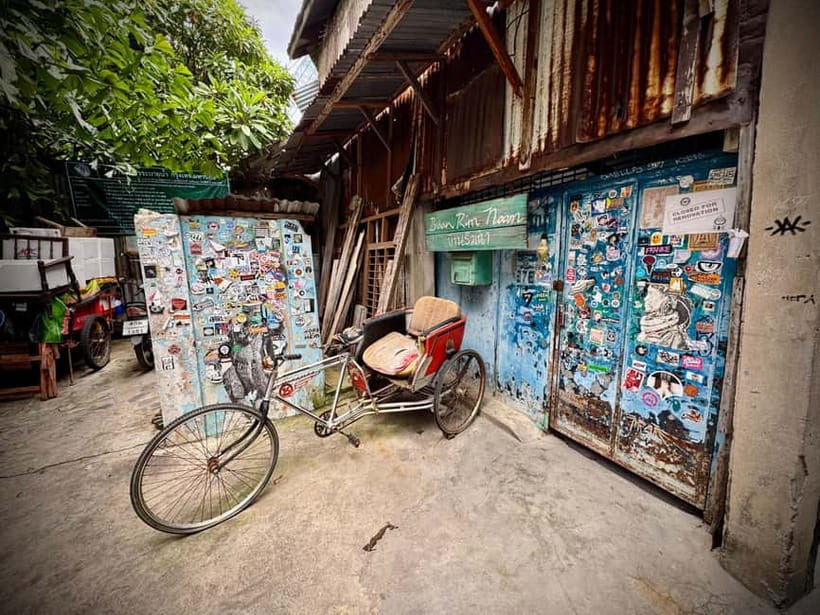
The walk then reaches Talad Noi, one of its most distinctive sections. The neighborhood is known for historic ironworks alleys, where Chinese craftsmen once made metal tools. You will see a part of Bangkok shaped by skilled manual work rather than only by temples, shops, and food stalls.
This industrial past gives Talad Noi a different identity. Old buildings and narrow lanes show how work and home life once sat close together. The area is not presented as a staged museum. You walk through a living neighborhood, so the experience depends on observing carefully and staying aware of residents and passing traffic.
The Talad Noi Community Museum helps make those details easier to understand. It offers a more focused look at local stories and the people who shaped the district. If you enjoy city history, this may be one of the most useful stops because it ties together immigration, trade, craft, and family life.
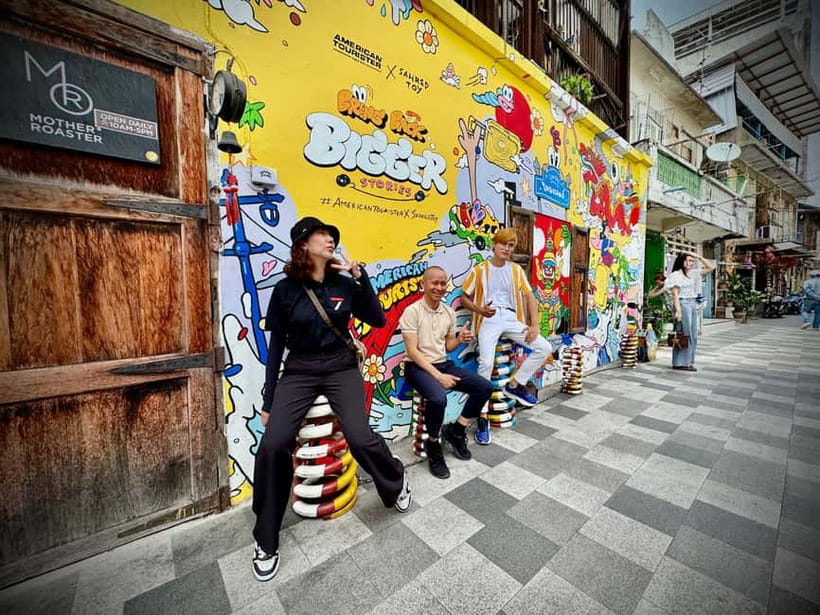
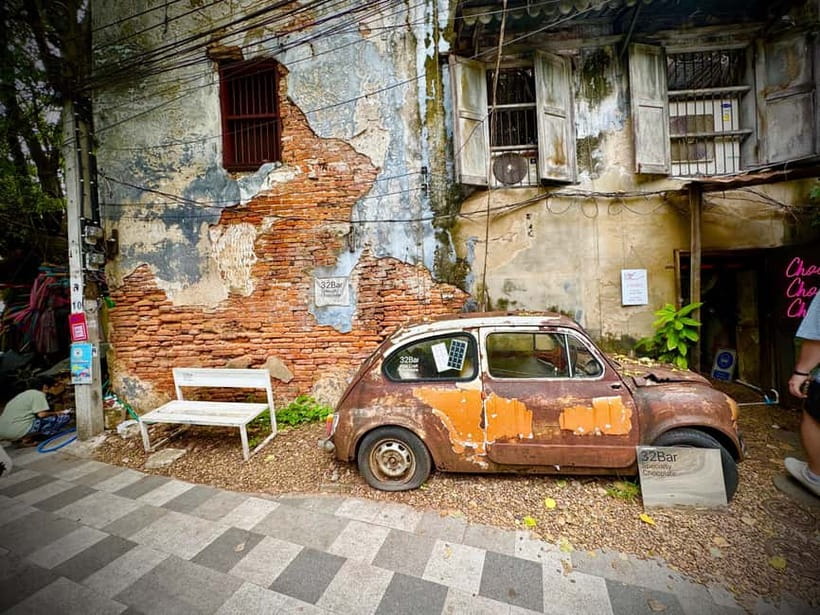
The walk also includes colorful street art and small shrines tucked between older buildings. These are good photo stops, but they are more meaningful when your guide explains how they fit into the neighborhood. Talad Noi works best when you slow down and notice the odd combinations: new artwork beside old walls, religious spaces beside workshops, and narrow lanes opening suddenly into broader streets.
What the guides add to the day
The strongest part of this experience is the guide’s role. The guides do more than point out buildings. They explain local history, answer questions, help with market customs, and adjust the walk to your interests when possible.
Jenny has been singled out for clear explanations, patience, and a warm manner, including with families and quieter children. Nok has been praised for explaining Thai-Chinese culture and the story of trade, commerce, and immigration. Mai has been described as friendly and flexible, while Jib has received praise for careful explanations and practical help at the market.
Mariyah, Ploy, and other guides may lead the route depending on the date. The exact personality of the tour will therefore vary. That is worth bearing in mind if you are booking because of one particular guide’s style. Still, the consistent strengths are clear: English-language explanations, friendliness, patience, and a willingness to adapt when the group’s needs change.
Some departures may feel especially personal if the group is small. One person described having what felt like a private tour, while another had the walk adjusted to personal preferences. You should not assume every departure will be private, but a small group can make it easier to ask questions and move at a comfortable pace.
Four hours in Bangkok heat
The stated duration is four hours, with about half the route in Chinatown and the other half in Talad Noi. That is enough time to cover a lot, but it is also a serious walk.
Wear comfortable shoes, a hat, and light clothing. Sunscreen is sensible, and the included bottle of water is welcome. Carrying your own water bottle is still a good idea. Bangkok’s heat can make a moderate walk feel longer, especially when you stop in open streets or wait near busy crossings.
This experience is not suitable for wheelchair users or pregnant women, according to the activity information. The route includes narrow streets and walking through active neighborhoods, so anyone with limited mobility should ask the provider for current route details before booking.
There is no meal included. You may encounter food along the way, but do not treat the tour as a guaranteed tasting program. Eat before the walk if you need a substantial breakfast, then use the market as a chance to ask questions or buy something that appeals to you.
Finishing at River City Bangkok
The tour ends at River City Bangkok beside the Chao Phraya River. This is a useful finish rather than an abrupt one. You can stop for a riverside lunch, continue exploring the building, or take a scenic boat ride.
Ending here also gives you choices. You might want a quieter afternoon after the four-hour walk, or you may be ready to keep sightseeing. The river location makes it easy to shift from Chinatown’s lanes to Bangkok’s wider waterside setting.
I appreciate tours that finish somewhere practical. You are not left at an anonymous corner with no clear next step. River City gives you a natural place to pause and plan the rest of the day.
Who should book this Chinatown walk
I would recommend this tour if you want cultural context, local stories, and a broad introduction to Chinatown and Talad Noi. It suits first-time visitors who want help finding their way, as well as returning visitors who have already seen the main Yaowarat streets.
It is also a good choice for families if everyone can manage the heat and walking. The guides have experience explaining things clearly and patiently, and the mix of temples, markets, art, and local history gives children different subjects to notice.
You may want a different experience if your priority is street food, shopping, or long temple visits. This tour includes those settings, but it is not designed around eating or buying. Its strength is the connection between places and stories.
The free cancellation policy allows you to cancel up to 24 hours ahead for a full refund, and you can reserve now and pay later. Those terms are helpful if your Bangkok plans are still shifting.
Should you book it?
Book this walk if you want to see Chinatown as a community rather than a backdrop for photographs. For $19, four hours with an English-speaking guide is strong value, especially because the route reaches Talad Noi and includes places you could easily pass without understanding.
Go prepared for heat, uneven walking, and a full morning of listening and looking. If that sounds appealing, meet at MRT Wat Mangkon Exit 3 and let the temples, markets, old workshops, shrines, and riverside finish show you a more layered side of Bangkok.
FAQ
Where does the tour start?
The standard meeting point is MRT Wat Mangkon Exit 3. A hotel pickup option is available for an additional cost, depending on the selected option.
How long does the walking tour last?
The tour lasts four hours. About 2.5 hours are allocated to Chinatown and about 2.5 hours to Talad Noi, including visits, walking, sightseeing, and free time.
Where does the tour finish?
The tour ends at River City Bangkok beside the Chao Phraya River.
Is a guide included?
Yes. A licensed English-speaking guide is included. Guides may include Jenny, Nok, Mai, Jib, Mariyah, Ploy, and others, depending on the departure.
Is food included?
No. Meals and personal expenses are not included. You may buy food during the walk, but this is not presented as a meal-inclusive tour.
What should I bring?
Wear comfortable shoes and light clothing. Bring a hat, sunscreen, and a water bottle. A bottle of water is included, but extra water can be useful in Bangkok’s heat.
Is the tour suitable for wheelchair users or pregnant women?
No. The activity information states that it is not suitable for wheelchair users or pregnant women.
More Walking Tours in Bangkok
- Bangkok: City Highlights Temple and Market Walking Tour
★ 4.5 · 3,990 reviews - Bangkok: Grand Palace and Wat Phra Kaew Guided Walking Tour
★ 4.4 · 2,417 reviews - Bangkok: Wat Pho and Wat Arun Guided Walking Tour
★ 4.6 · 1,720 reviews - Bangkok: Discover a Taste of Chinatown – 2 Hr Walking Tour
★ 4.2 · 152 reviews
More Street Art in Bangkok
- 2-hour Bangkok Old City Night CHOB TUK TUK + Talat Noi Street Art
★ 5.0 · 16 reviews
Just added in Bangkok
- re:leaf spa and massage★ 4.0 · 10 reviews
- Wonderful Pearl Dinner Cruise★ 3.5 · 27 reviews
- 3-Hour Bangkok Walking Tour: Wat Pho and Wat Arun★ 5.0 · 102 reviews
- Yoga in the Park Thailand★ 5.0 · 12 reviews
- Visit Wat Pho and Wat Arun with Local Expert★ 4.0 · 14 reviews
- White Orchid Sunset Dinner Cruise Calypso Ladyboy Cabaret Show★ 4.0 · 10 reviews
- Morning Buddhist Almsgiving, Grand Palace and Flower Market Tour in Bangkok★ 3.5 · 9 reviews
- Miracle Bangkok Airport Lounges – Relax Before You Fly★ 3.0 · 32 reviews
Street Food & Food Tours, compared.

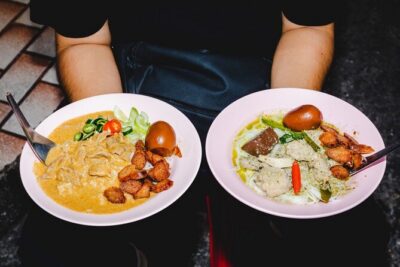
Bangkok: Backstreets Food Tour with 15+ Tastings
Read our review →
Southern Flavors Phuket Food Tour with 15+ Tastings
Read our review →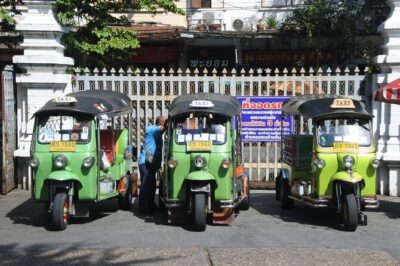
Bangkok: Michelin Guide Street Food Tour by Tuk Tuk
Read our review →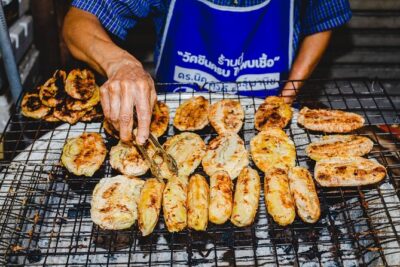
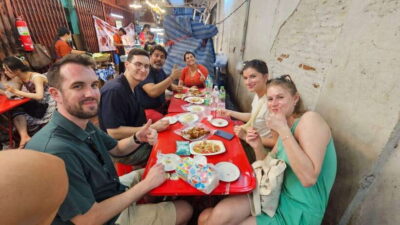
Bangkok Authentic Tasting Thai-Chinatown Walking Food Tour
Read our review →
Small-Group Chiang Mai Evening Street Food Tour
Read our review →
Bangkok: Tuk Tuk Adventure Chinatown Michelin Food & Temples
Read our review →Browse the lists this tour appears in