
Reviewed · ELEPHANT SANCTUARY VISITS
Phuket: Elephant Jungle Sanctuary Ethical Feeding Experience
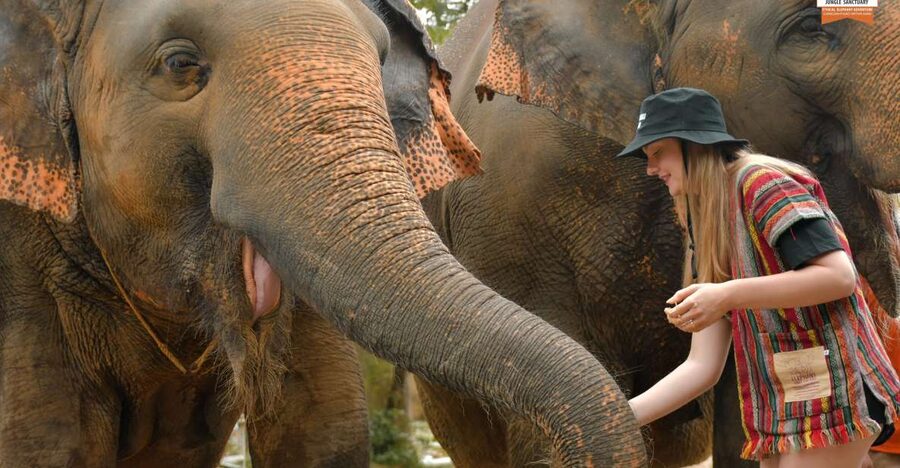
Feeding a rescued elephant by hand is the heart of this Phuket experience. You meet at Elephant Jungle Cafe, walk into the feeding area, and learn how to approach the animals before offering fruit or grass. The sanctuary presents its work as a non-riding, no-show operation, which is a far better starting point than a photo stop built around tricks.
I like the clear welfare rules and the fact that the session lasts only about an hour, leaving room in your day. I also like the practical touch of food supplied by the elephant vet, plus a cold soft drink afterward. The main limitation is simple: this is an introduction to elephant feeding, not a full-day sanctuary visit, and some visitors find the explanation brief.
Key points to know
- Feeding, not riding: The program does not include riding, bathing, or elephant performances.
- About one hour: You feed elephants and walk around the feeding area, rather than spending a whole day on site.
- Rescued elephants: The sanctuary explains that its elephants came from difficult situations such as circus work, logging, riding camps, and captivity.
- Good welfare briefing: Guides explain elephant behavior, personal boundaries, and which animals may or may not welcome touch.
- Easy value at $28: Food, entry, a guide, and one soft drink are included, but transportation is not.
- Useful timing choice: You can select an available starting time, and some sessions may be adjusted if you arrive early or late.
What the one-hour visit is really like
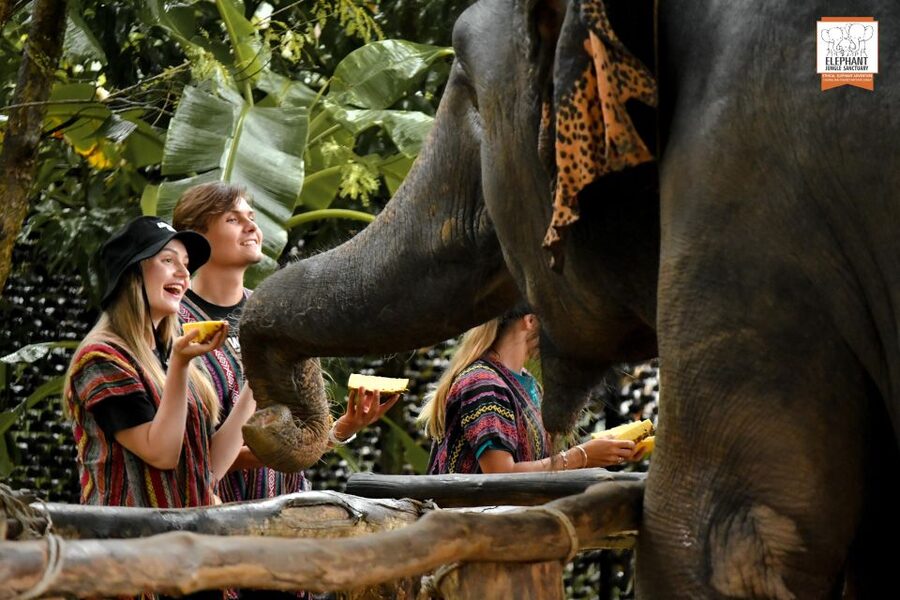
This is a short, focused encounter rather than a full sanctuary tour. You meet at Elephant Jungle Cafe, check in, and enter the sanctuary’s feeding area. The setting is described as a natural, open place where the elephants can move around, and the visit is built around watching and feeding rather than putting on a show.
The exact order may vary with the elephants and the scheduled time. The core pattern is consistent: a safety and welfare talk, food distribution, feeding, observation, photographs, and a drink at the end.
That short format matters. If you have a packed Phuket schedule, you can fit the experience into a morning or late-morning plan without giving up an entire day. If you want long walks, extensive education, or time watching elephants at a distance, you may find the session too limited.
More Elephant Sanctuaries in Phuket
- Phuket: Elephant Sanctuary Guided Tour with Hotel Transfers
★ 4.8 · 2,020 reviews - A Morning with the Elephants at Phuket Elephant Sanctuary
★ 5.0 · 1,693 reviews - Phuket: Elephant Experience with Lunch or Dinner and Pickup
★ 4.7 · 1,387 reviews
Meeting the elephants at Elephant Jungle Cafe
The meeting point is Elephant Jungle Cafe, not a hotel. That means you must arrange your own way there. Transportation is not included, so check the route and allow time to arrive before your selected start.
The cafe also gives you a place to get your bearings before entering the feeding area. One person noted that the waiting area was comfortable, and staff have sometimes helped people who arrived at a different time than planned. I would treat that as useful kindness, not a promise. Arrive on time rather than relying on a time change.
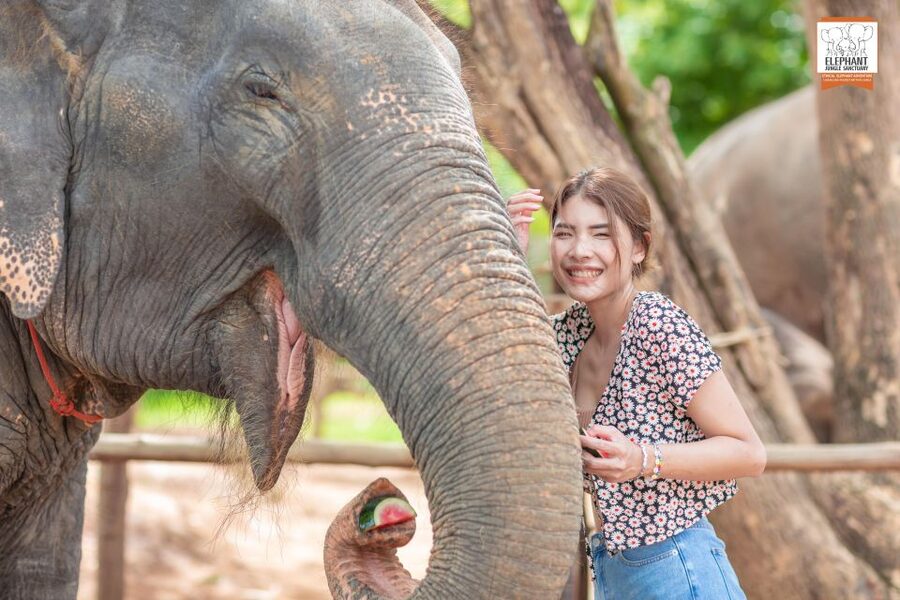
Once inside, expect a group setting rather than a private meeting with one elephant. You may feed more than one animal, and the food depends on what the elephants need at that time. Watermelon was used in one morning session, while banana leaves were given at another time. The supplied information also lists fruit or grass, provided by the elephant vet.
This detail is more important than it first sounds. Feeding is not simply a matter of handing over whatever you like. The food is selected and managed by the sanctuary team, which helps keep the activity controlled and appropriate for the elephants.
The welfare talk before the feeding
The briefing is one of the most valuable parts of the visit. Your guide explains how to act around the elephants, how to read their behavior, and when to keep your hands to yourself. Guides speak English and Thai, and named guides including Hannah, Michael, and Eddie have been praised for friendly explanations and useful answers.
You may learn about an elephant’s age, past, and temperament. The sanctuary has also explained that some animals are happy to be touched, while older or traumatized elephants may need more space. That is a good rule for any wildlife encounter: the animal sets the terms.
The guides also discourage behavior linked to past captivity. One guide specifically told the group not to encourage elephants that dance, since that action may reflect earlier training or mistreatment. This kind of instruction helps distinguish a welfare-based encounter from a performance dressed up as education.
The amount of information can vary by guide and group. Some sessions include a detailed introduction, while others offer only a short talk about the elephants’ ages and lives. If you care about the background of each animal, ask questions while you have the chance. The guides are there to answer them, and several have been praised for being open and patient.
Feeding fruit, grass, and banana leaves
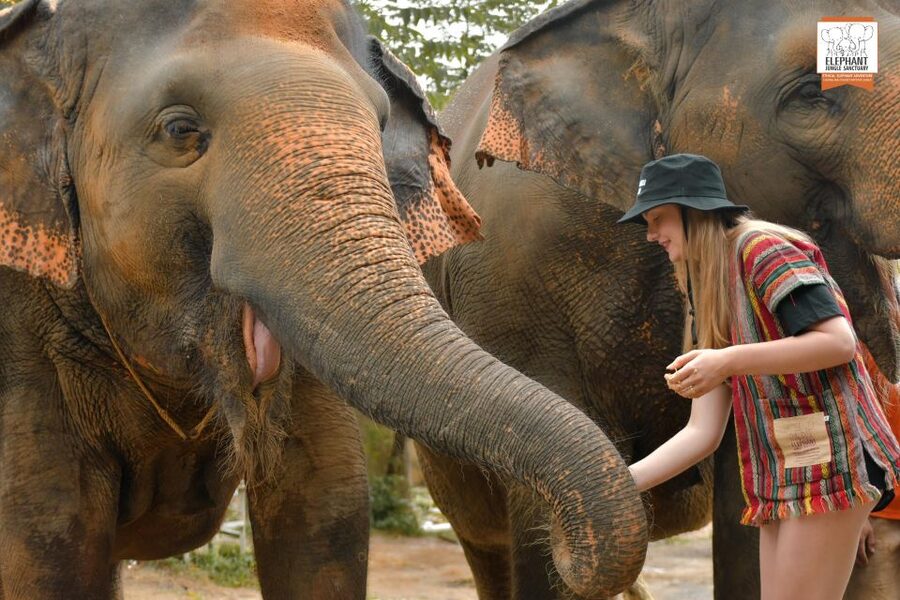
The feeding itself is wonderfully direct. You hold the food out and let the elephant take it, usually with its trunk. You feel the force and precision of that trunk at close range, while the guide manages the flow of people and food.
You may feed several elephants, depending on the group and the animals present. The encounter can include gentle touching, but it should not be treated as a petting zoo. Follow the guide’s instructions, keep your movements calm, and do not reach toward an elephant simply because it is nearby.
The food may be watermelon, fruit, grass, or large banana leaves. Timing affects what is served, so do not arrive expecting one particular item. The point is not the snack itself. It is the chance to observe how the elephants eat, how they respond to people, and how the sanctuary controls contact.
I like this arrangement because it gives you a real task without making the animals perform. The elephants are not asked to dance, pose on command, carry anyone, or provide a bathing show. They eat, move, and interact on their own terms as much as the setting allows.
Other sanctuaries you can visit from Phuket:
- From Phuket: Elephant Jungle Sanctuary Feed and Shower Trip
★ 4.8 · 1,056 reviews - Phuket:Beach walk with elephants, rain & care. 2.5 hours
★ 4.9 · 969 reviews - Phuket: Bukit Elephant Park Sanctuary Walk and Feed Tour
★ 4.9 · 926 reviews - Phuket Elephant Sanctuary Canopy Walkway Tour
★ 5.0 · 601 reviews
Why the ethical claims matter
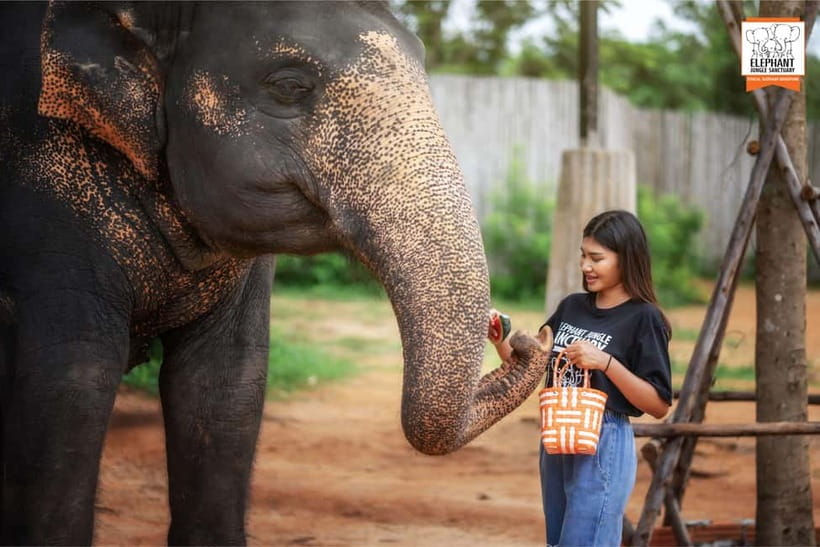
In Thailand, elephant tourism comes in many forms. A place may use the word sanctuary while still offering rides, shows, or bathing sessions that require close human control. Here, the advertised program is limited to feeding and observation, with no riding, bathing, or shows.
The sanctuary says its elephants have been rescued from circus work, logging, riding camps, and captivity. One account refers to 29 female elephants, while another describes about 60 acres where the animals can roam. These details help explain the sanctuary’s purpose, but they do not turn a short visit into a wild-elephant encounter. The elephants remain under human care and management.
For me, the strongest ethical signs are practical ones: food is provided by the elephant vet, staff explain which animals should not be touched, and guides discourage actions connected with previous training. You should still keep your expectations sensible. No visitor can judge every aspect of an animal-care operation during a one-hour visit, and the experience is still designed for paying visitors.
The best choice you can make is to follow the rules closely. Do not call an elephant over, make it repeat a behavior, or push for a better photograph. A good encounter is one where the animal does not have to entertain you.
Photos, contact, and personal space
You will have opportunities to take photographs during the feeding. Staff may help with pictures, and the close setting makes it easy to capture the elephant’s face, trunk, and feeding habits without needing a long lens.
Bring a camera or phone, but keep it secondary to the encounter. Your hat, sunscreen, and insect repellent are also worth packing. Phuket’s outdoor heat can make a short visit feel intense, especially while standing in an open feeding area.
Touching may be allowed with some elephants, but it is not guaranteed for every animal. The staff may tell you which elephants are comfortable with contact and which should be left alone. That can feel less exciting than unlimited petting, but it is the right compromise.
If you are visiting with children, this distinction matters. The experience can be memorable for a family, but children need to follow instructions closely and remain calm around large animals. The guide controls the encounter, not the most eager person in the group.
The final soft drink and the value of $28
At $28 per person, the price is reasonable for a short activity if you value a structured, welfare-focused introduction. Your fee includes entry, a guide, elephant food, and one soft drink. It does not include transportation, so your total cost will be higher if you need a taxi or other transfer.
The value is strongest for three types of visitors. You may be in Phuket for a short stay and want a responsible elephant experience without losing a full day. You may be comparing low-cost feeding sessions and want the basic essentials included. Or you may be traveling with people who prefer a simple activity with limited walking and clear staff guidance.
The value is weaker if you expect a large sanctuary tour, long time with the elephants, or an all-day program. The actual activity lasts about one hour. The booking may be valid for one day, but that does not mean you spend all day at the sanctuary.
The drink at the end is a small detail, but it works well. After standing in the heat and concentrating on the feeding, a cold soft drink gives you a few quiet minutes to look back at the photographs and the encounter.
Choosing your time and preparing well
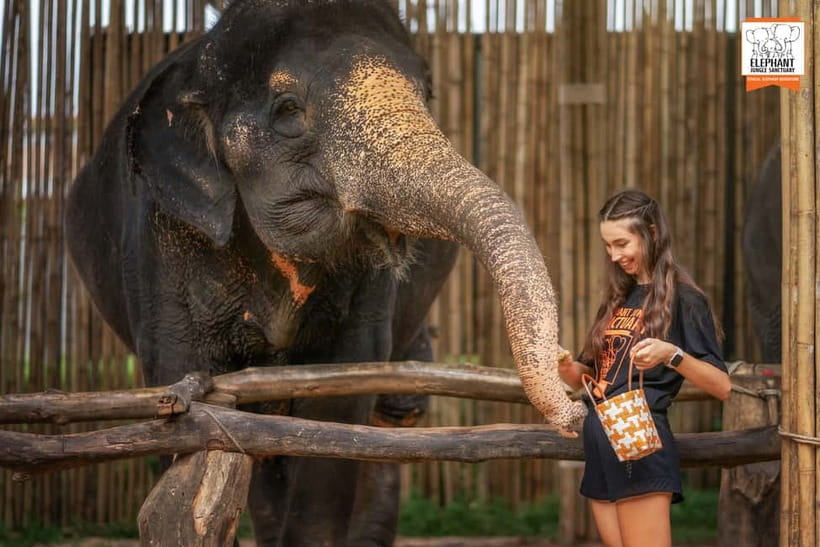
Starting times depend on availability, so check the schedule before booking. Morning sessions may offer fruit such as watermelon, while later sessions can involve different food. The exact menu is based on the elephants’ needs, not on a fixed promise to visitors.
Bring:
- A hat
- Sunscreen
- Insect repellent
- A camera
- Your passport, or an accepted copy
Wear something comfortable for an outdoor feeding area. The supplied information does not specify a dress code, but practical clothing and shoes are sensible for walking around the feeding area.
The activity is wheelchair accessible, which makes it available to a wider range of visitors. If you need specific assistance beyond that, confirm details when booking, since the visit involves movement around the feeding area.
The cancellation policy is useful for uncertain plans: you can cancel up to 24 hours before the activity for a full refund. You can also reserve now and pay later, which helps if your Phuket schedule is still changing.
Who should book this Phuket elephant experience
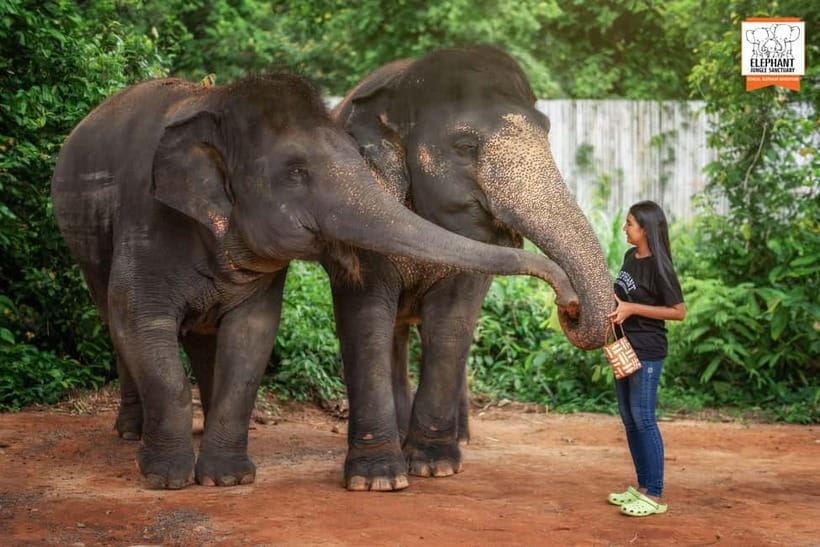
I would choose this program if you want a short, direct introduction to elephants with clear limits on contact. It suits couples, families, first-time visitors, and anyone who wants to avoid riding and animal shows.
It also works well as a morning or late-morning activity before another Phuket plan. You get time with the elephants, a basic lesson in their care, photographs, and a drink, without committing to a full-day excursion.
I would look elsewhere if your main goal is a long educational visit. The talk may be detailed with one guide and brief with another. The program does not promise a long nature walk, a full account of every elephant’s life, or hours of quiet observation.
If ethical treatment is your priority, pay close attention to the rules once you arrive. The strongest part of the experience is not simply feeding an elephant. It is learning when not to touch, when not to call an animal closer, and why certain trained behaviors should be left alone.
Should you book the Feed Me program?
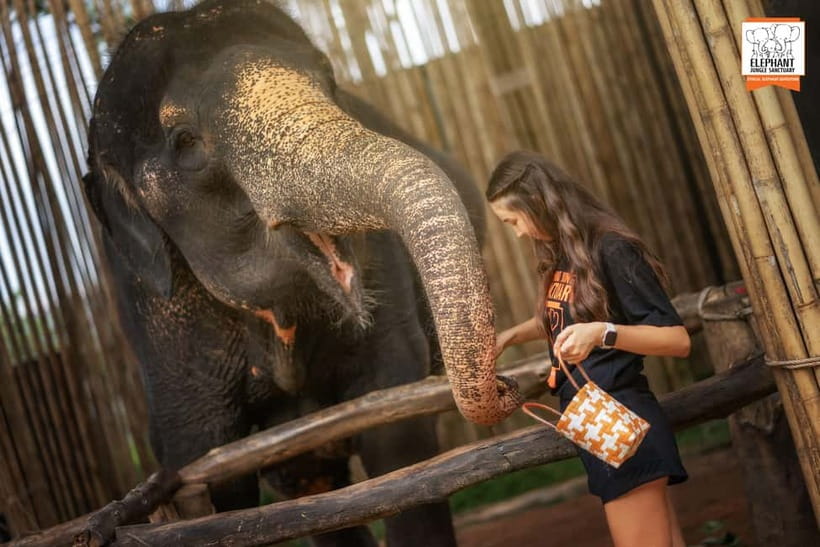
Book it if you want an affordable, one-hour encounter centered on feeding rescued elephants rather than riding, bathing, or performances. The $28 price covers the basic visit well, and the English or Thai-speaking guides add useful context.
Skip it if you want a full-day sanctuary program or dislike organized group activities. You will need to arrange your own transportation, and the educational portion may feel short.
For most people, this is a sensible Phuket elephant choice: brief, clear, and focused on food, observation, and welfare. Keep your expectations modest, respect the staff’s boundaries, and you are likely to leave with better memories than any elephant ride could provide.
FAQ
How long does the elephant feeding activity last?
The activity lasts about one hour. This includes feeding the elephants and walking around the feeding area.
What is included in the $28 price?
The price includes entry to Elephant Jungle Sanctuary Phuket, a guide, elephant food, and one soft drink.
Is transportation included?
No. You must arrange your own transportation to the meeting point at Elephant Jungle Cafe.
Can I ride or bathe the elephants?
No. This Feed Me program focuses on feeding and observation. It does not include elephant riding, bathing, or shows.
What food will I give the elephants?
The elephant vet provides the food. It may include fruit or grass. Examples used during sessions include watermelon and large banana leaves.
Which languages are available?
The live guides speak English and Thai.
Can I touch the elephants?
Touching depends on the individual elephant and the guide’s instructions. Staff explain which elephants may welcome touch and which should be left alone.
Is the activity wheelchair accessible?
Yes. The activity is listed as wheelchair accessible.
Can I cancel my booking?
Yes. You can cancel up to 24 hours in advance for a full refund. The reserve-now, pay-later option is also available.
Just added in Phuket
- Bang Tao Beach: Group Or Private Surf Lessons★ 4.7 · 18 reviews
- Amazing Coral Island & Sunset Dinner with Power Catamaran★ 4.4 · 9 reviews
- Phuket to Similan Islands Snorkeling Tour★ 4.0 · 40 reviews
- Similan Islands Snorkeling Day Tour from Phuket★ 4.0 · 86 reviews
- 60 Minutes Private Mood Massage in Phuket★ 5.0 · 183 reviews
- Phuket: Elephant Nature Reserve Entry Ticket and Guided Tour★ 4.9 · 223 reviews
- World B+ (Zipline 18 Platforms + Roller + Sky Walk with World Set Menu )★ 5.0 · 218 reviews
- Phuket: Speedboat Day Trip to Phi Phi and Maya Bay★ 4.3 · 230 reviews
Elephant Sanctuary Visits, compared.
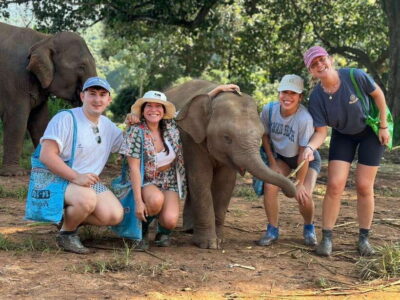
Chiang Mai: Elephant Sanctuary, Waterfall & Bamboo Rafting
Read our review →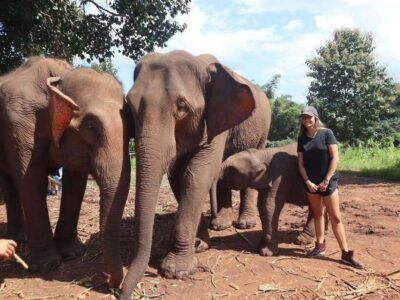
Chiang Mai: Elephant Sanctuary & Waterfall Group Tour
Read our review →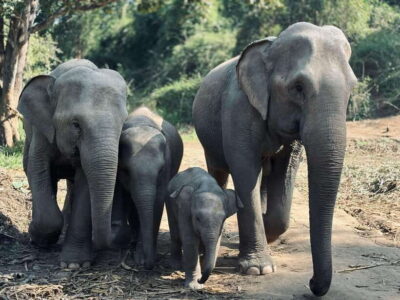
Chiang Mai: Elephant Sanctuary Feeding Program Half-Day Tour
Read our review →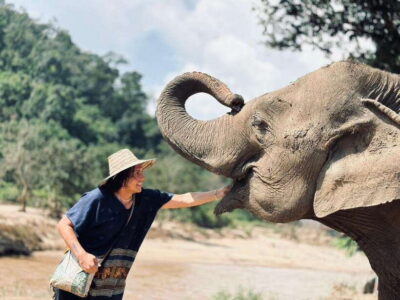
Chiang Mai: Elephant Sanctuary, Long Neck & Sticky Waterfall
Read our review →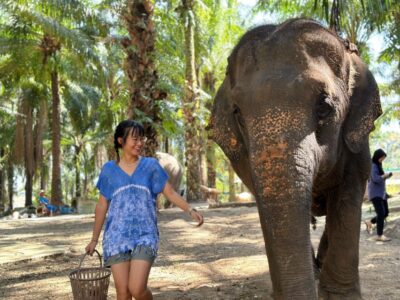
Krabi: Elephant Bathing Session at Krabi Elephant Shelter
Read our review →
Phuket: Elephant Sanctuary Guided Tour with Hotel Transfers
Read our review →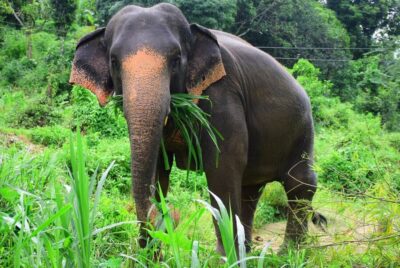
From Chiang Mai: Elephant Care Program and Nursery Tour
Read our review →
A Morning with the Elephants at Phuket Elephant Sanctuary
Read our review →Browse the lists this tour appears in