
Reviewed · ELEPHANT SANCTUARY VISITS
Krabi: Love Elephant Sanctuary Tour
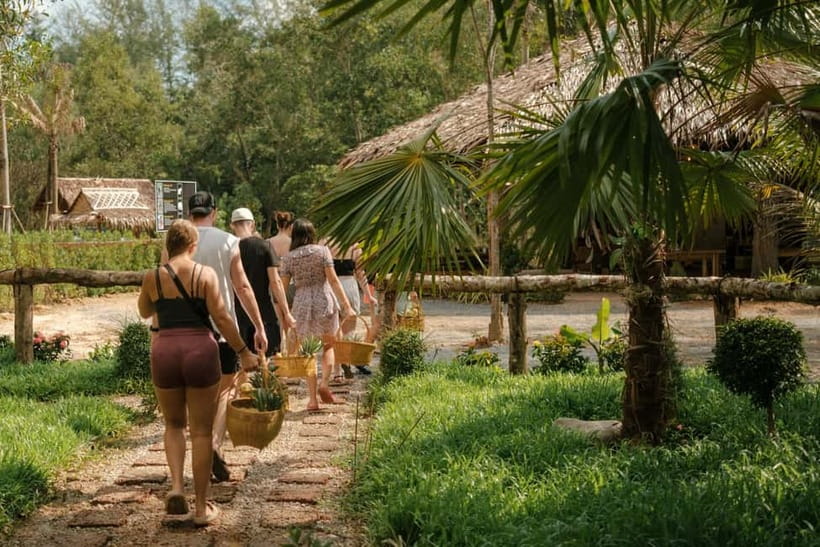
At Love Elephant Sanctuary, the highlight is not simply seeing elephants. You help prepare their food, mix herbal medicine, cover them with mud, and wash them afterward. Tuki, the owner and guide, gives the visit a warm, personal feel and explains how to approach each animal. I like the hands-on work and the clear focus on care rather than riding or performances.
I also like that the tour lasts two hours, long enough for feeding, bathing, and questions without turning into an all-day commitment. Hotel pickup from Ao Nang, snacks, fruit, drinks, and a locker make the $51 price easier to justify. The main consideration is that some time slots can feel busy around a small number of elephants, so this may not feel private every day.
Key points
- Hands-on care: Prepare fruit, feed the elephants, make herbal medicine, and help with mud bathing.
- No riding: The program is built around observing and caring for elephants, not sitting on them.
- Tuki’s personal guidance: The owner explains the animals’ backgrounds, personalities, behavior, and care.
- Two-hour format: You get the main activities without committing to a full-day outing.
- Ao Nang pickup: Round-trip hotel transfer, a locker, snacks, fruit, and drinks are included.
- Prepare to get dirty: Wear clothes and shoes that can handle mud, and bring a change of clothes.
Meeting the elephants near Ao Nang
This is a short, active sanctuary visit rather than a distant wildlife excursion. Pickup is included from hotels in Ao Nang, and the sanctuary is about a 10 to 15 minute drive from the Krabi and Ao Nang area, according to the practical details shared by recent visitors.
You are asked to wait in your hotel lobby 10 minutes before pickup. Look for a Love Elephant Sanctuary Krabi van, with staff wearing shirts carrying the same logo. Pickup arrangements can vary, so I would contact the sanctuary through WhatsApp if you have not received a time. One visitor arranged pickup from a resort outside the usual listed area by messaging ahead.
The tour runs every day from 8:00 AM to 4:00 PM. Booking at least three hours ahead is recommended. The early start can be useful in Krabi’s heat, and the sanctuary’s two-hour program fits neatly into a morning or afternoon without taking over your day.
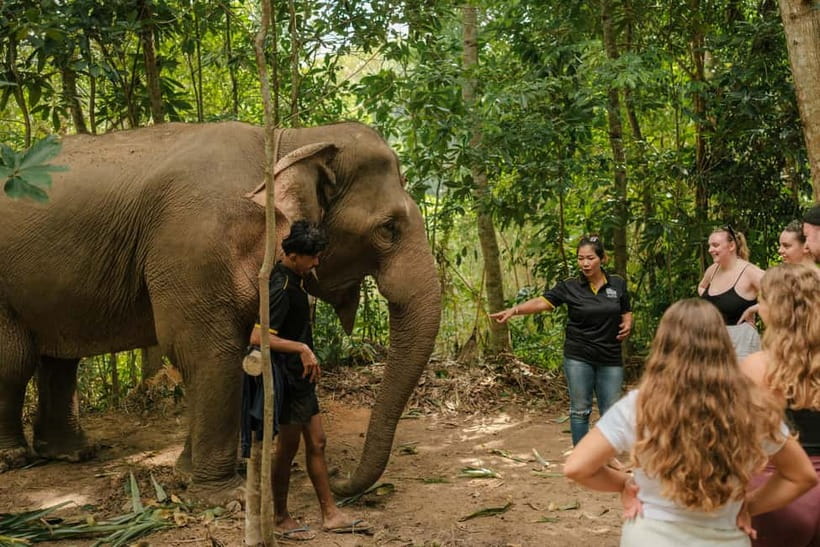
Once you arrive, the guide introduces the elephants and explains how to behave around them. This first briefing matters. Elephants are large, strong animals, even when they appear calm and gentle. You are shown how to interact in a controlled way, and the keepers watch the animals closely.
Other sanctuaries you can visit from Krabi:
- Krabi: Elephant Bathing Session at Krabi Elephant Shelter
★ 4.9 · 2,021 reviews - Krabi: Elephant Care House Guided Tour with Hotel Transfers
★ 4.7 · 543 reviews - Chiang Mai: Elephant Sanctuary, Waterfall & Bamboo Rafting
★ 4.9 · 9,160 reviews
Ancient tools and the elephants’ working past
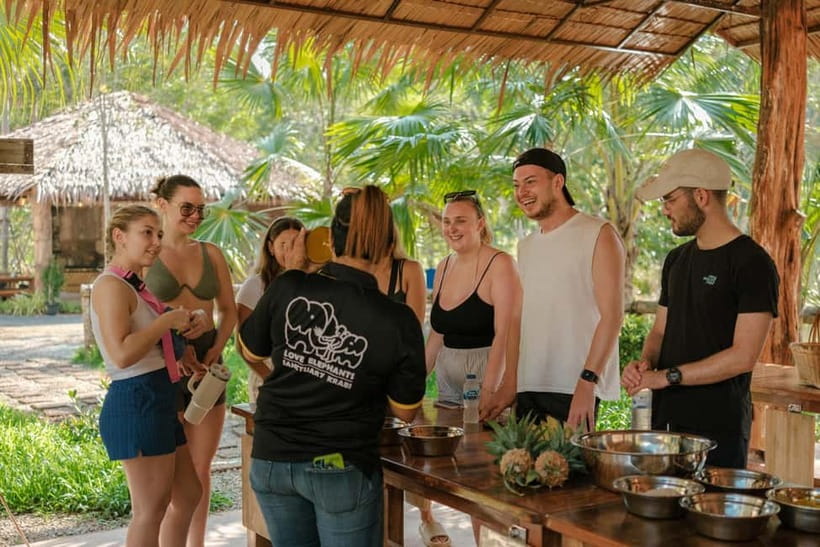
One of the quieter parts of the visit is the demonstration of ancient tools used with elephants. This gives the tour some context before the more playful activities begin.
The tools point to the long working relationship between people and elephants in Thailand. The sanctuary also explains the individual stories of the elephants, including their earlier working lives. That background helps you see the animals as individuals with different histories and personalities, rather than as props for photographs.
The amount of detail can depend on the guide and the group. Tuki is often described as funny, direct, and deeply committed to the elephants, while the English and Thai-speaking staff help answer questions. You can ask about behavior, care, and why a particular elephant reacts in a certain way.
This is also where you can judge the tone of the sanctuary for yourself. The stated rules do not allow riding, and the activities center on food, care, mud, and washing. Recent visitors repeatedly noted that the elephants appeared calm, had room to move, and were handled with care. That does not remove every question you may have about elephant tourism, but the program avoids the most obvious form of exploitation: putting people on the animals’ backs.
Preparing fruit and feeding the elephants
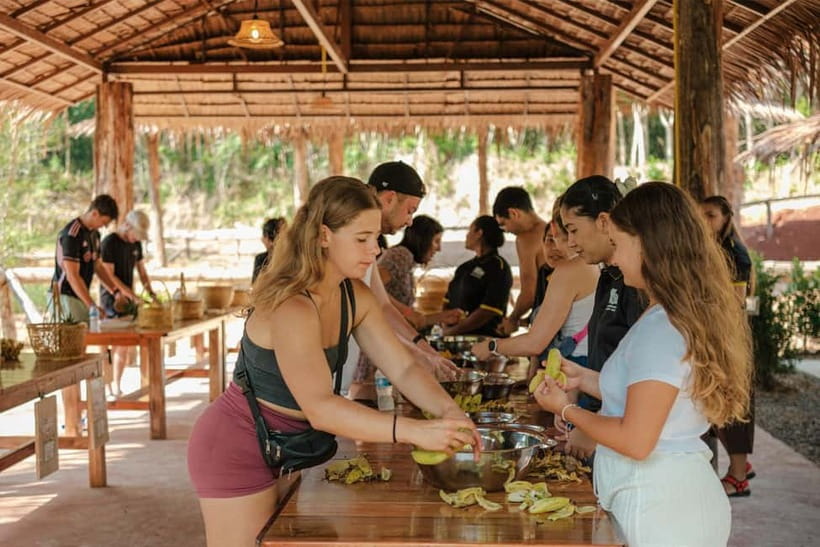
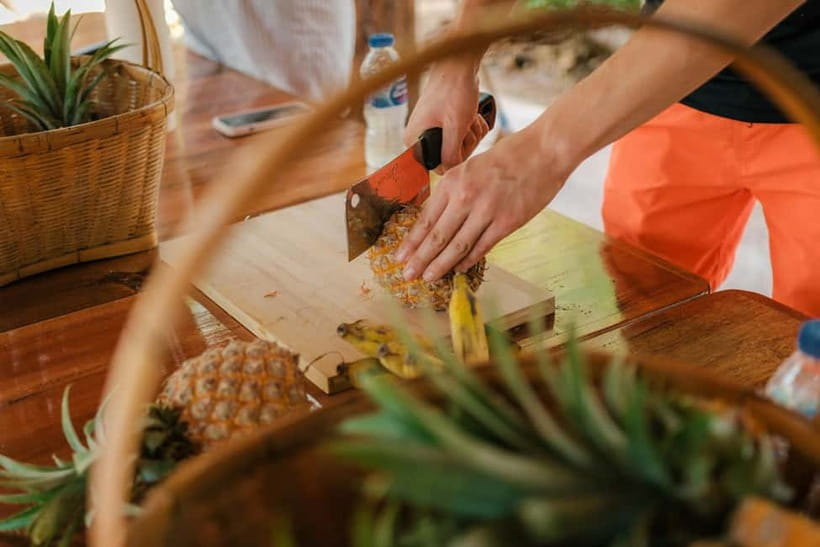
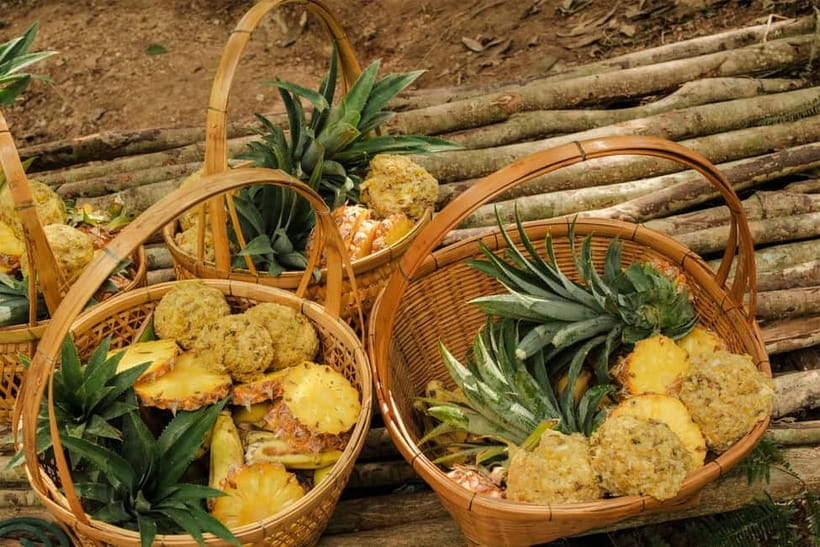
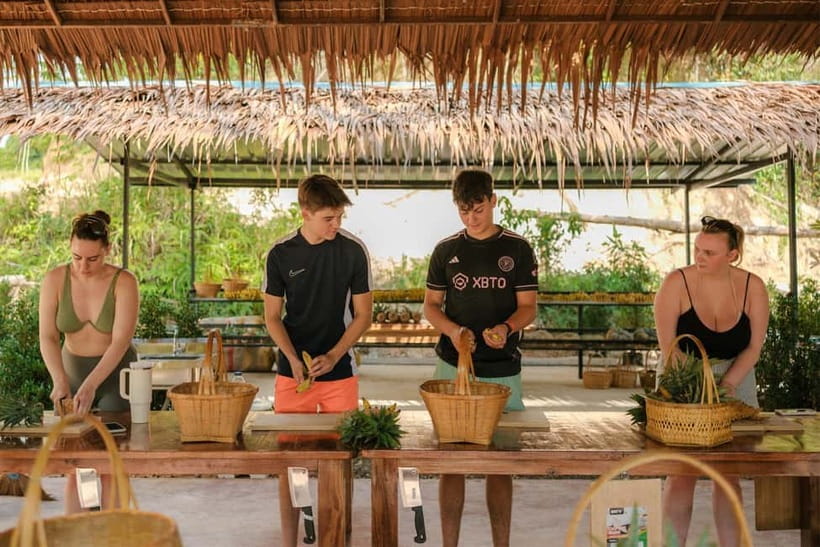
The first hands-on task is preparing fruit for the elephants. You help get the food ready, then offer it to the animals under staff direction.
Feeding is an easy way to begin because it lets you watch the elephants’ faces, trunks, and habits from close range while still having a simple job to do. You will quickly see how strong and precise a trunk can be. You should also pay attention to instructions about where to stand and how to offer food.
The food preparation gives the activity a useful purpose. You are not only posing beside an elephant. You are taking part in one small piece of daily care. The sanctuary says visitor income helps pay for food, vitamins, and water, so the fee connects directly with the animals’ basic needs.
A practical warning: do not carry bananas in your bag. One person found that the elephants could smell them, which is both funny and a good reminder that food can attract attention before you are ready.
The number of elephants and the group size can change. Several accounts describe small groups, while another notes that there were only two elephants at the time and quite a few people around them. If you want the most personal encounter possible, ask about the expected group size when booking, but understand that the sanctuary cannot promise the same setup on every date.
Making herbal medicine for elephant care
The herbal medicine activity adds a different layer to the visit. Instead of feeding or washing, you help prepare a remedy intended for the elephants.
The exact recipe and ingredients are not specified, so you should expect a demonstration and guided preparation rather than a medical lesson. The value is in seeing another side of sanctuary work. Caring for elephants involves more than keeping them fed. It also means paying attention to health and comfort.
This is a good moment to slow down and listen. The mud bath and washing are the photogenic parts, but the herbal medicine shows that the sanctuary wants you to understand the less visible work as well.
If you have limited mobility, back problems, or are pregnant, this activity is not considered suitable. The tour is also not suitable for children under three or wheelchair users. Those limits are important because the visit involves outdoor movement, mud, water, and close contact with large animals.
Same base, a different sort of day:
- Krabi: Hong Islands Day Trip by Speedboat with Lunch
★ 4.5 · 3,952 reviews - Krabi: Tiger Cave Temple, Emerald Pool and Hot Springs Tour
★ 4.8 · 3,616 reviews - Krabi: 7 Islands Sunset Tour with Buffet Dinner & Snorkeling
★ 4.3 · 2,916 reviews - Krabi: Kayak Adventure through Ao Thalane Mangrove Forest
★ 4.6 · 2,024 reviews
The muddy spa: fun, messy, and very hands-on
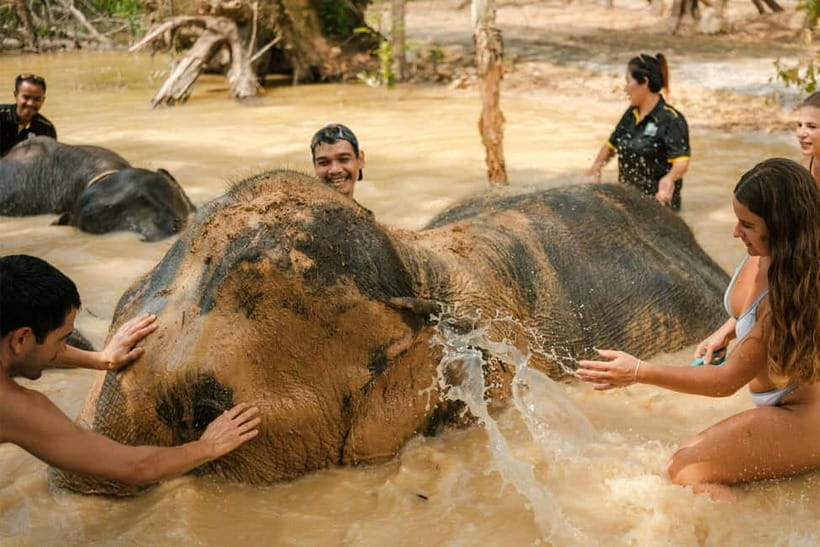
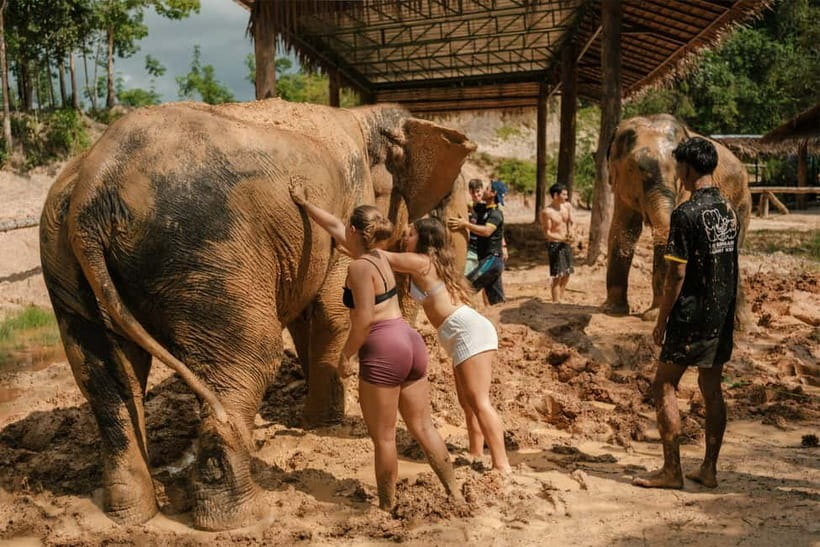
The mud bath is usually the part people remember most. You help cover the elephants with mud, following directions from the keepers and guide.
This is not a polished zoo-style presentation. Expect wet hands, stained clothes, and a good chance of splashes. The sanctuary specifically advises wearing clothes that can get dirty and bringing a complete change of clothes. Comfortable outdoor clothing, shorts, and shoes that can handle mud are sensible choices.
The mud activity also gives you a chance to watch the elephants’ reactions. Staff members read their behavior and guide the group according to the animals’ comfort. Several visitors felt safe because the keepers paid close attention and understood the elephants well.
Still, you should not assume the animals will behave like trained photo partners. They may move, turn, or lose interest. That is part of the point. The best approach is to follow instructions, avoid crowding them, and accept that the elephant’s needs come first.
Rain does not necessarily ruin the experience. Mud is already part of the plan, and one visitor found the tour enjoyable in wet weather. You should still expect the ground and your clothing to become messy.
Washing the elephants afterward
After the mud, you help bathe and scrub the elephants. This usually takes place around water, and it is the most interactive part of the two-hour program.
The transition from mud to washing gives the visit a clear rhythm. First you prepare food, then feed the animals, learn about care, get involved with the mud treatment, and help clean them. You are not left wondering what happens next.
Bring swimwear and a towel. The activity information also recommends comfortable clothes, outdoor clothing, and a change of clothes for afterward. A locker is included, which is useful when you need to keep dry belongings away from the water and mud.
I would treat the bathing as optional in spirit, even though it is a central part of the package. If you are nervous around elephants, you can begin by watching and move closer as you become comfortable. One person arrived worried about the animals’ size but later felt confident enough to bathe them after staff provided support.
The elephants are described as gentle, but gentle does not mean small or predictable. Listen to the guide, stay aware of your surroundings, and do not force contact. A good encounter is one where both you and the animal remain comfortable.
Tuki and the sanctuary team
The guide can make a large difference in a short tour. Tuki, also called Tookey in some accounts, is the sanctuary owner and a frequent guide. She explains the elephants’ backgrounds, behavior, and individual personalities, often with plenty of humor.
Her style is lively rather than formal. That works well here because a two-hour visit needs clear instructions but should not feel like a lecture. She also appears closely involved with the animals and the staff, which gives the visit a personal tone.
The keepers are just as important. They watch the elephants, guide your movements, and explain how to interact safely. Several people specifically noticed the strong connection between the keepers and the animals. That connection is more useful than a long list of facts because it shows up in the way staff respond to each elephant.
English and Thai are available. If you have questions about elephant behavior or care, ask them during the slower parts of the visit, especially before the mud bath begins. Once everyone is wet and busy, conversation becomes harder.
Is $51 good value for two hours?
At $51 per person, this is not the cheapest short activity in Krabi. It becomes better value when you count what is included: round-trip transfer from an Ao Nang hotel, a guide, ancient-tool demonstration, fruit preparation, feeding, herbal medicine making, mud bathing, elephant bathing, snacks, fruit, drinks, and a locker.
The price also covers a focused program rather than a quick feeding stop. The two-hour option is repeatedly preferred over shorter visits because it gives you time to prepare food and take part in both mud bathing and washing.
You are not paying only for entertainment. The sanctuary says visitor money supports food, vitamins, and water for the elephants. That makes the cost easier to accept if you want your activity spending to support ongoing animal care.
There are limits. Lunch is not included, so plan to eat before or after the tour. The group may not always be private, and the number of elephants available can change. If you expect a large sanctuary with many animals, this may feel modest. If you prefer a shorter, more personal activity with direct staff guidance, the format makes sense.
Free cancellation is available up to 24 hours ahead for a full refund, and you can reserve while paying later. Those terms are useful if your Krabi plans are still shifting.
Who should book this elephant sanctuary tour?
I would recommend it to you if you want close contact without elephant riding, enjoy practical hands-on activities, and are happy to get muddy. Families with children over three may like it, though adults should supervise closely and follow the staff’s instructions.
It also suits visitors who have only half a day. The pickup, two-hour schedule, and included snacks make it easy to fit around other Ao Nang plans.
You may want to skip it if you are uncomfortable with mud, water, outdoor clothing, or large animals moving near you. It is not suitable for wheelchair users, people with back problems, pregnant women, or children under three.
The ethical question deserves a personal answer. No elephant tourism activity is automatically beyond criticism. Here, the positive signs include no riding, close keeper attention, explanations of the elephants’ pasts, and activities based on food and care. The sanctuary’s own claim is that the animals’ welfare comes first, and many accounts describe the elephants as calm, well cared for, and free to move. You should still observe the operation for yourself and respect the animals’ limits.
Should you book the Love Elephant Sanctuary tour?
Book it if you want a compact, active elephant encounter near Ao Nang and you value feeding, mud bathing, and washing more than a passive viewing session. The strongest reason to choose the two-hour option is that it includes the full care routine, not just a quick introduction.
I especially like the mix of useful information and physical activity. You learn about the elephants, prepare their food, make herbal medicine, and then get involved with mud and water. The main compromise is possible crowding around a small number of animals.
Wear old clothes, bring swimwear and a towel, message ahead about pickup, and leave bananas out of your bag. With those details handled, this is a well-priced way to spend two hours supporting a small elephant sanctuary while keeping the animals, rather than the spectacle, at the center.
FAQ
How long is the Love Elephant Sanctuary tour?
The tour lasts two hours.
How much does the tour cost?
The listed price is $51 per person.
Is hotel pickup included?
Yes. Round-trip transfer is included from hotels in Ao Nang. You should wait in the hotel lobby 10 minutes before pickup and look for the Love Elephant Sanctuary Krabi van.
What activities are included?
You can see ancient elephant tools, prepare and feed fruit, make herbal medicine, give the elephants a muddy spa, and help bathe them. Snacks, fruit, drinks, a locker, and a tour guide are also included.
Is elephant riding part of the tour?
No. Riding animals is not allowed.
What should I wear?
Wear comfortable outdoor clothes that can get dirty. Shorts, comfortable shoes, and swimwear are recommended. Bring a towel and a change of clothes.
Is lunch included?
No. Lunch is not included.
What languages are available?
The tour is offered in English and Thai.
Who should not take this tour?
The activity is not suitable for children under three, pregnant women, people with back problems, or wheelchair users.
Just added in Krabi
- 7 Islands sunset tour plus bioluminescent plankton + BBQ★ 4.3 · 21 reviews
- Krabi: 7 Islands Speedboat Magic to Twilight Treasures★ 4.4 · 8 reviews
- Krabi: Sunset Yoga Balance Join-in Class★ 4.7 · 57 reviews
- One Day Tour Khao Sok Cheow Lan Lake from Krabi★ 4.0 · 151 reviews
- Krabi: ATV Adventure Through Nature★ 4.4 · 72 reviews
- Krabi: Evening Thai Cooking Class at Ya’s Cookery★ 4.9 · 125 reviews
- Krabi: Traditional Thai Cooking Class★ 4.8 · 175 reviews
- Traditional Thai Cooking Class with Smart Cook★ 5.0 · 102 reviews
Elephant Sanctuary Visits, compared.
Chiang Mai: Elephant Sanctuary, Waterfall & Bamboo Rafting
Read our review →
Chiang Mai: Elephant Sanctuary & Waterfall Group Tour
Read our review →
Chiang Mai: Elephant Sanctuary Feeding Program Half-Day Tour
Read our review →
Phuket: Elephant Jungle Sanctuary Ethical Feeding Experience
Read our review →
Chiang Mai: Elephant Sanctuary, Long Neck & Sticky Waterfall
Read our review →
Krabi: Elephant Bathing Session at Krabi Elephant Shelter
Read our review →
Phuket: Elephant Sanctuary Guided Tour with Hotel Transfers
Read our review →
From Chiang Mai: Elephant Care Program and Nursery Tour
Read our review →Browse the lists this tour appears in