
Reviewed · ELEPHANT SANCTUARY VISITS
Krabi: Highlights Tour with Krabi Elephant Shelter
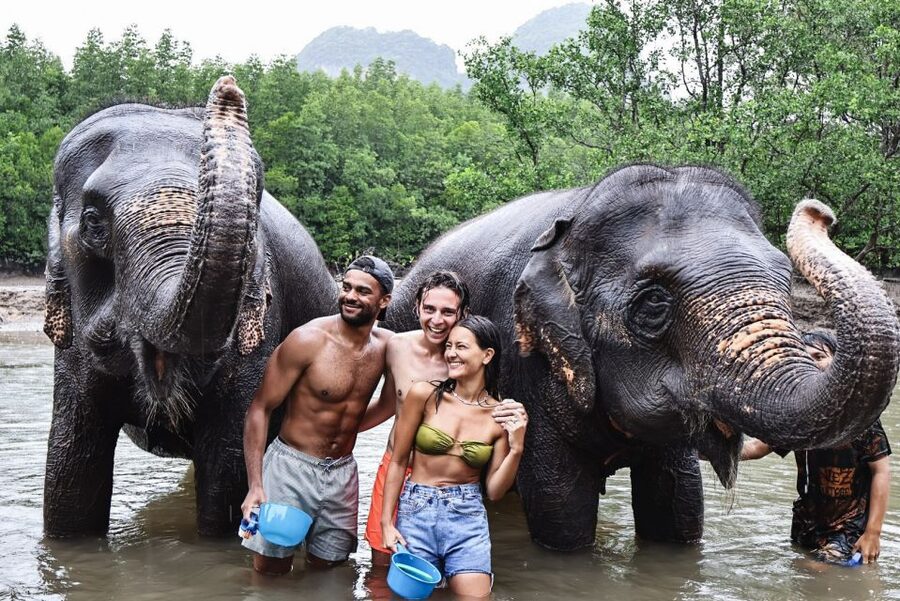
Krabi Elephant Shelter lets you meet rescued elephants without riding them or watching them perform. You help prepare food, feed the animals, roll in the mud beside them, then wash them in a river and shower area. It is a lively, wet, hands-on morning or afternoon.
I like the no-riding approach and the way the guides introduce each elephant as an individual, with a name, personality, and past. I also like the practical extras: hotel pickup, refreshments, lockers, and professional photos sent free by link. The main catch is simple: two hours goes quickly, and mud, water, heat, and uneven ground are not a good match for everyone.
Key points to know before you book
- Feed first, then get muddy: You prepare treats and feed the elephants before the wet activities begin.
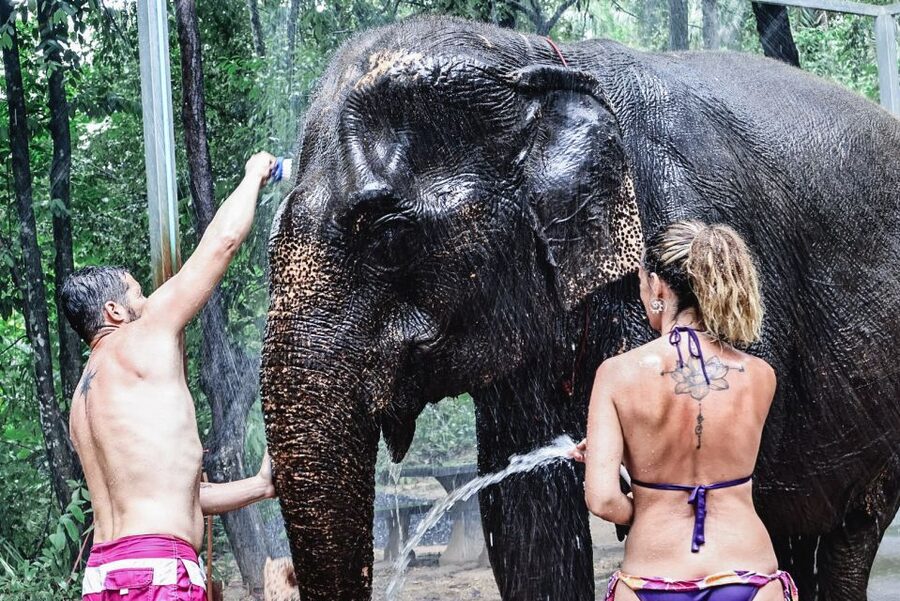
- Bathing comes in several forms: The visit includes a mud bath, washing in a jungle river, and a shower area.
- No riding or elephant shows: The shelter focuses on feeding, bathing, and close contact.
- Professional photos are included: Staff photograph the visit and send the images through a link after the tour.
- Pickup is limited: Hotel transfer covers Ao Nang and Klong Muang Beach. Krabi Town costs extra, and island visitors must meet at a listed pier.
- Bring the right clothes: Swimwear, spare clothes, a towel, sunscreen, insect repellent, and water shoes will make the visit much easier.
Meeting rescued elephants in Krabi
The shelter was created as a second home for elephants formerly used in forestry operations and riding camps. That background matters. You are not meeting wild elephants, and the animals have already lived closely with people, but the shelter says it has changed the human routine around them rather than forcing the elephants into rides or work.
The visit is built around ordinary elephant needs: food, water, shade, bathing, and social contact. You get to see how warm and hungry they are at the start, then learn how feeding and bathing fit into their daily care.
I appreciate that the activity does not pretend you are observing untouched wildlife. This is a managed setting with human-elephant contact. The useful question is whether the contact is handled with care, and the program keeps the focus on feeding and bathing rather than riding, tricks, or performances.
The elephants have different personalities, and the guide introduces their names and backgrounds as you go. Nui received especially warm praise for clear explanations and genuine care for the animals. Other staff and mahouts help with the practical work, including positioning you safely and taking photographs.
Other sanctuaries you can visit from Ao Nang:
- Krabi: Elephant Sanctuary (near Ao Nang) Visit
★ 4.9 · 1,036 reviews - Krabi: Elephant Feeding Program with Traditional Thai Dress
★ 4.8 · 124 reviews - Krabi: Elephant Feeding Program
★ 4.8 · 102 reviews
What happens during the two-hour visit
The exact order can vary, but you should expect a compact sequence of food preparation, feeding, mud, water, and washing. The short length works well if you want a focused animal activity rather than a full-day outing, though it leaves little room to linger.
1. Arrival, registration, and a short introduction
Hotel pickup is scheduled for about 9:20 in the morning or 1:20 in the afternoon for hotels in the covered areas. You should wait in the lobby ten minutes early. The driver carries a Krabi Elephant Shelter sign and will wait no longer than five minutes after the scheduled time.
At the shelter, you need your passport number for the accident insurance form. A copy is accepted, according to the provided instructions. This is an easy detail to overlook, so keep the number available before leaving your hotel.
The English and Thai guide explains the shelter, the elephants’ former work, and how to approach the animals. You are not simply turned loose with a basket of food. The staff direct the interaction and explain what to do around each elephant.
Tea, coffee, drinking water, and seasonal fruit are available. Some accounts also describe snacks before or after the activity. This is welcome, but it is not a meal, so plan to eat separately if you need lunch or breakfast.
2. Preparing treats and feeding the elephants
The feeding session is the gentlest way to begin. You step into the role of an elephant chef, preparing food and offering it by hand. This gives you time to watch how each elephant reacts and to get used to its size and movements.
The animals are accustomed to human behavior, but that does not make them small or predictable. Listen closely to the guide, keep your attention on the elephant in front of you, and follow instructions about where to stand.
This is also when the personal side of the visit becomes clear. Learning an elephant’s name, temperament, and background makes the encounter more meaningful than a quick photo stop. You begin to see the elephant as an individual rather than as a prop for a holiday picture.
Families tend to get a lot from this section. Children can help with feeding while the guide handles the safety briefing and explains what the elephants need. Adults who prefer a quieter encounter can use the time to watch rather than rush into the mud.
Same base, a different sort of day:
- Krabi: Premium 4-Island Day Trip by Longtail Boat with Lunch
★ 4.5 · 4,812 reviews - Krabi: Tiger Cave, Hot Springs and Emerald Pool Jungle Tour
★ 4.2 · 2,643 reviews - Krabi: Bioluminescent Plankton, Snorkeling & Sunset Tour
★ 4.3 · 863 reviews - Krabi: 7 Islands Sunset Tour with Plankton Swim and BBQ
★ 4.0 · 808 reviews
3. The mud bath
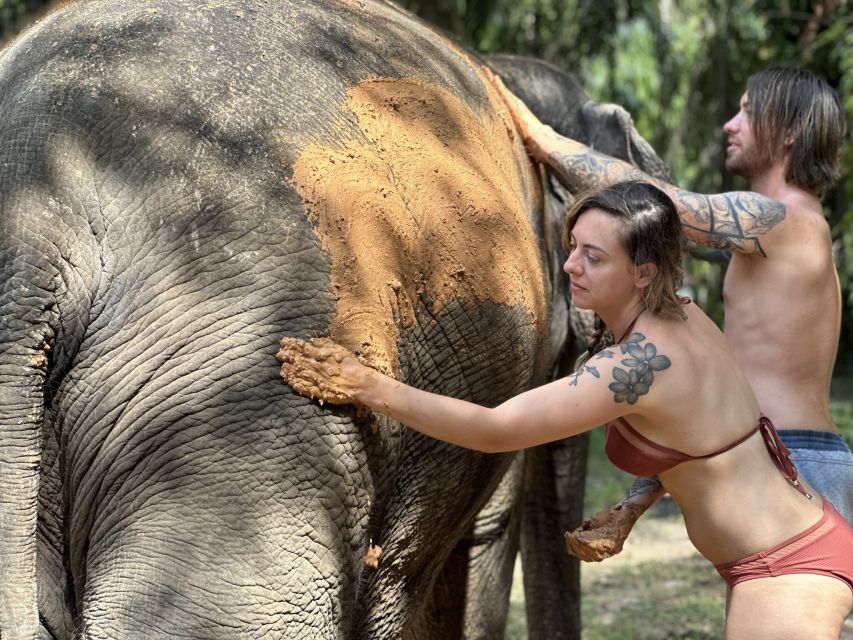
Next comes the messy part. You get down into the mud with the elephants, splashing and rolling as they play and coat themselves. Wear old swimwear or clothes you do not mind staining. Mud gets into everything, and the shelter specifically recommends bringing a change of clothes.
The mud bath is fun, but it is also one of the more physically demanding parts. You may be crouching, walking over soft ground, and helping splash water or mud. If you dislike getting dirty, you can still enjoy watching the elephants, but this activity is designed for participation.
Bring water shoes. The ground can be wet and uneven, and the shelter advises you to bring your own pair or buy them on site. Do not count on ordinary flip-flops staying secure.
Staff members help with photographs throughout the session. You can also hand over your own phone for pictures, though you should protect it from mud and water. Lockers are available according to the supplied details, which makes it easier to take part without carrying your whole bag.
4. Washing the elephants in the river
The mud is followed by water. The elephants bathe in a natural jungle river, one of the most memorable parts of the visit. You help wash them as they stand or move in the water, and you get wet in the process.
This section feels calmer than the mud bath. The river setting adds a natural touch, while the guide and mahouts keep the activity organized. You can scrub, splash, and pose for photographs, but the real pleasure is watching the elephants enjoy the water.
Expect your clothes and shoes to become fully wet. A towel is not included, so bring one. You also need dry clothing for the ride back to your hotel, especially if you are taking the afternoon session and have dinner plans afterward.
The water activity may be the best part for families, since adults and children can take part together. Keep in mind that the ground may be slippery, and the tour is not suitable for wheelchair users.
5. Final rinse and farewell
After the river, you can use the shower area to rinse off. This is a practical feature, not a luxury, because the mud bath leaves you needing more than a quick wipe with a towel.
The final moments are a chance to say goodbye and look back at the elephants in the surrounding tropical setting. You may receive the photo link after the tour, and one account described getting the pictures within about an hour. Delivery timing can vary, but the photos are included rather than sold as an extra package.
Do not expect a long educational presentation at the end. With only two hours, the visit keeps moving. That pace is useful for a half-day schedule, but anyone wanting a slow, extended sanctuary visit may find it brief.
What makes the animal contact feel different
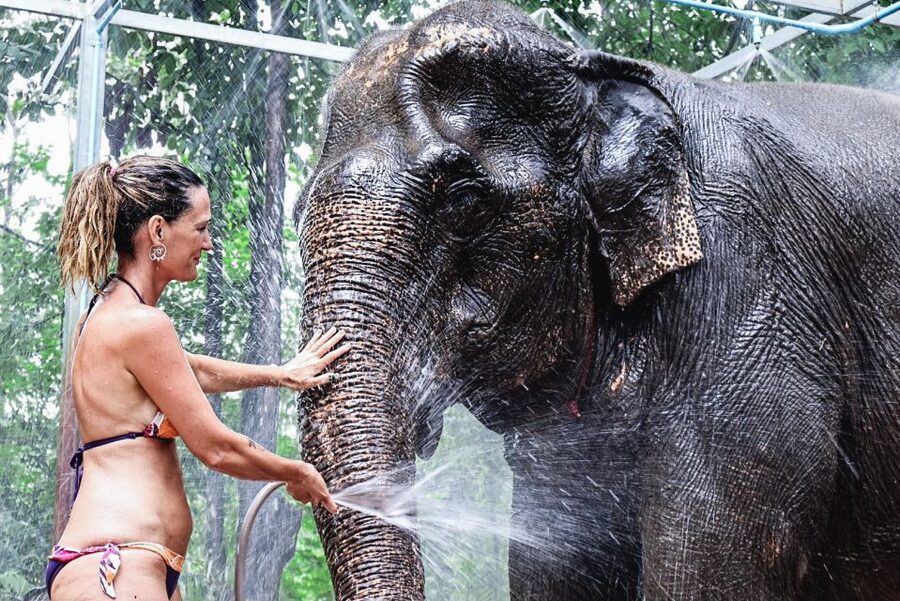
The biggest point in the shelter’s favor is the absence of riding. You do not sit on the elephants, watch them perform, or ask them to complete tricks. The contact centers on food and bathing, activities that fit more naturally into their care routine.
The shelter’s elephants previously lived with people in forestry or riding settings, so they are used to human contact. That makes close feeding and bathing possible, but it also means you should not confuse this with a hands-off wildlife reserve.
I would pay attention to how the staff behave. The guides and mahouts explain the animals, control the pace, and help you understand their daily lives. The best moments come when the encounter feels less like collecting a photograph and more like learning how these large animals eat, cool themselves, and respond to people.
The program can be busy, especially when several groups arrive. One visit happened to feel almost private because only two people had booked, allowing extra time with the elephants. You should not assume that arrangement, but smaller groups may give you more personal attention.
Price, timing, and what the $54 buys you
At $54 per person, this is not the cheapest way to fill two hours in Krabi. It is a reasonable package if you use the included hotel transfer, guide, refreshments, bathing equipment, and photographs.
The photos matter more than they might seem. During the mud bath and river session, your hands are occupied and your phone needs protection. Having staff photograph the activity lets you take part rather than spend the whole time asking someone else to take pictures.
The hotel transfer also adds value if you are staying in Ao Nang or Klong Muang Beach. Krabi Town pickup costs extra, and the transfer does not cover every location. If you are staying on an island, at Centara Grand Beach, or in Railay, you must meet the driver at Nopparat Thara Pier, Nong Nuch Pier, Ao Nam Mao Pier, or Ao Nang Pier.
The two-hour format is a strength for many people. You can fit it around another Krabi activity, and the morning or afternoon departure gives you some control over your day. It is not a full-day commitment, though changing clothes and transfer time will stretch the total outing beyond the activity itself.
Free cancellation up to 24 hours before departure and the option to reserve without paying immediately make planning easier. Still, confirm the pickup time by email or WhatsApp, since the local partner sends the final time separately.
What to pack for a wet and muddy afternoon
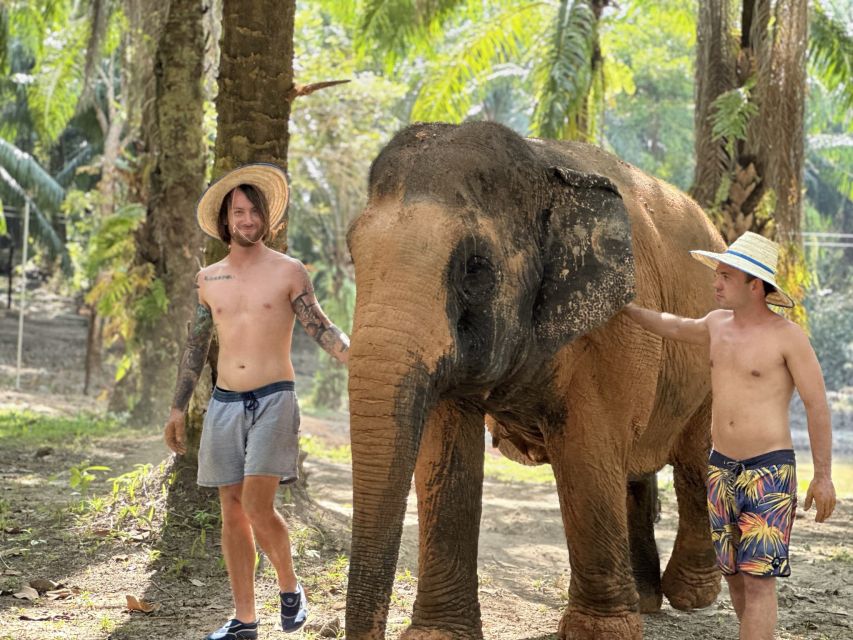
Pack for the activity, not for a normal sightseeing stop. I would bring:
- Swimwear or old clothes
- A full change of clothes
- A towel
- Water shoes
- Sunscreen
- Insect repellent
- Cash
- Your passport or an accepted copy
The official information says water shoes are not included, though one account noted that shoes were available during the water portion. The safest plan is to bring your own pair or be prepared to purchase them at the shelter.
Do not bring alcohol or drugs. Tell the shelter in advance if you are pregnant or have a health condition. Animal allergies are another reason to choose a different activity, and wheelchair users may find the ground and water areas unsuitable.
Keep valuables secured. Lockers are available, but your phone still needs care around mud and water. A waterproof pouch is useful if you want to carry anything during the activity.
Who should book this shelter visit
I would recommend it to families, couples, and first-time visitors who want close contact with elephants without riding. It also suits people who want a short activity that combines an animal encounter, a little education, and plenty of photographs.
It is particularly good for anyone who likes active experiences. Feeding is easygoing, but the mud bath and river washing are hands-on, wet, and a bit untidy. You need to be happy with uneven ground and changing clothes afterward.
This is less suitable if you want a quiet, observation-only sanctuary. It is also not the best choice if you dislike animal contact, have an allergy, use a wheelchair, or need a long, slow visit with plenty of unscheduled time.
Should you book Krabi Elephant Shelter?
Book it if you want a well-organized two-hour visit with no elephant riding, plenty of feeding and bathing, and useful extras included in the price. The guides, especially Nui when available, add context about the elephants rather than treating the animals as scenery.
Bring old clothes, a towel, and water shoes, and confirm your pickup point carefully. If you can accept a managed animal encounter instead of a remote wildlife setting, this is a strong Krabi choice. If you want distance from human-elephant contact altogether, choose a viewing-only program instead.
FAQ
How long does the Krabi Elephant Shelter activity last?
The activity lasts two hours. Allow extra time for hotel pickup, changing clothes, and returning to your accommodation.
Does the experience include elephant riding?
No. The shelter’s activities focus on feeding, mud bathing, river bathing, and washing the elephants. Riding is not part of the program.
What activities are included?
You can prepare treats, feed the elephants, join them in the mud, wash them in a natural jungle river, and use the shower area afterward. Equipment for the feeding and bathing activities is included.
Is hotel pickup available everywhere in Krabi?
Pickup is included in Ao Nang and Klong Muang Beach. Krabi Town requires an extra fee arranged directly with the provider. People staying on an island, at Centara Grand Beach, or in Railay must meet the driver at one of the specified piers.
What time is pickup?
The designated pickup time is 9:20 for the morning activity and 1:20 for the afternoon activity at hotels in the covered areas. The final confirmation is sent separately by email or WhatsApp.
Are photographs included?
Yes. Staff take photographs during the activity, and the images are made available through a link after the visit. You may also ask staff to use your own phone.
What should I bring?
Bring swimwear, a change of clothes, a towel, sunscreen, insect repellent, water shoes, cash, and your passport or an accepted copy. Old clothing is a smart choice because the mud bath can be messy.
Can anyone take part in this activity?
The activity is not suitable for wheelchair users or people with animal allergies. You should also tell the shelter if you are pregnant or have any health conditions.
Just added in Ao Nang
- Krabi: Railay Beach Bioluminescent Plankton Ferry Cruise★ 3.7 · 60 reviews
- Krabi: Unveiling Thai Flavors by Night at Smart Cook School★ 4.8 · 9 reviews
- Krabi: Ya’s Cookery Late Afternoon Thai Cooking Class★ 4.7 · 35 reviews
- Krabi: Ultimate Zipline Games Challenge★ 4.4 · 13 reviews
- Krabi shooting range (9mm GLOCK17 10 bullet)★ 4.6 · 52 reviews
- Krabi: Sunrise Yoga Balance Join-in Class★ 4.9 · 22 reviews
- Krabi: Saitai Mountain Tail ATV Adventure★ 4.7 · 25 reviews
- Krabi: Railay Sunset and Bioluminescent Plankton Tour★ 3.9 · 55 reviews
Elephant Sanctuary Visits, compared.
Chiang Mai: Elephant Sanctuary, Waterfall & Bamboo Rafting
Read our review →
Chiang Mai: Elephant Sanctuary & Waterfall Group Tour
Read our review →
Chiang Mai: Elephant Sanctuary Feeding Program Half-Day Tour
Read our review →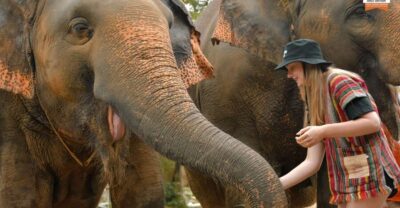
Phuket: Elephant Jungle Sanctuary Ethical Feeding Experience
Read our review →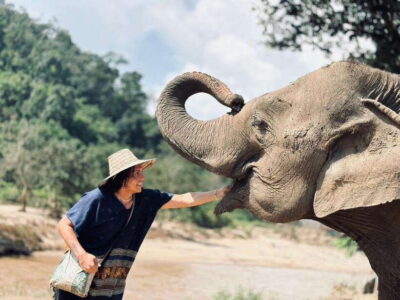
Chiang Mai: Elephant Sanctuary, Long Neck & Sticky Waterfall
Read our review →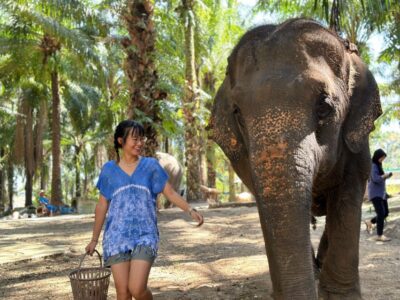
Krabi: Elephant Bathing Session at Krabi Elephant Shelter
Read our review →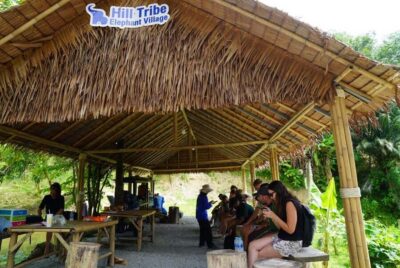
Phuket: Elephant Sanctuary Guided Tour with Hotel Transfers
Read our review →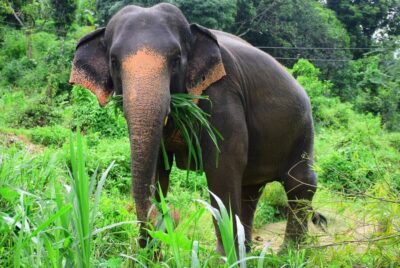
From Chiang Mai: Elephant Care Program and Nursery Tour
Read our review →Browse the lists this tour appears in