
Reviewed · STREET FOOD & FOOD TOURS
Taste of Bangkok: A 3-Hour Chinatown Food Feast
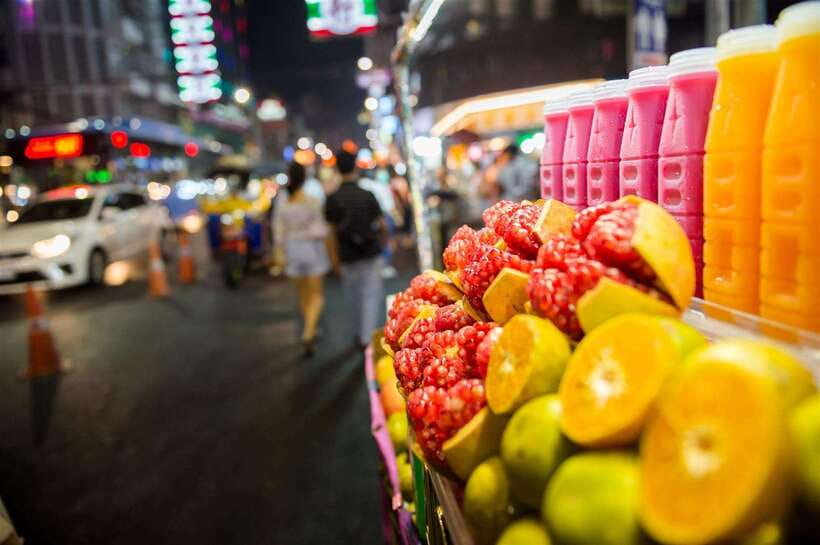
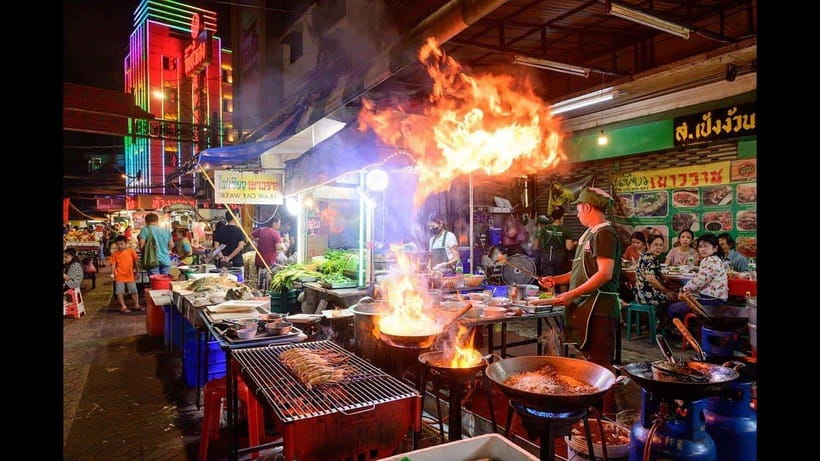
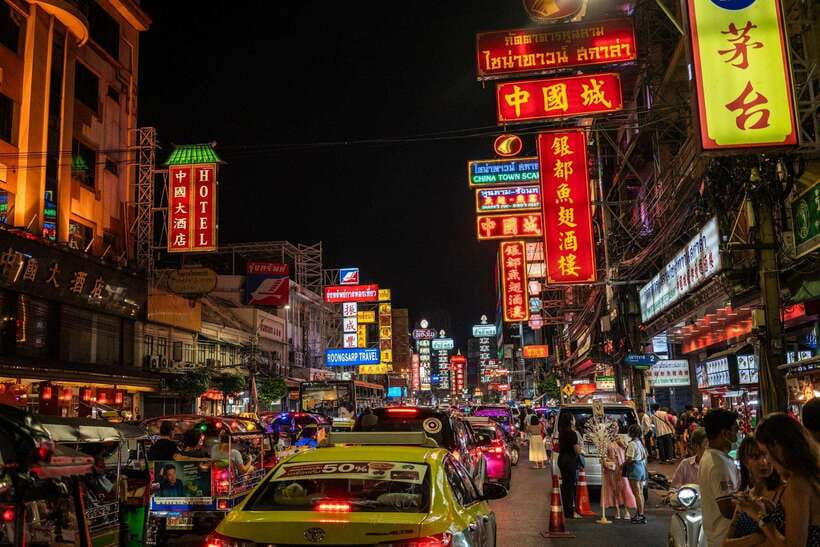
Yaowarat is at its best after dark, when neon signs glow above the narrow streets and food stalls turn the pavements into one long dinner table. This tour gives you a practical way into that delicious chaos, with more than 10 tastings and a guide to keep the route moving.
I like the small groups, limited to eight people, and the mix of familiar snacks, local dishes, sweets, and Michelin-star street food. I also like that guides such as Na and Peak add food advice and cultural context instead of simply pointing at a plate. The main catch is clear: this is a walking-and-eating evening in crowded Chinatown, and vegans and vegetarians should choose another tour.
Key points
- More than 10 tastings: Expect Thai-Chinese snacks, meats, noodles, seafood, desserts, and drinks.
- Michelin recognition: The route includes a food stall known for an award-winning specialty.
- Small-group format: With no more than eight people, it is easier to ask questions and keep pace.
- Strong local guidance: Na, Peak, K, and other English-speaking guides have been praised for their warmth and food knowledge.
- Three hours in Yaowarat: The route begins at Wat Mangkon Kamalawat and ends at the Chinatown Gate.
- Come hungry: The portions may be tasting-sized, but the total amount of food is substantial.
Why Yaowarat works so well for an evening food tour
Bangkok’s Chinatown is not a tidy row of restaurants waiting for you to choose one. It is a moving feast of grills, noodle counters, carts, narrow lanes, old shopfronts, and bright signs. If you simply wander in, you can eat well, but you may also miss the small stalls that locals use or spend too long deciding what to order.
A guide solves that problem. You walk from stop to stop while someone else handles the choices, explains the food, and helps you keep enough room for the next tasting. That matters here because the best meal is not one large dish. It is a series of small bites that show how Thai and Chinese cooking have met in Bangkok.
The evening timing is a good fit. Yaowarat’s street life gathers after sunset, and the heat is generally easier to manage than in the middle of the day. You will also see the neighborhood at its most active, with aromas from hot pans and grills mixing in the air.
The route starts at Wat Mangkon Kamalawat, also known as Wat Leng Noei Yi. This gives you a fixed meeting point near the Chinatown area before the food stops begin. The tour finishes at the Chinatown Gate, so you are not returned to your hotel. Plan your evening around that end point.
More Food Tours in Bangkok
- Bangkok: Backstreets Food Tour with 15+ Tastings
★ 4.9 · 2,880 reviews - Bangkok Backstreets Food Tour with 15+ Tastings
★ 5.0 · 1,926 reviews - Bangkok: Michelin Guide Street Food Tour by Tuk Tuk
★ 4.4 · 1,274 reviews
Starting at Wat Mangkon Kamalawat
The first meeting point is Wat Mangkon Kamalawat, one of Chinatown’s best-known temples. The tour does not list a long temple visit as part of the program, so think of it mainly as the place to meet your guide and begin walking.
This is where the small-group setup becomes useful. A group capped at eight people can gather more easily than a large coach party, and the guide can speak with each person before the eating begins. It is also a sensible place to check any food concerns, though you should not assume every dietary need can be handled.
Guides named in the feedback include Na, Peak, and K. Their styles may differ, but the useful pattern is the same: you can expect an English-speaking guide who explains what you are eating and how the dish fits into Chinatown’s food culture. Na, in particular, has been praised for helping with a nut allergy by arranging separate plates and writing Thai phrases for future food orders. That is thoughtful support, but you should still state any allergy clearly before booking and again at the meeting point.
More than 10 stops, with room for surprises
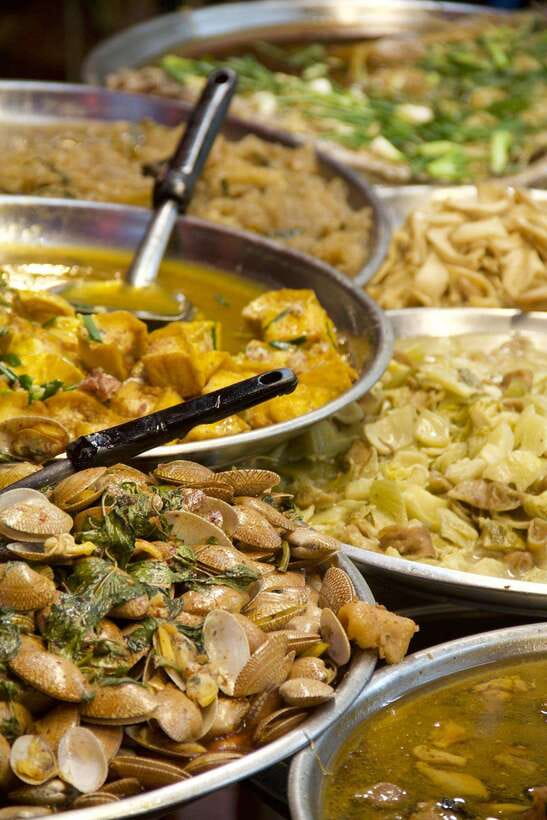
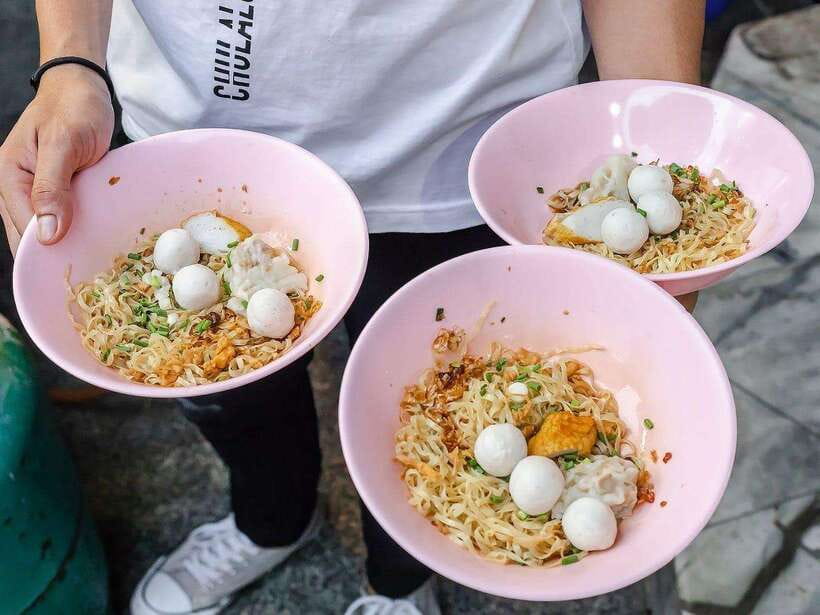
The food program is the heart of the experience. You may taste more than 10 items, with the exact selection shaped by the stalls available that evening. The advertised range includes crispy spring rolls, barbecued meats, steamed dumplings, stir-fried dishes, noodle soups, seafood, Chinese-style snacks, sweets, and a refreshing drink.
That range is one of the tour’s strongest features. You are not limited to one type of Thai food, and you are not expected to sit through a formal meal. Instead, the route shows how Chinatown handles different textures and flavors in quick succession.
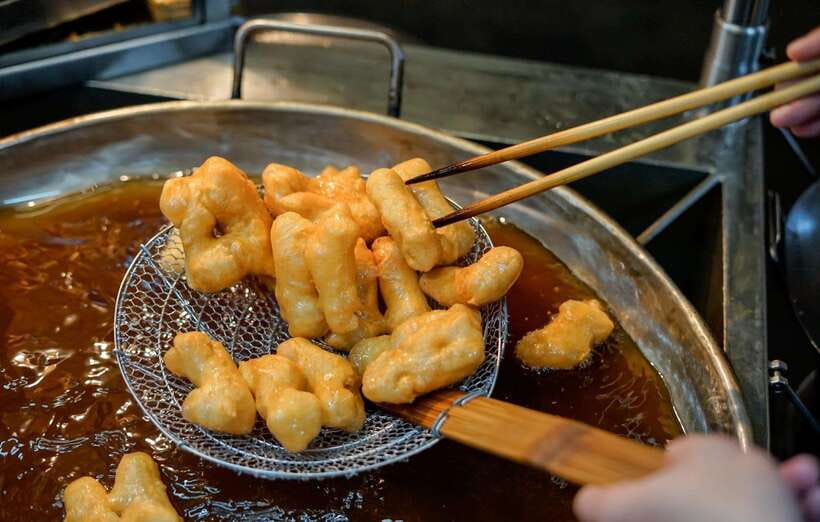
Some tastings are likely to be savory and salty, while others may bring spice, sweetness, or a smoky flavor from the grill. Desserts and snacks come later, including freshly made buns or local-style pancakes. The variety gives you a better sense of the neighborhood than a single restaurant meal would.
The format also means you should pace yourself. One traveler described trying 15 or more foods, and several people stressed that the evening is filling. Small servings can add up quickly, especially when you are eating continuously for three hours. Arrive hungry, but do not arrive desperate. Save some room for the sweet course and drink near the end.
A practical point: spice levels may be adjusted for the group. If you prefer the regular level of heat, tell your guide directly. If you need milder food, say so early. Some stalls may offer chili or sauce separately, but you should not count on that at every stop.
The Thai-Chinese connection on your plate
Food is the main subject, but the route also explains how Chinese immigration shaped Bangkok’s cooking. That context helps you understand why Yaowarat has such a distinct character. Dumplings, buns, noodle dishes, roasted meats, stir-fries, and Chinese-style sweets sit beside Thai herbs, chilies, sauces, and local cooking habits.
You do not need a lecture to appreciate this. A good guide can explain the connection while you are holding a skewer or waiting for a bowl of noodles. The result is more useful than a broad history talk because the information is tied to what you are eating at that moment.
The tour also helps with local food customs. Your guide can show you how a dish is normally eaten, which sauce to use, or which part of a mixed plate to try first. That kind of advice is valuable if you plan to keep eating in Bangkok after the tour.
Na’s Chinese and Vietnamese family background has added a personal touch for some groups, especially when discussing food traditions. You should not assume every guide has the same background, but the tour format gives you a chance to ask about the people and cooking traditions behind the stalls.
More eating your way around Bangkok:
- Old Siam Bangkok Food Tour with 15+ Tastings
★ 5.0 · 867 reviews - Bangkok Authentic Tasting Thai-Chinatown Walking Food Tour
★ 4.9 · 852 reviews - Bangkok: Tuk Tuk Adventure Chinatown Michelin Food & Temples
★ 4.3 · 725 reviews - Bangkok Tuk-Tuk Tour by Night with Chinatown Street Food Meal
★ 5.0 · 635 reviews
The Michelin-star food stall
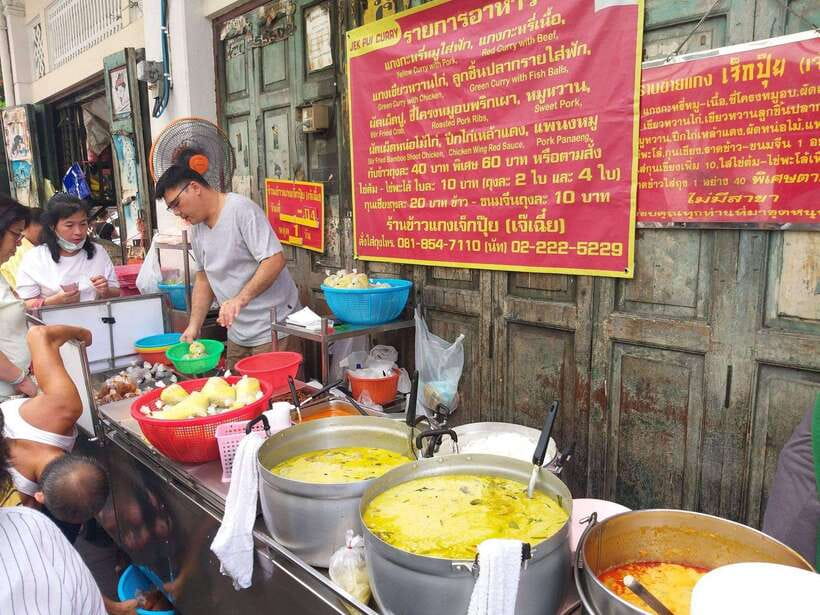
One planned highlight is a Michelin-star food stall known for an award-winning specialty. This is not a polished restaurant experience. The appeal is seeing a street vendor gain formal recognition while still serving food in the setting that made the dish famous.
The Michelin stop gives the route a clear anchor, but it should not overshadow the rest of the evening. A food award tells you that a dish has earned attention, not that it will suit every palate. You may enjoy the less famous stops just as much, particularly if you like trying food that is not already familiar.
The supplied details describe a visit to a Michelin-star stall, while individual accounts refer to more than one Michelin-recognized stop on some evenings. Since street-food routes can change, treat the exact number of award-winning vendors as flexible. The safe expectation is at least one Michelin-starred food experience as part of the planned route.
Sweet dishes and a drink to finish
The final part of the food sequence shifts away from grilled meats, noodles, and seafood. Traditional Chinese desserts and snacks may include fresh buns or local-style pancakes, paired with a refreshing drink.
This is a smart way to end a food walk. Sweet dishes reset your palate after spicy or salty food, and the drink gives you a short break before the tour ends at the Chinatown Gate. Some accounts also describe ending with a drink at a low-cost bar, but that should be treated as an occasional addition rather than a guaranteed part of the advertised program.
If you have a strong sweet tooth, this portion may be one of your favorites. If you prefer savory food, the dessert stop is still useful because it shows another side of the Thai-Chinese food mix.
What the three-hour pace feels like
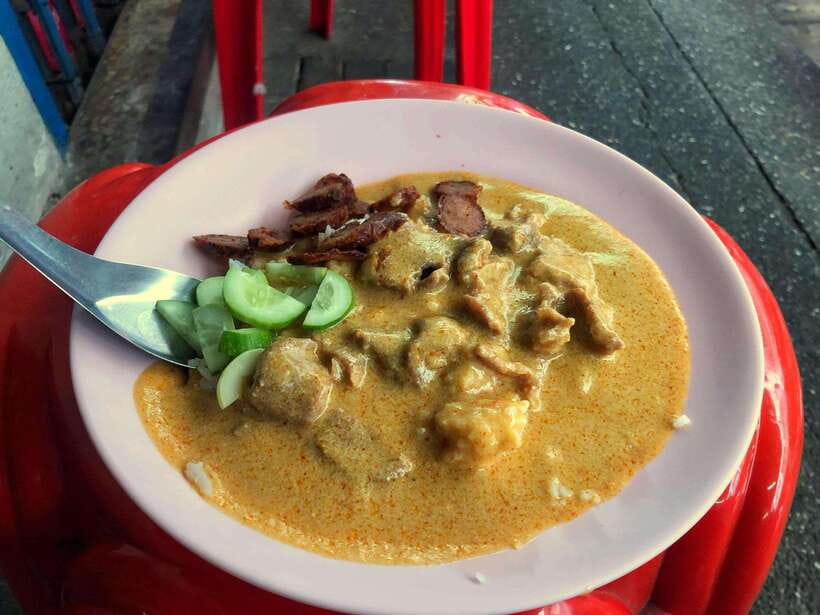
Three hours sounds generous, but the time can pass quickly when you are walking, eating, and listening. The route is active rather than leisurely. You should expect a steady succession of stops, with short explanations and enough time to taste each item.
Crowds are part of the setting. Chinatown can become especially tight on weekends, and the streets are not ideal for anyone who dislikes busy public spaces. Keep close to the guide, watch your footing, and expect the group to pause at the side of a lane rather than in a spacious dining room.
Comfortable shoes matter. Hotel pickup and drop-off are not included, so you must make your own way to Wat Mangkon Kamalawat and arrange your onward journey from the Chinatown Gate. The fixed start and finish make the route easy to understand, but they also mean you should check your evening plans before booking.
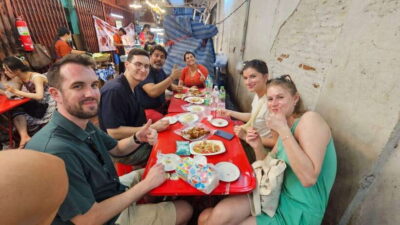
The small group is a real advantage here. Eight people is still enough for a social evening, but it is far easier to hear explanations and stay together than it would be with a large party. Solo visitors may also find the format friendly, since the food gives everyone an easy subject to discuss.
Dietary limits and spice concerns
This tour is not suitable for vegans or vegetarians. Some alternatives may be available for certain restrictions, but not all dietary needs can be met. If you avoid meat, fish, or animal products, do not book this as your main food experience.
People with allergies need to communicate clearly. The experience with a nut allergy shows that a careful guide may be able to arrange separate servings and provide Thai wording for future use. Still, street-food preparation can change from stall to stall, and no allergy accommodation is promised for every ingredient.
Spice is another point to discuss. Thai food can range from mild to very hot, and the guide may ask vendors to reduce the heat for the group. Tell the guide whether you want the standard spice level or a milder version. If you are comfortable with chili, mention that too, so your food is not automatically toned down.
Is $36 a fair price?
At $36 per person, this is a strong value if you want a broad sampling of Chinatown food without ordering full dishes at every stop. The price includes the local guide, walking tour, food samples, and bottled water. It does not include hotel transport or any extra purchases outside the planned tastings.
The value comes from the number of chances to try food. More than 10 samples, a Michelin-star stall, and three hours of guiding can cost much more if you try to recreate the route alone through trial and error. You are also paying for the guide’s decisions, language help, and ability to keep the group moving through a complicated area.
The tradeoff is that this is not a sit-down tasting menu. You may eat standing up or in tight street settings, and the precise dishes can change. If you want a quiet dinner with fixed courses, this is the wrong format. If you want variety and local street life, the price makes sense.
Free cancellation up to 24 hours before the start gives you some flexibility, and you can reserve now and pay later. Starting times vary, so check the available evening departure when you book.
Who should book this Yaowarat food walk?
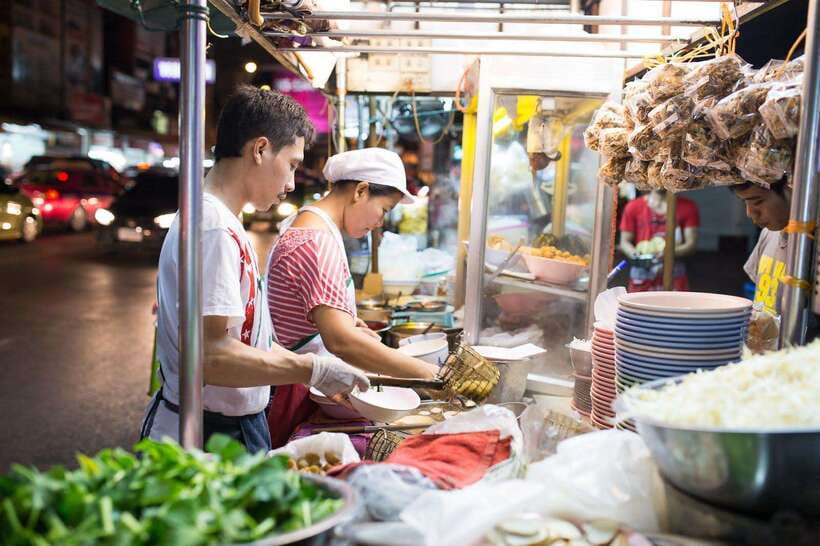
I would recommend it to first-time visitors who want a broad introduction to Thai-Chinese food, solo visitors who prefer a social activity, and curious eaters who do not know which Chinatown stalls to try. It also suits people who value explanations as much as the food itself.
You should be comfortable walking for three hours, eating many small portions, and handling crowds. Families can fit the format if children are willing to try at least some unfamiliar foods. One guide has been praised for including children who were cautious eaters, but the pace and street setting may not suit every child.
Skip it if you want a calm restaurant meal, need strict control over every ingredient, or follow a vegan or vegetarian diet. Also think twice if crowded streets and constant food stops sound tiring rather than fun.
Should you book it?
Book this tour if you want to taste a wide range of Bangkok food in one evening and prefer a guide to make the choices. The combination of a small group, Michelin-recognized street food, local dishes, and Chinatown’s night energy gives you a lot for $36.
For the best experience, arrive hungry, tell the guide about allergies and spice preferences, wear comfortable shoes, and leave your evening free after the final stop at Chinatown Gate. Na and Peak have been especially well received, but the guide you receive may vary. If your priority is an easy, social introduction to Yaowarat, this is a smart pick. If your diet or mobility requires careful planning, check the limits before paying.
FAQ
How long is the Taste of Bangkok food tour?
The tour lasts three hours, including the walking route and food tastings in Bangkok’s Chinatown.
Where does the tour start?
The meeting point is Wat Mangkon Kamalawat, also called Wat Leng Noei Yi.
Where does the tour finish?
The tour ends at the Chinatown Gate. Hotel pickup and drop-off are not included.
How many dishes will I taste?
You can expect more than 10 tastings. The food may include spring rolls, barbecued meats, dumplings, noodles, stir-fried dishes, seafood, desserts, snacks, and a drink.
Does the tour include Michelin-star food?
Yes. The planned experience includes a stop at a Michelin-star food stall known for an award-winning specialty.
Is the tour suitable for vegetarians or vegans?
No. The tour is listed as unsuitable for vegans and vegetarians. Some alternatives may be available for other dietary restrictions, but not every restriction can be handled.
What language is the tour offered in?
The live tour guide speaks English.
How large is the group?
The tour is a small-group experience limited to eight participants.
Is bottled water included?
Yes. The price includes bottled water, food samples, the walking tour, and a local guide.
More Food & Drink in Bangkok
- Bangkok: White Orchid Chao Phraya Dinner Cruise free Beer
★ 4.4 · 4,573 reviews - Bangkok by Night: Temples, Markets and Food Tuk-Tuk Tour
★ 5.0 · 3,752 reviews - Bangkok Midnight Food Tuk Tuk Tour
★ 5.0 · 2,542 reviews - Bangkok: Luxury White Dinner Cruise Free Flow Beer and Wine
★ 4.0 · 748 reviews
Just added in Bangkok
- re:leaf spa and massage★ 4.0 · 10 reviews
- Wonderful Pearl Dinner Cruise★ 3.5 · 27 reviews
- 3-Hour Bangkok Walking Tour: Wat Pho and Wat Arun★ 5.0 · 102 reviews
- Yoga in the Park Thailand★ 5.0 · 12 reviews
- Visit Wat Pho and Wat Arun with Local Expert★ 4.0 · 14 reviews
- White Orchid Sunset Dinner Cruise Calypso Ladyboy Cabaret Show★ 4.0 · 10 reviews
- Morning Buddhist Almsgiving, Grand Palace and Flower Market Tour in Bangkok★ 3.5 · 9 reviews
- Miracle Bangkok Airport Lounges – Relax Before You Fly★ 3.0 · 32 reviews
Street Food & Food Tours, compared.

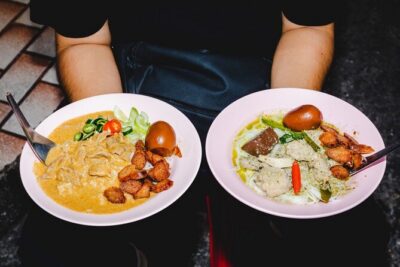
Bangkok: Backstreets Food Tour with 15+ Tastings
Read our review →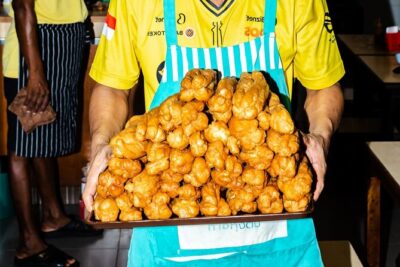
Southern Flavors Phuket Food Tour with 15+ Tastings
Read our review →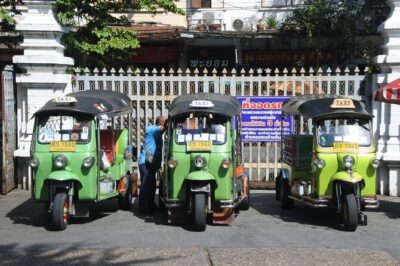
Bangkok: Michelin Guide Street Food Tour by Tuk Tuk
Read our review →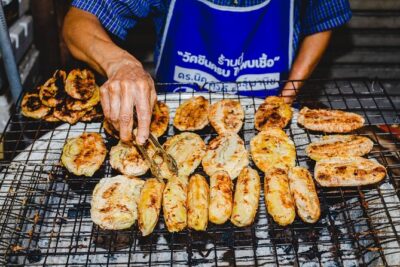
Bangkok Authentic Tasting Thai-Chinatown Walking Food Tour
Read our review →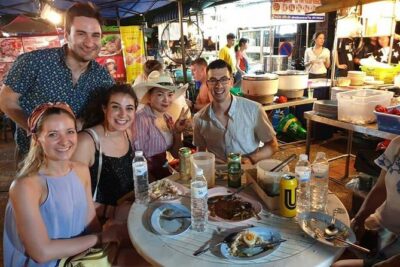
Small-Group Chiang Mai Evening Street Food Tour
Read our review →
Bangkok: Tuk Tuk Adventure Chinatown Michelin Food & Temples
Read our review →Browse the lists this tour appears in