
Reviewed · RIVER KWAI & KANCHANABURI TOURS
River Kwai Jungle Rafts: 2-Day Kanchanaburi Escape from Bangkok
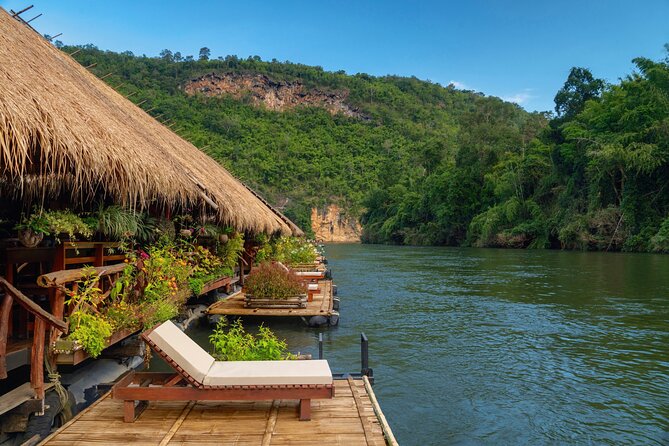
The most memorable part of this Kanchanaburi trip comes after the museums, when you leave the road and reach the floating Jungle Rafts by long-tail boat. There is no electricity, no Wi-Fi, and little to distract you from the river, forest, and quiet rhythm of the place. I like that the trip joins serious World War II history with a real overnight adventure, rather than treating Kanchanaburi as a quick photo stop.
I also like the Mon village visit and the train ride over the Death Railway. Both add local life and physical context to the history. The main caution is comfort: the raft rooms are basic, the heat can be intense, and several long-tail boat transfers and uneven paths may be tiring.
Key points to know before booking
- Sleep without electricity: The raft accommodation uses fans or natural air rather than air-conditioning, and Wi-Fi and warm water may not be available.
- Hellfire Pass gives the history weight: The cutting through rock shows the scale and suffering behind the railway story.
- Long-tail boats are part of the adventure: You use them to reach the rafts and move along the river, but boarding can be awkward if you have sore knees or limited mobility.
- A guide makes the difference: Guides such as Sam, Bligh, Lady, and Susan have led different departures, with English ability and speaking style varying.
- The $209 price covers a lot: Transport from central Bangkok, meals, entrance fees, accommodation, boats, the train, and guiding are included.
- Pack light and protect your phone: Bring one suitcase and one hand bag, plus waterproof protection for electronics.
Why this two-day trip works
Kanchanaburi is close enough to Bangkok for a day trip, but the best parts are spread across a large rural area. Doing it independently means arranging several transfers, finding the Hellfire Pass route, working out the river transport, and fitting in the train. This tour takes care of those connections.
The roughly two-hour departure from Bangkok begins early, with pickup at about 6:00 am. Pickup is limited to main hotels in central Bangkok. Khao San Road, both airports, Nonthaburi, Thonburi, Minburi, Ratchadapisek, upper Sukhumvit, and private residences may require a surcharge or a nearby meeting point.
You travel by car, minivan, or coach, depending on the departure. The maximum group size is 15, and the tour can also operate privately. That is small enough to feel more personal, though joint departures may involve changing numbers until the last moment.
Other long days west of Bangkok:
- From Bangkok: Erawan Park & Kanchanaburi Small-Group Tour
★ 4.5 · 1,582 reviews - From Bangkok: Historical Day Tour to River Kwai
★ 4.6 · 868 reviews - Bridge on the River Kwai and Thailand-Burma Railway Tour
★ 4.5 · 658 reviews
Starting with the Thailand-Burma Railway Centre
Your first substantial stop is the Thailand-Burma Railway Centre, an indoor museum designed to explain the Thailand-Burma Railway and the wartime prison camp system. Allow about an hour.
This is the right place to begin because the later sites can otherwise feel disconnected. Displays, photographs, written accounts, and models show how the railway was built, why it mattered to the Japanese military, and how prisoners of war and Asian laborers suffered from disease, hunger, brutal work, and poor conditions.
The museum also helps put the famous bridge into perspective. The Bridge over the River Kwai is visually striking, but the museum explains the human cost behind the metal tracks.
If your family has a personal connection to the railway, ask about the available POW records search. A visitor on one departure was able to find a relative’s name and receive a printed record. That opportunity is not presented as a guaranteed part of the tour, but the museum’s research service can make this stop especially meaningful.
Some departures also include a visit to an Allied war cemetery. Rows of graves can be a powerful counterpoint to the museum’s displays. Check the confirmed schedule, since the exact running order and included stops can vary.
The Bridge over the River Kwai and the first boat ride
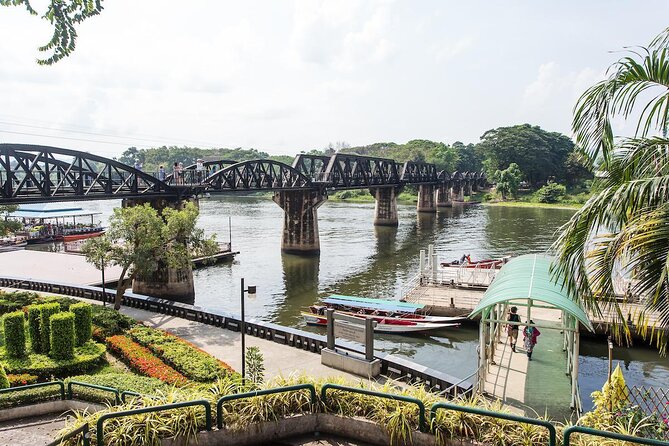
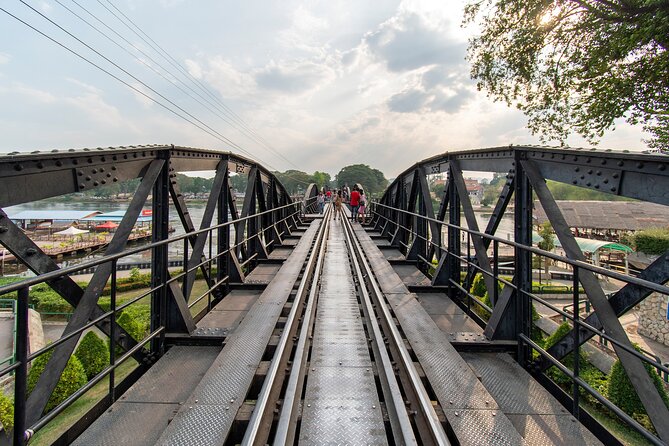
The bridge is usually a short stop, around 30 minutes, but it is more than a place for a quick photograph. You can walk on or near the structure, see the railway still in use, and look over the river that gave the bridge its familiar name.
The bridge area can feel busy compared with the raft stay later on. Still, the stop matters because it connects the museum’s evidence to something you can see and touch.
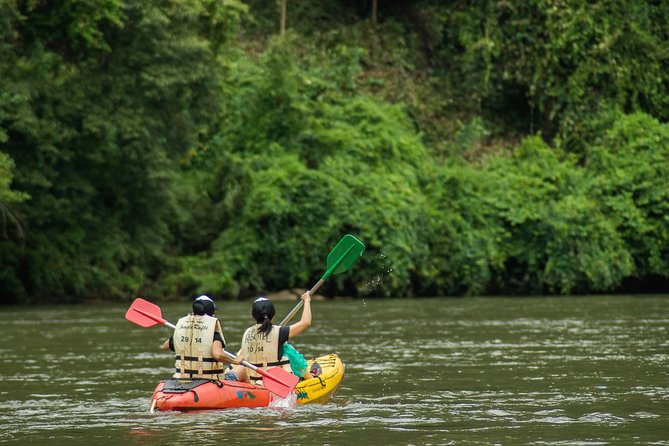
From here, you board a local long-tail boat. This is one of the trip’s pleasant changes of pace. The boat carries you along the river toward the Jungle Rafts, trading traffic and pavement for forested banks and open water.
Bring a dry bag or wrap your phone carefully. Spray from the boat is a real possibility, and the operator places responsibility for damaged electronics on you. Boarding and leaving the boats can involve steps and awkward footing, so take your time.
What the Jungle Rafts are really like
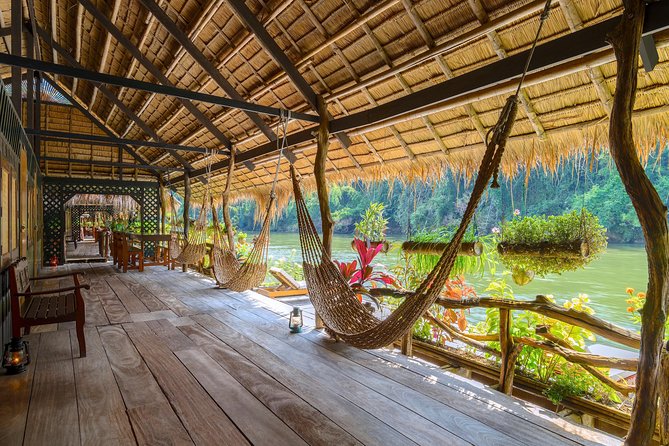
The overnight accommodation is simple, clean, and built around the river setting. The rooms are generally shared twin or double rooms, with basic amenities. There may be no air-conditioning, electricity, Wi-Fi, or hot water.
That sounds stark, and it can be. In hot, humid weather, a fan may not provide enough relief. Some rooms have hand fans, but you should not expect the cool, sealed comfort of a Bangkok hotel. You may find the quiet and lack of screens refreshing, but you should arrive ready for a warm night.
The raft’s simplicity is also its appeal. You hear the river, spend time outdoors, and experience a place that has not been dressed up as a luxury resort. The staff are described as friendly and helpful, and the food is generally generous and well received.
The floating restaurant serves lunch and dinner as part of the planned meals. Water and drinks are not necessarily included at every meal, so carry some Thai baht in small notes. Cash is useful at the raft, and staff may struggle to make change for large bills.
A traditional Mon dance performance is included. It gives you a short introduction to the culture of the Mon community connected with the area, though it is best approached as a respectful cultural presentation rather than a staged spectacle designed only for photographs.
A few more things to do in Bangkok worth a look
- 2-Day Angkor Wat Tour from Bangkok
★ 4.5 · 206 reviews - 2 Day Private Car with Driver from Laem Chabang to Bangkok & Ayutthaya
★ 5.0 · 27 reviews - 2-Day River Kwai and Kanchanaburi Tour from Bangkok
★ 5.0 · 11 reviews - Angkor Wat 2-Day Tour from Bangkok
★ 5.0 · 8 reviews
Hellfire Pass: the most sobering stop
After lunch, a boat takes you toward Hellfire Pass and its memorial area. The visit usually lasts about 90 minutes and includes the Hellfire Pass Interpretive Centre.
This is the emotional center of the trip. Prisoners of war and Asian laborers cut through hard rock with basic tools and explosives to create the railway route. At the pass, the scale of the cutting helps you grasp the work in a way that museum photographs cannot.
Take time with the interpretive displays before walking through the cutting. The site is quiet and stark. You do not need a long explanation to understand why the name Hellfire Pass was used.
There is some practical uncertainty here. Hellfire Pass can close for public holidays or operational reasons, and a substitute site may not feel equal to it. The operator can notify you when a closure is known, but a last-minute change is possible. If this stop is the main reason you are booking, confirm the expected operating status before departure.
The route includes walking, steps, and uneven ground. Wear shoes with a firm sole, bring sun protection, and carry water. The guide’s commentary is valuable, but English clarity can vary by guide. Sam and Bligh have been singled out for strong historical explanations, while some departures have found other guides harder to understand.
A morning with the Mon community
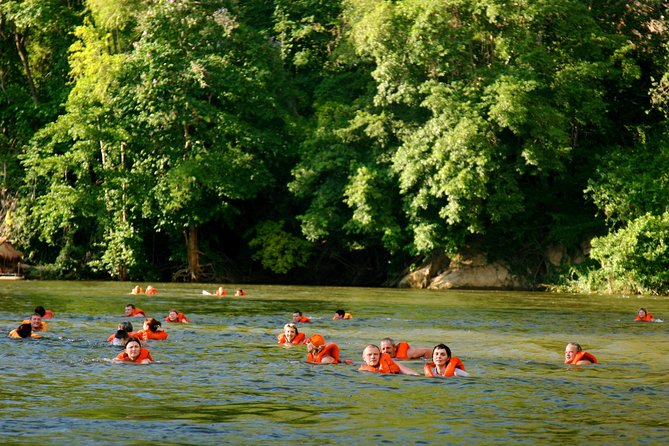
The second day begins with breakfast and a visit to a nearby Mon village. You spend about two hours in the area, with a short jungle walk and time to learn about the community’s way of life.
This stop helps keep the tour from becoming only a war-history excursion. The river, village, and forest show you the present-day setting around the railway sites. The Mon people have lived in the area for generations, and local guides add detail that a general Bangkok-based guide may not provide.
You should expect a cultural visit, not a large attraction with a long list of exhibits. The walk is relatively short, but the ground may be uneven and warm. The combination of village time and the previous night’s dance performance makes this one of the more personal parts of the program.
The tour materials also say that no animal activities outside the operator’s protection principles will be pursued. One past account refers to an elephant ride, but that is not listed among the included features, so do not book this trip expecting one.
Riding the Death Railway home
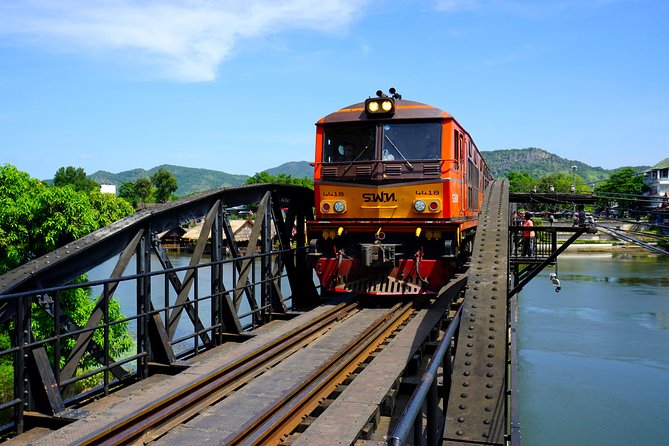
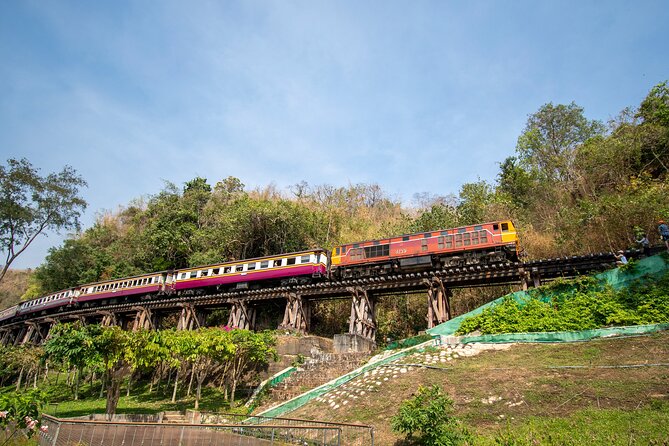
After checking out of the raft, you return by boat and board a local train for the Death Railway. The ride lasts about 90 minutes and uses tracks built during the wartime railway project.
This is a fitting final chapter. At Hellfire Pass, you see the rock cutting. On the train, you ride along the railway itself, crossing the countryside on tracks that remain in use. The pace is slow enough to look out at the river and rural surroundings.
The train is local rather than luxury transport. Seating, timing, and crowding can vary. Some people choose to upgrade the train portion when that option is offered. The important value is not comfort, but the physical connection between the historical sites and the railway still operating today.
After the train, road transport takes you back toward Bangkok. Expect a long return day, and remember that the first and last sections involve substantial driving. One departure experienced a vehicle breakdown, but replacement transport was arranged, allowing the program to continue.
Meals, transport, and the $209 value
At $209 per person, this is not the cheapest way to see Kanchanaburi. It is useful to compare the price with what it removes from your planning: central Bangkok pickup, a professional driver, an English-speaking guide, the museum and site admissions, long-tail boats, the raft accommodation, breakfast, lunch, other stated meals, snacks or refreshments, the Mon performance, and the Death Railway train ticket.
The value is strongest if you want the overnight raft and Hellfire Pass. Those are the two parts that are less convenient to organize as a simple independent day trip. The price also makes more sense if you are short on time and want the major history stops joined together.
Do not assume every expense is covered. Personal purchases, extra drinks, tips, optional activities, airport transfers, insurance, and supplements for hotels outside the central pickup zone are excluded. Meals are included where specified, but drinks such as lunch water may cost extra.
Dietary requests can be passed on, though the operator cannot always confirm them in advance because local restaurants determine the food. If you have strict requirements, contact the operator before departure and carry a backup snack.
Who should book this Kanchanaburi escape
I would choose this trip if you want a guided introduction to Kanchanaburi with serious historical content and a memorable night away from the city. It suits people who value local transport, simple accommodation, and a full schedule more than polished hotel comfort.
It is also a strong choice for families tracing a relative’s POW experience, provided everyone is prepared for confronting material. The museum, cemetery, Hellfire Pass, and railway can bring the past close in a way that is both educational and painful.
I would hesitate if you need air-conditioning, reliable electricity, warm showers, or easy access throughout the trip. The long-tail boats, steps, uneven paths, and bumpy off-road transfers are not suitable for pregnant people, those with neck or back problems, or people with limited mobility.
Pack light. The operator requests no more than one suitcase and one hand bag per person because vehicle space is limited. Bring a hat, sunglasses, high-SPF sunscreen, sturdy shoes, insect protection, and a waterproof pouch for electronics. Fully charge your devices before leaving Bangkok, since the raft may have no power.
Should you book it?
Book this tour if you want Kanchanaburi’s history to come with context, not just photographs, and if an off-grid night on the river sounds like part of the fun. The most praised elements are the raft stay, the Mon community visit, the food, the train ride, and the care provided by strong guides such as Sam, Bligh, and Lady.
Think twice if you are sensitive to heat or expect a smooth, comfortable resort experience. Confirm your pickup location, ask about Hellfire Pass operating status, carry small cash, and accept that guide quality and English clarity may vary.
For the right kind of visitor, the inconvenience is the point. You leave Bangkok for a place where the river, the railway, and the quiet raft accommodation make Kanchanaburi feel far more than a quick historical day out.
FAQ
What is included in the $209 tour price?
The package includes central Bangkok pickup where available, road transport, an English-speaking guide, floating raft accommodation in a shared twin or double room, stated meals, entrance fees, local long-tail boats, the Mon dance performance, and the Death Railway train ticket.
Is there electricity at the Jungle Rafts?
No electricity may be available at the raft accommodation. Wi-Fi and warm water may also be unavailable, and rooms may use fans rather than air-conditioning.
What time does the tour start?
The stated start time is 6:00 am. The exact pickup time may be confirmed in advance or provided the day before departure if operational details are still being arranged.
Does the tour include Hellfire Pass?
Yes, Hellfire Pass and the Hellfire Pass Interpretive Centre are part of the planned program. The site can close for holidays or other reasons, so a substitute may be used if access is not possible.
Can I join if I have limited mobility?
The tour includes uneven paths, bumpy roads, steps, walking, and several long-tail boat transfers. It is not suitable for people with limited mobility, pregnant people, or those with neck and back problems.
Is hotel pickup available everywhere in Bangkok?
Pickup and drop-off are limited to main hotels in central Bangkok. Additional charges may apply outside the downtown area, and airport transfers are not included. If you stay in a private residence or apartment, you may be asked to meet at a nearby hotel.
Just added in Bangkok
- re:leaf spa and massage★ 4.0 · 10 reviews
- Yoga in the Park Thailand★ 5.0 · 12 reviews
- Wonderful Pearl Dinner Cruise★ 3.5 · 27 reviews
- 3-Hour Bangkok Walking Tour: Wat Pho and Wat Arun★ 5.0 · 102 reviews
- Visit Wat Pho and Wat Arun with Local Expert★ 4.0 · 14 reviews
- White Orchid Sunset Dinner Cruise Calypso Ladyboy Cabaret Show★ 4.0 · 10 reviews
- Morning Buddhist Almsgiving, Grand Palace and Flower Market Tour in Bangkok★ 3.5 · 9 reviews
- Miracle Bangkok Airport Lounges – Relax Before You Fly★ 3.0 · 32 reviews
River Kwai & Kanchanaburi Tours, compared.
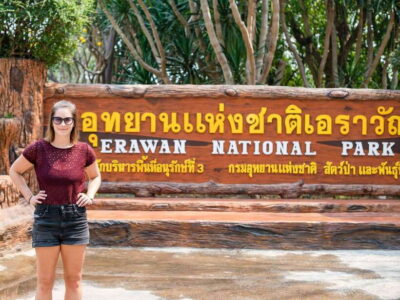
From Bangkok: Erawan Park & Kanchanaburi Small-Group Tour
Read our review →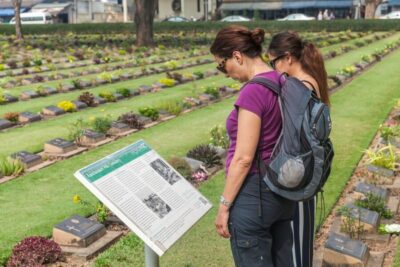
From Bangkok: Historical Day Tour to River Kwai
Read our review →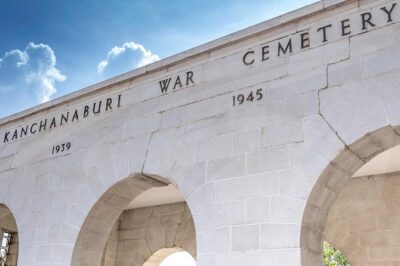
Bridge on the River Kwai and Thailand-Burma Railway Tour
Read our review →
Erawan Waterfalls and Bridge Over River Kwai Tour from Bangkok
Read our review →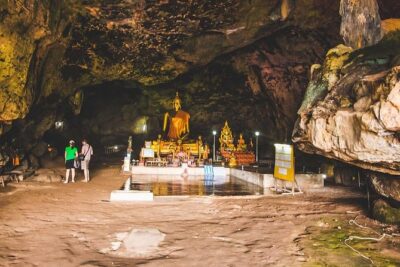
Erawan Waterfall and Elephant Care: Private Tour to Kanchanabur
Read our review →
Kanchanaburi Full Day Tour: River Kwai and Erawan Falls
Read our review →
Floating Markets and Bridge on River Kwai Tour from Bangkok
Read our review →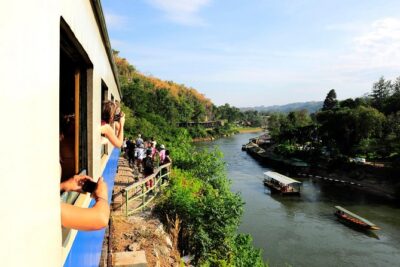
River Kwai Day Tour from Bangkok – History, Scenery & Culture
Read our review →Browse the lists this tour appears in