
Reviewed · YOGA & MEDITATION RETREATS
Chiang Mai: Evening Chanting & Meditation
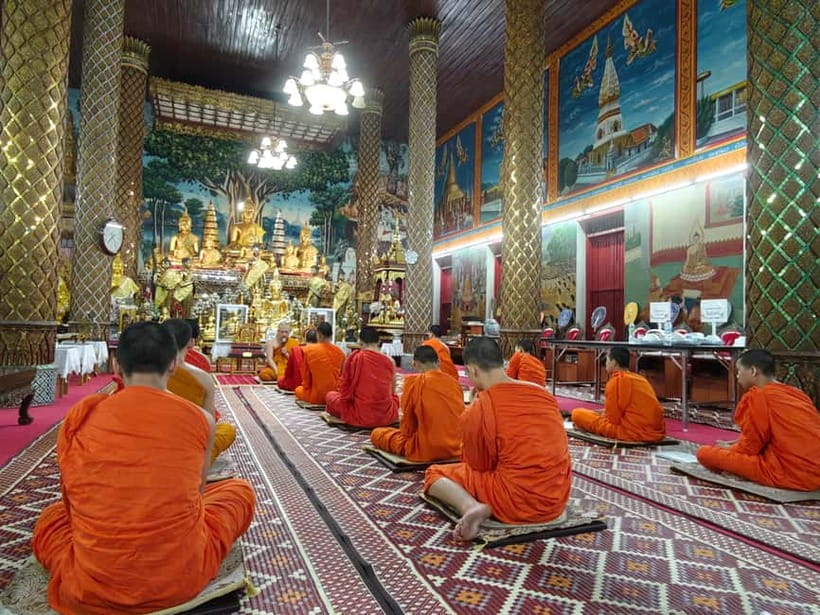
At this Chiang Mai evening experience, you sit inside a working temple as monks chant, then turn inward for a short guided meditation. The best part is the access to real Buddhist practice, not a staged performance. Former monk Son has guided many sessions, drawing on 13 years in monastic life to explain what you are hearing.
I like the 40 to 50 minutes of chanting, which gives the evening a calm, unhurried rhythm. I also like the chance to practice Metta, sending good wishes to loved ones, people who have died, and all living beings. The main consideration is that the chant is not provided in English, so you may understand its meaning only through the guide’s explanation.
Key points
- Chant beside resident monks: Join the evening ritual rather than simply taking photographs from the back of the room.
- A former monk leads the explanation: Son, along with guides such as Earth, Big, and Paponsonkl, helps connect Buddhist ideas to daily life.
- Metta gives the evening a personal focus: You direct wishes of kindness toward people close to you and beyond.
- The meditation is short but purposeful: A 15-minute guided session suits beginners who want structure.
- Questions are part of the experience: Time with monks and lay practitioners can continue well beyond the formal meditation.
- The price is modest: At $20, this offers three hours of cultural and spiritual contact, though you arrange your own transport.
What the Chiang Mai Temple Evening Is Really Like
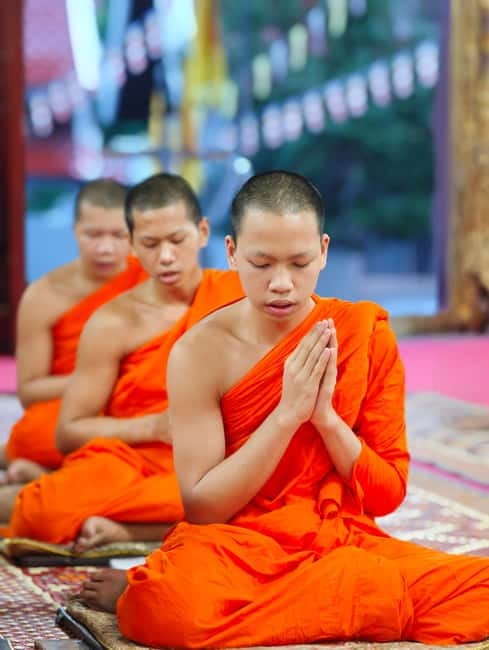
This is a quiet cultural experience rather than a sightseeing tour packed with stops. You spend most of the time in and around a temple, listening, sitting, chanting, and asking questions.
The evening begins at a temple meeting point, where you have time to settle down before the ritual starts. That pause matters. Chiang Mai can be noisy and active, but temple grounds after sunset offer a different pace, with an evening breeze and fewer distractions.
The activity is listed as three hours, while the itinerary describes a two-hour guided portion. In practice, allow the full three hours. Conversations with monks and guides can extend the evening, especially if you have questions about Buddhist practice or monastic life.
The exact meeting details need attention. The information names Wat Lok Moli as the meeting point, with the guide waiting in front of the temple, while the experience itself takes place at Wat Chai Sri Phoom. Another itinerary reference gives A Chef’s Tour Chiang Mai Food Tours as the starting and ending point. Since the location may change, confirm the final meeting place before setting out.
Other quiet mornings around Chiang Mai:
- Spiritual Sunrise Wat Doi Suthep, Pha Lat, Alms & Meditation
★ 4.9 · 674 reviews - Meditation Retreat and Self-Care in Nature
★ 5.0 · 46 reviews - Krabi: Sunset Yoga Balance Join-in Class
★ 4.7 · 57 reviews
Evening Chanting at Wat Chai Sri Phoom
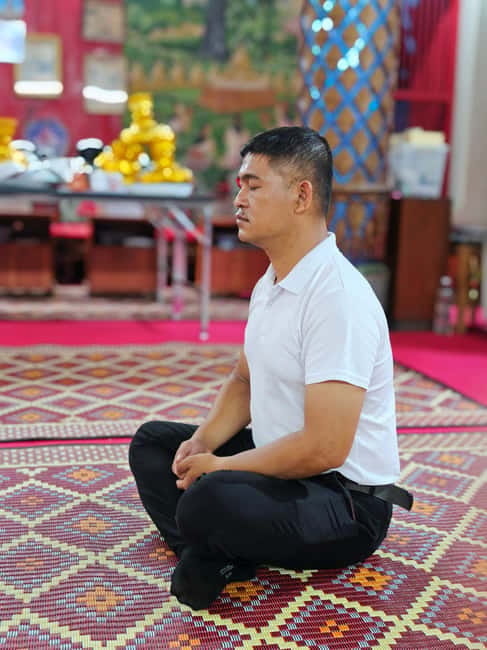
The central part of the evening is the chanting. You sit with the monastic community as the monks recite sacred texts in a steady, resonant rhythm.
You are not just watching from a distance. The experience invites you to join the ritual and feel the sound through the room. You may close your eyes, follow the cadence, or simply listen. There is no need to know the words to appreciate the discipline and concentration behind them.
The chanting generally lasts 40 to 50 minutes, so this is not a quick blessing squeezed between sightseeing stops. It asks you to stay still and attentive. If you are used to tours built around constant movement, the first few minutes may feel unusual. Give yourself time to adjust.
One limitation is language. The chant itself is not presented in English, and one participant specifically wished for an English version. Your guide explains the purpose and meaning, but you should not expect a line-by-line translation as the monks recite.
Photography is restricted, and flash photography is not allowed. More important than the rule itself is the reason for it: this is a religious service, not a photo opportunity. Silence your phone before the session and keep your attention on the ritual.
The 15-Minute Meditation and Metta Practice
After the chanting, the group moves into a 15-minute guided meditation. This is a manageable length for a first attempt, especially if you are curious about meditation but do not want a long silent retreat.
The guide helps you quiet your attention and sit with less mental noise. The session is described as silent, though the guidance gives you a clear structure. You do not need previous meditation experience, and the focus is on settling rather than achieving some dramatic result.
The Metta practice adds a warm and human element. You extend wishes for well-being to loved ones, people who have passed away, and all beings. That progression gives the practice a wider reach without making it complicated.
I find this part especially useful for visitors who want more than a Buddhist lecture. Instead of only hearing about compassion, you are asked to practice it. You can bring particular people to mind, which makes the exercise personal even if you know little about Buddhist philosophy.
You should also be realistic about comfort. The activity is not suitable for people with back problems, and wheelchair users may not find the setting workable. Comfortable clothing helps, but modest clothing is important too. Temple traditions call for covered, respectful dress.
Conversations With Monks After the Ritual
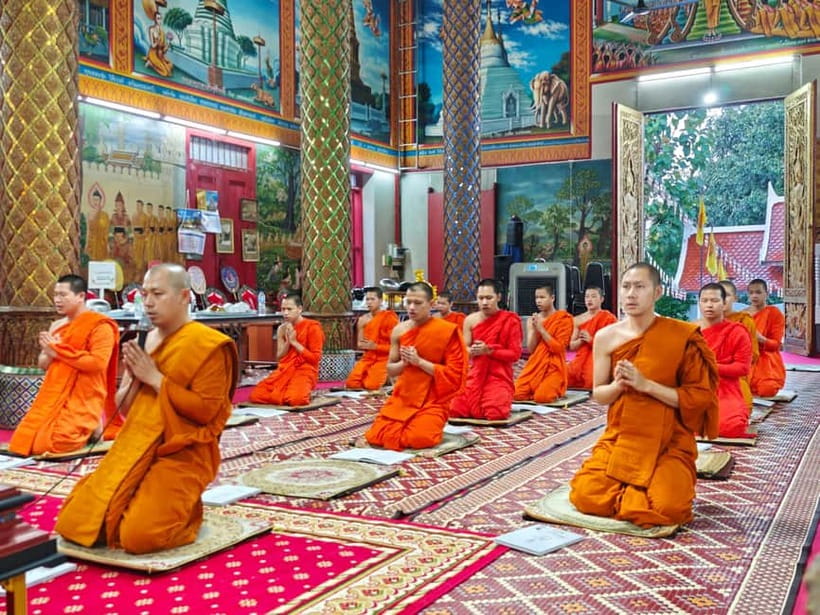
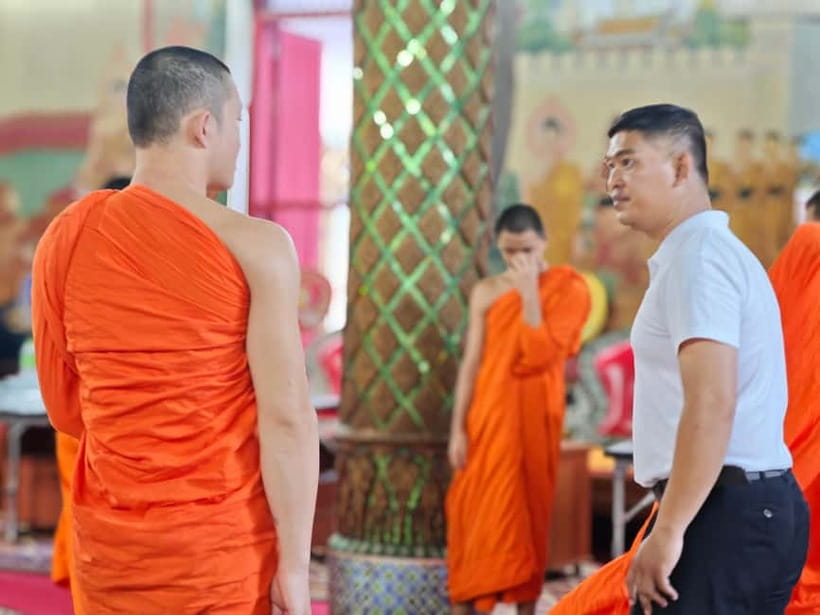
The most valuable part for many people may come after the formal schedule. Senior monks and lay practitioners share their understanding, and you have an opportunity to ask questions.
Former guide Son is frequently named in the booking information and is described as having spent 13 years as a monk. His role gives the explanations a personal angle. He can discuss Buddhist ideas, everyday monastic life, and how the practices relate to ordinary decisions and habits.
Other guides include Earth, Big, and Paponsonkl. The guide assigned to your date may differ, but the language options are English and Thai. The strongest feedback centers on guides who explain clearly and make complex ideas approachable rather than treating the evening as a lecture.
The discussion can last longer than expected. One account describes about two and a half hours of talking and listening after the meditation. That may not be the standard timing for every group, but it shows why you should keep your evening open instead of booking a tightly timed dinner or show immediately afterward.
You may hear about the Buddha’s life, the basics of Buddhist philosophy, the daily routine of monks, and the purpose behind chanting and meditation. The value lies in asking direct questions. If you are curious about how Buddhist principles work outside the temple, this is the time to ask.
Some sessions may also include a short blessing. That is not listed as a guaranteed part of every booking, so treat it as a possible addition rather than a promised feature.
Same base, a different sort of day:
- Half-Day Thai Cooking Class at Organic Farm in Chiang Mai
★ 5.0 · 19,087 reviews - Chiang Mai: Elephant Sanctuary, Waterfall & Bamboo Rafting
★ 4.9 · 9,160 reviews - Chiang Mai: Doi Inthanon National Park Eco-Friendly Tour
★ 4.6 · 6,667 reviews - Chiang Mai: Elephant Sanctuary & Waterfall Group Tour
★ 4.9 · 5,780 reviews
Why the $20 Price Can Be Good Value
At $20 per person, this is an inexpensive way to spend an evening in Chiang Mai. The price includes the guided meditation, participation in the chanting experience, and explanations of Buddhist practice.
You are paying for access and interpretation rather than transport, food, or a long list of attractions. That distinction matters. If you want a packaged evening with hotel pickup and dinner, this is not that kind of tour.
The experience can offer better value than a standard temple visit because a normal sightseeing stop may show you the building but not explain the ritual taking place inside. Here, the guide helps you understand what the monks are doing and gives you time to speak with people who live or practice within the tradition.
The price also works well for solo visitors. You do not need to arrange a private meditation session or find a temple willing to explain its evening practice. The guide handles the introduction and helps you follow the etiquette.
Still, value depends on your expectations. If you dislike sitting quietly, have little interest in Buddhism, or want constant sightseeing, three hours may feel long. If you want a respectful introduction to Buddhist practice, the combination of chanting, meditation, and conversation makes the fee reasonable.
Practical Details Before You Go
Bring water and wear comfortable, modest clothing. Long, loose clothing is the safest choice because you are entering a religious setting and may sit for an extended period.
Arrive at least 15 minutes early. This gives you time to find the guide, settle your mind, and deal with any confusion over the meeting point. The stated location may change, so check the latest instructions rather than heading automatically to the first temple name you see.
Transportation to and from the temple is not included. Meals and drinks are also your responsibility. Plan your route in advance and do not assume the guide will provide a transfer from your hotel.
Smoking and flash photography are not allowed. Keep your mobile device silent from the start. During chanting, avoid casual conversation and follow the guide’s instructions about sitting and participating.
The experience is offered in English and Thai. Children under 10 are not permitted, and the activity is not suitable for people with back problems or wheelchair users. These limits are worth taking seriously because much of the evening involves sitting quietly in a temple setting.
Free cancellation is available up to 24 hours before the start time, and you can reserve now and pay later. Starting times vary, so check availability for your date.
Who Will Appreciate This Experience Most
This suits you if you have already seen Chiang Mai’s major temples and now want to understand how one functions as a place of practice. It also works for first-time visitors who want a gentle introduction rather than a formal religious course.
You do not need to be Buddhist or experienced in meditation. The guide explains the basics, and the meditation is brief. Curiosity and respectful behavior matter more than background knowledge.
It is particularly useful for people who want to ask personal questions. Former monks such as Son can explain matters that are hard to learn from a guidebook, including the daily life of monks and the practical meaning of Buddhist teachings.
Couples, solo visitors, and small groups with an interest in culture should find the format manageable. The evening also suits anyone who wants a quiet break from Chiang Mai’s food markets and nightlife.
I would hesitate to recommend it if you need accessible facilities, cannot sit comfortably, or want a highly structured tour with exact start and finish times. The conversation may extend, and the spiritual setting requires patience.
Should You Book the Chanting and Meditation Evening?
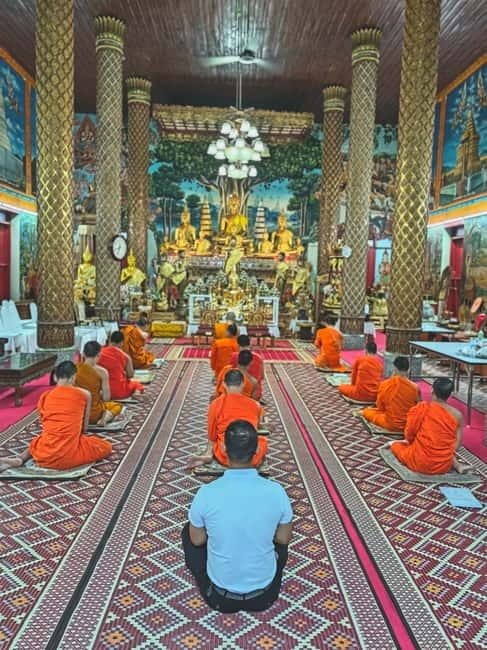
Book it if you want real contact with Buddhist practice, not just another temple photo. The chanting, Metta exercise, and 15-minute meditation create a thoughtful three-hour visit, while guides such as Son add useful context from personal experience.
Go with an open mind and modest clothing. Confirm the meeting point, allow extra time for questions, and understand that the chant will not be translated into English as it happens.
At $20, this is a strong choice for culturally curious visitors who value conversation and quiet attention. Skip it if sitting, silence, or an uncertain finish time would frustrate you. For everyone else, it offers one of Chiang Mai’s more personal evening activities.
FAQ
How long does the Chiang Mai chanting and meditation experience last?
The advertised duration is three hours. The itinerary also describes a two-hour guided portion, and conversations after meditation may extend the evening, so allow the full three hours.
Where is the meeting point?
The meeting information names Wat Lok Moli, where the guide waits in front of the temple. The activity itself refers to Wat Chai Sri Phoom, and another itinerary reference gives A Chef’s Tour Chiang Mai Food Tours as the start and end point. Check the final instructions because the location may change.
What does the $20 price include?
The price includes the guided meditation, chanting with monks, and explanations of Buddhist philosophy and practice.
Is transportation included?
No. You arrange your own transportation to and from Wat Chai Sri Phoom or the confirmed meeting point.
What languages are available?
The live guide can conduct the experience in English or Thai.
What should I wear and bring?
Bring water and wear comfortable, modest clothing that respects temple traditions. Silence your mobile device before the session begins.
Who cannot take part?
The activity is not suitable for children under 10, people with back problems, or wheelchair users. Smoking and flash photography are also not allowed.
Just added in Chiang Mai
- 8 hour Sticky waterfall, ATV and White water rafting Adventures★ 5.0 · 308 reviews
- Meditation Retreat and Self-Care in Nature★ 5.0 · 46 reviews
- 1 Hour Deep Tissue Thai Massage with Balm – Free Transportation★ 5.0 · 64 reviews
- Whitewater Rafting Adventure★ 5.0 · 205 reviews
- Chiang Mai: Art in Paradise Illusion Museum Entry Ticket★ 4.4 · 82 reviews
- Doi inthanon National Park + 2Hour Fantastic Trekking with Lunch★ 4.5 · 233 reviews
- Top Pick – Full or Half Day @Elephant in Wild Sanctuary ChiangMai★ 4.5 · 229 reviews
- The 10 Tastings of Chiang Mai With Locals: Private Street Food Tour★ 5.0 · 216 reviews
Yoga & Meditation Retreats, compared.
Spiritual Sunrise Wat Doi Suthep, Pha Lat, Alms & Meditation
Read our review →
Browse the lists this tour appears in