
Reviewed · RIVER KWAI & KANCHANABURI TOURS
Bridge on the River Kwai and Thailand-Burma Railway Tour
The most powerful part of this day is not the bridge itself. It is the quiet row of graves at Kanchanaburi War Cemetery, followed by the knowledge that the railway you ride was built by prisoners of war and forced laborers under brutal wartime conditions. I like the mix of serious history and outdoor travel: you move from cemetery and museum to a fast long-tail boat, then through the Thai countryside by train. The rural views of rice fields, sugarcane, and pineapple farms add another layer to the day.
I also like that the $108.17 price covers hotel pickup at selected Bangkok hotels, transport, admissions, lunch, the boat, and the train. Guides such as Betty, Luck, Peter, Jenny, and Suki have earned praise for good timing, clear explanations, and helping with photos. The drawback is the distance: this is a long 9 to 10-hour day, and the vehicle or museum may not meet every expectation.
Key points to know before booking
- The cemetery sets the tone: Allow yourself time for a quiet visit before the busier parts of the day.
- The 90-minute train ride is the main scenic payoff: You pass through rural Thailand while riding part of the Death Railway.
- The long-tail boat gives you the best approach to the bridge: Expect a short, lively ride of about 20 minutes.
- The museum is modest: It offers photographs, paintings, and wartime information, but it may feel basic if you want a large, polished museum.
- The train upgrade costs extra: About 200 baht guarantees a seat and adds water and a cold towel; about 300 baht adds tea or coffee and a certificate.
- The early start matters: Pickup begins around 6:30 a.m., and you must provide correct hotel details when booking.
Why the Bridge on the River Kwai still matters
The River Kwai Bridge is famous from film and popular culture, but the real place is less about movie drama than human suffering. The bridge and railway were part of a Japanese wartime project intended to create a direct rail link from Bangkok to Rangoon, now Yangon, in 1943.
Thousands of Allied prisoners of war and forced laborers died during construction. That fact changes how you see the bridge. You are not simply visiting a famous crossing or taking a pleasant train ride. You are moving through a site connected to exhaustion, disease, violence, and loss.
I appreciate that this tour begins with the cemetery rather than rushing straight to the bridge. The order gives you a needed frame of reference. By the time you reach the river and railway, the scenery has more weight.
This is best approached as a memorial and history day with scenic transport added in. If you want a relaxed sightseeing trip with constant entertainment, the subject matter and long drive may feel heavy. If you want to understand an important part of World War II in Thailand, the day has real value.
Other long days west of Bangkok:
- From Bangkok: Erawan Park & Kanchanaburi Small-Group Tour
★ 4.5 · 1,582 reviews - From Bangkok: Historical Day Tour to River Kwai
★ 4.6 · 868 reviews - Erawan Waterfalls and Bridge Over River Kwai Tour from Bangkok
★ 4.5 · 372 reviews
The long ride from Bangkok to Kanchanaburi
Pickup starts at about 6:30 a.m. from selected Bangkok hotels. You then travel west toward Kanchanaburi, about 80 miles, or 130 kilometers, from Bangkok.
The drive takes up a large part of the day, so your expectations matter. You will spend substantial time in an air-conditioned coach, and comfort can vary. One useful point from the experience is that not every vehicle feels equally comfortable, so a small pillow or light layer could make the ride easier.
The reward is the change in scenery. Bangkok gives way to agricultural areas with rice paddies, sugarcane, and pineapple plantations. You get a look at ordinary rural Thailand rather than another city attraction.
Your guide may use the drive to explain the region, the war, and Thai customs. The strongest guide reports describe people such as Luck, Tiny, Peter, Jenny, and Suki keeping the group on schedule while adding useful historical detail. One guide also helped with photos and made sure a guest with dietary needs received a suitable meal.
That quality may depend on the guide assigned to your group. Some visitors have found the explanations excellent, while others wanted more information about the places passed along the road. I would treat the coach ride as useful travel time, but not assume every minute will come with commentary.
Kanchanaburi War Cemetery: start with respect
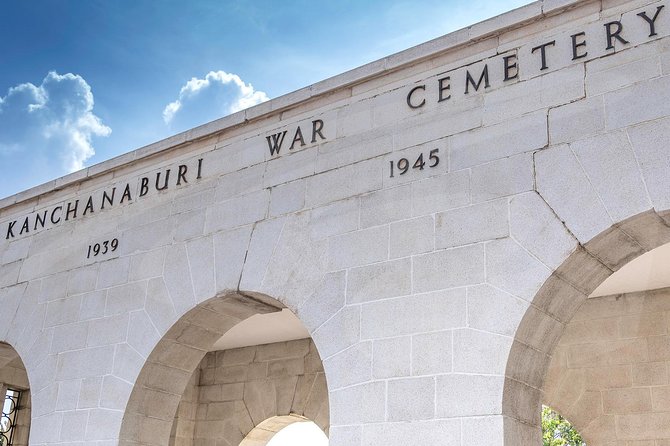
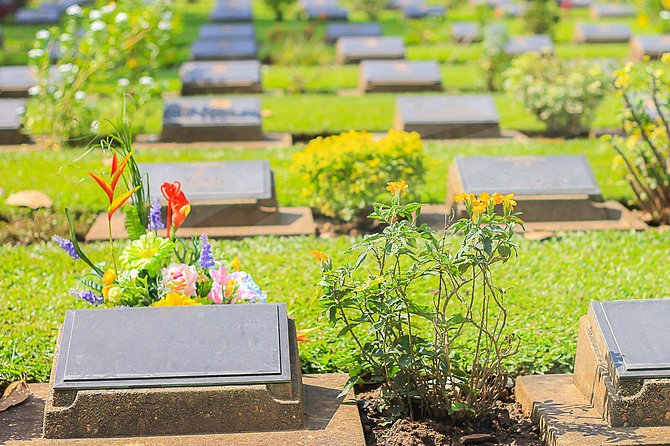
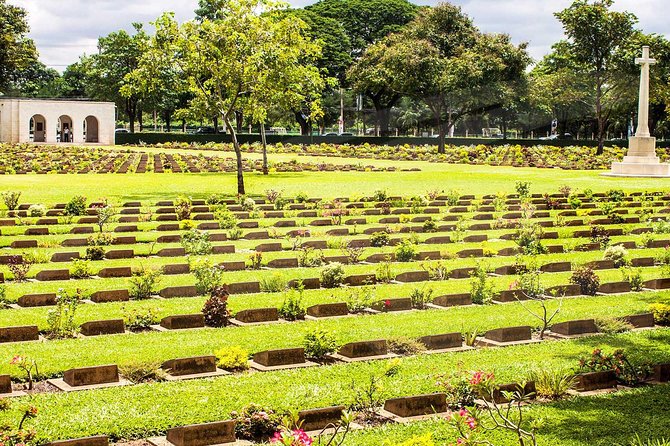
The Kanchanaburi War Cemetery is the emotional center of the first part of the tour. It is the main prisoner of war cemetery connected with those who died while building the Burma Railway during World War II.
The visit lasts about 30 minutes, with admission included. That is enough to walk among the graves and take in the setting, but it is not a long period for careful research or extended reflection.
I suggest slowing down here. Read some of the names and dates. Notice how orderly and peaceful the cemetery feels compared with the harsh conditions faced by the railway workers. The contrast is part of the experience.
You may find this stop more affecting than the bridge itself. The bridge is famous and photogenic. The cemetery makes the human cost personal.
If you have a particular family or military interest, 30 minutes may feel short. Still, the stop is well placed early in the day, before the boat, lunch, and train add a more recreational rhythm.
JEATH War Museum: useful, but not polished
The JEATH War Museum follows the cemetery and focuses on the construction of the Death Railway and the prisoners of war who built it. You have about 20 minutes, with admission included.
Expect historical photographs, paintings, and displays rather than a large modern museum complex. The material helps explain what you are seeing later, but the museum can feel basic. If you prefer broad historical context, you may want to listen closely to your guide because the display itself may not answer every question.
The short visit also limits how much you can read. You will need to choose what catches your attention instead of studying every panel.
I see the museum as a quick orientation, not the reason to book the whole day. The cemetery supplies the quiet reflection. The museum supplies visual context. The bridge and train then connect that information to the actual setting.
The published tour information also names the Death Railway Museum and Research Centre in connection with the railway portion. Since the listed timing gives 90 minutes to the train ride, confirm with your guide how the museum stop is handled on your departure.
Same base, a different sort of day:
- Bangkok: Damnoen Saduak Market and Maeklong Railway Market
★ 4.5 · 26,723 reviews - The Old Siam: Damnoen Saduak and Maeklong Railway Market
★ 4.5 · 10,992 reviews - From Bangkok: Ayutthaya Temples Guided Tour with Lunch
★ 4.7 · 10,535 reviews - Bangkok: Train Market & Floating Market with Boat Ride
★ 4.7 · 9,547 reviews
The long-tail boat to the River Kwai Bridge
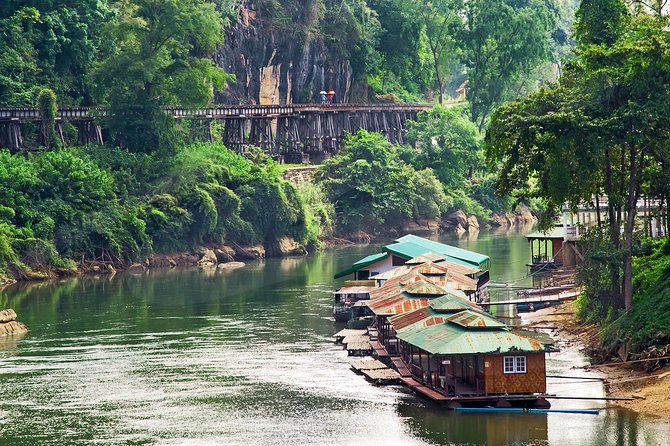
The boat ride is one of the day’s most enjoyable changes of pace. You board a long-tail speedboat for about 20 minutes and travel along the Kwai River toward the bridge.
This is not a long river cruise. It is a lively transfer with engine noise, wind, and a closer view of the river. You approach the bridge from the water and pass beneath it, which gives you a more memorable angle than arriving only by road.
Bring your camera, but keep it secure. The boat is moving, and the ride is described as exhilarating rather than quiet. The short length works well because it adds fun without turning the day into a second major excursion.
Once at the River Khwae Bridge, you have roughly 20 minutes to look around on your own. That is enough to cross part of the bridge, take photographs, and absorb its setting. It is not enough for a leisurely visit if the area is busy or you want extensive time beside the river.
Some people consider the boat approach better than arriving by road. I can see why. The bridge appears as part of the river setting, rather than as an isolated structure reached through ordinary traffic.
The bridge itself: famous, but keep the moment in perspective
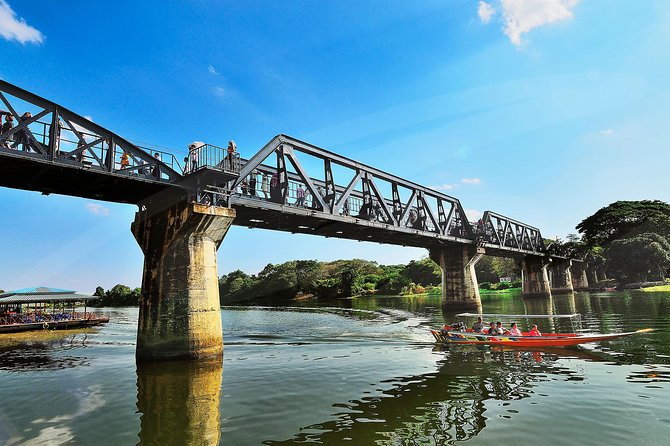
The bridge is the most recognizable sight on the tour, so it naturally attracts attention. You can walk across it and see the railway from close range before riding part of the line yourself.
The experience is not a grand museum visit or a long guided walk. It is a short, concentrated stop. Your guide may explain the bridge’s wartime purpose, while you take in the river and the tracks.
Photography is easy here, and several guides have been praised for helping guests get good pictures. Still, I would not let the photo stop crowd out the reason you came. The bridge is a place to remember the people who built and died on the railway, not only a backdrop.
The film connection has made the name familiar worldwide, but the real setting is more subdued. Expect a working railway environment and a scenic crossing, not a theatrical recreation of the past.
Riding the Death Railway for 90 minutes
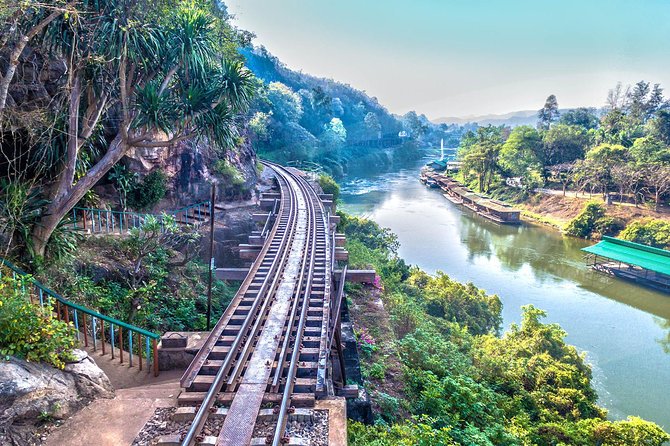
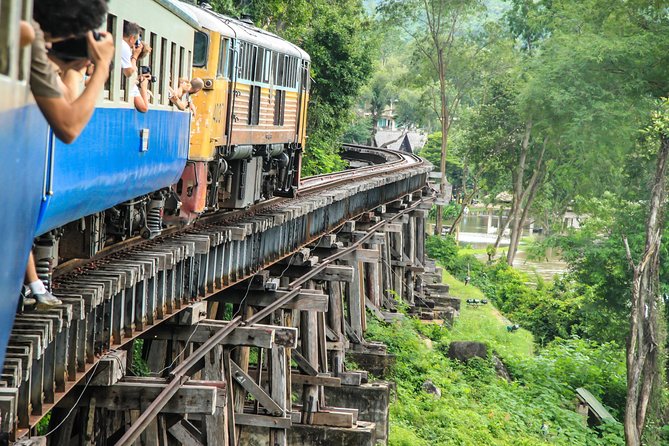
The train ride is the day’s main active experience. You board the Death Railway for about 1 hour and 30 minutes, traveling through the Thai countryside and along a route connected to the wartime railway project.
For railway enthusiasts, this is the strongest part of the tour. You are not only hearing about the line. You are riding it, watching the countryside pass, and seeing the curves and difficult terrain that made railway construction such a hard task.
The ride also gives you a different view of Thailand. Instead of moving quickly along a highway, you travel at a slower pace through rural areas. The scenery is pleasant, but the historical setting keeps it from feeling like an ordinary train trip.
Seating deserves attention. Standard seating is first come, first served. An optional upgrade costs about 200 baht and includes a guaranteed seat, drinking water, and a cold towel. A roughly 300 baht option also includes tea or coffee and a certificate.
The upgrade may be worth considering if you want a guaranteed seat or prefer a little more comfort. One person described the train ride as especially enjoyable after paying for the higher class, with refreshments and a certificate included. The train portion is not a private carriage, so the upgrade should be viewed as a practical add-on rather than luxury travel.
The ride can be dusty. One guide supplied masks for the train, which is a thoughtful touch, but I would still carry a mask or scarf if you are sensitive to dust. The tour calls for a moderate level of physical fitness, so you should be comfortable getting on and off transport and managing a full day of movement.
Lunch and the value of the $108.17 price
Lunch is included, along with admission fees, the air-conditioned vehicle, guide, boat ride, train ride, and hotel pickup and drop-off from selected hotels. Beverages are not included, so keep money available for drinks.
At $108.17 per person, the value depends on how much you want handled for you. Booking each element separately would require arranging transport from Bangkok, finding your way to Kanchanaburi, paying museum and cemetery-related admissions, organizing the river boat, and working out the train ride.
The price is easier to justify if you have only one free day and want the major stops combined. It is less attractive if you dislike early starts, long coach rides, or organized group timing.
Lunch has received especially warm praise, with one description highlighting a beautiful restaurant and another calling the meal delicious. The setting and menu can vary, so I would see lunch as a welcome included break rather than the central reason to choose the tour.
If you have dietary needs, tell the operator when booking and remind your guide early in the day. A suitable alternative meal was provided for one guest, but you should not leave such requests until lunchtime.
Guides make the biggest difference
The guide can shape the entire day. A strong guide connects the cemetery, museum, bridge, boat, and railway so they feel like parts of one story.
Betty was praised for detailed explanations and help with photographs. Luck was singled out for good timing and making the day feel special. Tiny was described as well informed about Thailand and local customs. Peter was praised for being entertaining, informative, and attentive from pickup through lunch. Jenny took care of comfort and explained each major stop clearly. Suki was noted for his grasp of the railway’s history and for caring for a small group.
Those names show the level of personal attention that is possible, but they do not guarantee who will lead your departure. The tour can still be worthwhile with a less talkative guide, but the difference matters. Some experiences have felt under-explained, especially during the drive through areas outside the main stops.
If you care strongly about historical interpretation, use the included guide time well. Ask questions at the cemetery, museum, and bridge. You may get far more from the day than someone who simply follows the group from one stop to the next.
Group size, comfort, and timing
The maximum group size is listed as 99 people, although actual departures may be smaller. A small group can make boarding, photo stops, and questions easier. A large group may mean more waiting and less time standing quietly at each site.
The full day runs roughly 9 to 10 hours. Pickup at 6:30 a.m. helps the group reach the first sites before the day becomes too hot or crowded, but it also means you need an early night beforehand.
Restroom facilities are available. The tour requires moderate physical fitness, and you should expect walking at the cemetery, museum, bridge, and train station. The exact surfaces and boarding conditions are not detailed, so wear practical shoes.
Hotel pickup and drop-off are offered only at selected Bangkok hotels. Provide your hotel details when booking, since missing information can lead to cancellation. The tour is near public transportation, but the key convenience is the arranged coach rather than finding your own route west.
Free cancellation is available up to 24 hours before the start time. The operator also requires a minimum number of participants and may cancel after confirmation if that number is not met, with an alternative or full refund offered.
Who should book this day
I would choose this tour if you want a single organized day covering the main Kanchanaburi sights. It suits people interested in World War II, military history, railway travel, photography, and rural Thai scenery.
It also works well for first-time visitors who do not want to plan several separate transfers. The combination of coach, boat, and train keeps the day varied, even though the long drive remains part of the bargain.
I would hesitate if you want a slow, deeply researched museum experience. The JEATH Museum visit is brief and may feel basic. I would also hesitate if long vehicle journeys wear you down or if you want lots of unstructured time at the bridge and cemetery.
Should you book the Bridge on the River Kwai tour?
Book it if you want the emotional sites and the transport experiences together. The cemetery gives the day purpose, the museum adds visual context, the boat makes the bridge approach memorable, and the 90-minute train ride lets you experience part of the line rather than only looking at it.
The best reason to book is the combination. The best reason to pause is the long day and uneven comfort. At $108.17, the included transport, lunch, admissions, boat, train, and guide make the price reasonable for a one-day visit from Bangkok.
Choose the train upgrade if a guaranteed seat matters to you. Bring water money, a mask for possible dust, practical shoes, and patience for the drive. Most important, arrive ready to treat the cemetery and railway as memorial places first, and sightseeing stops second.
FAQ
How long is the Bridge on the River Kwai tour?
The experience lasts approximately 9 to 10 hours, including travel from Bangkok to Kanchanaburi and the return journey.
What time does the tour start?
The stated start time is 6:30 a.m. Pickup is offered from selected Bangkok hotels.
Is hotel pickup included?
Yes, hotel pickup and drop-off are included for selected Bangkok hotels. You must provide your hotel details when booking.
What is included in the tour price?
The price includes an air-conditioned vehicle, local guide, long-tail boat ride, Death Railway train ride, lunch, admission fees, and selected hotel pickup and drop-off.
Are drinks included with lunch?
No. Beverages are not included.
How long is the Death Railway train ride?
The train portion lasts about 1 hour and 30 minutes.
Can I reserve a seat on the train?
An optional upgrade costs approximately 200 baht and guarantees a seat while adding drinking water and a cold towel. An option costing about 300 baht also includes tea or coffee and a certificate.
What is the cancellation policy?
You can cancel at least 24 hours before the start time for a full refund. Cancellations or changes made less than 24 hours before departure are not accepted for a refund.
Just added in Bangkok
- Bangkok: City Culture half-day Bike Tour★ 5.0 · 19 reviews
- Bangkok: A 4 Hours Tuk Tuk Sightseeing Tour Iconic Landmarks★ 4.3 · 8 reviews
- Bangkok: 2 Hours Grand Palace & Wat Pho Private Tour★ 4.9 · 15 reviews
- Bangkok: Muay Thai Boxing Class for Beginners★ 5.0 · 189 reviews
- Bangkok: 2 Temple Tour (Golden Buddha + Marble Temple)★ 3.6 · 88 reviews
- Bangkok: Baiyoke Observation Deck Ticket with Buffet Meal★ 4.2 · 188 reviews
- Ayutthaya: Private Boat Tour with Optional Temple Visits★ 4.6 · 102 reviews
- Bangkok: Chao Phraya Alangka Cruise at Icon Siam★ 3.8 · 36 reviews
River Kwai & Kanchanaburi Tours, compared.
From Bangkok: Erawan Park & Kanchanaburi Small-Group Tour
Read our review →
From Bangkok: Historical Day Tour to River Kwai
Read our review →
Erawan Waterfalls and Bridge Over River Kwai Tour from Bangkok
Read our review →
Bridge on the River Kwai and Thailand-Burma Railway Guided Tour
Read our review →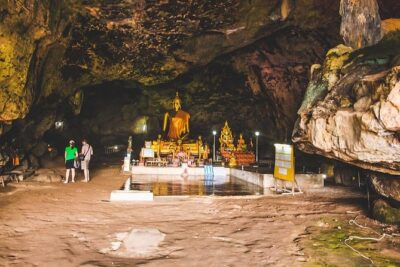
Erawan Waterfall and Elephant Care: Private Tour to Kanchanabur
Read our review →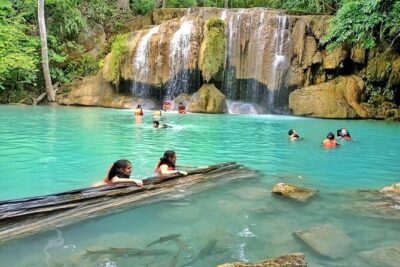
Kanchanaburi Full Day Tour: River Kwai and Erawan Falls
Read our review →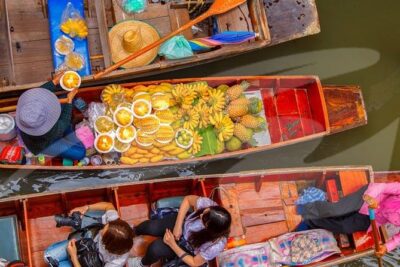
Floating Markets and Bridge on River Kwai Tour from Bangkok
Read our review →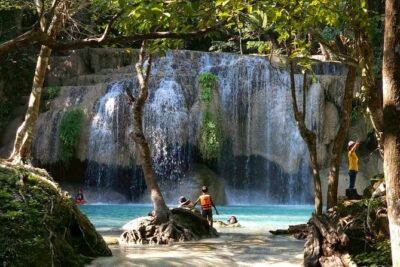
Private Tour to Erawan Waterfall and Boat Tour in Kanchanaburi
Read our review →Browse the lists this tour appears in