
Reviewed · RIVER KWAI & KANCHANABURI TOURS
Kanchanaburi River Kwai & Death Railway Full-day From Bangkok
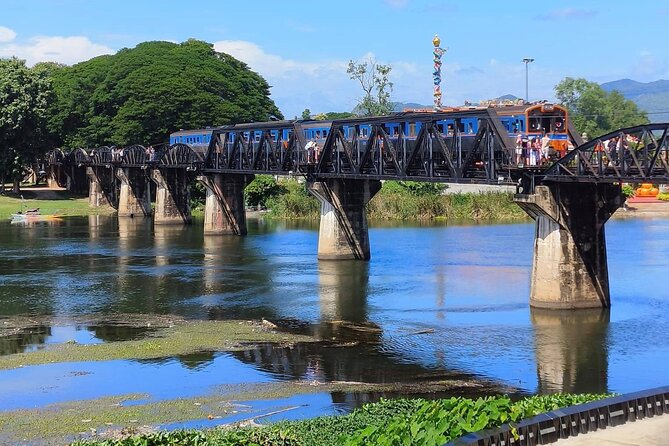
The most powerful part of this day is seeing how a famous film location connects to a very real wartime tragedy. You walk across the Bridge over the River Kwai, visit the cemetery where Allied prisoners of war are remembered, and ride a surviving section of the railway built under brutal conditions.
I like the way the tour joins several sites into one clear story, and I like that lunch, train tickets, entrance fees, water, and transport are included. The day is also well organized when the guide is strong. Guides named Oom, Rach, Alex, and Tum Tum have been praised for good timing and clear information.
The trade-off is simple: this is a long day with plenty of road time. Guide quality can vary, and some departures have offered too little explanation at the sites. The final stop also needs checking, since the published details describe Krasae Cave while one departure ended at a waterfall.
Key points to know before booking
- See the real River Kwai Bridge: Walk across the famous railway bridge and learn how its wartime story differs from the film version.
- A full history circuit: The cemetery, JEATH War Museum, railway centre area, bridge, train ride, and Krasae Cave cover the main Kanchanaburi sights.
- About 11 hours from Bangkok: A 6:30 a.m. start and long drives make this a serious day trip, not a relaxed outing.
- Good inclusions for the price: The $75.83 fee includes transport, lunch, train fare, admissions, water, a cool towel, insurance, and an English-speaking guide.
- Guide quality matters: Strong guides such as Rach, Alex, Oom, or Tum Tum can make the historical stops far more meaningful.
- Central Bangkok return point: Pickup may be available from hotels in central Bangkok, while the listed meeting and drop-off point is MBK Center.
Why Kanchanaburi is worth a full day from Bangkok
Kanchanaburi is not a quick city excursion. It sits well beyond Bangkok, so the tour spends a large part of the day getting there and back. That sounds inconvenient, but it is the price of reaching the cemetery, museums, bridge, railway, and cave in one outing.
The subject is serious. Between 1942 and 1945, Japanese forces built a railway linking Thailand and Burma, now Myanmar, using Allied prisoners of war and Asian laborers under terrible conditions. The railway became known as the Death Railway because so many people died during its construction.
I find the route valuable because it avoids treating the bridge as just a photo stop. The cemetery gives the names and graves a human scale. The museum provides photographs and objects. The train ride shows the physical setting of the railway itself. Each part adds something different.
This is best for you if you want history with your sightseeing and are willing to spend most of a day away from Bangkok. It is less suitable if you dislike early starts, long vehicle rides, heat, or a tightly timed group schedule.
Other long days west of Bangkok:
- From Bangkok: Erawan Park & Kanchanaburi Small-Group Tour
★ 4.5 · 1,582 reviews - From Bangkok: Historical Day Tour to River Kwai
★ 4.6 · 868 reviews - Bridge on the River Kwai and Thailand-Burma Railway Tour
★ 4.5 · 658 reviews
The 6:30 a.m. start and the journey west
The listed start time is 6:30 a.m. You can meet the group at MBK Center, 444 Phaya Thai Road, or request a one-way hotel pickup if your hotel is in central Bangkok. The group returns to MBK Center, so plan your evening around that point rather than expecting a hotel drop-off.
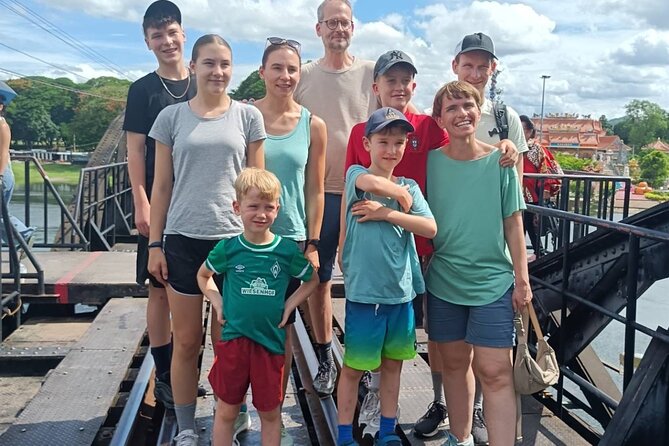
Transport is by air-conditioned vehicle. Bottled water and a cool towel are supplied, and guides have made toilet stops when needed. Those small details matter on an 11-hour outing, particularly if you are traveling with young children. One family completed the tour with two children aged three and under, but the long drive remains the main challenge.
The tour is described as small-group, yet the maximum capacity is listed as 100 people. That is a wide gap between the marketing language and the formal limit. Your actual group may be much smaller, but you should not assume a private or very intimate experience.
The guide is important from the first hour. A strong guide can use the driving time to set out the wartime background and explain what you are about to see. On weaker departures, the historical commentary has been limited, with some people receiving little explanation beyond a short talk at the cemetery.
Kanchanaburi War Cemetery: a quiet first stop
The war cemetery is one of the most affecting parts of the day. Its neatly maintained grounds contain the graves of prisoners of war who died during construction of the railway. The setting is quiet and ordered, which makes a sharp contrast with the conditions these men endured.
You should allow yourself a slower pace here. Read the names, look at the dates, and take in the scale of the cemetery rather than rushing straight to the next photo. The published schedule gives a broad three-and-a-half-hour block around the first section of the day, including the cemetery and nearby historical visits, though the exact time at each site can change.
The cemetery is also where guide quality becomes obvious. A short, clear explanation can give the place meaning without turning it into a lecture. If your guide offers only a minute of background, use the displays and signage to build your own understanding, then ask direct questions.
JEATH War Museum and the human cost
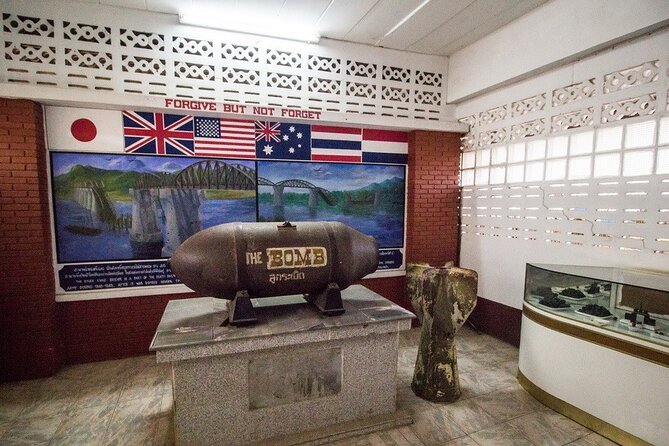
The JEATH War Museum takes about 30 minutes in the listed schedule. Its name comes from the countries linked to the railway story: Japan, England, America, Australia, Thailand, and Holland.
The museum presents photographs and information about the prisoners of war and the harsh conditions surrounding the railway. It is not simply a stop to fill time. After the cemetery, it helps explain how the railway was built and why the name Death Railway carries such weight.
Thirty minutes is enough for a focused visit, but not enough for a slow reading of every display. If you are drawn to military history, you may wish the schedule allowed longer. The advantage of the short visit is that you still reach the bridge, train, and cave in one day.
There is also a Thailand-Burma Railway Centre listed in the overall program description, although the detailed stop list gives the JEATH War Museum as the named museum visit. If seeing the railway centre is essential to you, confirm the exact day’s stops before booking.
Same base, a different sort of day:
- Bangkok: Damnoen Saduak Market and Maeklong Railway Market
★ 4.5 · 26,723 reviews - The Old Siam: Damnoen Saduak and Maeklong Railway Market
★ 4.5 · 10,992 reviews - From Bangkok: Ayutthaya Temples Guided Tour with Lunch
★ 4.7 · 10,535 reviews - Bangkok: Train Market & Floating Market with Boat Ride
★ 4.7 · 9,547 reviews
Walking across the River Kwai Bridge
The bridge is the most recognizable sight on the route. You can walk across it and look along the railway line over the River Kwai Yai. Trains still use the railway, so this is an active transport route, not only a preserved monument.
The bridge itself is visually striking, but the value comes from knowing what it represents. Japanese forces built a meter-gauge railway from Ban Pong in Thailand toward Thanbyuzayat in Burma during World War II. The bridge became famous around the world through the film The Bridge on the River Kwai, though the real events were harsher and more complicated than the movie suggests.
The bridge area can feel more public and commercial than the cemetery. That is normal for a famous attraction. You may have less quiet here, and the walking surface and railway setting call for attention. Keep to the safe areas and follow the guide’s instructions when trains or other groups are nearby.
The scheduled visit is about two hours, which gives you time to walk across, take photographs, and hear the story. I would use this stop to ask how the real railway differs from the film. That question can turn a familiar movie reference into a more useful historical conversation.
The Death Railway train ride
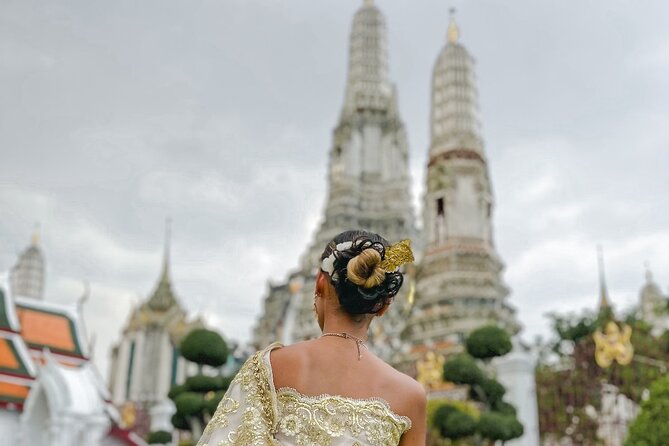
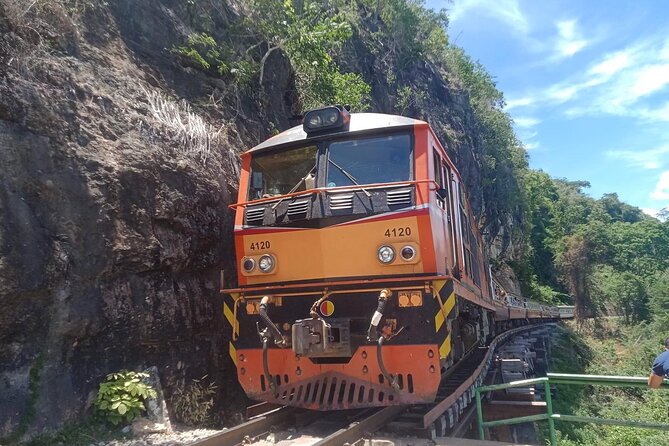
The train ride is one of the best reasons to choose this particular day trip instead of visiting only the bridge and cemetery. From the carriage, you see the railway as a working route through Kanchanaburi rather than as a static monument.
The experience is scenic, but its importance is historical. You are riding on a surviving section of the line built during the war, which connects the modern view outside the window with the work done by prisoners and laborers.
The train ticket is included. One person also valued a longer ride in the end train compartment, noted as costing 300 baht separately in the context of another arrangement. Treat that as a possible optional detail rather than a standard inclusion, since the supplied tour information only confirms that a train ticket is included.
Schedules can affect how long you spend on the train and how much time remains at the other stops. This is one place where a well-timed guide makes a real difference. Rach was praised for keeping the day on schedule, while Alex was praised for clear English and a friendly manner. Those qualities help when a railway timetable controls the pace.
Lunch, comfort, and the value of the package
A buffet lunch at a Thai restaurant is included. The tour does not name the restaurant or give a sample menu, so you should expect a practical group meal rather than plan around a specific specialty dish.
At $75.83 per person, the price looks fair for the amount included. You are paying for a full-day air-conditioned vehicle from Bangkok, an English-speaking guide, admissions, the train ticket, lunch, drinking water, a cool towel, and travel insurance. Booking these pieces separately would take more planning and could easily add up, especially once transport from Bangkok is included.
The value is strongest if you want to see several sites in one day. It is weaker if you prefer to spend hours at one museum or move at your own pace. A group tour buys convenience, but it also limits your control over how long you stay.
Tips for the guide and driver are not included. They are voluntary, so bring cash if you want to show appreciation at the end.
Krasae Cave and the railway beside the river
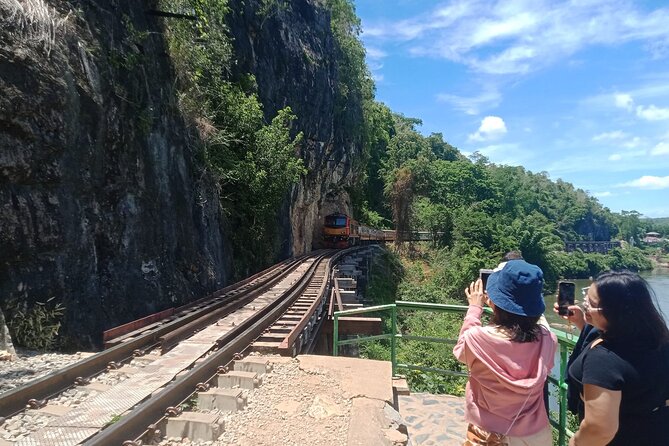
Krasae Cave is described as a historic place where prisoners of war once rested, located beside the Death Railway. The route lets you walk along the railway and pause near the cave, with a Buddhist shrine or statue adding another layer to the setting.
This stop brings together the railway’s physical hardship and the area’s present-day religious life. It is less formal than the cemetery or museum, and you may find the atmosphere more open and scenic.
The detailed timing gives this final section a five-hour block, which appears to include the later railway and cave portion rather than five hours inside the cave itself. The schedule is not fully precise, so expect timing to depend on the train, traffic, and the day’s group arrangements.
One important caution: a departure ended at a waterfall in a national park instead of the cave described in the program. The waterfall was considered pleasant, but it was not the advertised attraction. If Krasae Cave is a must-see for you, confirm the final stop shortly before departure.
How much information will your guide provide?
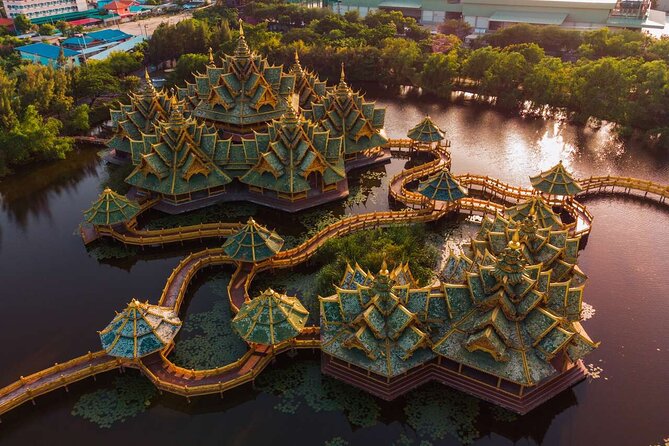
The tour promises a professional English-speaking guide, but the actual level of commentary can vary. Several guide names are associated with strong departures. Oom was praised for explaining the World War II connection, Rach for detailed knowledge and precise timing, Alex for good English and an upbeat manner, and Tum Tum for balancing information with time at each stop.
That is encouraging, but you should keep your expectations realistic. Other departures had very little explanation, a guide who was not present for much of the drive, or commentary that did not clearly address the group. One person also found the guide distracted by a mobile phone.
This matters more here than on a simple sightseeing trip. The bridge and train are easy to recognize, but the cemetery and museum need context. I would confirm the guide’s name at the start, ask questions during the drive, and request explanations at each site if the commentary is thin.
Who should book this Kanchanaburi tour?
I would choose this tour if you have only one day available from Bangkok and want the main Death Railway sights handled in one package. It suits history-minded visitors, first-time visitors to Kanchanaburi, families who prefer organized transport, and anyone who values lunch and admission fees being settled in advance.
It can also work well for people who want a film connection but are willing to look beyond the movie. The bridge is the hook, while the cemetery, museum, and railway provide the substance.
I would hesitate if you want a slow, quiet museum day, dislike long drives, or need certainty about every minute of the schedule. I would also confirm the final stop and ask about the expected group size if Krasae Cave or a smaller group is especially important.
Should you book it?
Book it if you want a practical, full-day introduction to Kanchanaburi and accept that the journey from Bangkok is part of the deal. The included transport, food, train fare, admissions, water, and insurance make $75.83 reasonable for a packed day.
Before paying, confirm hotel pickup eligibility, the exact museum and final stop, and whether the guide will provide full historical commentary. If those points are clear, this tour gives you a strong first look at the River Kwai Bridge and the Death Railway without having to arrange the route yourself.
Free cancellation is available up to 24 hours before the start time. Changes or cancellations made less than 24 hours ahead are not accepted for a refund.
FAQ
How long does the tour last?
The tour lasts about 11 hours, starting at 6:30 a.m. and returning to MBK Center in Bangkok.
Where does the tour start and end?
The listed meeting and drop-off point is MBK Center, 444 Phaya Thai Road, Bangkok. One-way hotel pickup may be available from hotels in central Bangkok.
Is lunch included?
Yes. A buffet lunch at a Thai restaurant is included in the tour price.
Is the train ticket included?
Yes. The tour includes a ticket for the Death Railway train ride.
Are entrance fees included?
Yes. All entrance fees listed for the experience are included.
Is transportation air-conditioned?
Yes. Transport is provided in an air-conditioned vehicle.
Is the tour available in English?
Yes. A professional English-speaking guide is included.
What is the cancellation policy?
You can cancel up to 24 hours before the experience start time for a full refund. Cancellations or changes made less than 24 hours before the start time are not accepted.
Just added in Bangkok
- re:leaf spa and massage★ 4.0 · 10 reviews
- Wonderful Pearl Dinner Cruise★ 3.5 · 27 reviews
- 3-Hour Bangkok Walking Tour: Wat Pho and Wat Arun★ 5.0 · 102 reviews
- Yoga in the Park Thailand★ 5.0 · 12 reviews
- Visit Wat Pho and Wat Arun with Local Expert★ 4.0 · 14 reviews
- White Orchid Sunset Dinner Cruise Calypso Ladyboy Cabaret Show★ 4.0 · 10 reviews
- Morning Buddhist Almsgiving, Grand Palace and Flower Market Tour in Bangkok★ 3.5 · 9 reviews
- Miracle Bangkok Airport Lounges – Relax Before You Fly★ 3.0 · 32 reviews
River Kwai & Kanchanaburi Tours, compared.
From Bangkok: Erawan Park & Kanchanaburi Small-Group Tour
Read our review →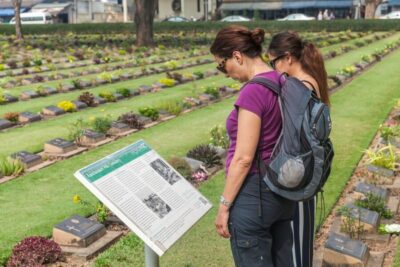
From Bangkok: Historical Day Tour to River Kwai
Read our review →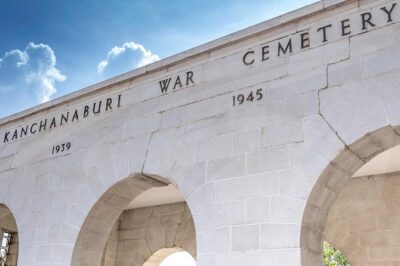
Bridge on the River Kwai and Thailand-Burma Railway Tour
Read our review →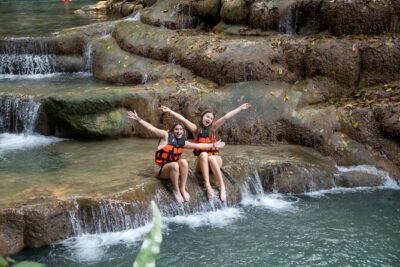
Erawan Waterfalls and Bridge Over River Kwai Tour from Bangkok
Read our review →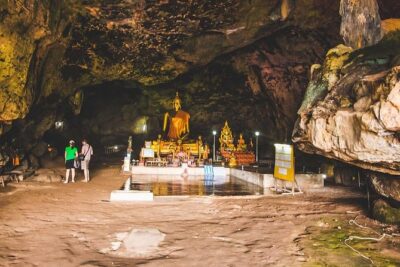
Erawan Waterfall and Elephant Care: Private Tour to Kanchanabur
Read our review →
Kanchanaburi Full Day Tour: River Kwai and Erawan Falls
Read our review →
Floating Markets and Bridge on River Kwai Tour from Bangkok
Read our review →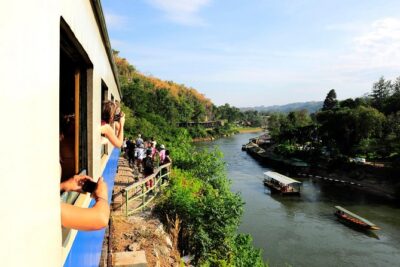
River Kwai Day Tour from Bangkok – History, Scenery & Culture
Read our review →Browse the lists this tour appears in