
Reviewed · RIVER KWAI & KANCHANABURI TOURS
Bridge on the River Kwai and Thailand-Burma Railway Guided Tour
The most moving part of this day is not the famous bridge itself. It is the chance to connect the bridge, the railway, the cemetery, and the small museum into one clear story about the Thailand-Burma Railway and the prisoners of war forced to build it. You will also ride part of the railway and cross the bridge on foot, which gives the history a physical setting instead of leaving it on a museum label.
I like the long-tailed boat ride and the train journey, since both add variety to a long road trip. I also like that guides such as Oom and Rach have earned strong praise for explaining the wartime background and answering questions. The main drawback is simple: this is a very long day, and Bangkok traffic can turn an advertised 11-hour outing into 12 to 14 hours.
Key points before you book
- The train ride is the heart of the day: You travel along part of the Death Railway, with open-window views of the countryside.
- The bridge is only one part of the story: The cemetery and JEATH War Museum help explain the human cost behind the famous film.
- The journey from Bangkok is demanding: Kanchanaburi is about 130 kilometers away, with roughly two to three hours each way by road.
- A 300 Baht train seat fee is extra: This is payable in cash to the guide or at the station.
- The boat ride adds real atmosphere: Expect a long-tailed speedboat ride on the river, though its length may vary.
- Private tours cost more but may suit you better: A private vehicle and guide give you more direct attention and less dependence on a group schedule.
Why the Bridge on the River Kwai deserves a full day
The Bridge on the River Kwai is often treated as a quick photo stop. That misses the point. The bridge became famous through Pierre Boulle’s book and the 1957 film, but the real story is broader and much darker.
During World War II, Japanese forces built a railway from Thailand toward Burma, now Myanmar, between 1942 and 1943. Prisoners of war and Asian forced laborers endured brutal conditions during the work. The bridge is one surviving part of that railway, but it represents a much larger system of camps, disease, hunger, exhaustion, and death.
This tour works because it links several sites rather than taking you straight to the bridge and back. You see the river from a boat, walk across the bridge, visit the cemetery, look through wartime material at the museum, and then ride the railway itself. I find that sequence useful because each stop answers a different question.
The tour has a strong military-history focus, but you do not need to be a specialist. A good guide can explain the major events in plain language and help you understand why the site matters today.
Other long days west of Bangkok:
- From Bangkok: Erawan Park & Kanchanaburi Small-Group Tour
★ 4.5 · 1,582 reviews - From Bangkok: Historical Day Tour to River Kwai
★ 4.6 · 868 reviews - Bridge on the River Kwai and Thailand-Burma Railway Tour
★ 4.5 · 658 reviews
The early Bangkok pickup and long road journey
Pickup begins around 7:00 am, though your vehicle may arrive 30 to 60 minutes earlier depending on your hotel. The service covers centrally located Bangkok hotels, and you need to provide accurate hotel details when booking.
The road trip is the least exciting part of the day. Kanchanaburi is not next door to Bangkok, and the drive can take two to three hours each way. Traffic can add a great deal of time, especially on the return to the capital. One person reported getting back at 8:30 pm after a 6:00 am pickup, so do not schedule an evening meal, show, or flight too close to the planned return.
The air-conditioned vehicle is practical rather than luxurious. Group size can reach 15 people, although some departures use smaller minivans. Comfort has been uneven, with complaints about firm seats and rough suspension, while other visitors found the vehicle clean and suitable for the journey.
I would bring water, tissues or toilet paper, a hat, and a small fan. Rest stops are part of the day, but facilities may rely on handheld bidet sprayers rather than providing paper. The road portion is a tradeoff you accept for reaching Kanchanaburi from Bangkok in one day.
A long-tailed boat approach to the river
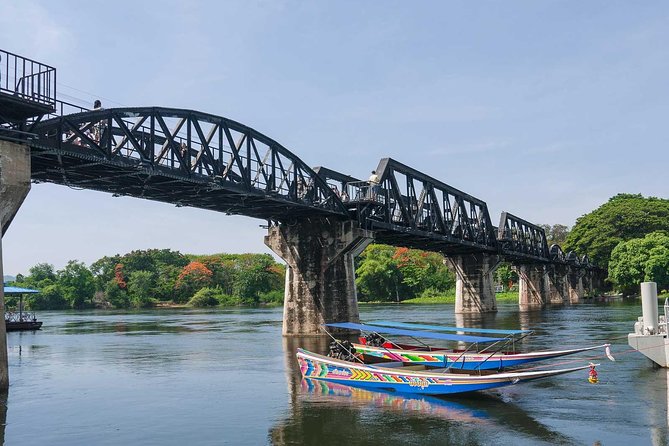
The boat ride is one of the most enjoyable breaks from the van. You travel by long-tailed speedboat on the river, seeing the water and surrounding countryside before reaching the bridge area.
This is not a long cruise. Some descriptions suggest about 20 minutes, while actual rides can feel closer to five minutes depending on the day and schedule. Keep your expectations modest. The value is in changing the pace and approaching the historic area from the water, not in getting a full river excursion.
The ride may be noisy and exposed to the sun. Hold onto loose belongings, wear a hat, and keep your camera ready. The landing point can be basic, so do not expect a polished marina. That rough edge is part of the practical character of the outing, but it may disappoint you if you are expecting a leisurely sightseeing cruise.
Walking across the Bridge on the River Kwai
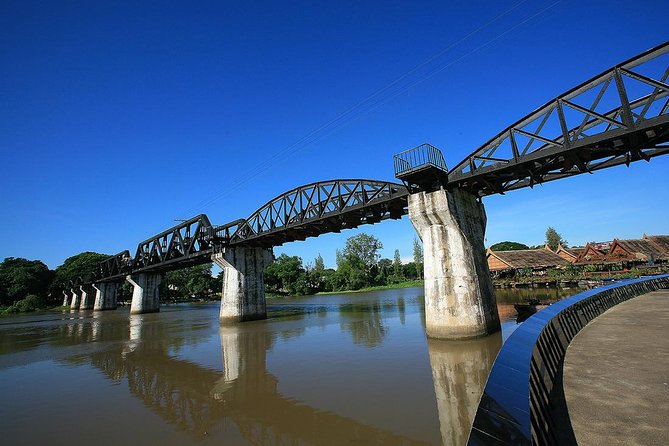
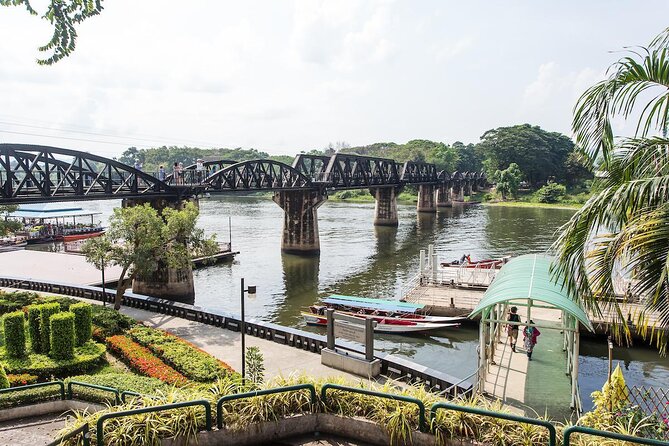
The bridge stop lasts about 30 minutes. You can walk across the structure and look down at the Khwae Yai River, also known as the Si Sawat. The river begins in the Tenasserim Hills and runs through western Thailand.
The bridge itself is not enormous, and you may share it with other people. Its importance comes from what it represents, not from its size or decoration. The railway remains in use, so you need to pay attention and follow the guide’s instructions around the tracks.
This is the place where the film connection is strongest. The movie took artistic liberties, and the real location does not reproduce every scene. Still, the visit helps you separate popular culture from the historical setting. If you watch the film before or after your tour, the guide’s explanation will give you a more grounded understanding of what the bridge represents.
Thirty minutes is enough to cross the bridge, take photographs, and hear the basic explanation. It is not enough for a slow, reflective visit if the area is crowded. Stay close to the guide so you do not miss the timing for the next activity.
Same base, a different sort of day:
- Bangkok: Damnoen Saduak Market and Maeklong Railway Market
★ 4.5 · 26,723 reviews - The Old Siam: Damnoen Saduak and Maeklong Railway Market
★ 4.5 · 10,992 reviews - From Bangkok: Ayutthaya Temples Guided Tour with Lunch
★ 4.7 · 10,535 reviews - Bangkok: Train Market & Floating Market with Boat Ride
★ 4.7 · 9,547 reviews
Kanchanaburi War Cemetery and the human cost
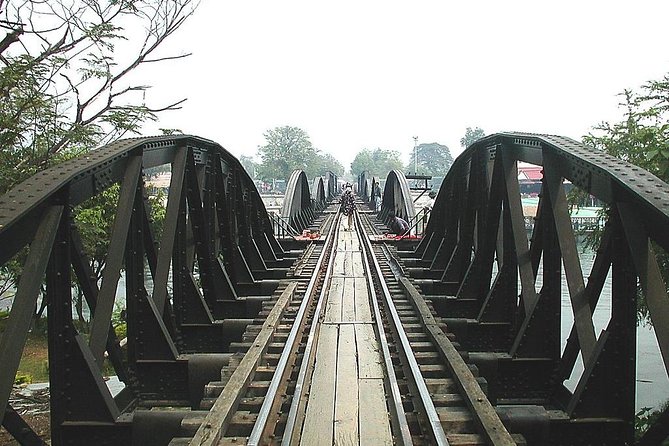
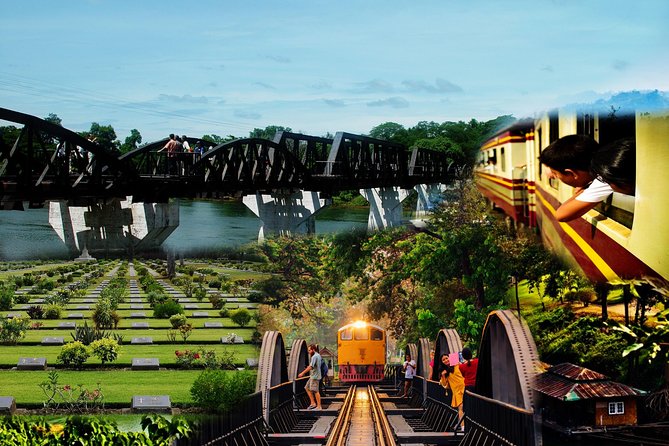
The Kanchanaburi War Cemetery is one of the most solemn stops. It is the main prisoner of war cemetery for those who died during the construction of the Burma Railway, and it sits on Saeng Chuto Road in Kanchanaburi town.
The visit is scheduled for about 20 minutes. That is enough to walk among the graves and pause, but it can feel short. I would use this stop quietly rather than trying to rush through it for photographs. The ordered rows and simple markers make the scale of the loss easier to grasp than a quick explanation in the van.
The cemetery gives the tour its emotional center. The bridge and railway are physical structures. Here, the focus turns to individual lives. The contrast matters, especially if you are visiting because of an interest in World War II or family military history.
If you want a long, unhurried cemetery visit, the group schedule may feel limiting. The private option could give you more flexibility, though timing still depends on the full day and the guide.
JEATH War Museum: useful, but not polished
The JEATH War Museum is a small museum founded in 1977. Its displays focus on the prisoners of war who built the Death Railway, using original photographs, letters, drawings, and material about camp conditions.
The museum is not polished or large. Some displays are old, and the building may feel worn. That is worth knowing before you arrive. You are not visiting a modern, interactive museum with elaborate displays and climate-controlled galleries.
Still, the original photographs, letters, and drawings can add something that the bridge cannot. They show the people behind the railway and help explain the cruelty of the work. I would pay attention to the guide’s comments here, since the museum itself may not provide all the context in a clear way.
The scheduled visit is about 20 minutes. Some people find that sufficient, while others feel the stop takes too much time compared with the cemetery or the bridge. Your experience will depend greatly on the guide’s pacing and on how much you want to read.
Riding the Death Railway through the countryside
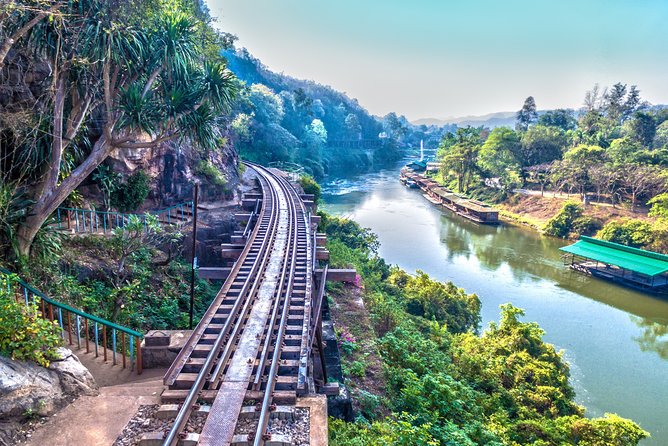
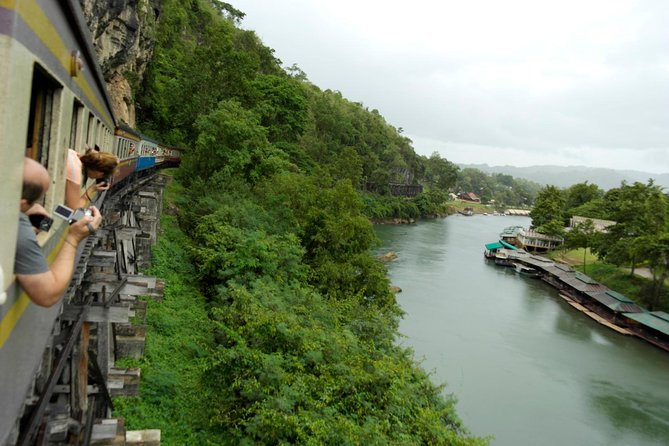
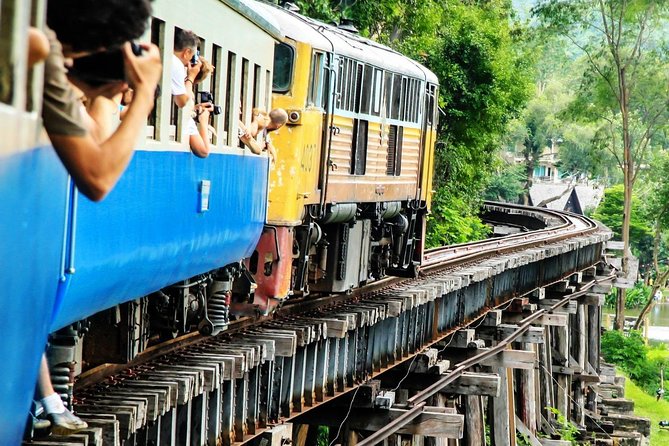
The train ride is the most distinctive activity on the tour. You travel along part of the Death Railway, with countryside views outside the open windows. The train is loud, and there is no air conditioning, so ear protection can help if you are sensitive to noise.
The ride is not just transport. It puts you on the railway built under wartime pressure and lets you see why the route remains memorable. The pace is slower than a road transfer, which gives you time to look at the scenery and think about the work required to build the line.
A mandatory 300 Baht seat fee is not included in the advertised tour price. Every participant pays it, and the amount can be given in cash to the guide at the station. This extra charge is easy to overlook, so include it in your budget.
The train schedule can be hard to follow if the guide does not explain it clearly. Keep track of where and when you need to rejoin the group. If you want the best view, sit near a window, but remember that the ride can be hot and loud.
Lunch with a view, and the practical value of inclusion
A buffet lunch is included. The meal has been described as acceptable to tasty, with the setting and view adding to the experience. It is not a reason by itself to book the tour, but having lunch arranged is useful on such a long day.
You do not need to spend time finding a restaurant in an unfamiliar area or worry about losing your place in the schedule. The lunch break also gives you a chance to rest after the museum and before or after the train, depending on the day’s order.
The exact timing can change at the guide’s discretion. Road traffic, train schedules, and group pace all affect the plan. Think of the itinerary as a framework rather than a minute-by-minute promise.
Shared or private: which version fits you?
The shared tour is the better value if you want the included transport, guide, boat ride, train journey, lunch, and entrance fees without paying for a vehicle alone. At $94.53 per person, the price is reasonable for a full day that includes several paid elements and a long transfer from Bangkok.
The private upgrade makes more sense if you value personal attention, want a smaller vehicle, or are traveling with family or friends who prefer their own pace. A private tour does not remove the long road journey, but it may make the vehicle time and site visits more comfortable.
Guides named in positive feedback include Oom, Rach, King, and others. You cannot count on receiving a particular person, but the difference a guide makes is significant. Strong guides explain the history, handle the train timing, answer questions, and help the day feel organized. Communication has not always been consistent, especially for people seated at the back of a van, so sit where you can hear clearly and ask the guide to repeat anything important.
Who will get the most from this tour?
I would choose this tour if you have a genuine interest in World War II, railway history, memorials, or the film connection. It also suits you if you want to see Kanchanaburi but do not want to arrange separate transport, train tickets, boat travel, lunch, and entrance fees.
It is less suitable if you dislike early starts, long van rides, heat, basic facilities, or group schedules. Families can participate, and most people can manage the activity, but younger children may find the road time and serious subject matter tiring.
You should also avoid placing anything important after the tour. The stated duration is about 11 hours, but Bangkok traffic and delays can stretch the day considerably.
Should you book the Bridge on the River Kwai tour?
Book it if you want the full historical picture rather than a quick bridge photograph. The boat ride, cemetery, museum, train journey, and guide commentary make the long trip worthwhile, especially when you receive a guide who explains the subject with care.
Choose the private version if comfort and direct attention matter more than saving money. Choose the shared option if value is your priority and you can accept a larger group, a fixed schedule, and a basic minivan.
My practical advice is to reserve a full day with no evening plans, carry cash for the 300 Baht train seat, bring water and tissues, and wear a hat. With those expectations, this is a thoughtful and substantial history day from Bangkok, not a quick sightseeing outing.
FAQ
How long does the Bridge on the River Kwai tour last?
The advertised duration is approximately 11 hours. In practice, the day can run longer because the road journey from Bangkok takes about two to three hours each way and traffic may cause delays.
What time does the tour start?
The listed start time is 7:00 am. Pickup may occur 30 to 60 minutes earlier, depending on your central Bangkok hotel.
Does the tour include hotel pickup and drop-off?
Yes. Pickup and drop-off are included for centrally located Bangkok hotels. You must provide your hotel details when booking.
Is the train ticket included?
The train ride is included, but a mandatory 300 Baht seat fee is extra. This payment guarantees a seat and can be paid in cash to the guide at the station.
Is lunch included?
Yes. A buffet lunch is included in the tour price.
What places does the tour visit?
The tour includes the River Kwai area, the Bridge on the River Kwai, Kanchanaburi War Cemetery, and JEATH War Museum. It also includes a long-tailed boat ride and a train journey along the Death Railway.
Can I book a private tour?
Yes. You can choose a private experience with your own vehicle and guide instead of joining a shared group.
How many people can join the shared tour?
The tour can have a maximum of 15 participants.
Can children join the tour?
Most people can participate. The child rate applies to children under 100 centimeters tall. Children over 100 centimeters are charged the adult rate.
Just added in Bangkok
- Bangkok: A 4 Hours Tuk Tuk Sightseeing Tour Iconic Landmarks★ 4.3 · 8 reviews
- Bangkok: City Culture half-day Bike Tour★ 5.0 · 19 reviews
- Bangkok: 2 Hours Grand Palace & Wat Pho Private Tour★ 4.9 · 15 reviews
- Bangkok: Muay Thai Boxing Class for Beginners★ 5.0 · 189 reviews
- Bangkok: 2 Temple Tour (Golden Buddha + Marble Temple)★ 3.6 · 88 reviews
- Bangkok: Baiyoke Observation Deck Ticket with Buffet Meal★ 4.2 · 188 reviews
- Ayutthaya: Private Boat Tour with Optional Temple Visits★ 4.6 · 102 reviews
- Bangkok: Chao Phraya Alangka Cruise at Icon Siam★ 3.8 · 36 reviews
River Kwai & Kanchanaburi Tours, compared.
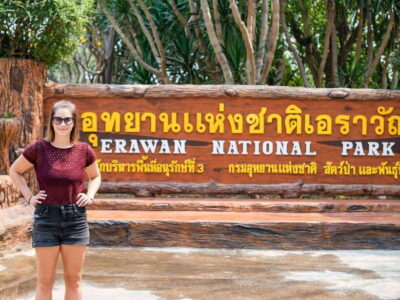
From Bangkok: Erawan Park & Kanchanaburi Small-Group Tour
Read our review →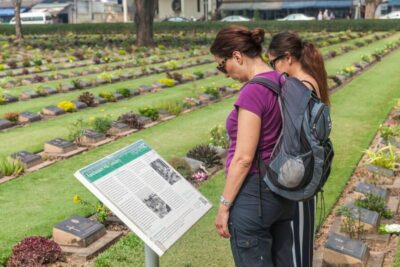
From Bangkok: Historical Day Tour to River Kwai
Read our review →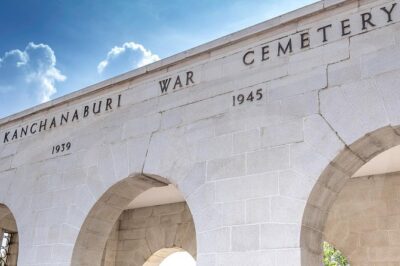
Bridge on the River Kwai and Thailand-Burma Railway Tour
Read our review →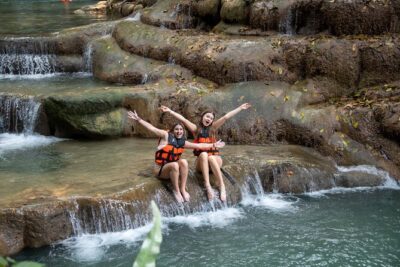
Erawan Waterfalls and Bridge Over River Kwai Tour from Bangkok
Read our review →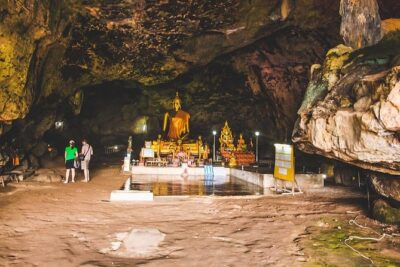
Erawan Waterfall and Elephant Care: Private Tour to Kanchanabur
Read our review →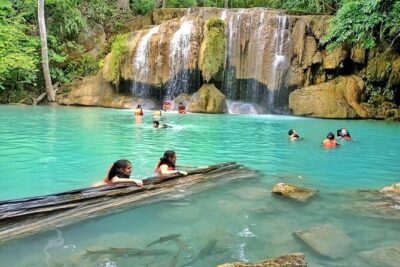
Kanchanaburi Full Day Tour: River Kwai and Erawan Falls
Read our review →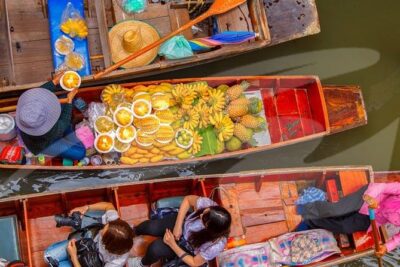
Floating Markets and Bridge on River Kwai Tour from Bangkok
Read our review →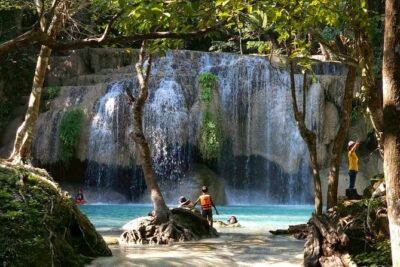
Private Tour to Erawan Waterfall and Boat Tour in Kanchanaburi
Read our review →Browse the lists this tour appears in