
Reviewed · CANOES & KAYAKS
Ko Lanta: Half-Day Mangrove Kayaking Tour with Lunch
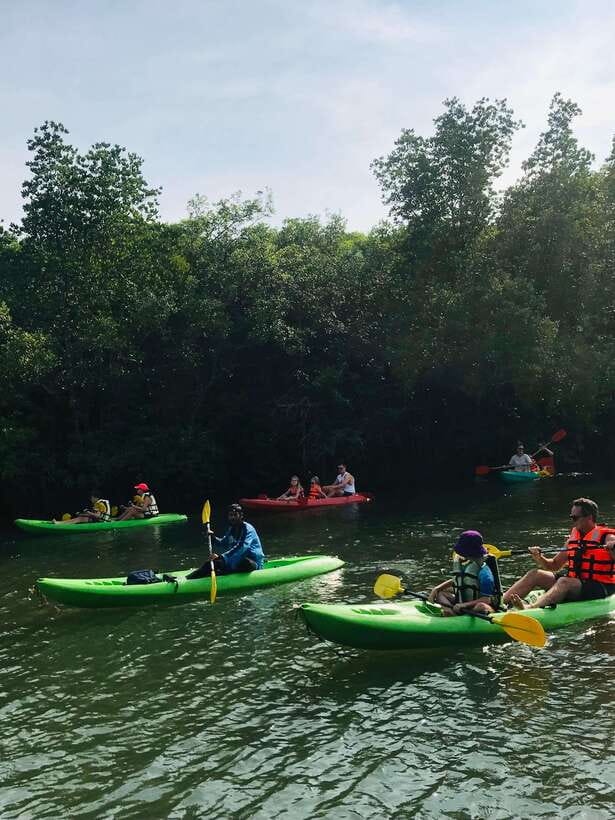
The best part of this Ko Lanta outing is the quiet paddle through Ban Thung Yee Peng’s mangrove channels, where mudskippers pop across the mud and monkeys watch from the trees. I like the mix of wildlife and local life: you get both a close look at the forest and a stop at a village fish farm. The guides, often Karim, Alim, or Ramadan, add useful explanations without turning the trip into a lecture.
I also like that the $26 price includes pickup, lunch, fruit, drinks, and equipment, making this a strong half-day value. The main consideration is that you will likely get wet, and the monkey encounter requires care. Some monkeys climb onto kayaks or grab bottles, so listen closely and keep your belongings secure.
Key points to know before you paddle
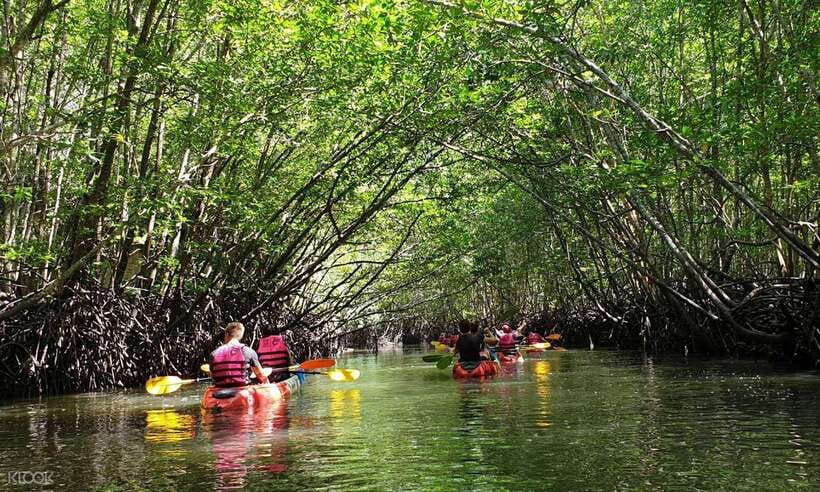
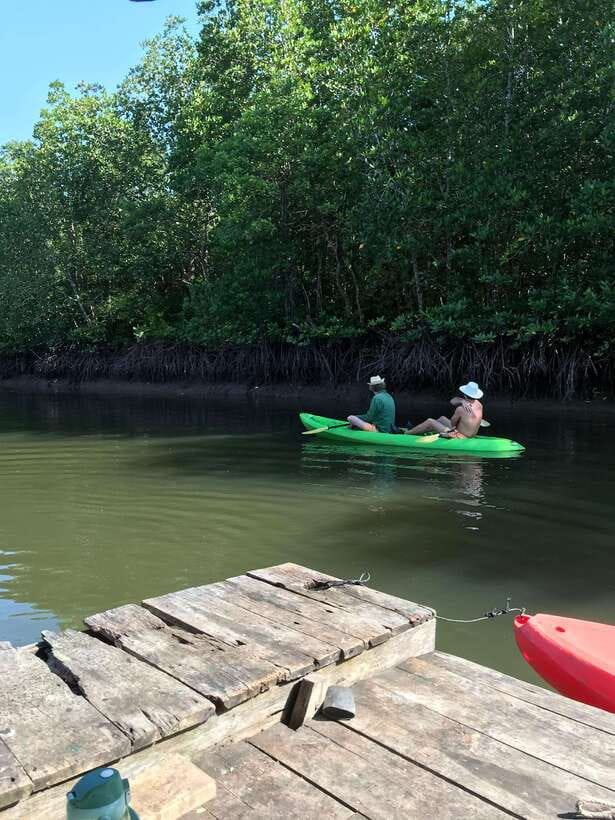
- Kayak through Ban Thung Yee Peng: Expect roughly one to two hours on the water, with stops for animals, photographs, and the monkey area.
- Look for small but unusual wildlife: Mudskippers, fiddler crabs, mud creepers, birds, fish, eagles, and occasionally a mangrove snake may appear.
- Monkeys are the headline act: You may see families along the banks, and some may come near the kayaks for water.
- Lunch follows the paddle: Fried rice, seasonal fruit, and a soft drink are included at the local base.
- The village visit adds context: You’ll see a small fishing community and a fish farm rather than only passing through nature.
- Plan for wet clothing: Water can splash into the kayak, and rain can arrive quickly, so bring a change of clothes.
Why this mangrove trip is worth your half-day
Ko Lanta is known for beaches, boat trips, and sunset views. This excursion gives you a different side of the island, one built around tidal waterways and the people who make their living beside them.
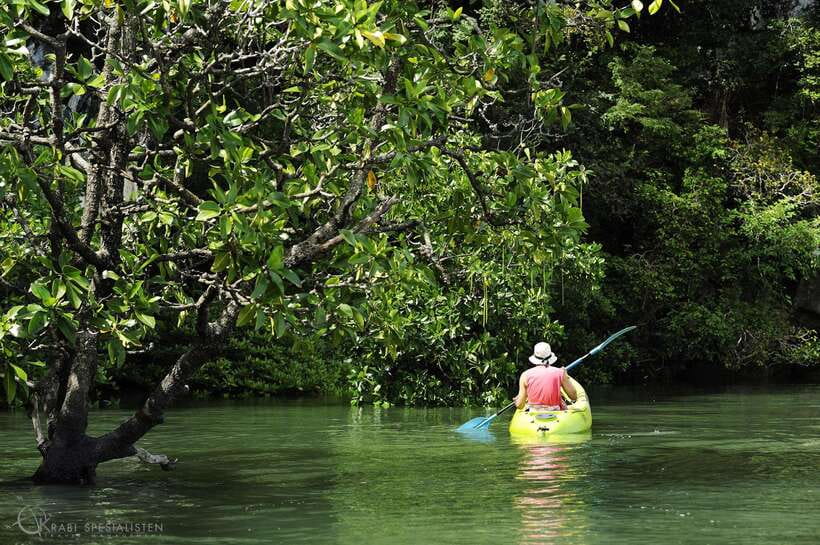
The mangroves are best appreciated from a kayak because you move quietly and close to the water. You are not rushing from one lookout to another. Instead, the guide pauses to point out a mudskipper lifting itself across the mud, a fiddler crab disappearing into a bank, or a bird resting above the channel.
I like this kind of wildlife outing because the smaller sightings matter. You are not promised a rare animal, and nature does not work to a timetable. Still, the route has produced a good range of sightings, including crabs, walking fish, birds of prey, curlews, snakes, and plenty of monkeys. The guide’s sharp eyes make a real difference.
The trip lasts three hours, but that includes transfers, lunch, and the village or fish-farm stop. The actual paddling time can feel closer to one to two hours, depending on tides, stops, weather, and the pace of the group. That is enough time to enjoy the setting without committing your whole day to kayaking.
More Kayaking in Ko Lanta
- Ko Lanta: Mangrove Kayaking, Ko Talabeng, & Skull Island
★ 4.9 · 494 reviews - Ko Lanta: Half-Day Kayaking, Talabeng, Sea Cave & Mangrove
★ 4.6 · 153 reviews - Ko Lanta: Half-Day Kayaking Koh Phee & Koh Talabeng 2 Caves
★ 4.5 · 67 reviews
From your hotel to Tung Yee Peng Pier
Pickup is included from hotels on Ko Lanta. You need to provide your hotel name and room number when booking so the operator can confirm where to collect you.
The drive to Tung Yee Peng Pier is generally short for people staying near the main hotel areas. One account put the outward journey at less than 20 minutes. The return can take longer if the vehicle drops other people at different hotels, so do not schedule a tight onward connection immediately after the tour.
At the pier, you receive a kayak, life jacket, and waterproof bag. The kayaks are described as easy to use, and people with little paddling experience have taken part successfully. Even so, ask for a quick lesson before setting off if you are new to kayaking. One guide was praised for explaining the technique clearly, but one account also noted that the introduction was not always given promptly to everyone.
You will paddle as part of a group, with a guide leading from the water. Guides named in the feedback include Karim, Kareem, Alim, and Ramadan, with spellings varying from one booking to another. The consistent theme is that the guide explains the forest, watches the group, and helps less confident paddlers.
Paddling beneath the mangrove canopy
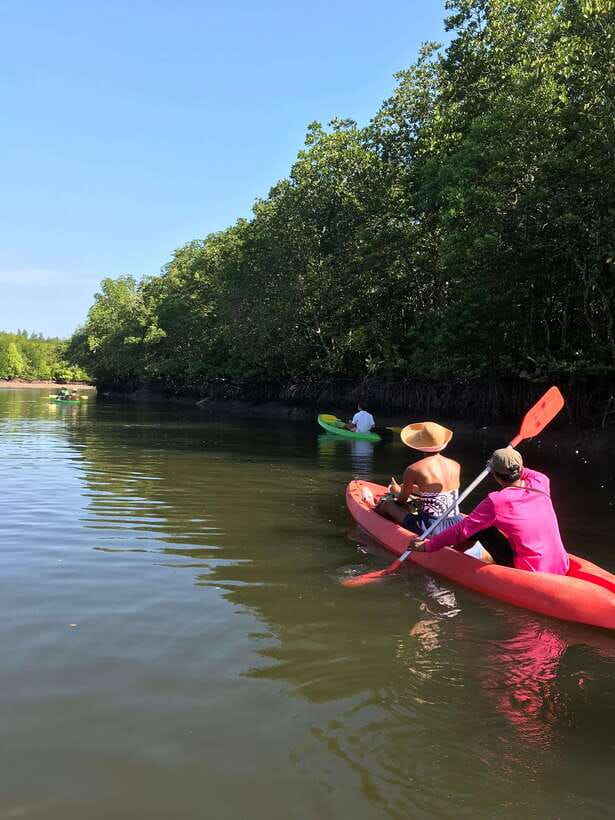
The first stretch takes you into the narrow mangrove waterways. The pace is gentle, with regular pauses to look at wildlife and take pictures.
Mangrove forests can look simple at first glance, but the guide helps you read the scene. Mudskippers move over exposed mud, fiddler crabs wave their oversized claws, and small fish appear in the water and among the roots. Birds may sit high in the branches, while a snake can be difficult to spot unless someone experienced points it out.
The tide affects the route. At some times, the kayak can travel farther into the forest. At others, shallow water limits access, and the group spends more time on the wider channel toward the sea. This is not a flaw in the tour. It is part of visiting a tidal ecosystem, but it does mean the route and animal activity can vary.
Several people described the mangrove section as peaceful, with lush greenery and calm water. The setting can change quickly if rain arrives. Rain does not necessarily end the activity, and some people found the forest especially atmospheric in wet weather. Still, you should pack for it rather than assume the sky will stay clear.
Bring swimwear or quick-drying clothes, and consider a spare pair of shorts. Water splashes in as you paddle, and one practical tip from the trip is that your seat can become wet. A rain jacket helps in showers, but do not expect to remain completely dry.
Meeting the monkey families safely
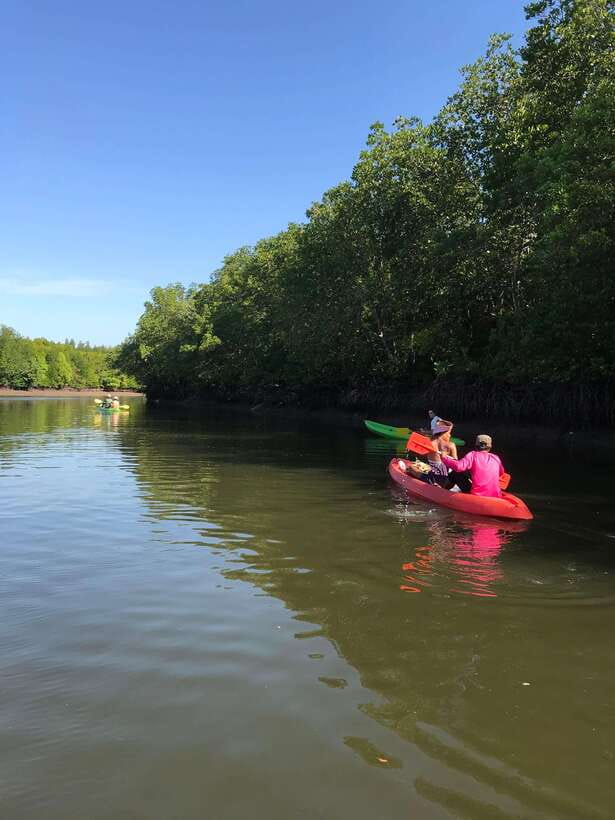
The monkey stop is the most memorable part for many people, but it is also where good behavior matters most.
The guide takes the kayaks toward places where monkey families live. You may watch from the water, or some monkeys may approach the kayaks. Guides have been seen giving them fresh water, and in some cases monkeys climbed onto a kayak or came close to the boat.
The experience can be exciting, especially when you see adults with young monkeys moving through the trees. It can also become unpredictable. Monkeys have taken water bottles and even grabbed a dry bag. In one case, the guide had to shake a tree to persuade a monkey to drop belongings.
Keep your phone, passport, money, food, and water bottles secured inside the waterproof bag. Do not leave loose objects on the kayak. The guides ask people to keep a respectful distance, often around five to ten meters, although monkeys may ignore that boundary.
You may hear different approaches to feeding. The activity description says you may stop to feed monkeys from the boat, while some guides appear to focus on giving water or simply observing them. One guide chose not to feed them in order to protect their natural behavior. Follow the instructions given on your day, and do not bring food to attract them. A close encounter is not improved by teaching wild animals to expect snacks.
If you are uneasy around monkeys, you can remain farther out and watch from the water. If you want a close encounter, remember that the guide controls the situation, not you. Do not reach toward an animal or try to touch it.
More paddling around Thailand:
- Koh Samui: Mu Ko Ang Thong Park Cruise with Kayaking Option
★ 4.3 · 3,728 reviews - From Phuket: Phang Nga Bay and Canoeing Tour by Big Boat
★ 4.7 · 3,528 reviews - Phuket: James Bond Island Longtail Boat and Sea Canoe Tour
★ 4.8 · 2,364 reviews - Krabi: Kayak Adventure through Ao Thalane Mangrove Forest
★ 4.6 · 2,024 reviews
Lunch, fruit, and the fish-farm stop
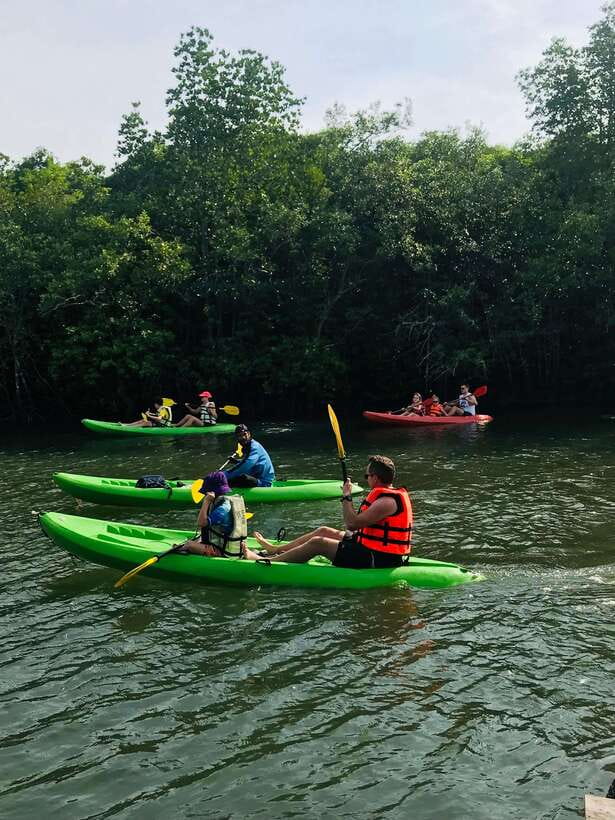
After kayaking, you return to the local base for food. Lunch commonly includes fried rice, with chicken or vegetable options described in the trip details, along with a soft drink and seasonal fruit.
The meal is simple rather than a grand Thai cooking lesson, but it suits the outing. After paddling in the heat, a plate of rice, fruit, and something cold to drink is welcome. It also means you do not need to spend extra money on a meal during the morning or afternoon.
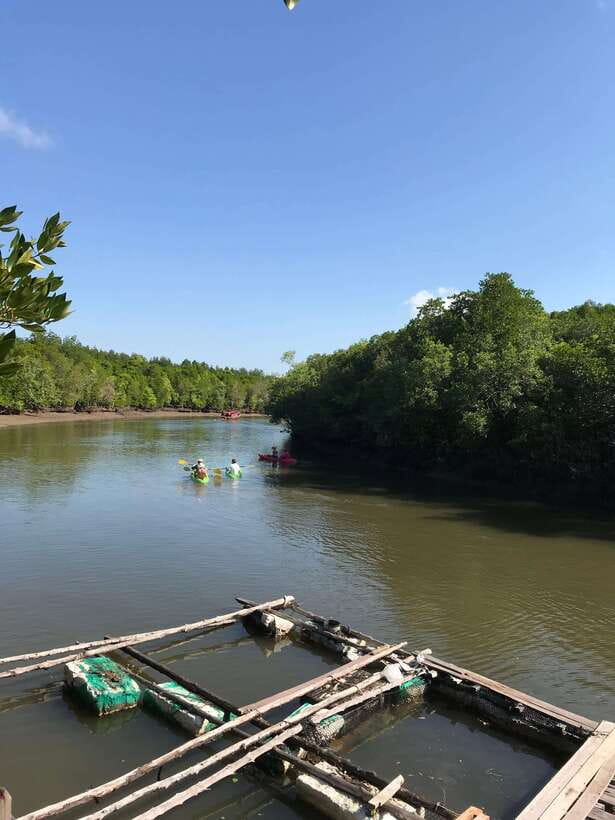
The village and fish-farm visit gives the tour a useful human side. You see more than a pretty forest. You get a glimpse of a small community and learn about local work connected with the water.
The fish farm can include a feeding demonstration, which is a light and informal finish to the day. Do not expect a long cultural tour with detailed historical interpretation. The value is in seeing how the rural setting functions and how closely daily life is tied to the mangroves.
How the guides shape the experience
The guide can make or break a wildlife tour, and this one depends heavily on the person leading your group.
Karim is repeatedly praised for explaining the ecosystem clearly, keeping the group together, and interacting carefully with the monkeys. Alim is also described as active in finding fish, snakes, and jumping fish, while Ramadan is praised for his humor, English, and steady help on the water.
Names and spellings vary, and you cannot necessarily request a particular guide from the information provided. What you can expect is a Thai and English-speaking guide. The strongest guides do more than steer the group. They explain why the mangrove matters, point out animals that you would miss, take photographs at stops, and watch for anyone falling behind.
The tour is suitable for beginners, and children as young as three and five have completed it with life jackets and adult support. That said, small children need close supervision around water and monkeys. The activity is more relaxed than athletic, but paddling still takes some effort.
Is $26 good value?
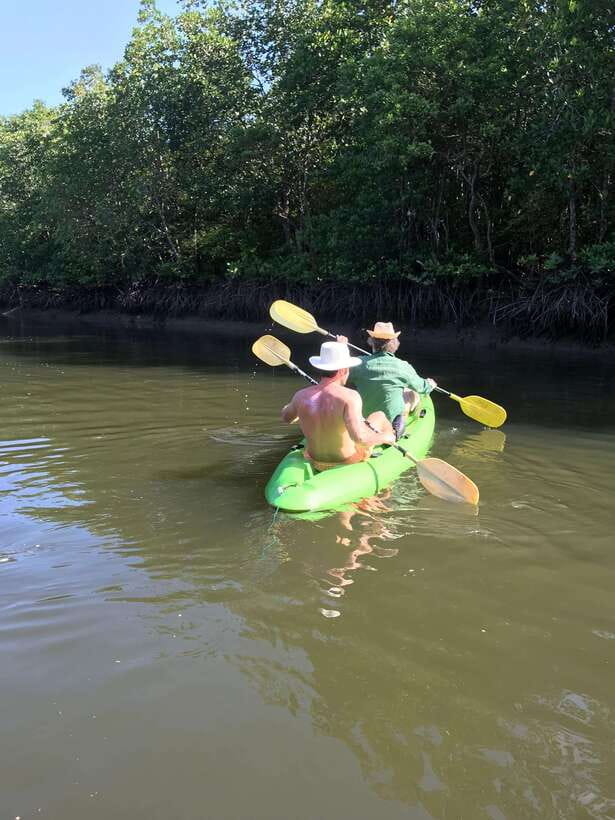
At $26 per person, this is one of the better-value half-day outings on Ko Lanta if you want several elements in one booking.
The price includes hotel transport in both directions, the guide, kayak, life jacket, waterproof bag, lunch, fruit, and soft drinks. Comparable plans arranged separately would require transport to the pier, equipment, a guide, and food. Here, everything is bundled.
The value is strongest for people who want a short activity rather than a full-day boat trip. You get nature, wildlife, a village visit, and lunch without giving up an entire day at the beach. It is also a good choice if you do not want to arrange your own transport.
The tradeoff is group-tour flexibility. Pickup can involve other hotel stops, and the return journey may take longer than expected. If you have a scooter and feel comfortable finding Tung Yee Peng Pier, making your own way there may give you more control over timing. The tour still includes the guided experience and meal, but you would need to confirm the local meeting arrangement before relying on this option.
Timing, tides, and what to pack
Morning and afternoon departures are available, with exact start times depending on availability. A morning trip can be more comfortable in hot weather, and one account found the early outing preferable because the group was less exposed to the afternoon heat.
Tide levels affect how far you can paddle into the mangrove. High tide may reduce the number of visible animals in the shallow forest, while a changing tide can open different parts of the route. You should see this as a natural variation, not a guarantee of a fixed wildlife list.
Pack light and keep everything secure:
- Quick-drying clothes or swimwear
- A change of shorts and shirt
- Sun protection
- A rain jacket
- A phone secured in the waterproof bag
- No loose food or plastic bottles for the monkey stop
Life jackets and waterproof bags are provided. Soft drinks and fruit are also included, so you do not need to carry a large amount of water. The most important item is dry clothing for afterward.
Who should book this Ko Lanta kayaking tour?
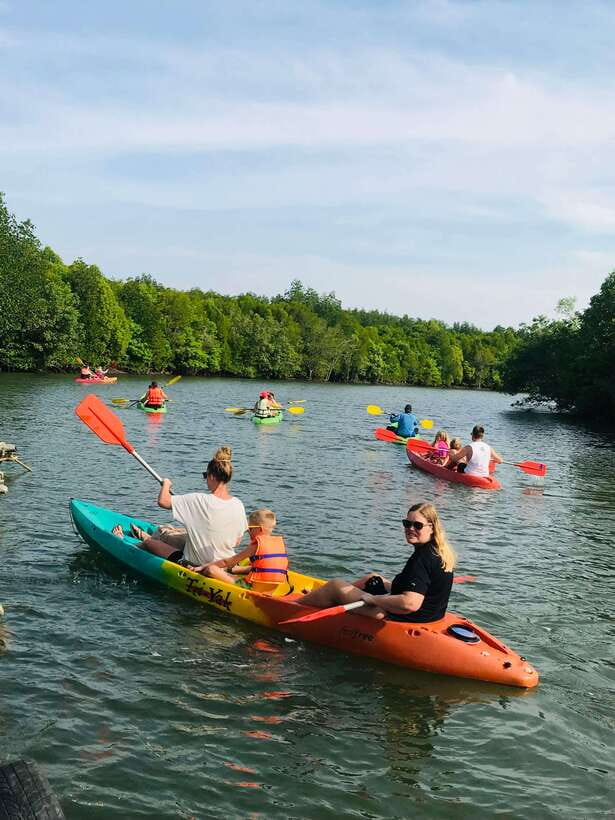
I would choose this trip if you want a calm nature outing with a little wildlife excitement and a simple local meal. It suits first-time kayakers, couples, families with children who can follow safety instructions, and anyone looking for a break from the beach.
It is especially good for people who value explanation and local contact. The guide-led format helps you notice animals and understand the mangrove rather than simply paddle through green channels.
I would think twice if you need a private, silent paddle or dislike unpredictable wildlife. Monkeys can climb onto kayaks, rain can arrive, and the group may not move at your preferred speed. Strong swimmers are not required, but you still need to be comfortable sitting in a kayak and getting wet.
Should you book it?
Book this tour if you want a well-priced three-hour outing that combines kayaking, wildlife, lunch, and a small village visit. The guides receive especially strong praise for their humor, care, and ability to find animals, with Karim and Ramadan frequently singled out for making the trip easy and informative.
Go with realistic expectations. You are visiting a living mangrove, not a wildlife park, so sightings and route conditions change with the tide and weather. Keep your belongings secured, respect the monkeys, bring spare clothes, and allow extra time for the return transfer. If those simple points suit you, Diamond Cave Tour’s Ban Thung Yee Peng trip is an easy choice for a useful and enjoyable half-day on Ko Lanta.
FAQ
How long does the Ko Lanta mangrove kayaking tour last?
The activity lasts three hours, including hotel transfers, kayaking, lunch, and the village or fish-farm visit. The paddling portion can take roughly one to two hours, depending on stops, tide, weather, and group pace.
What wildlife might I see?
Possible sightings include mudskippers, fiddler crabs, mud creepers, birds, fish, eagles, curlews, snakes, and monkeys. Wildlife sightings are not guaranteed and can vary with the tide and conditions.
Can monkeys come onto the kayaks?
Yes. Monkeys may approach or climb onto kayaks, and some have taken water bottles or other loose items. You should follow the guide’s distance and safety instructions and secure all belongings.
Is monkey feeding part of the experience?
The activity includes a stop to feed monkeys from the boat, but guides may instead give them water or ask you to observe without feeding in order to protect their natural behavior. Follow the instructions given by your guide and do not bring food to attract them.
Is lunch included?
Yes. Lunch, seasonal fruit, and a soft drink are included. The meal can include chicken or vegetable fried rice.
Is hotel pickup available on Ko Lanta?
Yes. Pickup and drop-off are included from hotels on Ko Lanta. Provide your hotel name and room number so the operator can confirm your pickup.
What languages does the guide speak?
The tour is offered with a live guide speaking Thai and English. Guides named in the activity information and trip feedback include Karim, Kareem, Alim, and Ramadan, with names sometimes spelled differently.
Just added in Thailand
- Bangkok: City Culture half-day Bike Tour★ 5.0 · 19 reviews
- Bangkok: A 4 Hours Tuk Tuk Sightseeing Tour Iconic Landmarks★ 4.3 · 8 reviews
- Bangkok: 2 Hours Grand Palace & Wat Pho Private Tour★ 4.9 · 15 reviews
- Bangkok: Muay Thai Boxing Class for Beginners★ 5.0 · 189 reviews
- Bangkok: 2 Temple Tour (Golden Buddha + Marble Temple)★ 3.6 · 88 reviews
- Ayutthaya: Colorful Slow Life Bicycle Tour with local guide.★ 5.0 · 32 reviews
- Bangkok: Baiyoke Observation Deck Ticket with Buffet Meal★ 4.2 · 188 reviews
- Bang Tao Beach: Group Or Private Surf Lessons★ 4.7 · 18 reviews
Canoes & Kayaks, compared.
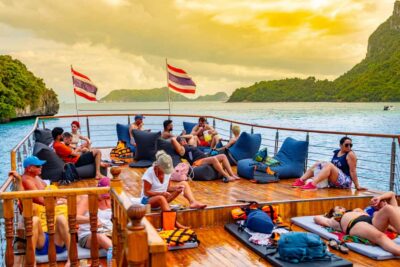
Koh Samui: Mu Ko Ang Thong Park Cruise with Kayaking Option
Read our review →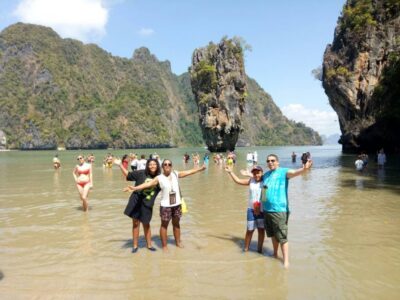
From Phuket: Phang Nga Bay and Canoeing Tour by Big Boat
Read our review →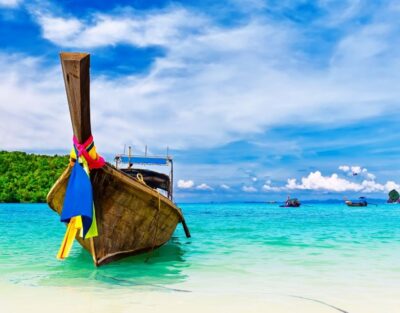
Phuket: James Bond Island Longtail Boat and Sea Canoe Tour
Read our review →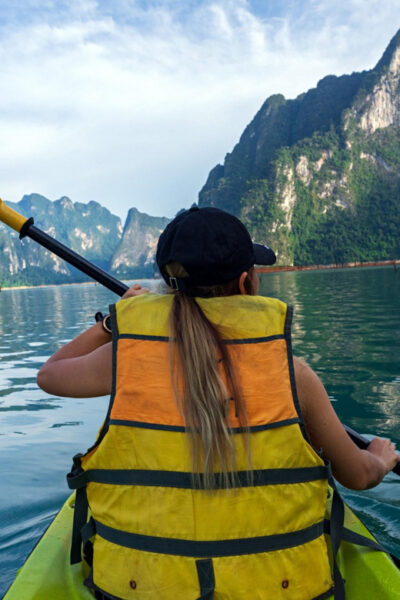
Krabi: Kayak Adventure through Ao Thalane Mangrove Forest
Read our review →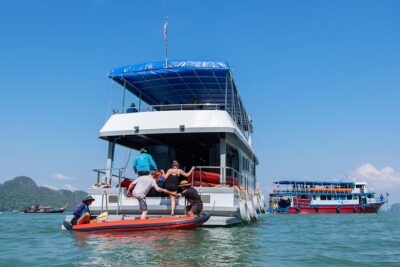
Hong by Starlight: Sea Cave Kayaking and Loy Krathong Floating
Read our review →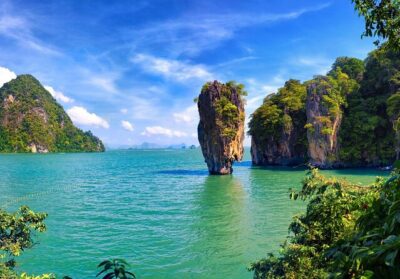
James Bond Island with Canoeing and Lunch by Speedboat
Read our review →
Day Trip to James Bond (Canoeing & Kayaking Islands & Lunch)
Read our review →
James Bond Island by Big Boat w/ Sea Cave Canoeing and Lunch
Read our review →Browse the lists this tour appears in