
Reviewed · MUSEUMS
Chiang Mai: Museum of Broken Relationships Entry Ticket
The Museum of Broken Relationships turns private heartbreak into a public collection of objects: mementos, keepsakes, and ordinary things that became symbols of love and loss. I like the anonymous personal stories, which let you focus on the emotion rather than the identity of the person who donated each item. I also like the freedom to visit without a fixed tour schedule.
The main consideration is that this is a quiet, reflective museum rather than a conventional attraction. Captions are in Thai and English, but the experience may feel emotionally heavy for some visitors. Wheelchair users should also note that the museum is not listed as suitable for wheelchair access.
Key points to know before you go
- Anonymous objects with personal stories: Each item represents the end of a relationship and is displayed with the donor’s story as its main explanation.
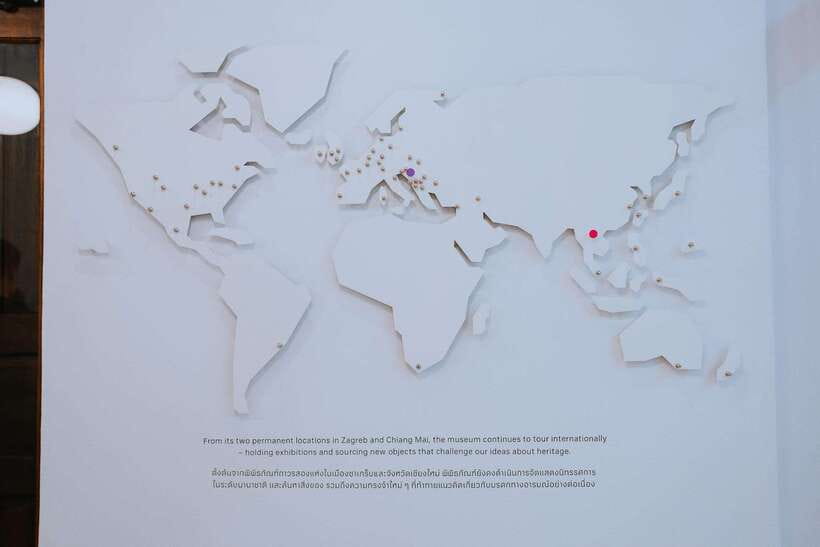
- An international collection: The museum grew from a 2006 project in Zagreb, Croatia, and has been shown in more than 60 traveling exhibitions around the world.
- Historic Chiang Mai setting: The Asian branch occupies the Yong Chiang Building at 2-4 Wichayanon Road.
- Flexible opening hours: You can visit daily from 10:00 am until 10:00 pm, with last entry at 9:30 pm.
- Self-guided visit: Your ticket includes museum entry, but not a guided tour, food, drinks, or transport.
- Low-cost cultural stop: At $6 per person, the ticket is reasonably priced for a distinctive indoor attraction with a full day of validity.
What this museum is really about
You do not enter the Museum of Broken Relationships to see famous art, royal objects, or ancient treasures. You enter to consider the small things people keep after love has ended.
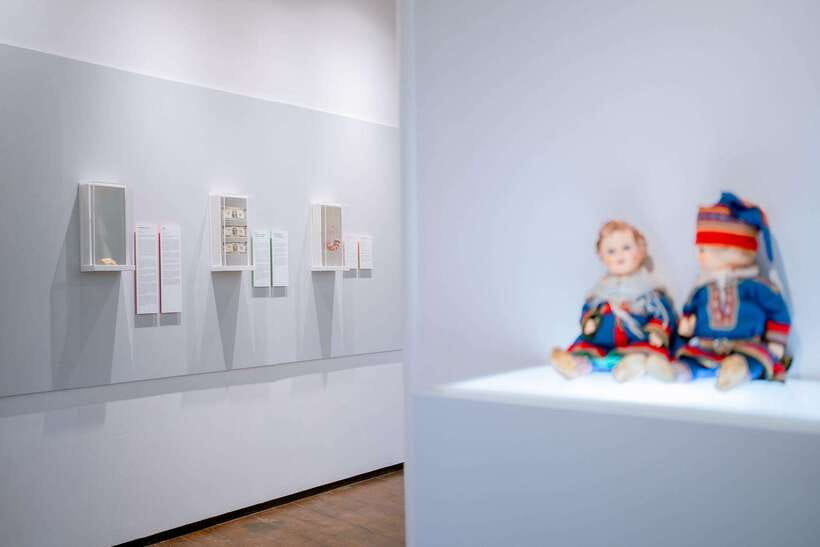
An object may be ordinary in daily life, yet powerful because of the memory attached to it. The museum brings together these donated objects from people around the world. Each one carries a story about a relationship that ended, changed, or could no longer continue.
The museum does not identify the donors. That choice matters. Without names, photographs, or public biographies, the focus remains on the object and the words that explain it. You are not being asked to judge the people involved. You are simply given a small window into a private moment.
That makes the visit personal without being intrusive. I find the format more affecting than a display filled with famous names, because you can recognize parts of your own experiences in the stories. Love, disappointment, separation, regret, and relief are not limited to one country or one culture.
A few more things to do in Chiang Mai worth a look
- Chiang Mai: Art in Paradise Illusion Museum Entry Ticket
★ 4.4 · 82 reviews - Art in Paradise: Chiang Mai 3D Art Museum Experience
★ 4.5 · 28 reviews - Chiang Mai-Chiang Rai: White Temple-Black Museum-Blue Temple
★ 4.0 · 24 reviews
The story behind the Chiang Mai branch
The idea began in Zagreb, Croatia, in 2006. Two artists were looking for a way to remember their relationship after it ended. Instead of keeping the memory private, they developed a collection based on objects donated by people who had experienced the end of a relationship.
That original idea grew into a traveling museum project. The collection has appeared in more than 60 exhibitions around the world, showing how easily personal stories can cross borders.
Chiang Mai is home to the Asian branch. It occupies the historical Yong Chiang Building on Wichayanon Road, in the Chang Moi Sub-district. The location gives the museum a local address while the collection itself reaches far beyond Thailand.
You should not expect a standard branch with exactly the same display forever. The collection is described as ever-evolving, which means objects and stories can change over time. That is part of the point. The museum is not a fixed monument to one historical event. It continues to grow as people contribute new reminders of relationships that have ended.
Entering the Yong Chiang Building
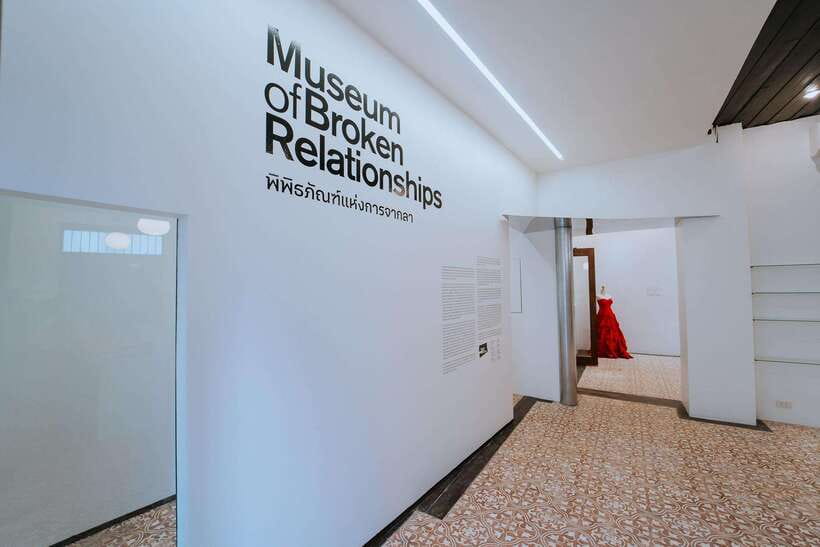
The meeting point is 2-4 Wichayanon Road, Chang Moi Sub-district, Mueang Chiang Mai District, Chiang Mai Province 50300. The museum is located in the historical Yong Chiang Building, making it a natural stop during an exploration of Chiang Mai’s older central areas.
Your ticket provides entry to the museum and skip-the-ticket-line access. That is useful if you want a simple visit without spending time arranging a timed tour. You can also choose your visit around the rest of your day, since the museum opens at 10:00 am and remains open until 10:00 pm.
The late closing time is especially practical. You can visit during the day, return after dinner, or use the museum as a quieter evening stop. Last entry is at 9:30 pm, so do not arrive at the very end of the night and expect extra time inside.
The museum is closed on New Year’s Day, during the Songkran Festival, and on the substitution day for Songkran. Check the date before you go if your Chiang Mai visit overlaps with those holidays.
How the self-guided visit works
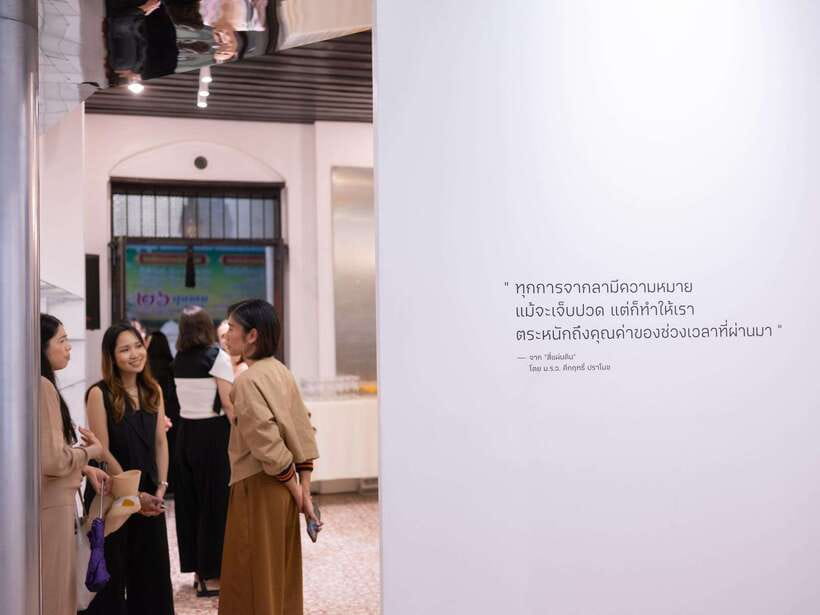
There is no guided tour included. You enter with your ticket and move through the displays at your own pace, reading the captions and personal narratives attached to the objects.
That format suits this subject. A guide explaining every item might make the visit feel too formal or too directed. Here, you can pause when a story catches your attention and move on when one feels too close to home.
The captions are written in Thai and English. This makes the collection accessible to both local and international visitors, and you do not need to arrange translation support for the basic museum text.
Do not expect a long list of historical facts beside every object. The personal narratives are the main text. They give context, but they are not presented like a conventional museum lecture. The experience depends on your willingness to read slowly and think about what each item meant to its former owner.
Food and drinks are not allowed inside. Flashlights are also not allowed. These rules are easy to follow, but they matter in a museum where the displays and captions deserve your full attention.
Same base, a different sort of day:
- Half-Day Thai Cooking Class at Organic Farm in Chiang Mai
★ 5.0 · 19,087 reviews - Chiang Mai: Elephant Sanctuary, Waterfall & Bamboo Rafting
★ 4.9 · 9,160 reviews - Chiang Mai: Doi Inthanon National Park Eco-Friendly Tour
★ 4.6 · 6,667 reviews - Chiang Mai: Elephant Sanctuary & Waterfall Group Tour
★ 4.9 · 5,780 reviews
What you will see in the collection
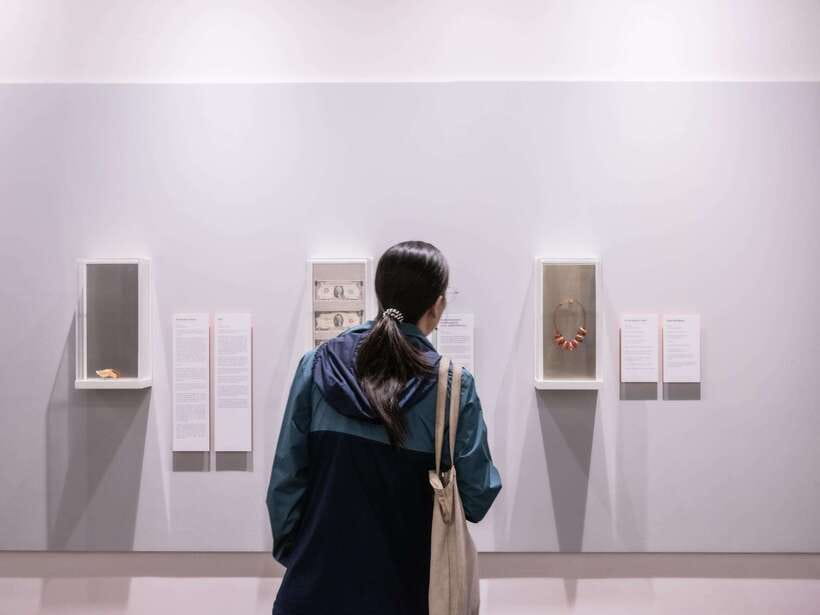
The collection is made up of donated objects that symbolize the end of a relationship. The supplied information does not provide a fixed list of specific objects, so you should expect variety rather than one standard set of exhibits.
The power comes from the contrast between the item and the story attached to it. A memento may look plain until you understand why it was kept, given away, or finally donated. The object becomes a marker of a shared past.
Each item is displayed anonymously. The former owners are represented through their written narratives, not through names or personal profiles. This gives the museum a wide emotional range without turning it into a display of private identities.
I like that the collection asks you to look at relationships through objects rather than photographs or dramatic reenactments. The approach is simple and direct. You read a few words, look at the item, and supply some of the emotional connection yourself.
Because the collection changes, you should treat this as a museum of ongoing human experience, not a one-time historical exhibit. The objects may shift, but the central question remains: what do people do with the physical reminders of love after the relationship is over?
Why the anonymous format works
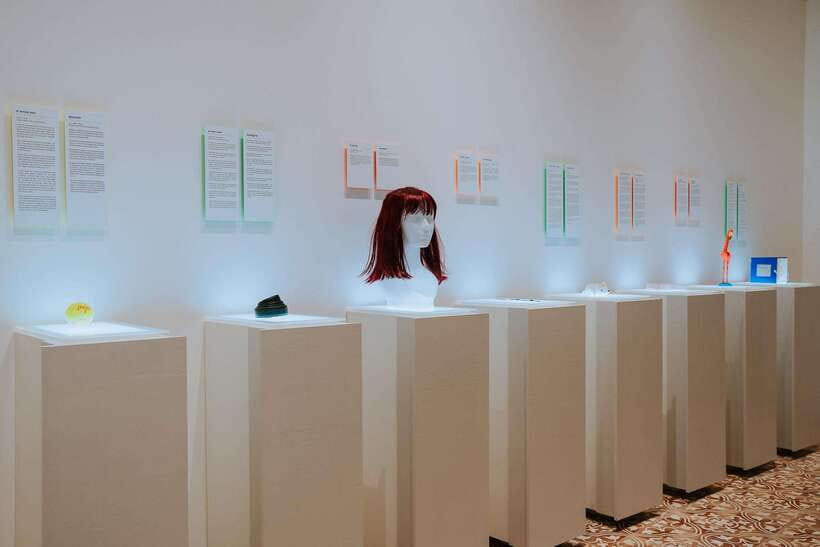
Anonymity creates distance, but it also creates room for recognition. You are less likely to focus on the donor’s age, nationality, or social position. Instead, you meet the story at the level of the emotion.
That can make the collection feel universal without pretending that every breakup is the same. The museum brings together people from different parts of the world, yet the objects point to familiar human patterns: attachment, memory, loss, and the need to make sense of an ending.
You might find yourself reading quickly at first, then slowing down. Some stories may be easy to pass. Others may bring back your own memories. There is no required response, and there is no guided route telling you how long to spend with each display.
This is why I would not rush through the museum simply because the ticket is inexpensive. The $6 entry fee buys access for one day, but the value depends on how much attention you give the collection. If you read only a few captions, it can be a brief stop. If you take time with the stories, it becomes a more thoughtful cultural visit.
How long should you allow?
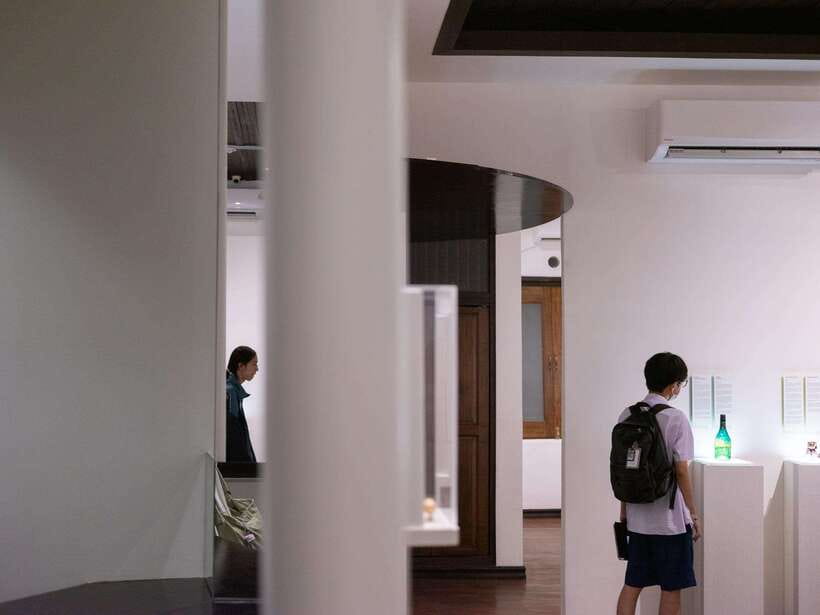
The activity is listed as valid for one day, but no fixed visit length is provided. You can plan it as a short museum stop or give it more time, depending on how closely you read the narratives.
The museum’s long opening hours make this flexibility easy. A morning visit may suit you if you prefer a quiet start. An evening visit works if you want an indoor activity after exploring Chiang Mai.
Because there is no transport included, you need to make your own way to the Yong Chiang Building. The ticket does not cover food or drinks either, so plan refreshments before or after the museum rather than expecting a café service as part of the visit.
The best pace is unhurried. This is not an attraction built around a show time or a sequence of timed activities. You can stop, read, think, and continue when you are ready.
Is $6 good value?
At $6 per person, the museum offers a reasonably priced cultural experience, especially if you value unusual attractions rather than major historic monuments.
The ticket includes entry and skip-the-ticket-line access. You do not pay extra for a guide because no guided tour is included, but that also means you are responsible for creating your own pace and focus.
The one-day validity gives the ticket practical value. You are not tied to a narrow appointment, and the 10:00 am to 10:00 pm opening window gives you many chances to fit the museum into a full Chiang Mai schedule.
The price is less attractive if you want an active tour, a guide, or a large amount of factual interpretation. This museum asks you to engage with the objects and stories on your own. For some people, that independence is a benefit. For others, a guided visit would provide more structure.
Who will enjoy this visit?
I would recommend the museum to adults and older children who can read the captions and are comfortable with emotional subjects. It suits anyone interested in personal stories, unusual museums, contemporary culture, or the way people preserve memories.
It can also work well for couples, though the subject may feel different depending on your mood. Some people may find it thoughtful and intimate. Others may prefer a lighter attraction during a holiday.
If you have recently experienced a breakup or loss, consider how you feel before entering. The museum is not presented as counseling or therapy. It is a collection of personal stories, and some of them may be difficult.
The museum is less suitable if you want a lively social attraction, a hands-on activity, or a guide explaining each display. It is also not listed as suitable for wheelchair users, so accessibility should be considered before booking.
Practical booking advice
You can cancel up to 24 hours in advance for a full refund. The reserve now and pay later option lets you hold your place without paying immediately, which is useful if your Chiang Mai plans are still shifting.
Before booking, check the available starting times and confirm that your date does not fall on New Year’s Day, Songkran, or the substitution day for Songkran. Remember that last entry is at 9:30 pm, even though the museum remains open until 10:00 pm.
Bring your attention, not food or drinks. Flashlights are not allowed, and the museum captions are available in Thai and English.
Should you book the Museum of Broken Relationships?
Book it if you want a low-cost, unusual museum that gives you space to think. The anonymous objects and personal narratives offer a type of cultural experience you will not get from a standard sightseeing stop.
I especially recommend it when you have a flexible evening or want a break from Chiang Mai’s more crowded attractions. The late hours, one-day validity, and self-guided format make it easy to fit into your plans.
Skip it if you are looking for entertainment, a guided program, or a cheerful family attraction. This museum deals with endings, and its mood can be serious. For the right visitor, though, the $6 ticket buys a memorable look at how ordinary objects can carry the weight of extraordinary feelings.
FAQ
Where is the Museum of Broken Relationships in Chiang Mai?
It is located at 2-4 Wichayanon Road, Chang Moi Sub-district, Mueang Chiang Mai District, Chiang Mai Province 50300. The museum is housed in the historical Yong Chiang Building.
How much does entry cost?
The listed price is $6 per person.
What are the museum’s opening hours?
The museum is open every day from 10:00 am to 10:00 pm. Last entry is at 9:30 pm.
Are guided tours included?
No. The ticket includes entry only. Guided tours, food and drinks, and transportation to and from the museum are not included.
Are the museum captions available in English?
Yes. The captions are available in Thai and English.
Can I bring food, drinks, or a flashlight?
No. Food and drinks are not allowed, and flashlights are also prohibited inside the museum.
Can wheelchair users visit the museum?
The experience is listed as not suitable for wheelchair users.
Just added in Chiang Mai
- Inthanon Day Trip from Chiang Mai with Lunch – Group or Private★ 5.0 · 182 reviews
- Jewellery Making Class with Silversmithing in Chiang Mai★ 4.5 · 11 reviews
- No.1 Chiang Mai: Historical City Bike Tour★ 5.0 · 10 reviews
- 10KM Inflatable Kayaking Adventure★ 5.0 · 23 reviews
- Chiang Mai: Historic Old City Bike Tour – Morning or Night★ 5.0 · 202 reviews
- Half-day E-bike Nam Phrae (hilly, fully paved roads, GUIDED)★ 5.0 · 122 reviews
- Inthanon Heaven Trail(Living Green Elephant Sanctuary)★ 5.0 · 52 reviews
- Half Day Car Hire with an English Speaking Driver in Chiang Mai★ 5.0 · 16 reviews
Museums, compared.

Samui:Elephant Jungle experience & The First Elephant Museum
Read our review →
Samut Prakan: The Erawan Museum Admission Ticket (NON THAI)
Read our review →
Chiang Mai: Art in Paradise Illusion Museum Entry Ticket
Read our review →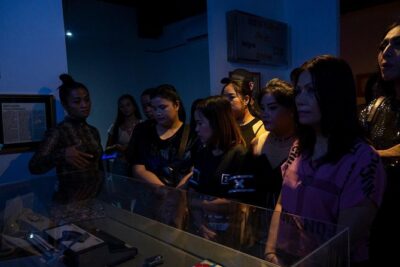
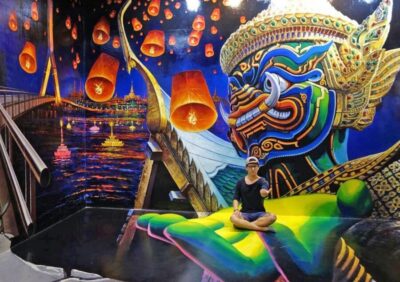
Pattaya: Art in Paradise 3D Museum Discounted Ticket
Read our review →
Pattaya: Buddha, Floating Market, Gems Museum Tour & Lunch
Read our review →
Art in Paradise: Chiang Mai 3D Art Museum Experience
Read our review →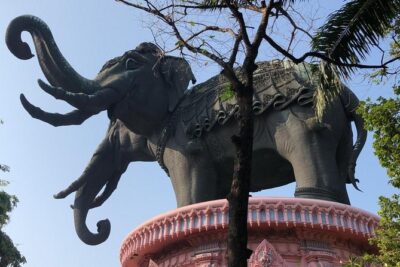
Private Guided Day Tour to Erawan Museum & Ancient City
Read our review →Browse the lists this tour appears in