Reviewed · TOURS IN BANGKOK
Thai Dance Class
The most memorable part of this two-hour class is not simply learning steps. It is learning how hand positions, posture, and facial expression carry meaning in Thai dance, then trying those movements yourself in traditional clothing. The teacher gives gentle corrections, explains each motion, and puts the dance into its cultural setting before the music begins.
I like the warm welcome of Thai dessert and a drink, and I like the small group limit of seven. Those details make the class feel personal rather than like a stage show. The main consideration is that this is a hands-on cultural lesson, not a polished performance, so you should be ready to move, listen, and repeat the same gestures several times.
Key points to know before booking
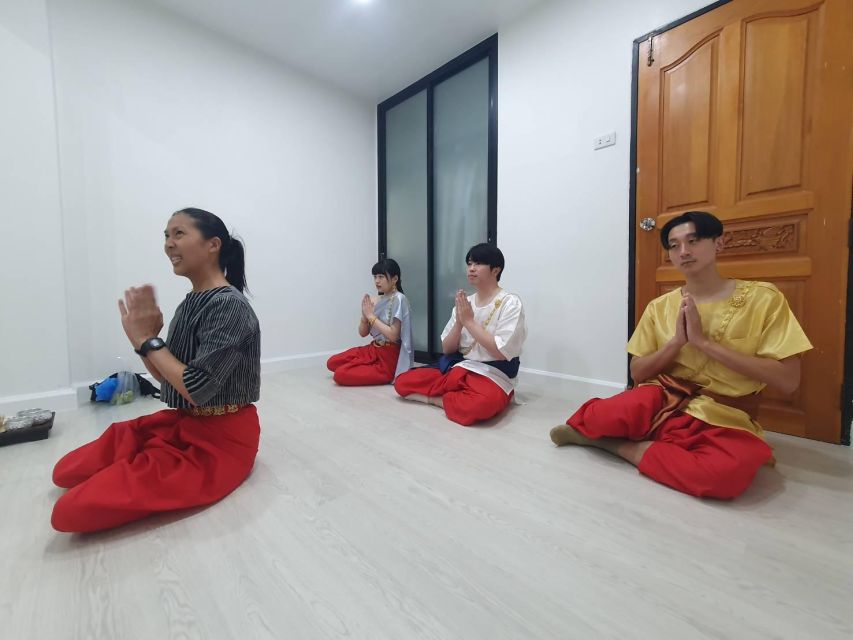
- Three songs and a set of traditional poses: You learn a small range of movements rather than watching a demonstration only.
- Traditional costume and accessories included: The class shows you how to put on the clothing before dancing.
- Cultural background comes first: The instructor explains the origins and meaning of Thai dance before the warm-up.
- Small groups of up to seven: A solo booking may sometimes become a private lesson, depending on availability.
- Welcome drink and Thai dessert included: The class begins with a simple local treat.
- Photos are allowed at selected moments: You can take pictures and short clips during parts of the lesson, but not necessarily throughout every exercise.
Arriving at Thai Glam Studio near Wat Arun Pier
You go to Thai Glam Studio for the class, with the meeting point listed at Wat Arun Pier. The provided pickup service applies at that meeting point, so check the exact meeting instructions when you book and allow enough time to reach the area.
The studio setting matters because this is designed as a focused lesson, not an outdoor sightseeing stop. Once inside, you can settle in with a welcome drink and Thai dessert before the teaching begins. That short pause gives you time to meet the instructor and prepare for an activity that asks for more concentration than a quick photo stop.
The class lasts two hours. That is a useful length for this subject. You have enough time to hear the cultural background, change clothes, warm up, learn movements, and try the dance with music. A shorter class could feel rushed, while a much longer session might become tiring for beginners.
The group limit is seven people. I consider that one of the strongest practical features. Thai dance uses precise fingers, wrists, elbows, and head positions, so personal correction helps. A solo booking can sometimes turn into a private lesson, as happened for one participant, but you should treat that as a possibility rather than a promise.
Other trips people book in Bangkok:
- Bangkok: Damnoen Saduak Market and Maeklong Railway Market
★ 4.5 · 26,723 reviews - The Old Siam: Damnoen Saduak and Maeklong Railway Market
★ 4.5 · 10,992 reviews - From Bangkok: Ayutthaya Temples Guided Tour with Lunch
★ 4.7 · 10,535 reviews
A welcome drink, Thai dessert, and a calm start
The class begins with a welcome drink and Thai dessert. This is a small detail, but it helps set the tone. You are not being pushed straight into a costume change and a series of unfamiliar movements.
The food is part of the cultural welcome rather than a full meal. If you need lunch or dinner, plan that separately. The information provided does not specify the dessert or drink, so do not book this expecting a particular dish.
This opening also gives you a chance to ask questions through the host or greeter. Assistance is available in English, Chinese, and Korean. That language support is useful because the lesson depends on understanding why a movement is made, not only copying its shape.
Putting on traditional Thai clothing and accessories
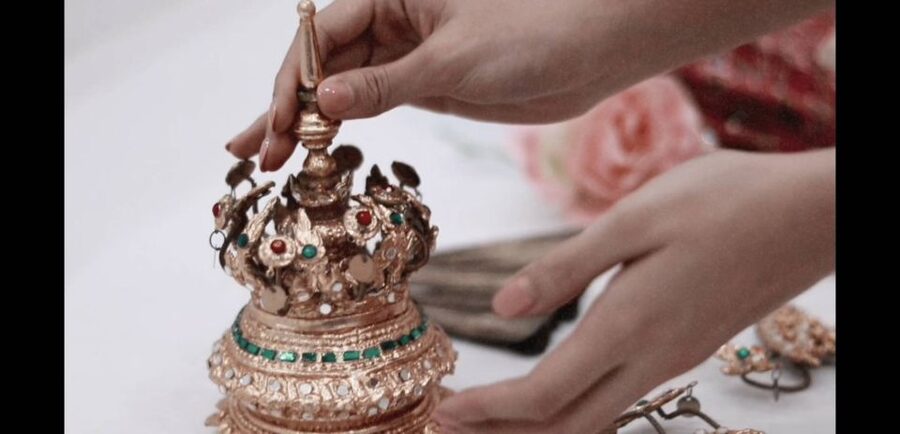
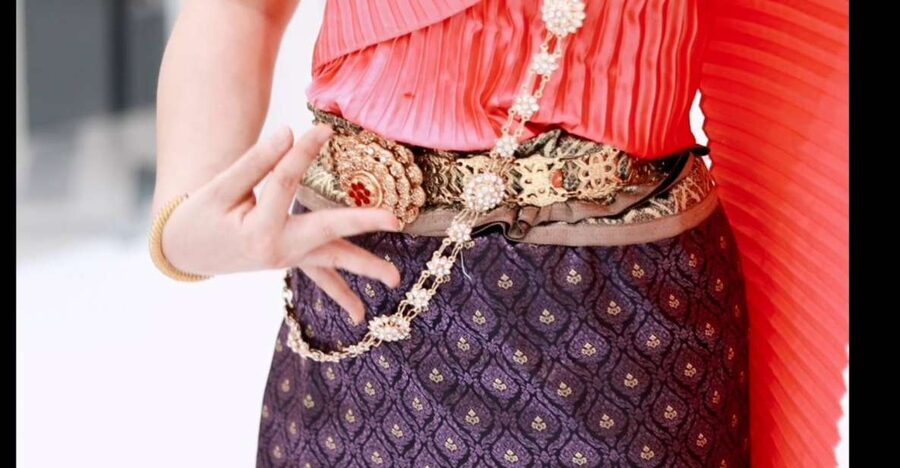
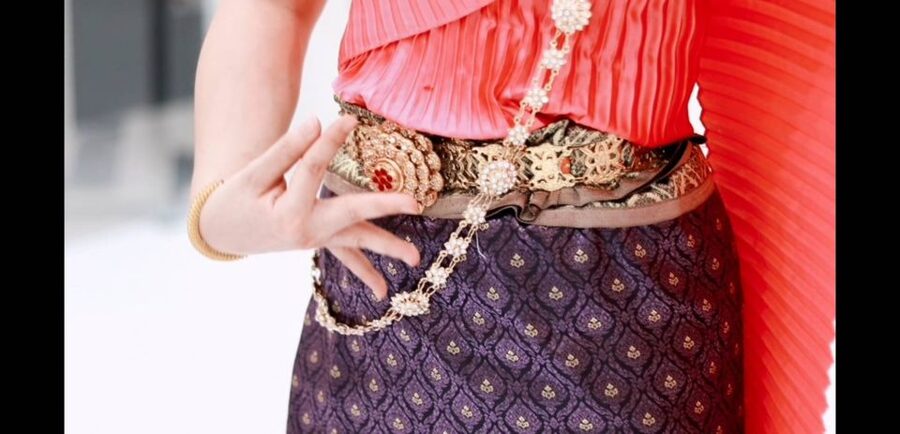
Before you dance, you learn how to wear the traditional Thai outfit supplied by the studio. Full accessories are included, so the costume is part of the lesson rather than something you need to arrange yourself.
Expect the instructor to guide you through the clothing instead of simply handing you a costume. That is important for first-time visitors, since traditional dress may not feel obvious to put on or adjust. You can focus on the class rather than worrying about whether the outfit looks right.
The clothing also changes how you move. Posture becomes easier to notice, and ordinary arm movements feel more deliberate when you are dressed for the dance. The outfit adds a visual element to the experience, but it is not only for photographs. It helps connect the physical lesson to the cultural setting.
The accessories make this especially appealing if you want a meaningful picture from your time in Thailand. Still, keep your expectations sensible. This is a dance lesson with photos allowed during some parts, not a dedicated photo session with unlimited filming.
The history behind the hand gestures and poses
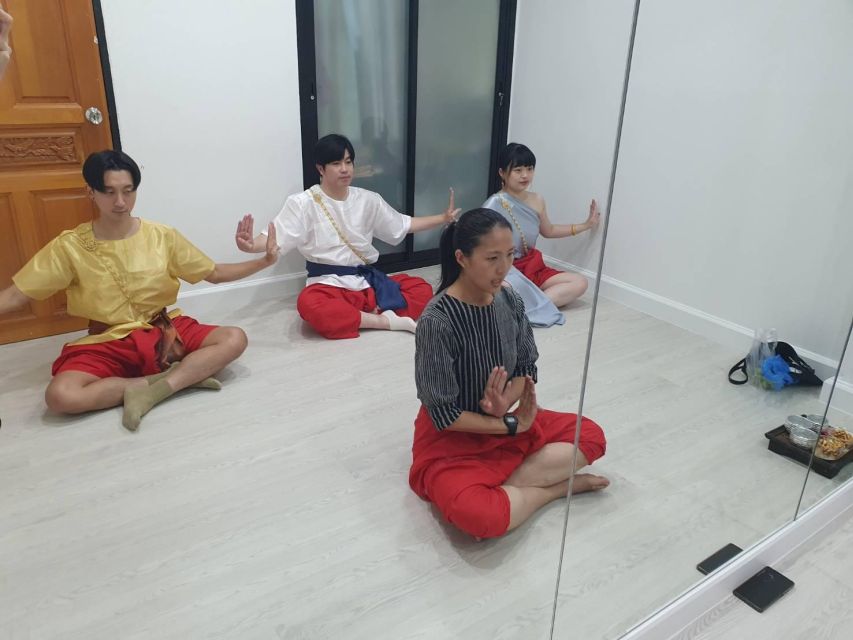
The teacher explains the history of Thai dance before asking you to perform it. This is where the activity gains much of its value. Without that context, you might see the movements as pretty hand shapes and graceful poses. With the explanation, you begin to understand that the gestures are taught as part of a larger tradition.
The instructor also explains the meaning of individual movements. One participant specifically found it useful to learn the meaning behind each gesture, while others appreciated the connection between the class and Thai culture and history.
The lesson can be especially interesting if you have already seen Thai dance on stage. One student had watched a play the night before and recognized movements from the performance during the class. That makes this a good follow-up to a cultural show, though you do not need any prior experience to take part.
The teaching style appears patient and careful. The instructor corrects gently, takes time to explain details, and links the movements to Southeast Asian history. That combination suits beginners who want more than a quick imitation.
Same base, a different sort of day:
- Bangkok: Train Market & Floating Market with Boat Ride
★ 4.7 · 9,547 reviews - Bangkok Canal Tour: 2-Hour Longtail Boat Ride
★ 4.5 · 5,909 reviews - Bangkok: Muay Thai Boxing Tickets at Rajadamnern Stadium
★ 4.9 · 4,740 reviews - Bangkok: White Orchid Chao Phraya Dinner Cruise free Beer
★ 4.4 · 4,573 reviews
Warming up before the three songs
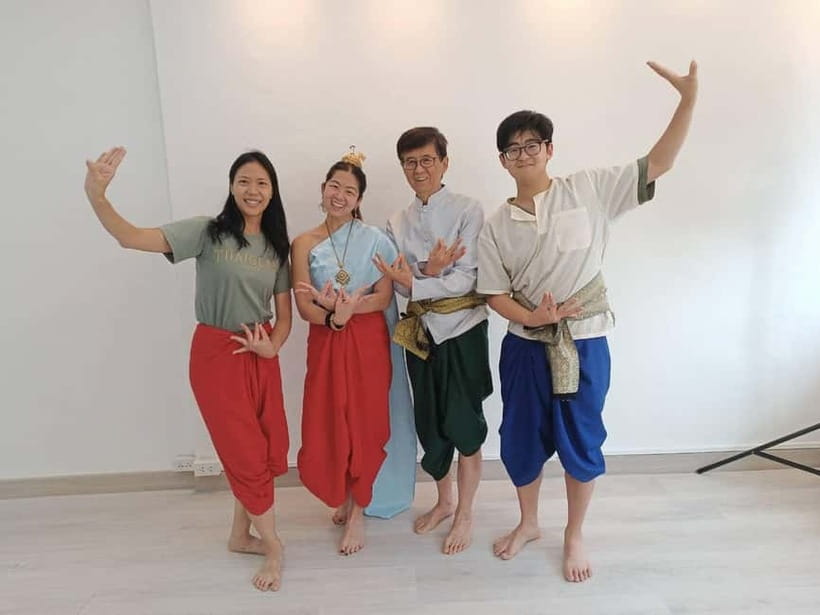
After the introduction and costume portion, the class moves into a warm-up. This prepares your arms, hands, posture, and body position before you attempt the full routines.
Do not expect a high-energy fitness workout. Thai dance is controlled and expressive. The warm-up is there to help you loosen up and become aware of the small movements that beginners often miss.
You may find the hand and finger positions harder than expected. A gesture can look simple when performed by an expert, yet feel awkward when you try to hold it yourself. That is normal. The class is built around repetition and correction, not instant perfection.
The teacher’s patience matters here. Several aspects of the experience receive strong praise: the instructor’s kindness, clear explanations, and willingness to spend time on each movement. Those qualities are worth more than a fast lesson if your goal is to leave with a basic understanding of Thai dance.
Learning three songs and traditional poses
The central part of the class covers three different songs and sets of poses. You are not expected to master a full professional repertoire in two hours. Instead, you learn enough movement to understand the style and take part in a short sequence.
Each song gives you another chance to work on posture, hand shapes, and timing. The structure also keeps the class moving. If one sequence feels difficult, the next song gives you a fresh start without abandoning the skills you have already practiced.
The poses are a major part of the appeal. Thai dance is not only about moving from one step to the next. Held positions, curved fingers, arm lines, and controlled expression create much of its character. You will need to pay attention to detail, especially when the teacher demonstrates the correct angle of a hand or the placement of your arms.
The class is suitable for beginners because no prior dance background is listed as a requirement. Still, it helps to bring a willing attitude. You may feel self-conscious at first, especially when you see how precise the instructor’s movements are. The small group format reduces that pressure, and the focus stays on learning rather than performing for a large audience.
Photos and short clips during selected moments
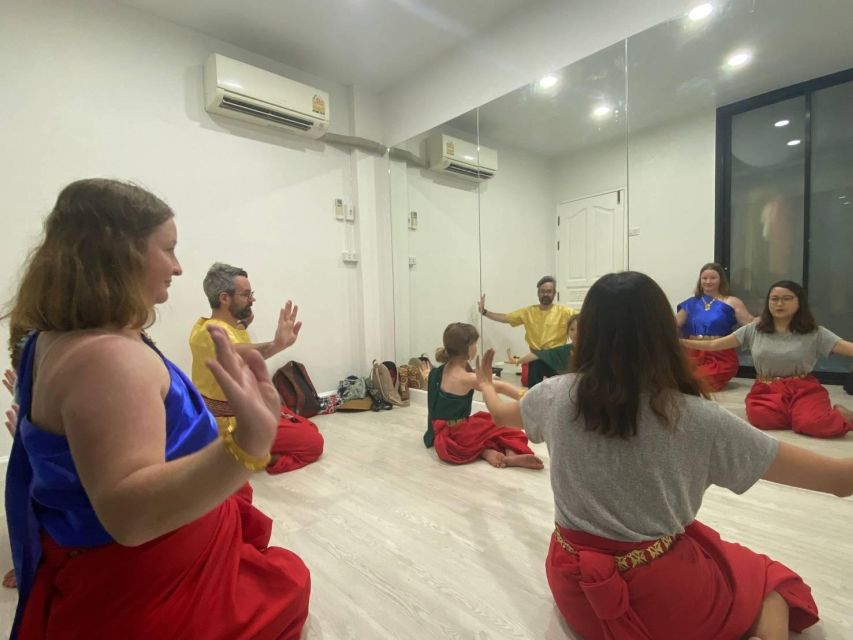
You can take photos and short clips during some parts of the class. The costume, poses, and final practice make natural moments for pictures.
The restriction to selected parts is sensible. Constant filming would make it harder to listen, repeat movements, and receive corrections. Put your phone away when the instructor is demonstrating, then use it when the class allows.
If you are traveling alone, this activity may still work well. The class can sometimes run with one participant, creating a private lesson. You should not assume that outcome, but the small group size means solo visitors are not automatically lost in a crowd.
Ask before filming other participants. The supplied information confirms that you can take pictures and short clips in some parts, but it does not promise unrestricted recording or a professional video. Treat the camera as a bonus, not the main purpose of the booking.
What the $70 price includes
The cost is $70 per person. For two hours, that is not the cheapest cultural activity in Thailand, but the price covers more than admission to a performance.
You receive:
- A two-hour Thai dance class
- Traditional Thai clothing and full accessories
- A welcome drink
- Thai dessert
- Instruction and cultural background
- Pickup service at the stated meeting point at Wat Arun Pier
The value depends on what you want from the experience. If you only want to see Thai dance, a performance may cost less and require less effort. If you want to understand the gestures, wear the clothing, and try the movements yourself, this class offers more direct participation.
The small group limit improves the value. Personal correction is important in a lesson based on precise gestures, and a group of no more than seven gives the teacher a better chance to notice each person.
The price also makes more sense for solo visitors, since the class is available even when you are not traveling with a large party. A private lesson may be possible if you are the only person booked, but do not count on receiving that arrangement.
Who will enjoy this class most
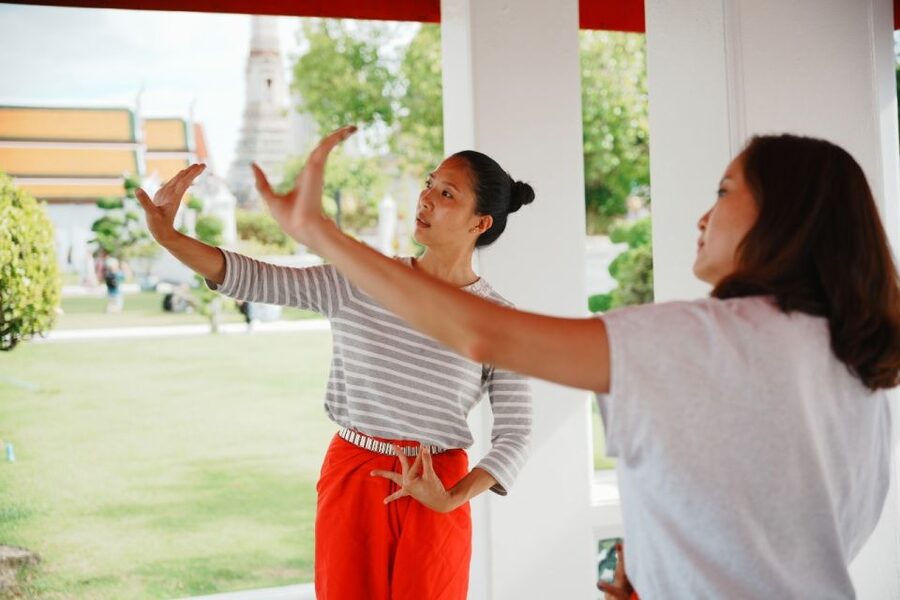
I would recommend this for you if you want a cultural activity that asks you to take part rather than sit and watch. It suits curious beginners, solo visitors, couples, and small groups interested in Thai traditions.
It is also a good choice if you enjoy learning the reason behind a custom. The history talk and explanations of movement give the class more substance than a costume photo alone.
You should think twice if you dislike being corrected, feel uncomfortable trying unfamiliar movements, or want a relaxed activity with no physical participation. The class is gentle, but it is still a lesson. You need to listen, copy, and practice.
Children under 10 are not accepted. The activity is also not suitable for wheelchair users or people over 95. Alcohol and drugs are not allowed.
The class is especially useful alongside other cultural plans in Thailand. If you have seen a dance performance, the lesson can help you recognize the gestures and poses afterward. If this is your first introduction, the teacher’s background explanation gives you a starting point.
Booking details that matter
You can cancel up to 24 hours before the activity for a full refund. You can also reserve now and pay later, which helps if your schedule around Bangkok and Central Thailand is still changing.
Check available starting times before you commit, since the class lasts two hours and the exact session time depends on availability. Arrive at the stated meeting point or follow the studio’s instructions carefully, since the activity takes place at Thai Glam Studio.
The host or greeter can assist in English, Chinese, or Korean. That does not mean every part of the class will be conducted in all three languages at once, so select the language that best suits your booking needs.
Should you book Thai Dance Class?
Book it if you want a personal, hands-on introduction to Thai culture. The strongest reasons are the patient instruction, the explanation of movement meanings, the traditional outfit, and the small group size. You leave with more than a costume photograph because you have learned how the dance is shaped and why its gestures matter.
Skip it if you want a major sightseeing tour, a stage performance, or a purely passive cultural stop. At $70, the value comes from instruction and participation. For a visitor who wants to try something distinctive and spend two focused hours learning from a Thai dance teacher, that is a fair trade.
FAQ
Where does the Thai dance class take place?
The class takes place at Thai Glam Studio in Central Thailand. The stated meeting point for pickup service is Wat Arun Pier.
How long does the activity last?
The activity lasts two hours. Starting times depend on availability.
How much does the class cost?
The listed price is $70 per person.
What is included in the price?
The price includes the two-hour class, Thai traditional clothing with full accessories, a welcome drink, Thai desserts, and pickup service at the meeting point at Wat Arun Pier.
How many people can join the class?
The class is limited to seven participants, making it a small-group experience. A solo booking may sometimes become a private lesson, depending on the session.
What languages are available?
The host or greeter can assist in English, Chinese, or Korean.
Can I take photos or videos?
You can take photos and short clips during some parts of the class. Recording is not indicated as available throughout the entire lesson.
Who should not book this activity?
The activity is not suitable for children under 10, wheelchair users, or people over 95. Alcohol and drugs are not allowed.
Just added in Bangkok
- re:leaf spa and massage★ 4.0 · 10 reviews
- Yoga in the Park Thailand★ 5.0 · 12 reviews
- Wonderful Pearl Dinner Cruise★ 3.5 · 27 reviews
- 3-Hour Bangkok Walking Tour: Wat Pho and Wat Arun★ 5.0 · 102 reviews
- Visit Wat Pho and Wat Arun with Local Expert★ 4.0 · 14 reviews
- White Orchid Sunset Dinner Cruise Calypso Ladyboy Cabaret Show★ 4.0 · 10 reviews
- Morning Buddhist Almsgiving, Grand Palace and Flower Market Tour in Bangkok★ 3.5 · 9 reviews
- Miracle Bangkok Airport Lounges – Relax Before You Fly★ 3.0 · 32 reviews
Tours in Bangkok, compared.

Bangkok: Damnoen Saduak Market and Maeklong Railway Market
Read our review →
The Old Siam: Damnoen Saduak and Maeklong Railway Market
Read our review →
From Bangkok: Ayutthaya Temples Guided Tour with Lunch
Read our review →
Bangkok: Train Market & Floating Market with Boat Ride
Read our review →
Bangkok Canal Tour: 2-Hour Longtail Boat Ride
Read our review →
Bangkok: Muay Thai Boxing Tickets at Rajadamnern Stadium
Read our review →
Bangkok: White Orchid Chao Phraya Dinner Cruise free Beer
Read our review →